
Criminalization of Political Dissent - Böcker
Visar alla böcker i serien Criminalization of Political Dissent. Handla med fri frakt och snabb leverans.
8 produkter
8 produkter
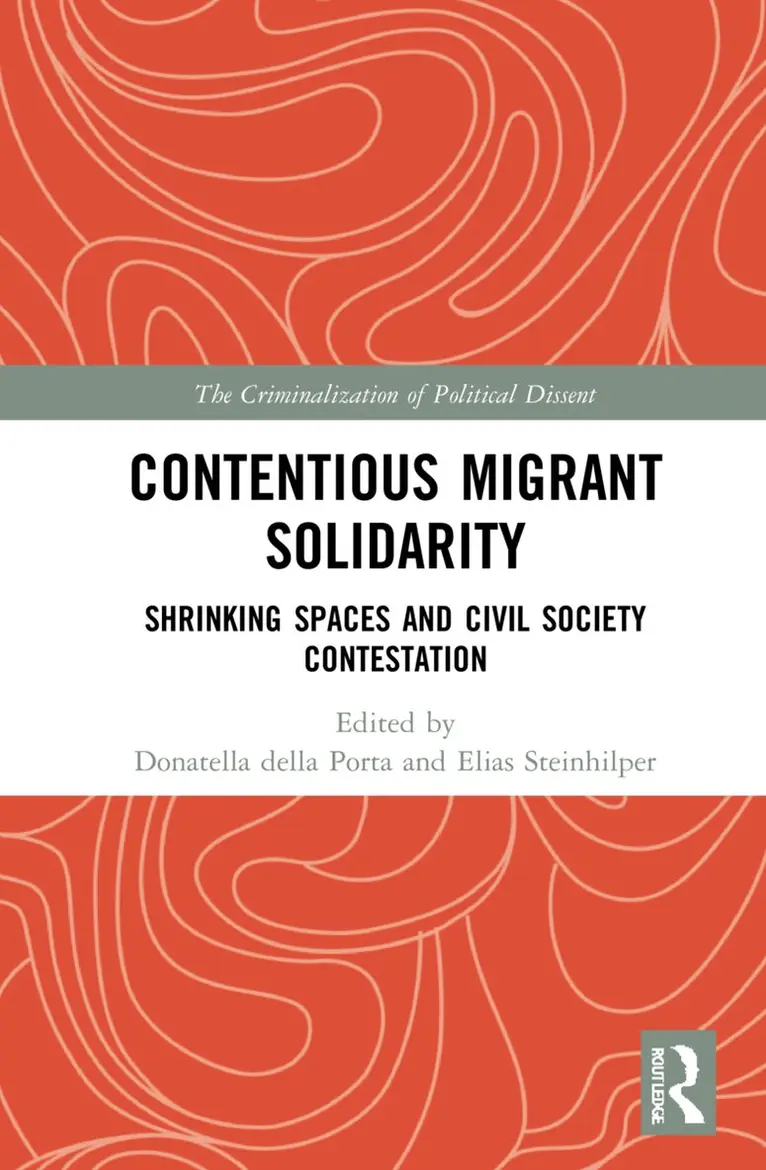
Contentious Migrant Solidarity
Shrinking Spaces and Civil Society Contestation
Inbunden, Engelska, 2021
2 100 kr
Skickas inom 10-15 vardagar
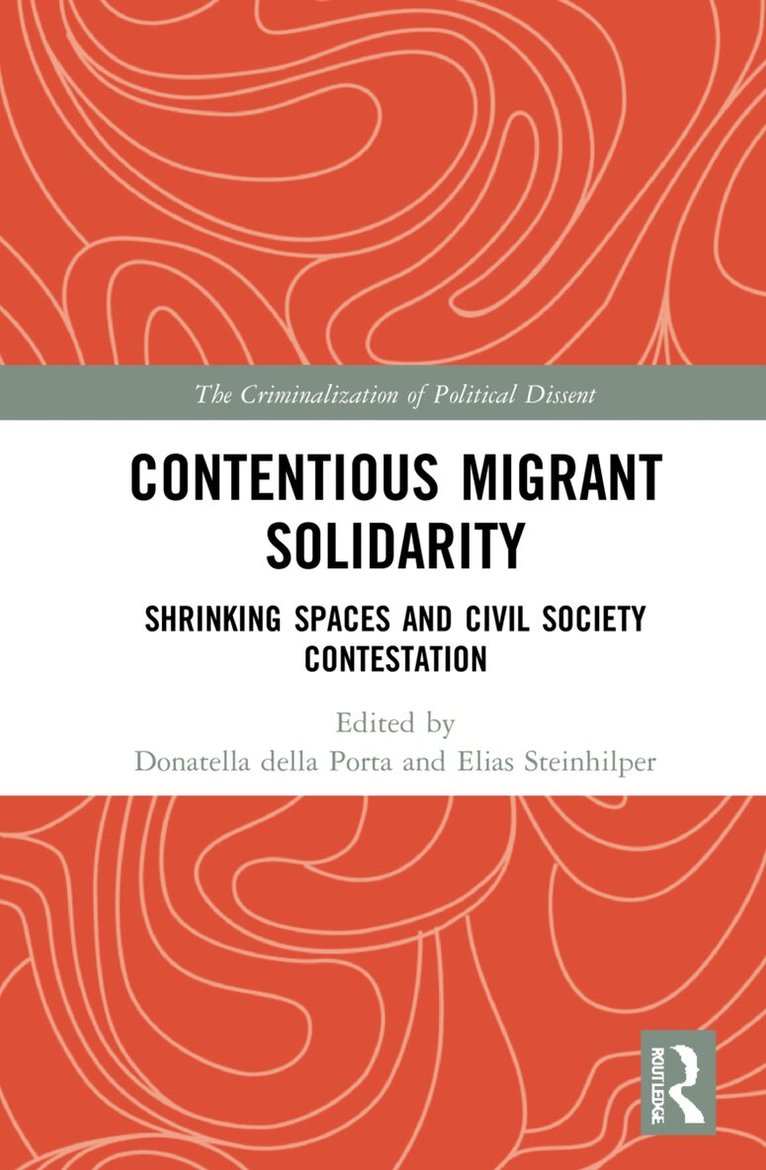
In the context of both the financial crisis and the crisis of European migration politics, the notion of solidarity has gained renewed prominence and - as this book argues - its practice has become increasingly contentious. Intersecting crises have sharpened social and political polarization and have contracted simultaneously the space for migrant and minority rights as well as the rights around political dissent. Building upon social movement and migration studies, this book maps the two sides of ‘contentious solidarity’: a shrinking civic space and its contestation by civil society. The book thereby unfolds the variety of repressive means (physical, legal, administrative and discursive) employed by governmental and non-governmental bodies against migrant solidarity, but also looks at how civil society organizations react to these restrictions through at times moderation and at times increasing contention. The diagnosis of ‘contentious solidarity’ is located within two broader trends affecting the relationship between the state and civil society in a neoliberal context in general and since the financial crisis in particular.Bridging studies on social movement studies and civil society organizations, this volume contributes to recent reflections on repression of social movements as well as of a hybridization of civil society organizations. Given its broad scope and the utmost timeliness of the issues it addresses, the volume will be of interest to a broad academic and non-academic audience.
614 kr
Skickas inom 10-15 vardagar
In the context of both the financial crisis and the crisis of European migration politics, the notion of solidarity has gained renewed prominence and - as this book argues - its practice has become increasingly contentious. Intersecting crises have sharpened social and political polarization and have contracted simultaneously the space for migrant and minority rights as well as the rights around political dissent. Building upon social movement and migration studies, this book maps the two sides of ‘contentious solidarity’: a shrinking civic space and its contestation by civil society. The book thereby unfolds the variety of repressive means (physical, legal, administrative and discursive) employed by governmental and non-governmental bodies against migrant solidarity, but also looks at how civil society organizations react to these restrictions through at times moderation and at times increasing contention. The diagnosis of ‘contentious solidarity’ is located within two broader trends affecting the relationship between the state and civil society in a neoliberal context in general and since the financial crisis in particular.Bridging studies on social movement studies and civil society organizations, this volume contributes to recent reflections on repression of social movements as well as of a hybridization of civil society organizations. Given its broad scope and the utmost timeliness of the issues it addresses, the volume will be of interest to a broad academic and non-academic audience.
641 kr
Skickas inom 10-15 vardagar
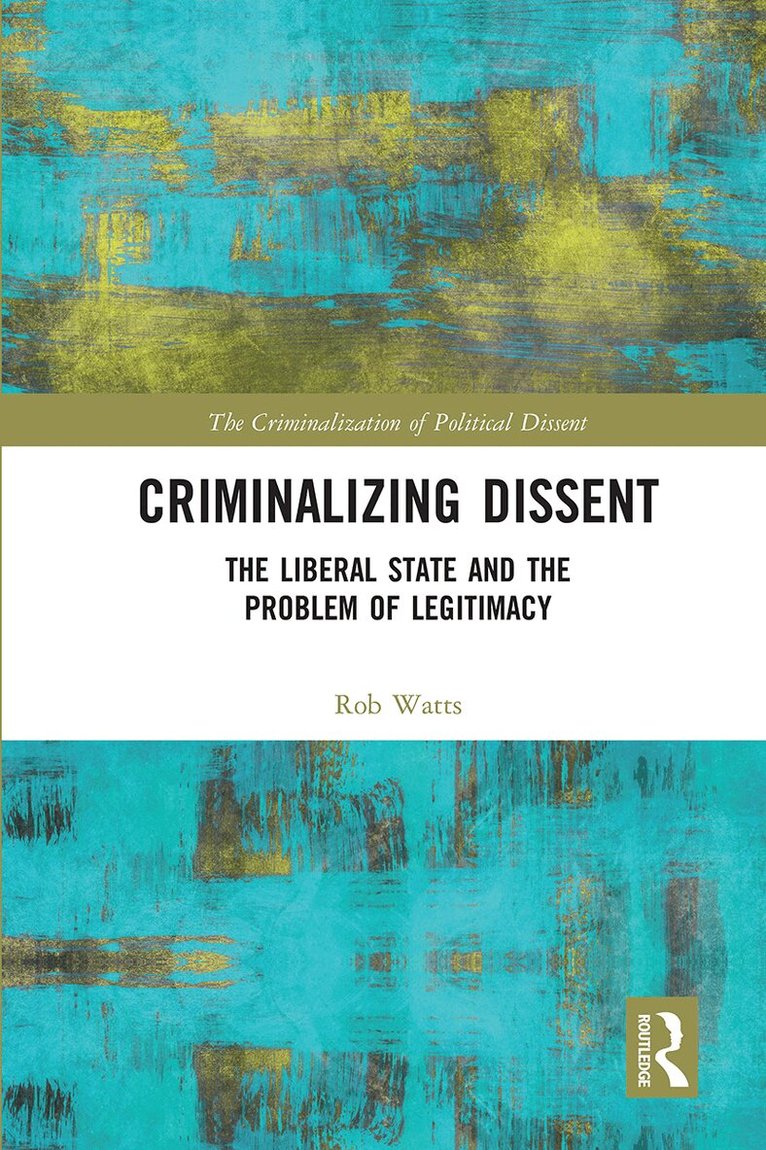
While liberal-democratic states like America, Britain and Australia claim to value freedom of expression and the right to dissent, they have always actually criminalized dissent. This disposition has worsened since 9/11 and the 2008 Great Recession. This ground-breaking study shows that just as dissent involves far more than protest marches, so too liberal-democratic states have expanded the criminalization of dissent. Drawing on political and social theorists like Arendt, Bourdieu and Isin, the book offers a new way of thinking about politics, dissent and its criminalization relationally. Using case studies like the Occupy movement, selective refusal by Israeli soldiers, urban squatters, democratic education and violence by anti-Apartheid activists, the book highlights the many forms dissent takes along with the many ways liberal-democratic states criminalize it. The book highlights the mix of fear and delusion in play when states privilege security to protect an imagined ‘political order’ from difference and disagreement.The book makes a major contribution to political theory, legal studies and sociology. Linking legal, political and normative studies in new ways, Watts shows that ultimately liberal-democracies rely more on sovereignty and the capacity for coercion and declarations of legal ‘states of exception’ than on liberal-democratic principles. In a time marked by a deepening crisis of democracy, the book argues dissent is increasingly valuable.
614 kr
Skickas inom 10-15 vardagar
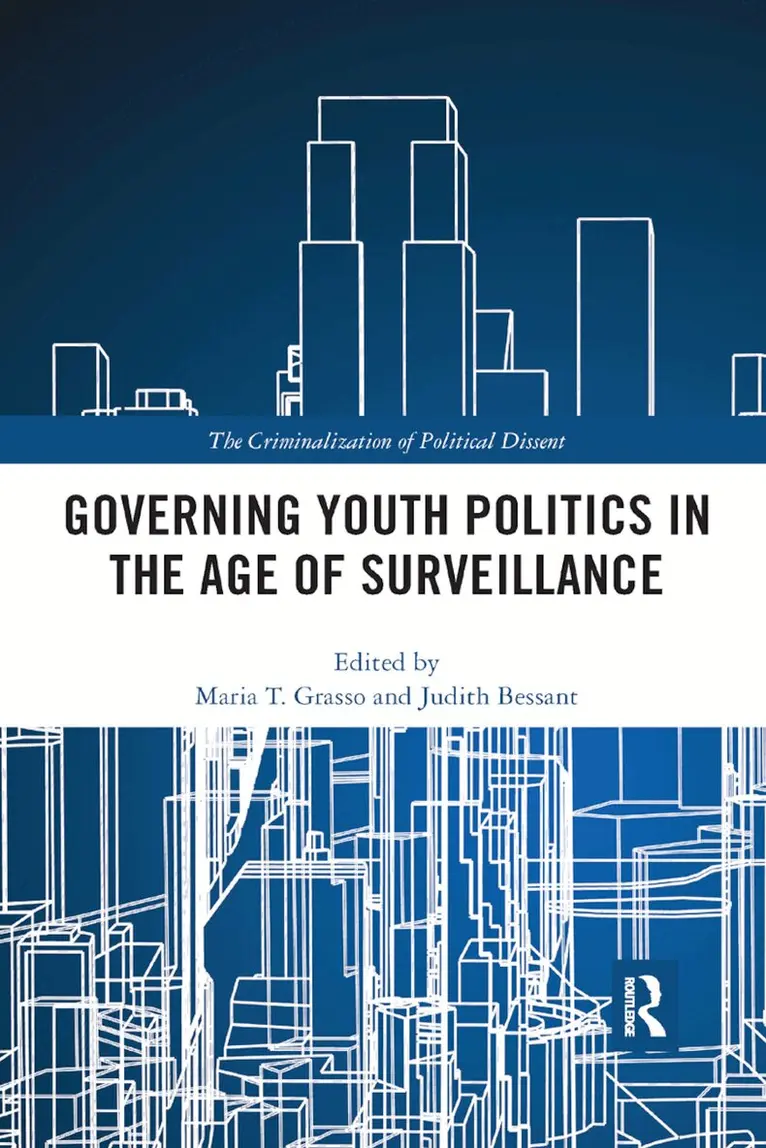
Drawing on case studies from around the world, contributors to this ground-breaking book explore a major contemporary paradox: on the one hand, young people today are at the forefront of political campaigns promoting social rights and ethical ideas that challenge authoritarian orders and elite privileges. On the other hand, too many governments, some claiming to be committed to liberal-democratic values, social inclusion and youth participation are engaged in repressing political activities that contest the status quo. Contributors to this book explore how, especially since 9/11, governments, state agencies and other traditional power holders around the globe have reacted to political dissent authored by young people. While the ‘need’ to enhance ‘youth political participation’ is promoted, the cases in this book document how states are using everything from surveillance, summary offences, expulsion from universities, ‘gag laws’ and ‘antiterrorism’ legislation, and even imprisonment to repress certain forms of young people’s political activism. These responses diminish the public sphere and create civic spaces hostile to political participation by any citizen.This book forms part of The Criminalization of Political Dissent series. It documents and interprets the many ways contemporary governments and agencies now routinely use various techniques to repress and criminalise political dissent.
2 235 kr
Skickas inom 10-15 vardagar
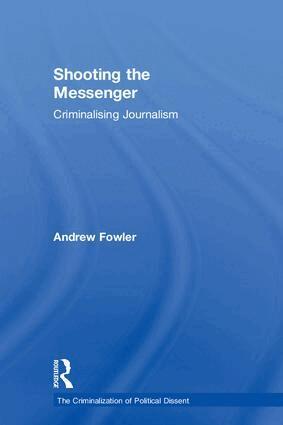
If the Al-Qaeda terrorists who attacked the United States in 2001 wanted to weaken the West, they achieved their mission by striking a blow at the heart of democracy. Since 9/11 governments including those of the USA, the UK, France and Australia have introduced tough, intimidating legislation to discourage the legitimate activities of a probing press, so greatly needed after the Iraq War proved that executive government could not be trusted. Often hiding behind arguments about defending national security and fighting the war on terror, governments criminalised legitimate journalistic work, ramping up their attacks on journalists’ sources, and the whistle-blowers who are so essential in keeping governments honest. Through detailed research and analysis, this book, which includes interviews with leading figures in the field, including Edward Snowden, explains how mass surveillance and anti-terror laws are of questionable value in defeating terrorism, but have had a ‘chilling effect’ on one of the foundations of democracy: revelatory journalism.
628 kr
Skickas inom 10-15 vardagar
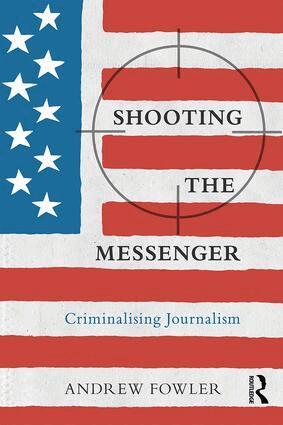
If the Al-Qaeda terrorists who attacked the United States in 2001 wanted to weaken the West, they achieved their mission by striking a blow at the heart of democracy. Since 9/11 governments including those of the USA, the UK, France and Australia have introduced tough, intimidating legislation to discourage the legitimate activities of a probing press, so greatly needed after the Iraq War proved that executive government could not be trusted. Often hiding behind arguments about defending national security and fighting the war on terror, governments criminalised legitimate journalistic work, ramping up their attacks on journalists’ sources, and the whistle-blowers who are so essential in keeping governments honest. Through detailed research and analysis, this book, which includes interviews with leading figures in the field, including Edward Snowden, explains how mass surveillance and anti-terror laws are of questionable value in defeating terrorism, but have had a ‘chilling effect’ on one of the foundations of democracy: revelatory journalism.
2 100 kr
Skickas inom 10-15 vardagar
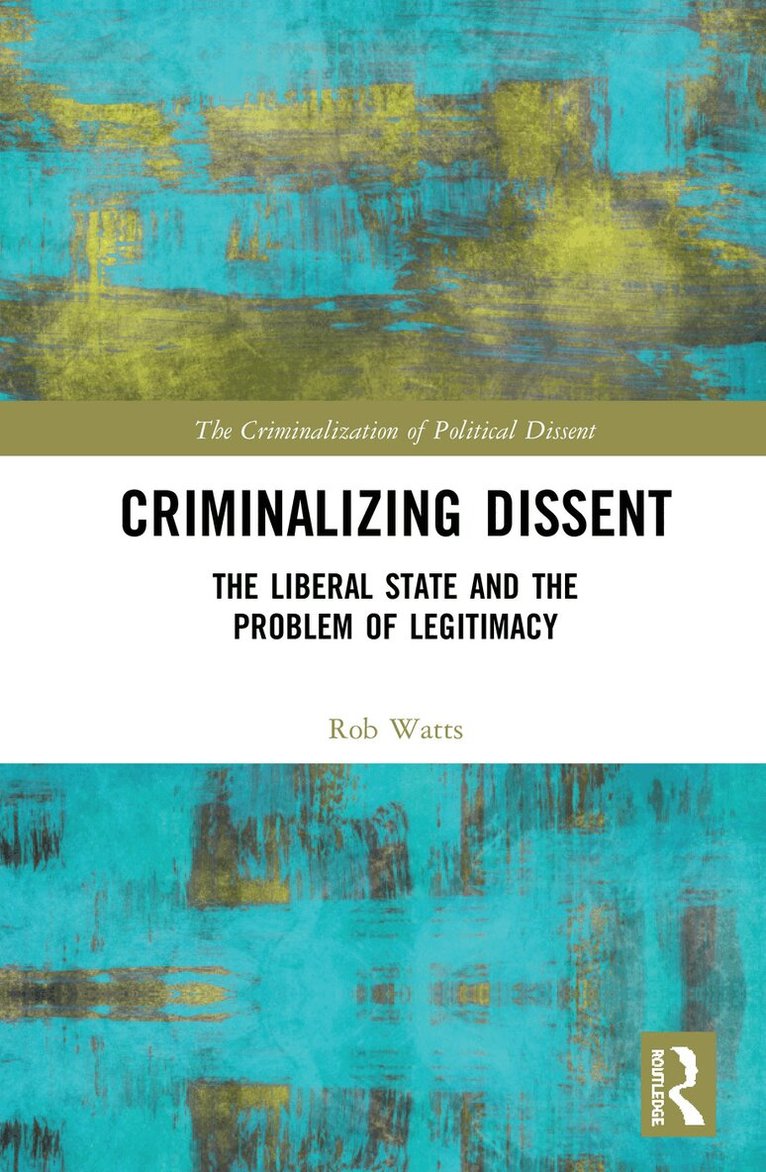
While liberal-democratic states like America, Britain and Australia claim to value freedom of expression and the right to dissent, they have always actually criminalized dissent. This disposition has worsened since 9/11 and the 2008 Great Recession. This ground-breaking study shows that just as dissent involves far more than protest marches, so too liberal-democratic states have expanded the criminalization of dissent. Drawing on political and social theorists like Arendt, Bourdieu and Isin, the book offers a new way of thinking about politics, dissent and its criminalization relationally. Using case studies like the Occupy movement, selective refusal by Israeli soldiers, urban squatters, democratic education and violence by anti-Apartheid activists, the book highlights the many forms dissent takes along with the many ways liberal-democratic states criminalize it. The book highlights the mix of fear and delusion in play when states privilege security to protect an imagined ‘political order’ from difference and disagreement.The book makes a major contribution to political theory, legal studies and sociology. Linking legal, political and normative studies in new ways, Watts shows that ultimately liberal-democracies rely more on sovereignty and the capacity for coercion and declarations of legal ‘states of exception’ than on liberal-democratic principles. In a time marked by a deepening crisis of democracy, the book argues dissent is increasingly valuable.
2 167 kr
Skickas inom 10-15 vardagar
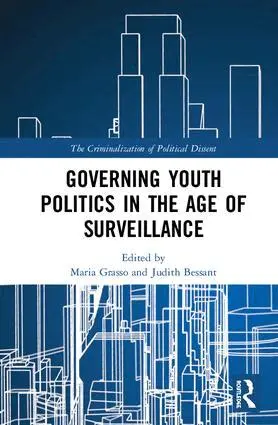
Drawing on case studies from around the world, contributors to this ground-breaking book explore a major contemporary paradox: on the one hand, young people today are at the forefront of political campaigns promoting social rights and ethical ideas that challenge authoritarian orders and elite privileges. On the other hand, too many governments, some claiming to be committed to liberal-democratic values, social inclusion and youth participation are engaged in repressing political activities that contest the status quo. Contributors to this book explore how, especially since 9/11, governments, state agencies and other traditional power holders around the globe have reacted to political dissent authored by young people. While the ‘need’ to enhance ‘youth political participation’ is promoted, the cases in this book document how states are using everything from surveillance, summary offences, expulsion from universities, ‘gag laws’ and ‘antiterrorism’ legislation, and even imprisonment to repress certain forms of young people’s political activism. These responses diminish the public sphere and create civic spaces hostile to political participation by any citizen.This book forms part of The Criminalization of Political Dissent series. It documents and interprets the many ways contemporary governments and agencies now routinely use various techniques to repress and criminalise political dissent.