Abdel Rahman Mohammad Al-Tawaha – författare
Visar alla böcker från författaren Abdel Rahman Mohammad Al-Tawaha. Handla med fri frakt och snabb leverans.
9 produkter
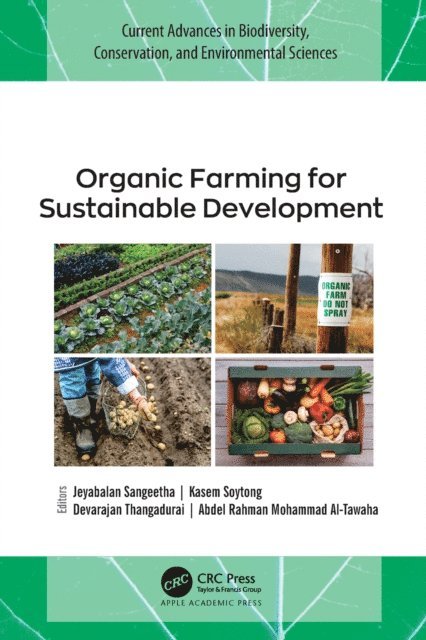
Organic Farming for Sustainable Development
Av Abdel Rahman Mohammad Al-Tawaha, Devarajan Thangadurai m. fl.
E-bok, 2022
2219 kr
Lägg i varukorg
This new volume addresses the growing use of organic farming in recent past decades fueled by the concern with the many deleterious effects of conventional agricultural practices, which employ chemical fertilizers, pesticides, and herbicides for large scale production of food. It focuses on …
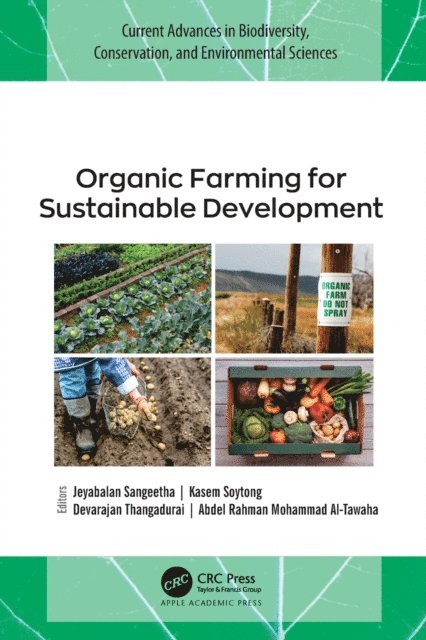
Organic Farming for Sustainable Development
Av Abdel Rahman Mohammad Al-Tawaha, Devarajan Thangadurai m. fl.
E-bok, 2022
2268 kr
Lägg i varukorg
This new volume addresses the growing use of organic farming in recent past decades fueled by the concern with the many deleterious effects of conventional agricultural practices, which employ chemical fertilizers, pesticides, and herbicides for large scale production of food. It focuses on …
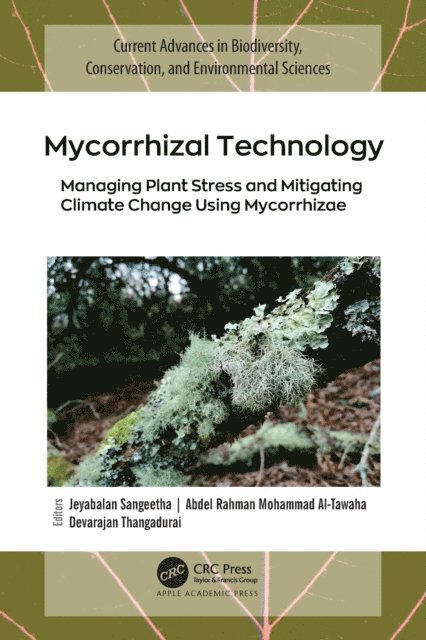
Mycorrhizal Technology
Managing Plant Stress and Mitigating Climate Change Using Mycorrhizae
Av Devarajan Thangadurai, Abdel Rahman Mohammad Al-Tawaha m. fl.
E-bok, 2024
2597 kr
Lägg i varukorg
This new volume delivers the remarkable theoretical and practical findings on the outstanding applications of mycorrhizal fungi in recovering plant health, in producing the mycorrhizal edible forest trees, and in conserving natural resources. It examines the recent research studies based on …
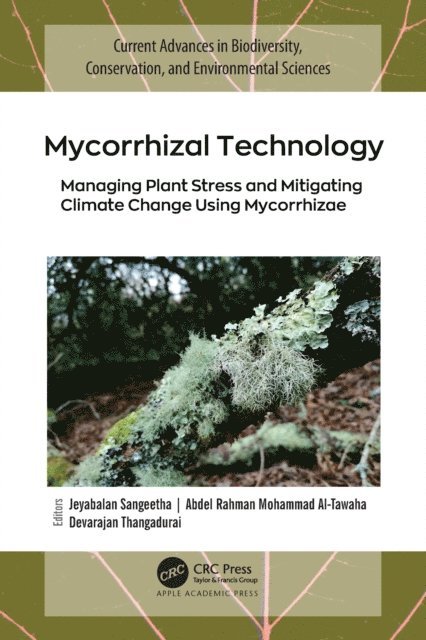
Mycorrhizal Technology
Managing Plant Stress and Mitigating Climate Change Using Mycorrhizae
Av Devarajan Thangadurai, Abdel Rahman Mohammad Al-Tawaha m. fl.
E-bok, 2024
2541 kr
Lägg i varukorg
This new volume delivers the remarkable theoretical and practical findings on the outstanding applications of mycorrhizal fungi in recovering plant health, in producing the mycorrhizal edible forest trees, and in conserving natural resources. It examines the recent research studies based on …
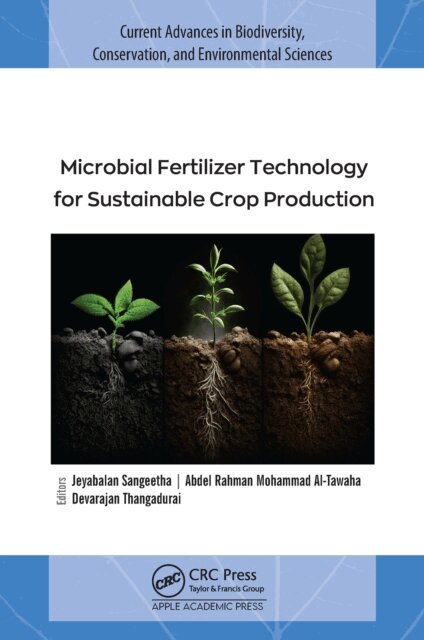
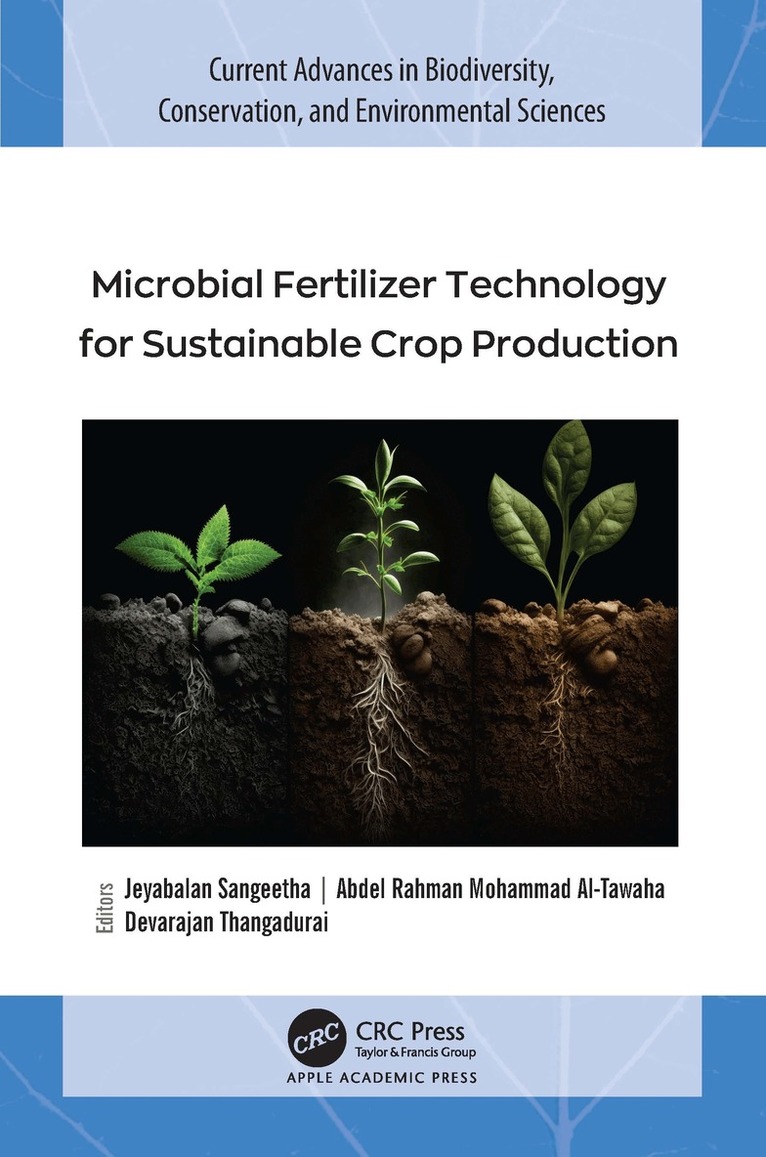
Microbial Fertilizer Technology for Sustainable Crop Production
Av Devarajan Thangadurai, Abdel Rahman Mohammad Al-Tawaha m. fl.
E-bok, 2026
2944 kr
Lägg i varukorg
The constantly growing world population scenario is escalating the pressure on crop productivity. The excessive use of chemical pesticides and fertilizers, however, leads to the deterioration of the quality of soil and food crop products. This new volume, Microbial Fertilizer Technology for …
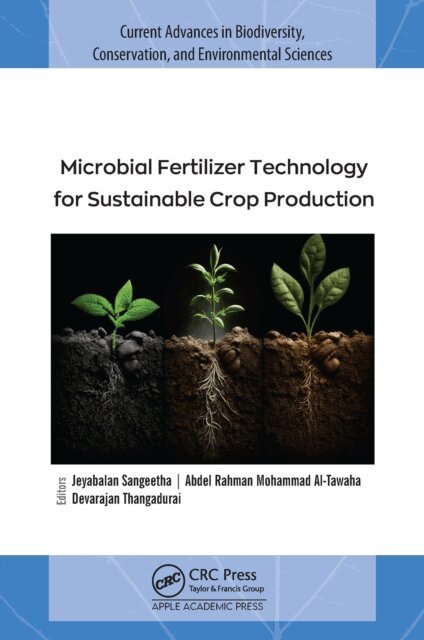
Microbial Fertilizer Technology for Sustainable Crop Production
Av Devarajan Thangadurai, Abdel Rahman Mohammad Al-Tawaha m. fl.
E-bok, 2026
2944 kr
Lägg i varukorg
The constantly growing world population scenario is escalating the pressure on crop productivity. The excessive use of chemical pesticides and fertilizers, however, leads to the deterioration of the quality of soil and food crop products. This new volume, Microbial Fertilizer Technology for …
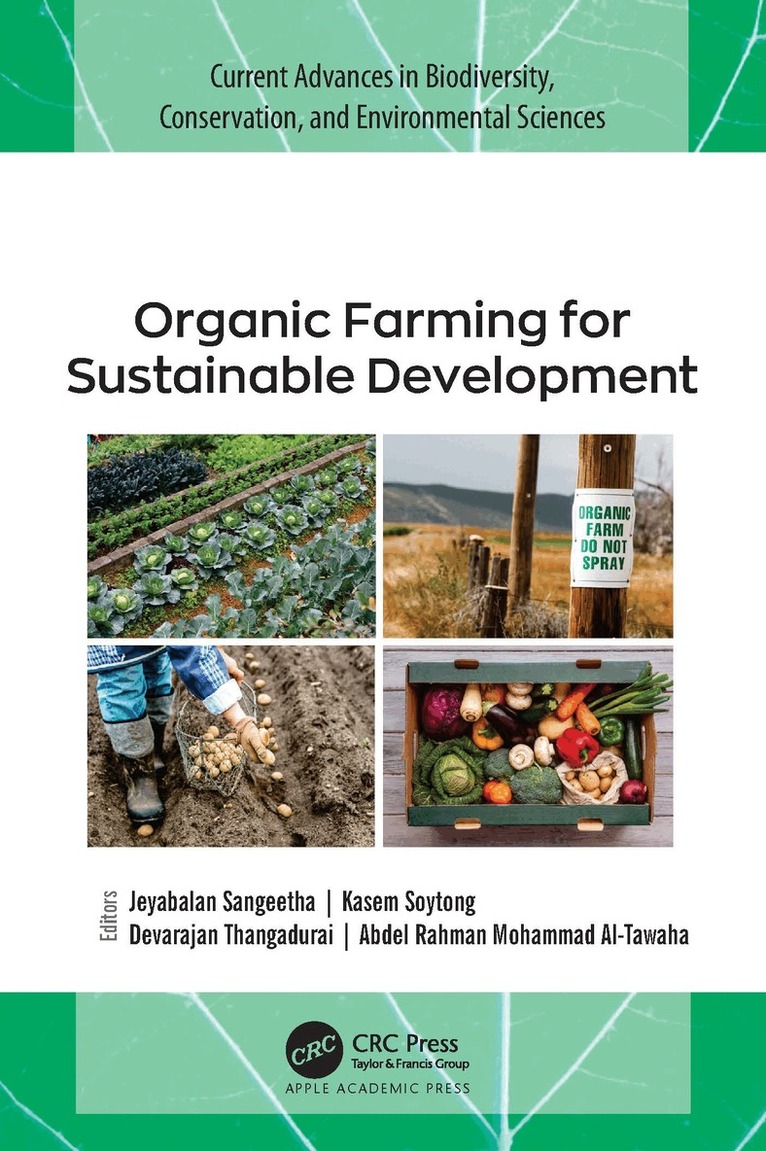
Organic Farming for Sustainable Development
Av Jeyabalan Sangeetha, Kasem Soytong m. fl.
Inbunden, 2022
1914 kr
Lägg i varukorg
This new volume addresses the growing use of organic farming in recent past decades fueled by the concern with the many deleterious effects of conventional agricultural practices, which employ chemical fertilizers, pesticides, and herbicides for large scale production of food. It focuses on …
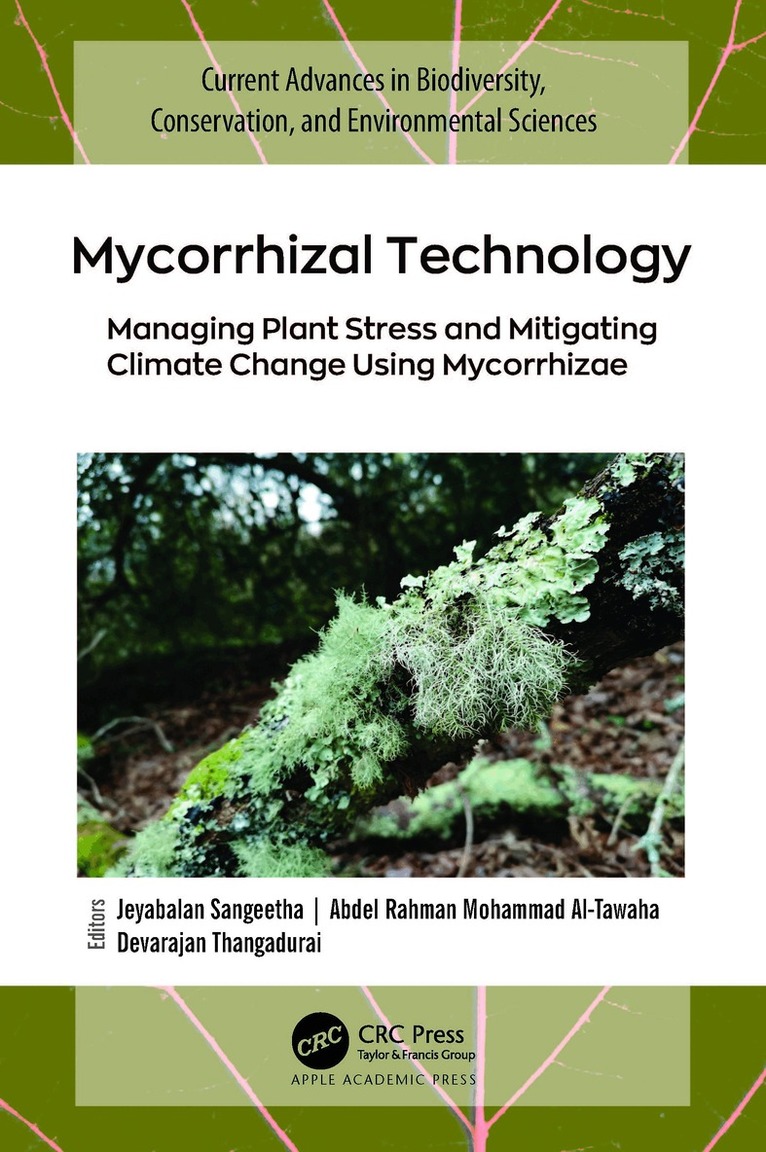
Mycorrhizal Technology
Managing Plant Stress and Mitigating Climate Change Using Mycorrhizae
Av Jeyabalan Sangeetha, Abdel Rahman Mohammad Al-Tawaha m. fl.
Inbunden, 2024
2190 kr
Lägg i varukorg
This new volume delivers the remarkable theoretical and practical findings on the outstanding applications of mycorrhizal fungi in recovering plant health, in producing the mycorrhizal edible forest trees, and in conserving natural resources.It examines the recent research studies based on …
Microbial Fertilizer Technology for Sustainable Crop Production
Av Jeyabalan Sangeetha, Abdel Rahman Mohammad Al-Tawaha m. fl.
Inbunden, 2026
2481 kr
Lägg i varukorg
The constantly growing world population scenario is escalating the pressure on crop productivity. The excessive use of chemical pesticides and fertilizers, however, leads to the deterioration of the quality of soil and food crop products. This new volume, Microbial Fertilizer Technology for …