Abraham Velez de Cea – författare
Visar alla böcker från författaren Abraham Velez de Cea. Handla med fri frakt och snabb leverans.
3 produkter
3 produkter
Inbunden, Engelska, 2020
1 160 kr
Skickas inom 5-8 vardagar
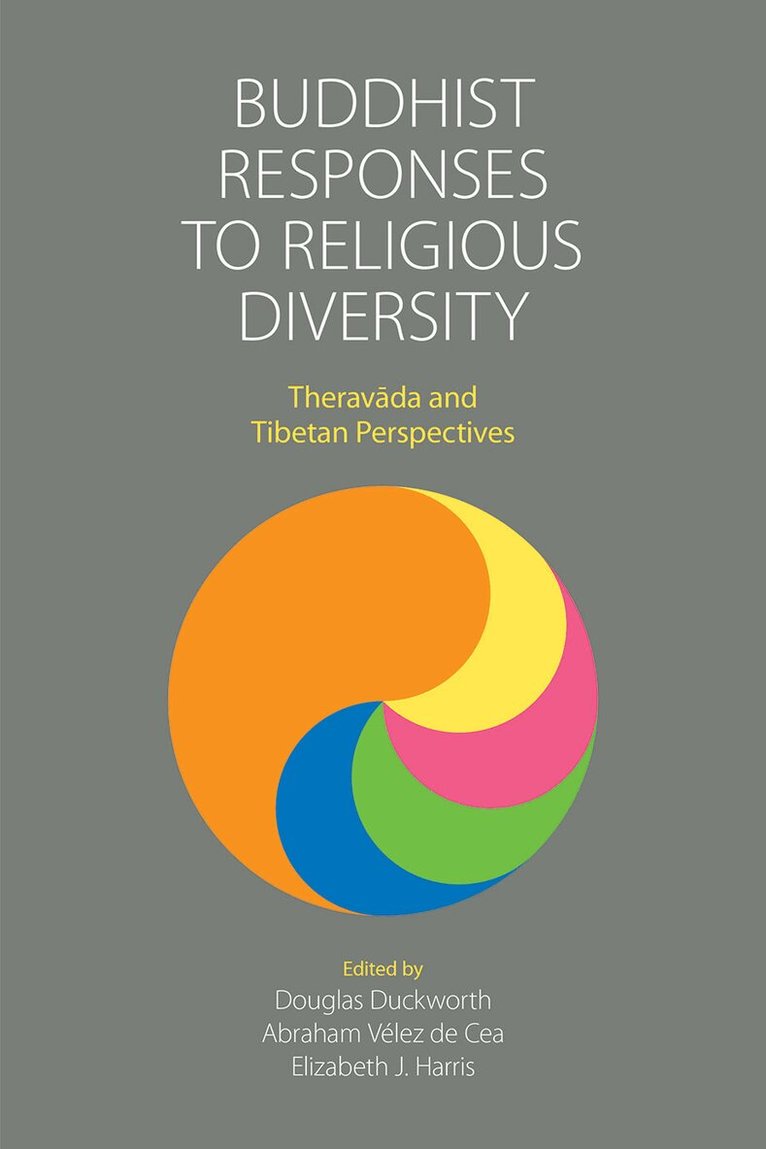
This volume discusses contemporary Buddhist responses to religious diversity from Theravadin and Tibetan Buddhist perspectives. Buddhist attitudes toward other religious traditions (and its own) are unquestionably diverse, and have undergone changes throughout historical eras and geographic spaces, as Buddhists, and traditions Buddhists have encountered, continue to change (after all, all conditioned things are impermanent). The present time is a particularly dynamic moment to take stock of Buddhist attitudes toward religious others, as Buddhist identities are being renegotiated in unprecedented ways in our increasingly globalized age. Is it true that Buddhists are tolerant of other religions? To what extent are Buddhists tolerant? Is nirvana held to be attainable through Buddhism alone? If so, through which Buddhist tradition? This volume approaches these questions and others from perspectives representing Theravadin and Tibetan traditions of Buddhism. The chapters herein bring together a spectrum of views that are not often found side-by-side in a single volume or in a meaningful dialogue with each other, needless to mention with other religions. This volume seeks to remedy this situation, and break new ground to enable further dialogue, understanding, and constructive encounters across Buddhist traditions and between other religious traditions and Buddhists.
Häftad, Engelska, 2020
396 kr
Skickas inom 5-8 vardagar
This volume discusses contemporary Buddhist responses to religious diversity from Theravadin and Tibetan Buddhist perspectives. Buddhist attitudes toward other religious traditions (and its own) are unquestionably diverse, and have undergone changes throughout historical eras and geographic spaces, as Buddhists, and traditions Buddhists have encountered, continue to change (after all, all conditioned things are impermanent). The present time is a particularly dynamic moment to take stock of Buddhist attitudes toward religious others, as Buddhist identities are being renegotiated in unprecedented ways in our increasingly globalized age. Is it true that Buddhists are tolerant of other religions? To what extent are Buddhists tolerant? Is nirvana held to be attainable through Buddhism alone? If so, through which Buddhist tradition? This volume approaches these questions and others from perspectives representing Theravadin and Tibetan traditions of Buddhism. The chapters herein bring together a spectrum of views that are not often found side-by-side in a single volume or in a meaningful dialogue with each other, needless to mention with other religions. This volume seeks to remedy this situation, and break new ground to enable further dialogue, understanding, and constructive encounters across Buddhist traditions and between other religious traditions and Buddhists.
E-bok
Spanska, 2010140 kr
Läs direkt efter köp
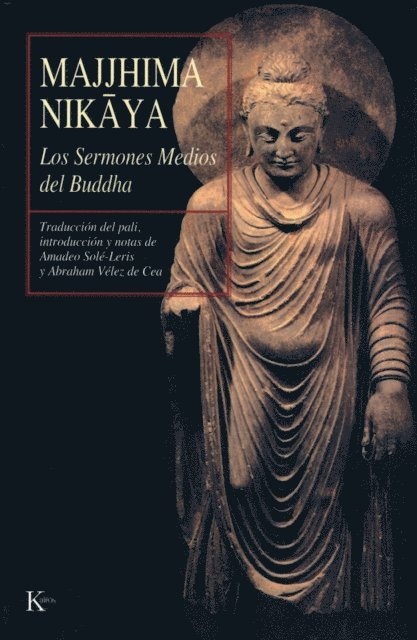
El lector tiene en sus manos una magistral traducción del pali al castellano del Majjhima Nikâya, una de las principales colecciones de sermones del Buddha histórico.Los Sermones Medios del Buddha son las enseñanzas que el Buddha predicaba en la India hace 2.500 años y forman una parte indispensable del canon budista en lengua pali (la lengua del Buddha). Preservadas durante siglos en los monasterios de Sri Lanka, estas enseñanzas se han ido extendiendo gradualmente por todo el mundo, primero en Oriente y luego en Occidente, donde tanto ha crecido el interés por el budismo.El presente volumen contiene 50 de los 152 sermones que forman esta colección, agrupados temáticamente y con notas necesarias para facilitar su comprensión. Hasta ahora era muy difícil, por no decir imposible, conocer estos antiquísimos textos en su integridad, ya que existían muy pocas versiones, y la mayoría tomadas de otras traducciones en idiomas europeos.Da ahí la importancia de recuperar el mensaje original, acudiendo a las fuentes más cercanas al maestro en el tiempo y en el espacio. Con ello esperamos contribuir al mejor conocimiento de la "Enseñanza del Buddha" tal y como fue recogida por sus primeros discípulos.