Adam Lecznar – författare
Visar alla böcker från författaren Adam Lecznar. Handla med fri frakt och snabb leverans.
11 produkter
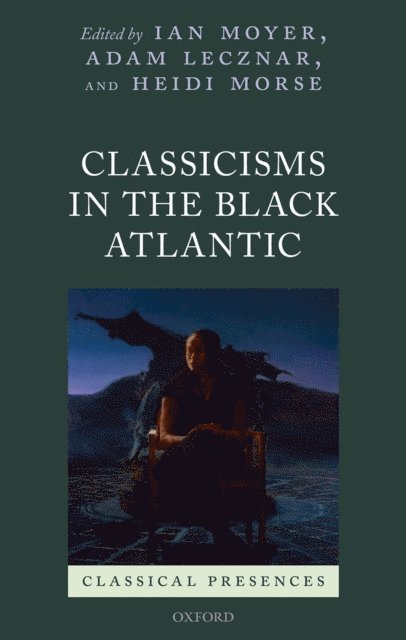
Classicisms in the Black Atlantic
Av Heidi Morse, Adam Lecznar m. fl.
E-bok, 2020
1876 kr
Lägg i varukorg
The historical and cultural space of the Black Atlantic - a diasporic world of forced and voluntary migrations - has long provided fertile ground for the construction and reconstruction of new forms of classicism. From the aftermath of slavery up to the present day, black authors, intellectuals, …
Classicisms in the Black Atlantic
Av Heidi Morse, Adam Lecznar m. fl.
E-bok, 2020
1876 kr
Lägg i varukorg
The historical and cultural space of the Black Atlantic - a diasporic world of forced and voluntary migrations - has long provided fertile ground for the construction and reconstruction of new forms of classicism. From the aftermath of slavery up to the present day, black authors, intellectuals, …
Classicisms in the Black Atlantic
Av Ian Moyer, Adam Lecznar m. fl.
Inbunden, 2020
2705 kr
Lägg i varukorg
The historical and cultural space of the Black Atlantic - a diasporic world of forced and voluntary migrations - has long provided fertile ground for the construction and reconstruction of new forms of classicism. From the aftermath of slavery up to the present day, black authors, intellectuals, …
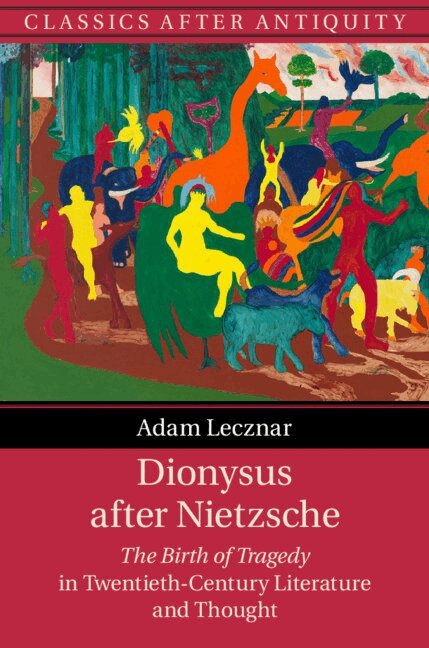
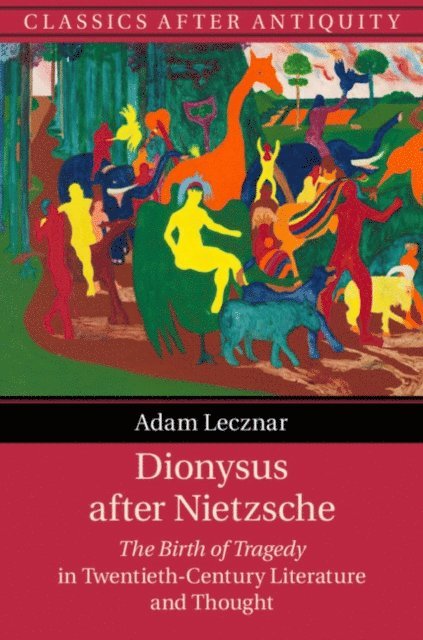
Dionysus after Nietzsche
The Birth of Tragedy in Twentieth-Century Literature and Thought
Av Adam Lecznar
Inbunden, 2020
1585 kr
Lägg i varukorg
Dionysus after Nietzsche examines the way that The Birth of Tragedy (1872) by Friedrich Nietzsche irrevocably influenced twentieth-century literature and thought. Adam Lecznar argues that Nietzsche's Dionysus became a symbol of the irrational forces of culture that cannot be contained, and explores …
Dionysus after Nietzsche
The Birth of Tragedy in Twentieth-Century Literature and Thought
Av Adam Lecznar
E-bok, 2020
450 kr
Lägg i varukorg
Dionysus after Nietzsche examines the way that The Birth of Tragedy (1872) by Friedrich Nietzsche irrevocably influenced twentieth-century literature and thought. Adam Lecznar argues that Nietzsche''s Dionysus became a symbol of the irrational forces of culture that cannot be contained, and …
Dionysus after Nietzsche
The Birth of Tragedy in Twentieth-Century Literature and Thought
Av Adam Lecznar
E-bok, 2020
441 kr
Lägg i varukorg
Dionysus after Nietzsche examines the way that The Birth of Tragedy (1872) by Friedrich Nietzsche irrevocably influenced twentieth-century literature and thought. Adam Lecznar argues that Nietzsche''s Dionysus became a symbol of the irrational forces of culture that cannot be contained, and …
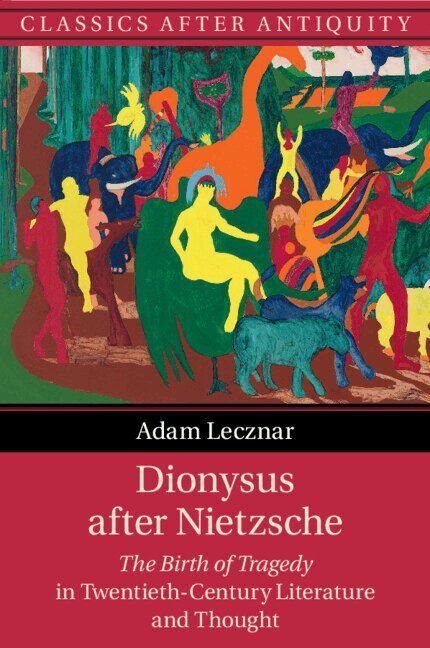
Dionysus after Nietzsche
The Birth of Tragedy in Twentieth-Century Literature and Thought
Av Adam Lecznar
Häftad, 2024
457 kr
Lägg i varukorg
Dionysus after Nietzsche examines the way that The Birth of Tragedy (1872) by Friedrich Nietzsche irrevocably influenced twentieth-century literature and thought. Adam Lecznar argues that Nietzsche's Dionysus became a symbol of the irrational forces of culture that cannot be contained, and explores …
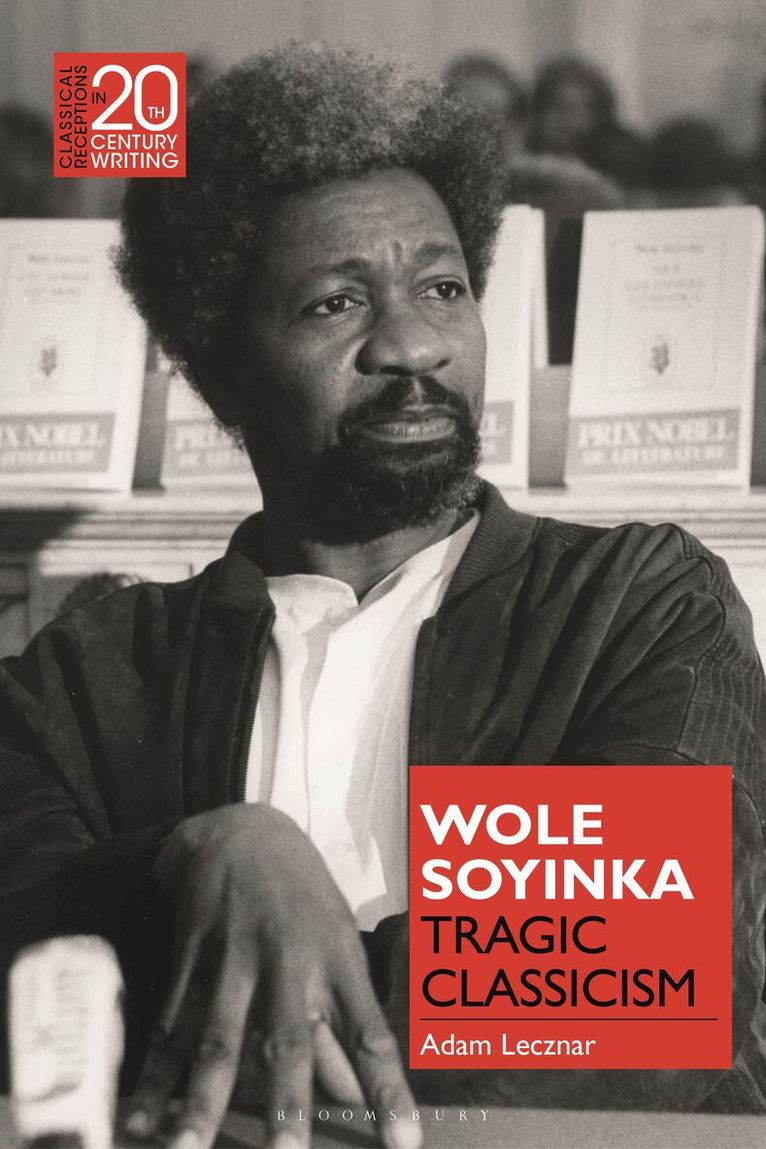
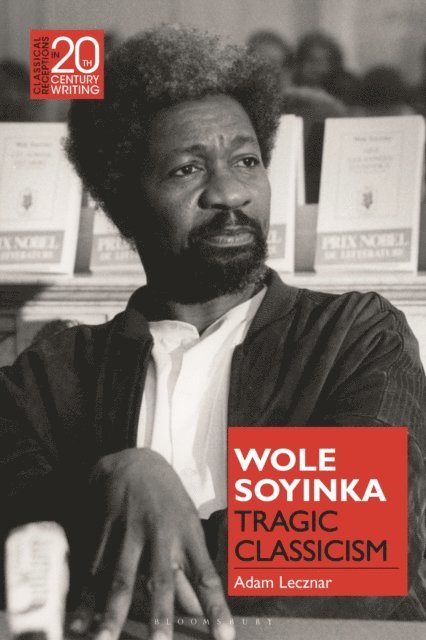
Wole Soyinka
Tragic Classicism
Inbunden, 2024
1304 kr
Lägg i varukorg
This book presents a new way of looking at Wole Soyinka’s engagement with the classical past. Nigerian author and activist Wole Soyinka was the first Black African author to win the Nobel Prize for Literature (1986), and his oeuvre has become seminal to postcolonial literature. The frequent …
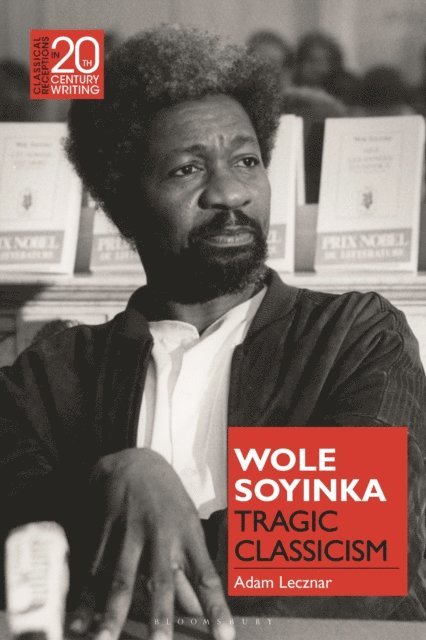
Wole Soyinka
Tragic Classicism
Av Adam Lecznar
E-bok, 2024
1434 kr
Lägg i varukorg
This book presents a new way of looking at Wole Soyinka''s engagement with the classical past. Nigerian author and activist Wole Soyinka was the first Black African author to win the Nobel Prize for Literature (1986), and his oeuvre has become seminal to postcolonial literature. The frequent …
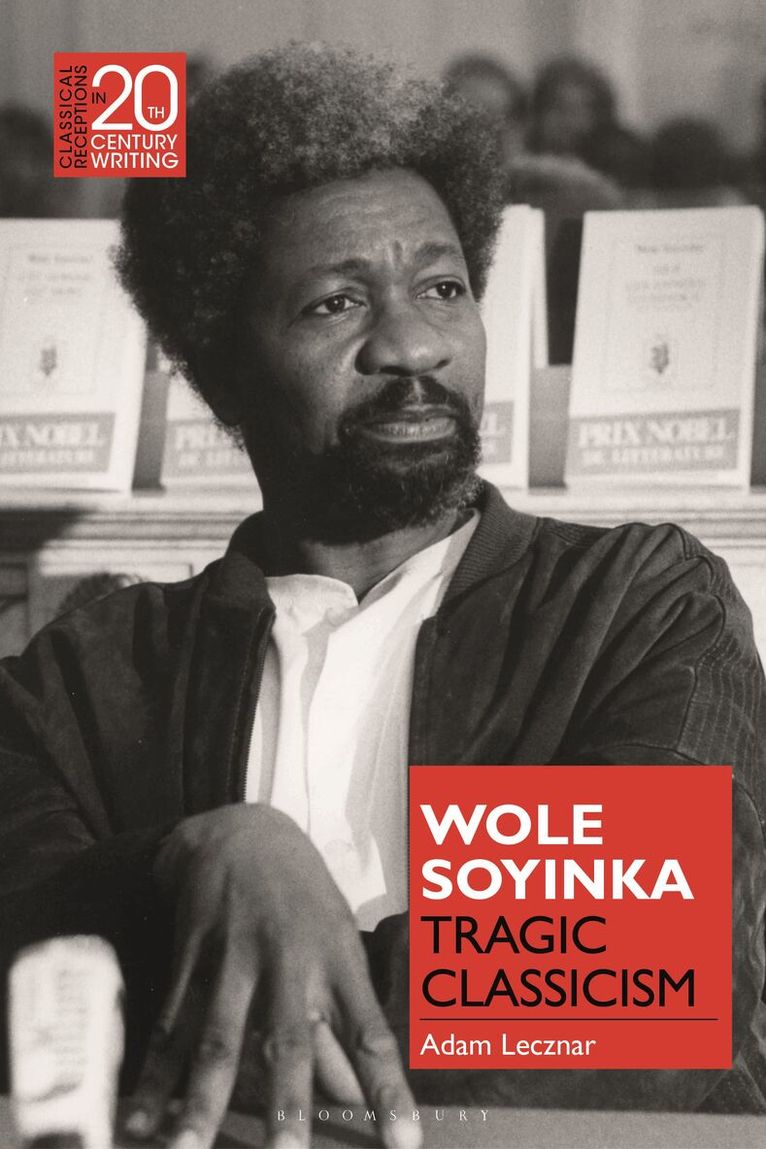
Wole Soyinka
Tragic Classicism
Av Adam Lecznar
E-bok, 2024
1434 kr
Lägg i varukorg
This book presents a new way of looking at Wole Soyinka''s engagement with the classical past. Nigerian author and activist Wole Soyinka was the first Black African author to win the Nobel Prize for Literature (1986), and his oeuvre has become seminal to postcolonial literature. The frequent …
Wole Soyinka
Tragic Classicism
Häftad, 2026
473 kr
Kommande
This book presents a new way of looking at Wole Soyinka’s engagement with the classical past. Nigerian author and activist Wole Soyinka was the first Black African author to win the Nobel Prize for Literature (1986), and his oeuvre has become seminal to postcolonial literature. The frequent …