Adam Nocek - Böcker
Visar alla böcker från författaren Adam Nocek. Handla med fri frakt och snabb leverans.
8 produkter
8 produkter
2 098 kr
Skickas inom 10-15 vardagar
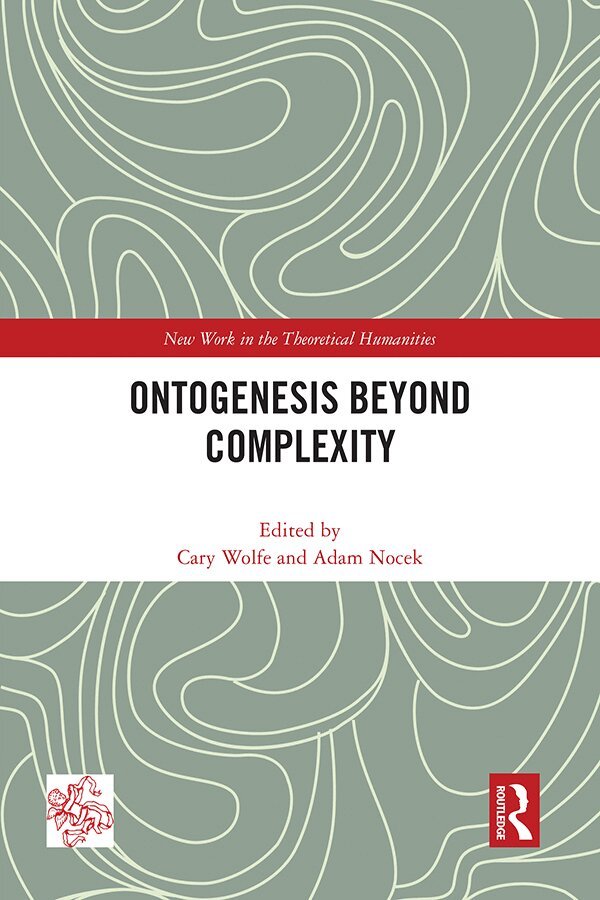
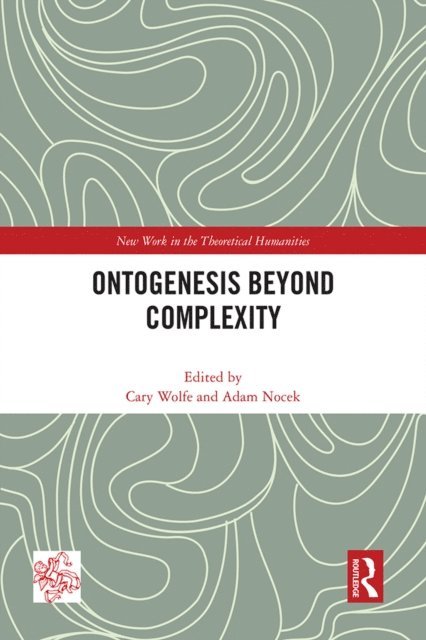
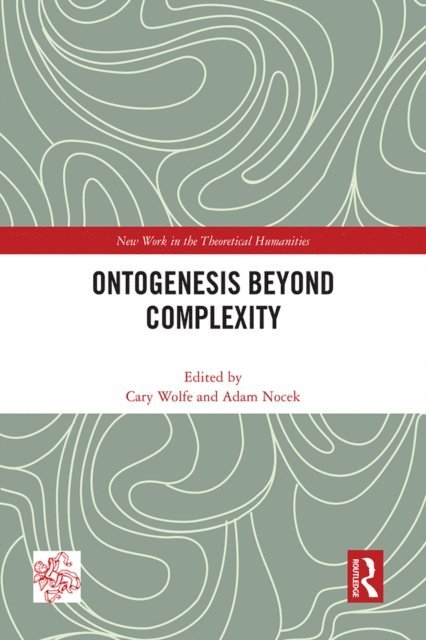
This book is based upon the collaborative efforts of the Ontogenetics Process Group (OPG) – an interdisciplinary, multi-institutional, multi-national research group that began meeting in 2017 to explore new and innovative ways of thinking the problem of complexity in living, physical, and social systems outside the algorithmic models that have dominated paradigms of complexity to date.For all the descriptive and predictive power that the complexity sciences offer (the ability to compute feedback systems, recursive networks, emergent dynamics, etc.), they also presume that the living world in all of its modalities (biological, semiotic, economic, affective, social) can be reduced to finite schema of description that delimits in advance all possible outcomes. What is proposed in this volume are conceptual architectures for the living that are not only irreducible to physico-mathematical frames of reference, but that are also as vital as the phenomena they wish to express. In short: life is more complex than complexity. What emerges from this engagement is not the ascendance of a new transcendental principle (or, what amounts to the same thing, a foundational bedrock) derived from the physico-mathematical sciences, but just the opposite: a domain in which the ontological and the epistemological domains enter a zone of strange (and unavoidable) entanglement. The chapters in this book were originally published as a special issue of Angelaki.
579 kr
Skickas inom 10-15 vardagar
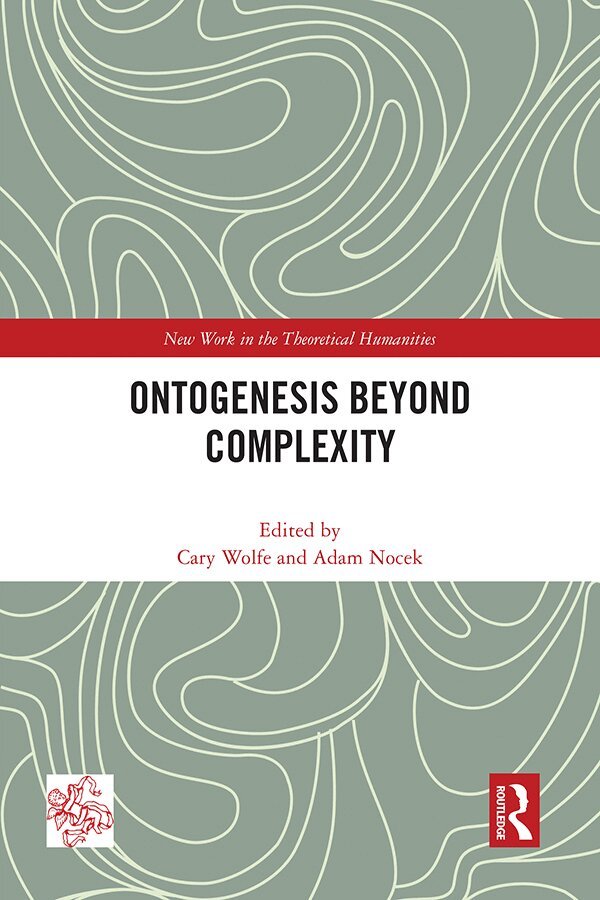
This book is based upon the collaborative efforts of the Ontogenetics Process Group (OPG) – an interdisciplinary, multi-institutional, multi-national research group that began meeting in 2017 to explore new and innovative ways of thinking the problem of complexity in living, physical, and social systems outside the algorithmic models that have dominated paradigms of complexity to date.For all the descriptive and predictive power that the complexity sciences offer (the ability to compute feedback systems, recursive networks, emergent dynamics, etc.), they also presume that the living world in all of its modalities (biological, semiotic, economic, affective, social) can be reduced to finite schema of description that delimits in advance all possible outcomes. What is proposed in this volume are conceptual architectures for the living that are not only irreducible to physico-mathematical frames of reference, but that are also as vital as the phenomena they wish to express. In short: life is more complex than complexity. What emerges from this engagement is not the ascendance of a new transcendental principle (or, what amounts to the same thing, a foundational bedrock) derived from the physico-mathematical sciences, but just the opposite: a domain in which the ontological and the epistemological domains enter a zone of strange (and unavoidable) entanglement. The chapters in this book were originally published as a special issue of Angelaki.
2 160 kr
Skickas inom 10-15 vardagar
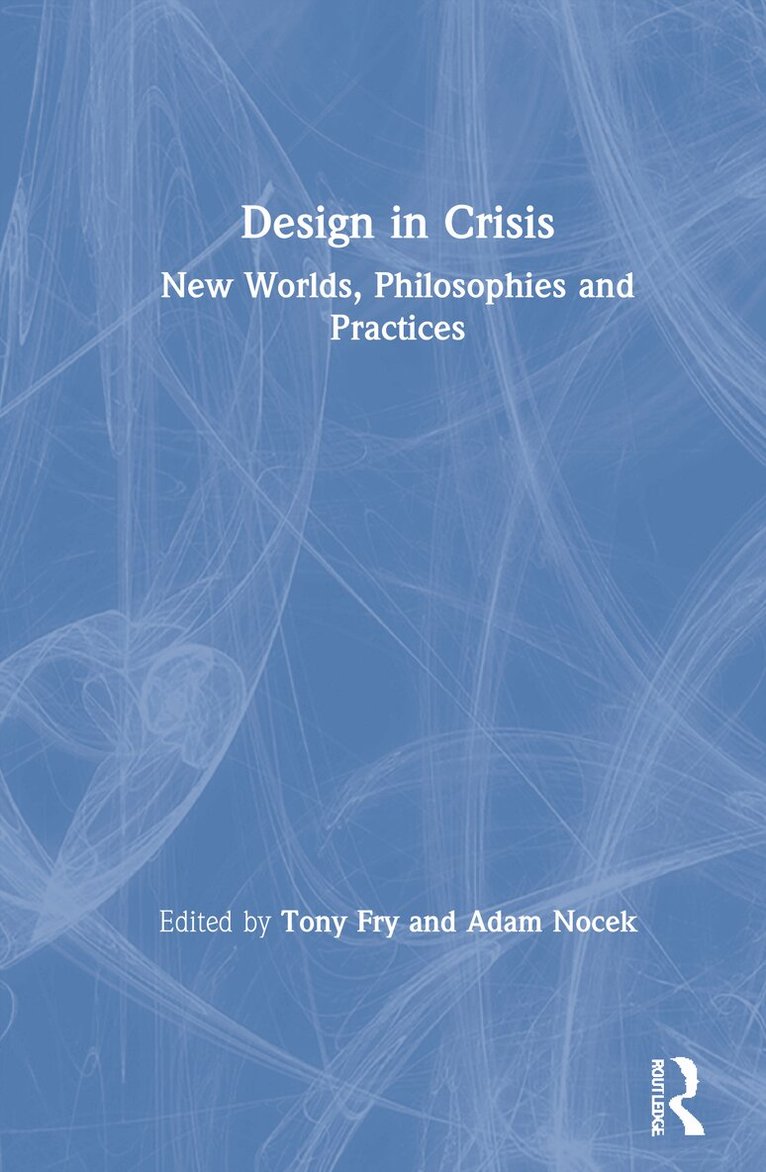
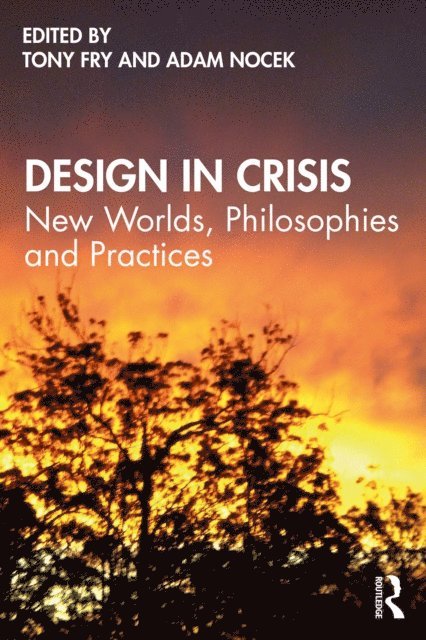
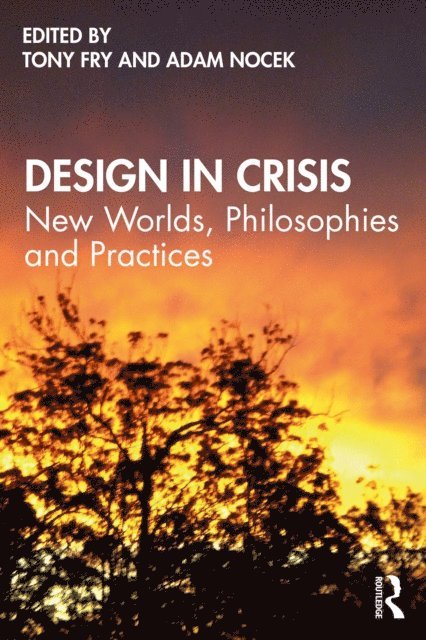
This book is an essential contribution to the transdisciplinary field of critical design studies. The essays in this collection locate design at the center of a series of interrelated planetary crises, from climate change, nuclear war, and racial and geopolitical violence to education, computational culture, and the loss of the commons. In doing so, the essays propose a range of needed interventions in order to transform design itself and its role within the shifting realities of a planetary crisis. It challenges the widely popular view that design can contribute to solving world problems by exposing how this attitude only intensifies the problems we currently face. In this way, the essays critique the dominant modes of framing the meaning and scope of design as a largely Anglo-European 'problem-solving' practice. By drawing on post-development theory, decolonial theory, black studies, continental philosophy, science and technology studies, and more, the contributions envision a critical and speculative practice that problematises both its engagement with planet and itself.The essays in this collection will appeal to design theorists and practitioners alike, but also to scholars and students generally concerned with how the past and future of design is implicated in the unfolding complexity of ecological devastation, racial and political violence, coloniality, technological futures, and the brutality of modern Western culture generally.
582 kr
Skickas inom 10-15 vardagar
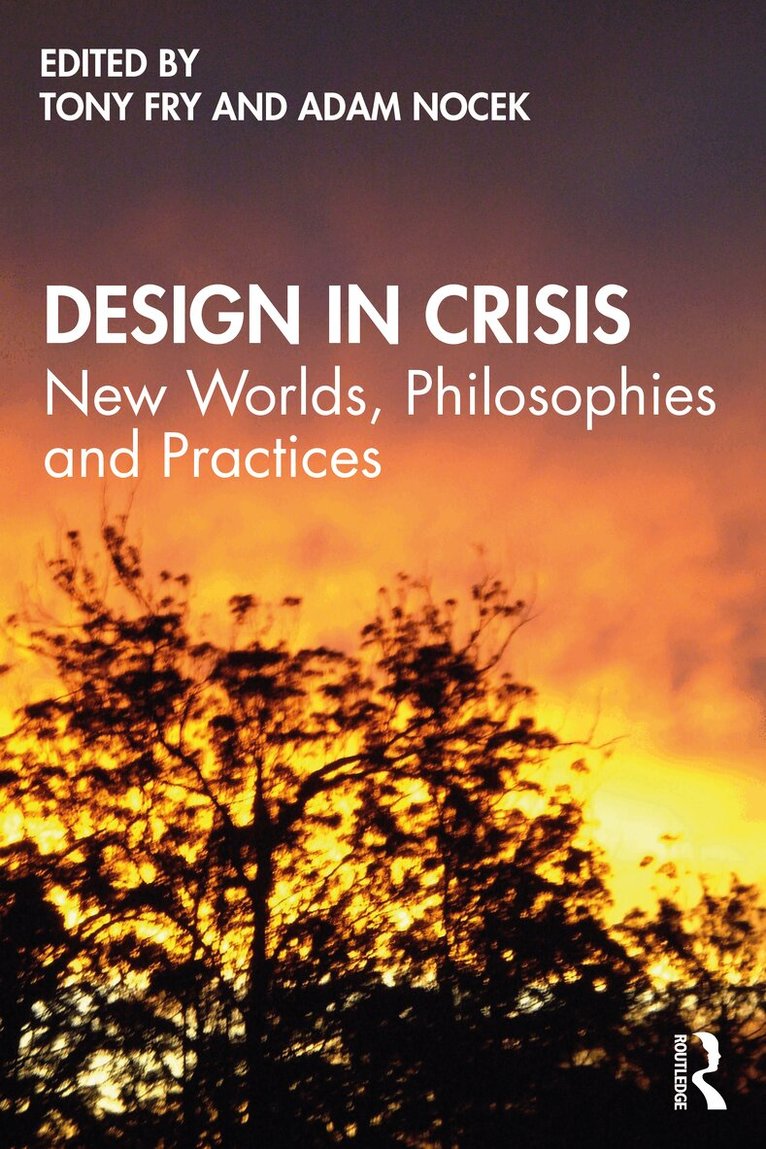
This book is an essential contribution to the transdisciplinary field of critical design studies. The essays in this collection locate design at the center of a series of interrelated planetary crises, from climate change, nuclear war, and racial and geopolitical violence to education, computational culture, and the loss of the commons. In doing so, the essays propose a range of needed interventions in order to transform design itself and its role within the shifting realities of a planetary crisis. It challenges the widely popular view that design can contribute to solving world problems by exposing how this attitude only intensifies the problems we currently face. In this way, the essays critique the dominant modes of framing the meaning and scope of design as a largely Anglo-European 'problem-solving' practice. By drawing on post-development theory, decolonial theory, black studies, continental philosophy, science and technology studies, and more, the contributions envision a critical and speculative practice that problematises both its engagement with planet and itself.The essays in this collection will appeal to design theorists and practitioners alike, but also to scholars and students generally concerned with how the past and future of design is implicated in the unfolding complexity of ecological devastation, racial and political violence, coloniality, technological futures, and the brutality of modern Western culture generally.
1 473 kr
Skickas inom 10-15 vardagar
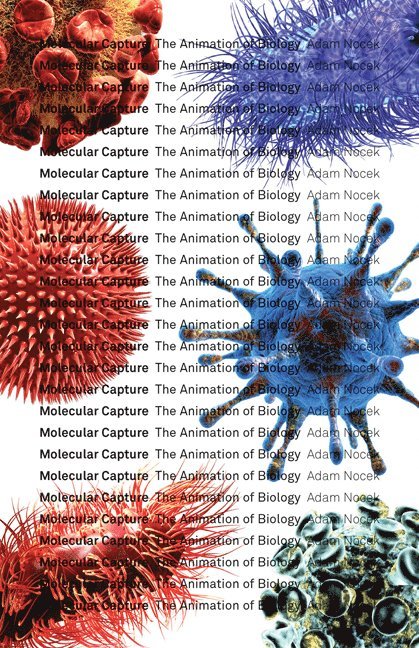
How computer animation technologies became vital visualization tools in the life sciencesWho would have thought that computer animation technologies developed in the second half of the twentieth century would become essential visualization tools in today’s biosciences? This book is the first to examine this phenomenon. Molecular Capture reveals how popular media consumption and biological knowledge production have converged in molecular animations-computer simulations of molecular and cellular processes that immerse viewers in the temporal unfolding of molecular worlds-to produce new regimes of seeing and knowing.Situating the development of this technology within an evolving field of historical, epistemological, and political negotiations, Adam Nocek argues that molecular animations not only represent a key transformation in the visual knowledge practices of life scientists but also bring into sharp focus fundamental mutations in power within neoliberal capitalism. In particular, he reveals how the convergence of the visual economies of science and entertainment in molecular animations extends neoliberal modes of governance to the perceptual practices of scientific subjects. Drawing on Alfred North Whitehead’s speculative metaphysics and Michel Foucault’s genealogy of governmentality, Nocek builds a media philosophy well equipped to examine the unique coordination of media cultures in this undertheorized form of scientific media. More specifically, he demonstrates how governmentality operates across visual practices in the biosciences and the popular mediasphere to shape a molecular animation apparatus that unites scientific knowledge and entertainment culture.Ultimately, Molecular Capture proposes that molecular animation is an achievement of governmental design. It weaves together speculative media philosophy, science and technology studies, and design theory to investigate how scientific knowledge practices are designed through media apparatuses.
364 kr
Skickas inom 7-10 vardagar
How computer animation technologies became vital visualization tools in the life sciencesWho would have thought that computer animation technologies developed in the second half of the twentieth century would become essential visualization tools in today’s biosciences? This book is the first to examine this phenomenon. Molecular Capture reveals how popular media consumption and biological knowledge production have converged in molecular animations-computer simulations of molecular and cellular processes that immerse viewers in the temporal unfolding of molecular worlds-to produce new regimes of seeing and knowing.Situating the development of this technology within an evolving field of historical, epistemological, and political negotiations, Adam Nocek argues that molecular animations not only represent a key transformation in the visual knowledge practices of life scientists but also bring into sharp focus fundamental mutations in power within neoliberal capitalism. In particular, he reveals how the convergence of the visual economies of science and entertainment in molecular animations extends neoliberal modes of governance to the perceptual practices of scientific subjects. Drawing on Alfred North Whitehead’s speculative metaphysics and Michel Foucault’s genealogy of governmentality, Nocek builds a media philosophy well equipped to examine the unique coordination of media cultures in this undertheorized form of scientific media. More specifically, he demonstrates how governmentality operates across visual practices in the biosciences and the popular mediasphere to shape a molecular animation apparatus that unites scientific knowledge and entertainment culture.Ultimately, Molecular Capture proposes that molecular animation is an achievement of governmental design. It weaves together speculative media philosophy, science and technology studies, and design theory to investigate how scientific knowledge practices are designed through media apparatuses.
Organism Is a Theory Volume 77
Giuseppe Longo on Biology, Mathematics, and AI
Inbunden, Engelska, 2026
1 308 kr
Kommande
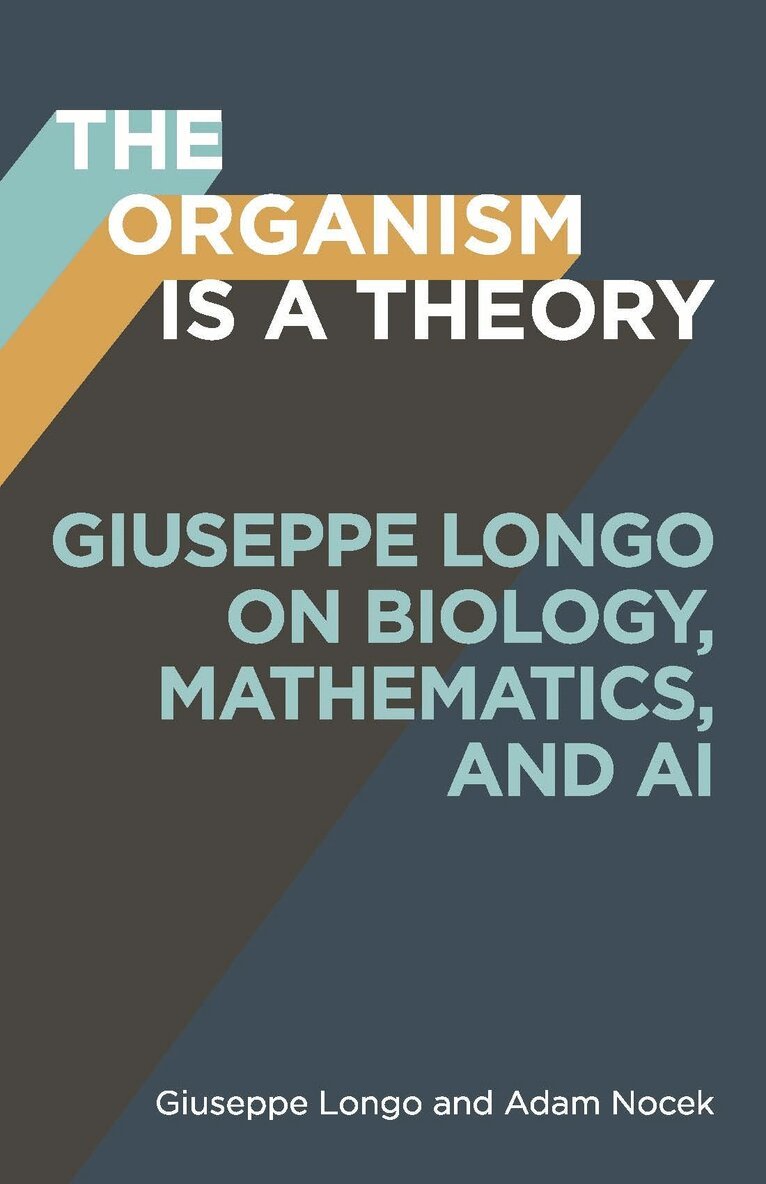
A bold reimagining of life that bridges science, philosophy, cybernetics, and the complexities of biological existence The Organism Is a Theory is an intriguing synthesis of decades of interdisciplinary research by eminent mathematician and biological scientist Giuseppe Longo. A unique collaboration between Longo and philosopher of technology Adam Nocek, the volume confronts foundational issues in the history of mathematics, computer science, physics, and theoretical biology. Challenging conventional approaches that apply computational and formalist models to the biological world, Longo reveals how the limitations of these models hinder the understanding of organismic complexity, development, and evolution. Through a critique of dominant scientific paradigms, he emphasizes the need for a new biological theory that accounts for the temporal and spatial intricacies of life. Enhanced by Nocek’s comprehensive introduction and a fascinating three-part interview with Longo, The Organism Is a Theory offers a bold rethinking of the biosciences, integrating the work of Alan Turing, Bernhard Riemann, Henri PoincarÉ, Kurt GÖdel, and others into Longo’s vision of critical biology. Bridging scientific and philosophical discourses, this book creatively applies insights from mathematics, physics, and computing into the study of the organism to present a new theoretical approach to understanding biological complexity that resists reductive mechanistic and informatic explanations. Retail e-book files for this title are screen-reader friendly with image accompanied by short alt text and/or extended description.
311 kr
Skickas inom 7-10 vardagar
A bold reimagining of life that bridges science, philosophy, cybernetics, and the complexities of biological existence The Organism Is a Theory is an intriguing synthesis of decades of interdisciplinary research by eminent mathematician and biological scientist Giuseppe Longo. A unique collaboration between Longo and philosopher of technology Adam Nocek, the volume confronts foundational issues in the history of mathematics, computer science, physics, and theoretical biology. Challenging conventional approaches that apply computational and formalist models to the biological world, Longo reveals how the limitations of these models hinder the understanding of organismic complexity, development, and evolution. Through a critique of dominant scientific paradigms, he emphasizes the need for a new biological theory that accounts for the temporal and spatial intricacies of life. Enhanced by Nocek’s comprehensive introduction and a fascinating three-part interview with Longo, The Organism Is a Theory offers a bold rethinking of the biosciences, integrating the work of Alan Turing, Bernhard Riemann, Henri PoincarÉ, Kurt GÖdel, and others into Longo’s vision of critical biology. Bridging scientific and philosophical discourses, this book creatively applies insights from mathematics, physics, and computing into the study of the organism to present a new theoretical approach to understanding biological complexity that resists reductive mechanistic and informatic explanations. Retail e-book files for this title are screen-reader friendly with image accompanied by short alt text and/or extended description.