Inbunden, Engelska, 2014
2 344 kr
Skickas inom 3-6 vardagar
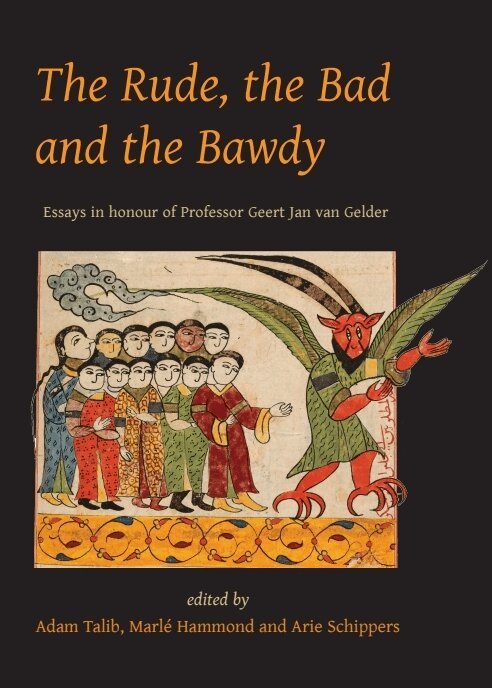
Throughout his distinguished career devoted to the study of Arabic language and literature, Geert Jan van Gelder sustained a particular interest in humour and irreverence: in mujūn, broadly understood as literary expressions of indecency, encompassing the obscene, the profane, the impudent, and the taboo. Contributors to this honorific compilation tackle this subject from a wide variety of perspectives beyond the merely prurient in studies detailing the ways in which indecency has been signified, signalled, evaluated, and preserved , and including translations and commentaries of exemplarily audacious texts. Together these chapters cover a range of interrelated and complex issues on sexuality, gender, language, and poetics from an array of perspectives and with a variety of approaches, reflecting the interests and methodologies of several generations of scholars across numerous specialisations within the field of Middle Eastern and Islamic literary studies. One intriguing area of investigation that has emerged is the question of what becomes of mujūn in the modern era and how it transforms and mutates across space, time, and genre. Many other questions arise to from the ways in which the chapters complement each other in their interrogation of boundaries, broadly construed—be they historic turning points or gradual evolutions, cultural dichotomies and fusions, the so-called gender gap, or the dividing line between the erotic and the pornographic.