Adele Nelson – författare
Visar alla böcker från författaren Adele Nelson. Handla med fri frakt och snabb leverans.
2 produkter
2 produkter
Del 5 - Studies on Latin American Art and Latinx Art
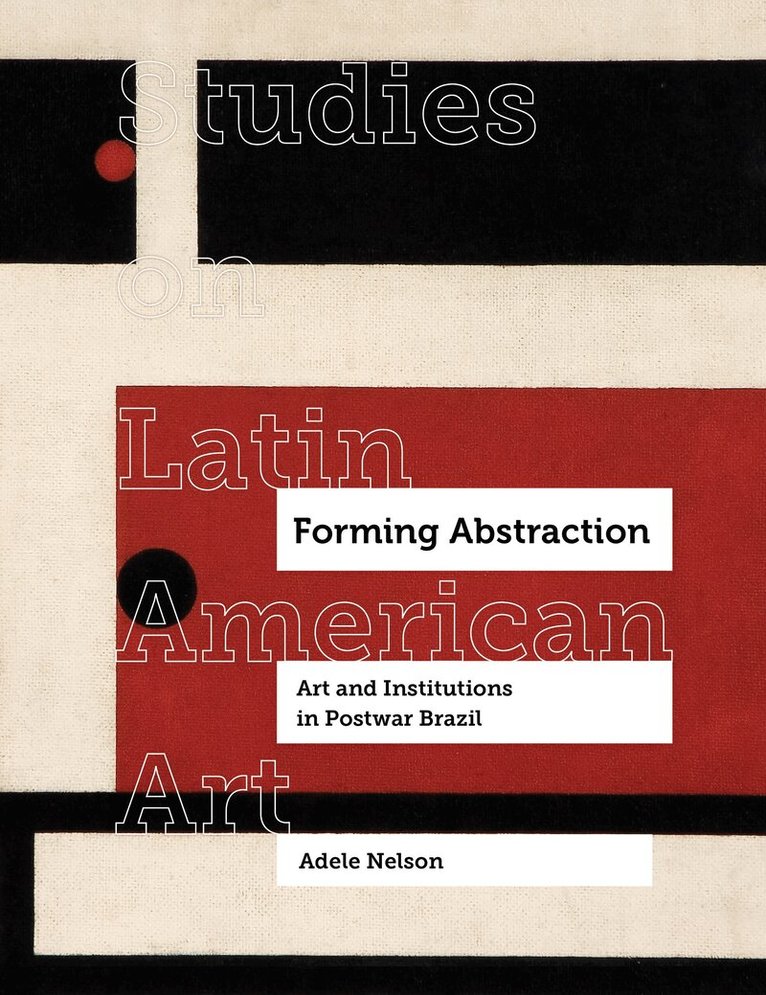
Forming Abstraction
Art and Institutions in Postwar Brazil
Inbunden, Engelska, 2022
414 kr
Skickas inom 7-10 vardagar
Art produced outside hegemonic centers is often seen as a form of derivation or relegated to a provisional status. Forming Abstraction turns this narrative on its head. In the first book-length study of postwar Brazilian art and culture, Adele Nelson highlights the importance of exhibitionary and pedagogical institutions in the development of abstract art in Brazil. By focusing on the formation of the São Paulo Biennial in 1951; the early activities of artists Geraldo de Barros, Lygia Clark, Waldemar Cordeiro, Hélio Oiticica, Lygia Pape, and Ivan Serpa; and the ideas of critics like Mário Pedrosa, Nelson illuminates the complex, strategic processes of citation and adaption of both local and international forms. The book ultimately demonstrates that Brazilian art institutions and abstract artistic groups—and their exhibitions of abstract art in particular—served as crucial loci for the articulation of societal identities in a newly democratic nation at the onset of the Cold War.
319 kr
Skickas inom 7-10 vardagar
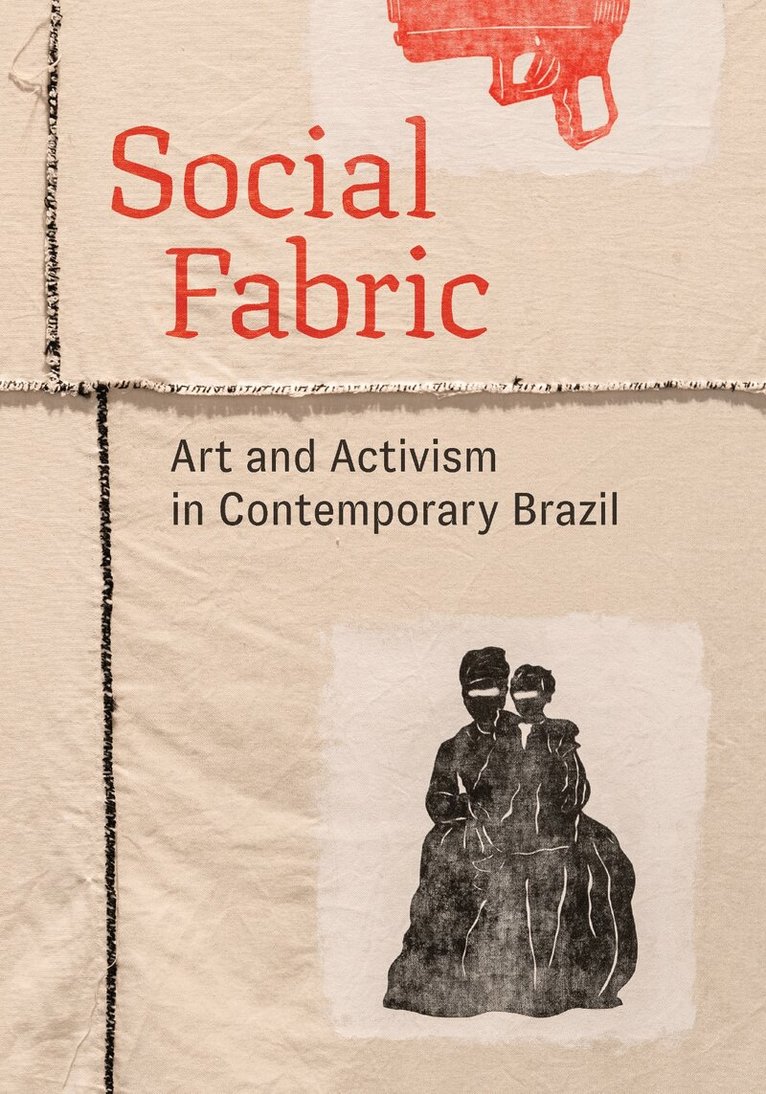
Social Fabric: Art and Activism in Contemporary Brazil brings together the work of ten artists who reflect upon the long-standing histories of oppressive power structures in the territory now known as Brazil. Blurring the line between art and activism and spanning installation, painting, performance, photography, sculpture, and video, these artists contribute to local and global conversations about the state of democracy, racial injustice, and the violence inflicted by the nation-state. This first English-language, book-length study of contemporary Brazilian art in relationship to activism assembles artist-authored texts, interviews, essays, and a conceptual mapping of Brazilian history to illuminate the function of art as a platform for critical engagement with the historical, political, and cultural configurations of a particular place. By refusing to remain neutral, these artists create spaces of vibrant and vital community and self-construction to explore how healing and justice may be possible, especially in the Black, LGBTQIA+, and Indigenous communities to which many of them belong.