Agnes Callard - Böcker
Visar alla böcker från författaren Agnes Callard. Handla med fri frakt och snabb leverans.
8 produkter
8 produkter
158 kr
Skickas inom 7-10 vardagar
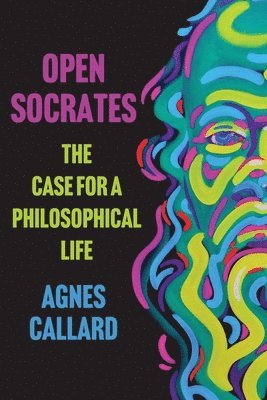
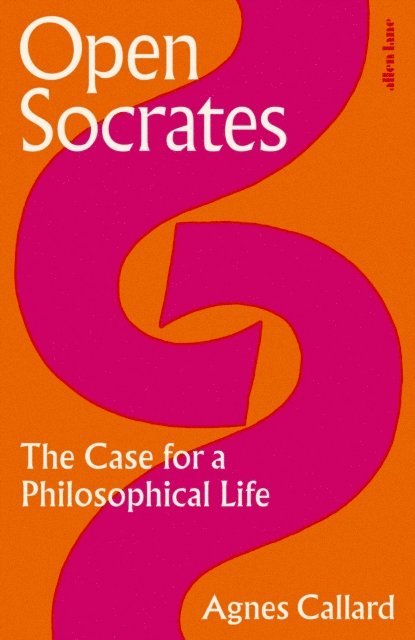
Socrates has been hiding in plain sight. We call him the father of Western philosophy, but what exactly are his philosophical views? He is famous for his humility, but readers often find him arrogant and condescending. We parrot his claim that “the unexamined life is not worth living,” yet take no steps to live examined ones. We know that he was tried, convicted, and executed for “corrupting the youth,” but freely assign Socratic dialogues to today’s youths, to introduce them to philosophy. We’ve lost sight of what made him so dangerous. In Open Socrates, acclaimed philosopher Agnes Callard recovers the radical move at the center of Socrates’ thought, and shows why it is still the way to a good life.Callard draws our attention to Socrates’ startling discovery that we don’t know how to ask ourselves the most important questions—about how we should live, and how we might change. Before a person even has a chance to reflect, their bodily desires or the forces of social conformity have already answered on their behalf. To ask the most important questions, we need help. Callard argues that the true ambition of the famous “Socratic method” is to reveal what one human being can be to another. You can use another person in many ways—for survival, for pleasure, for comfort—but you are engaging them to the fullest when you call on them to help answer your questions and challenge your answers.Callard shows that Socrates’ method allows us to make progress in thinking about how to manage romantic love, how to confront one’s own death, and how to approach politics. In the process, she gives us nothing less than a new ethics to live by.
81 kr
Skickas inom 7-10 vardagar
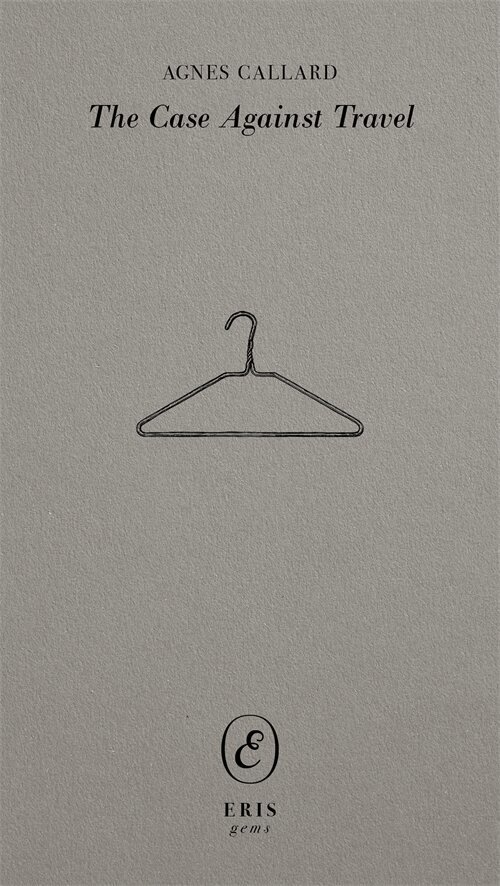
“Although people like to talk about their travels, few of us like to listen to them. Such talk resembles academic writing and reports of dreams: forms of communication driven more by the needs of the producer than the consumer.”In The Case Against Travel the philosopher Agnes Callard launches a vigorous assault on the idea that there is something transformative or ennobling about recreational travel. Going well beyond commonplace complaints about the irksomeness of tourists, Callard’s essay is a probing inquiry into what it really means to change one’s life, and into the ways in which we try to disguise the fact that life will come to an end.
148 kr
Skickas
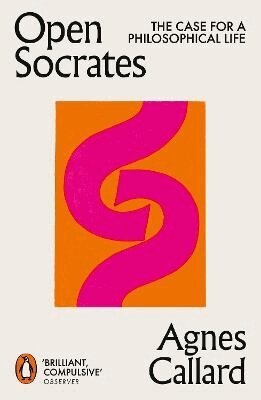
'A gem of a book, serious and clever yet funny and playful' Financial Times 'Professor of philosophy and a public intellectual for the internet age, Callard shows how Socrates can inform the way we live our lives – from romance to politics' GuardianSocrates has been hiding in plain sight. We call him the father of Western philosophy, but what exactly are his philosophical views? He is famous for his humility, but readers often find him arrogant and condescending. We parrot his claim that 'the unexamined life is not worth living,' yet take no steps to live examined ones. We know that he was tried, convicted, and executed for 'corrupting the youth,' but freely assign Socratic dialogues to today’s youths, to introduce them to philosophy. We’ve lost sight of what made him so dangerous. In Open Socrates, acclaimed philosopher Agnes Callard recovers the radical energy at the centre of Socrates’ thought and shows why it is still the way to a good life.Callard draws our attention to Socrates’ startling discovery that we don’t know how to ask ourselves the most important questions— about how we should live, and how we might change. Before a person even has a chance to reflect, their bodily desires or the forces of social conformity have already answered on their behalf. To ask the most important questions, we need help. Callard argues that the true ambition of the famous “Socratic method” is to reveal what one human being can be to another. You can use another person in many ways—for survival, for pleasure, for comfort— but you are engaging them to the fullest when you call on them to help answer your questions and challenge your answers.Here Callard shows that Socrates’ method allows us to make progress in thinking about how to manage romantic love, how to confront one’s own death, and how to approach politics. In the process, she gives us nothing less than a new ethics to live by.
363 kr
Skickas inom 5-8 vardagar
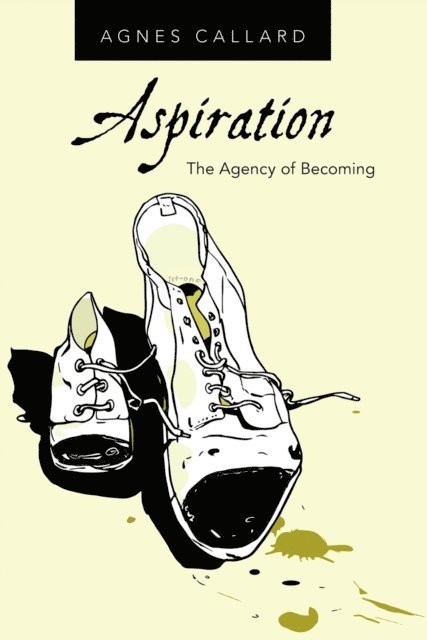
Becoming someone is a learning process; and what we learn is the new values around which, if we succeed, our lives will come to turn. Agents transform themselves in the process of, for example, becoming parents, embarking on careers, or acquiring a passion for music or politics. How can such activity be rational, if the reason for engaging in the relevant pursuit is only available to the person one will become? How is it psychologically possible to feel the attraction of a form of concern that is not yet one's own? How can the work done to arrive at the finish line be ascribed to one who doesn't (really) know what one is doing, or why one is doing it? In Aspiration, Agnes Callard asserts that these questions belong to the theory of aspiration. Aspirants are motivated by proleptic reasons, acknowledged defective versions of the reasons they expect to eventually grasp. The psychology of such a transformation is marked by intrinsic conflict between their old point of view on value and the one they are trying to acquire. They cannot adjudicate this conflict by deliberating or choosing or deciding-rather, they resolve it by working to see the world in a new way. This work has a teleological structure: by modeling oneself on the person he or she is trying to be, the aspirant brings that person into being. Because it is open to us to engage in an activity of self-creation, we are responsible for having become the kinds of people we are.
1 025 kr
Skickas inom 5-8 vardagar
Becoming someone is a learning process; and what we learn is the new values around which, if we succeed, our lives will come to turn. Agents transform themselves in the process of, for example, becoming parents, embarking on careers, or acquiring a passion for music or politics. How can such activity be rational, if the reason for engaging in the relevant pursuit is only available to the person one will become? How is it psychologically possible to feel the attraction of a form of concern that is not yet one's own? How can the work done to arrive at the finish line be ascribed to one who doesn't (really) know what one is doing, or why one is doing it? In Aspiration, Agnes Callard asserts that these questions belong to the theory of aspiration. Aspirants are motivated by proleptic reasons, acknowledged defective versions of the reasons they expect to eventually grasp. The psychology of such a transformation is marked by intrinsic conflict between their old point of view on value and the one they are trying to acquire. They cannot adjudicate this conflict by deliberating or choosing or deciding-rather, they resolve it by working to see the world in a new way. This work has a teleological structure: by modeling oneself on the person he or she is trying to be, the aspirant brings that person into being. Because it is open to us to engage in an activity of self-creation, we are responsible for having become the kinds of people we are.
258 kr
Skickas
A Book of the Year according to The Telegraph and Prospect'A gem of a book, serious and clever yet funny and playful' Financial Times 'Professor of philosophy and a public intellectual for the internet age, Callard shows how Socrates can inform the way we live our lives – from romance to politics' GuardianSocrates has been hiding in plain sight. We call him the father of Western philosophy, but what exactly are his philosophical views? He is famous for his humility, but readers often find him arrogant and condescending. We parrot his claim that 'the unexamined life is not worth living,' yet take no steps to live examined ones. We know that he was tried, convicted, and executed for 'corrupting the youth,' but freely assign Socratic dialogues to today’s youths, to introduce them to philosophy. We’ve lost sight of what made him so dangerous. In Open Socrates, acclaimed philosopher Agnes Callard recovers the radical energy at the centre of Socrates’ thought and shows why it is still the way to a good life.Callard draws our attention to Socrates’ startling discovery that we don’t know how to ask ourselves the most important questions— about how we should live, and how we might change. Before a person even has a chance to reflect, their bodily desires or the forces of social conformity have already answered on their behalf. To ask the most important questions, we need help. Callard argues that the true ambition of the famous “Socratic method” is to reveal what one human being can be to another. You can use another person in many ways—for survival, for pleasure, for comfort— but you are engaging them to the fullest when you call on them to help answer your questions and challenge your answers.Here Callard shows that Socrates’ method allows us to make progress in thinking about how to manage romantic love, how to confront one’s own death, and how to approach politics. In the process, she gives us nothing less than a new ethics to live by.
238 kr
Skickas
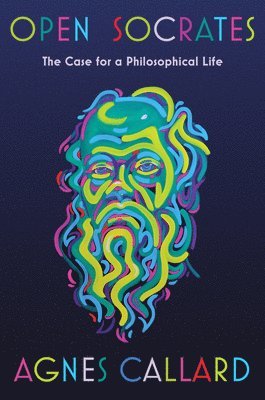
Socrates has been hiding in plain sight. We call him the father of Western philosophy, but what exactly are his philosophical views? He is famous for his humility, but readers often find him arrogant and condescending. We parrot his claim that “the unexamined life is not worth living,” yet take no steps to live examined ones. We know that he was tried, convicted, and executed for “corrupting the youth,” but freely assign Socratic dialogues to today’s youths, to introduce them to philosophy. We’ve lost sight of what made him so dangerous. In Open Socrates, acclaimed philosopher Agnes Callard recovers the radical move at the center of Socrates’ thought, and shows why it is still the way to a good life.Callard draws our attention to Socrates’ startling discovery that we don’t know how to ask ourselves the most important questions—about how we should live, and how we might change. Before a person even has a chance to reflect, their bodily desires or the forces of social conformity have already answered on their behalf. To ask the most important questions, we need help. Callard argues that the true ambition of the famous “Socratic method” is to reveal what one human being can be to another. You can use another person in many ways—for survival, for pleasure, for comfort—but you are engaging them to the fullest when you call on them to help answer your questions and challenge your answers.Callard shows that Socrates’ method allows us to make progress in thinking about how to manage romantic love, how to confront one’s own death, and how to approach politics. In the process, she gives us nothing less than a new ethics to live by.
342 kr
Skickas inom 3-6 vardagar