Agnes Lugo-Ortiz - Böcker
Visar alla böcker från författaren Agnes Lugo-Ortiz. Handla med fri frakt och snabb leverans.
5 produkter
5 produkter
3 404 kr
Skickas inom 10-15 vardagar
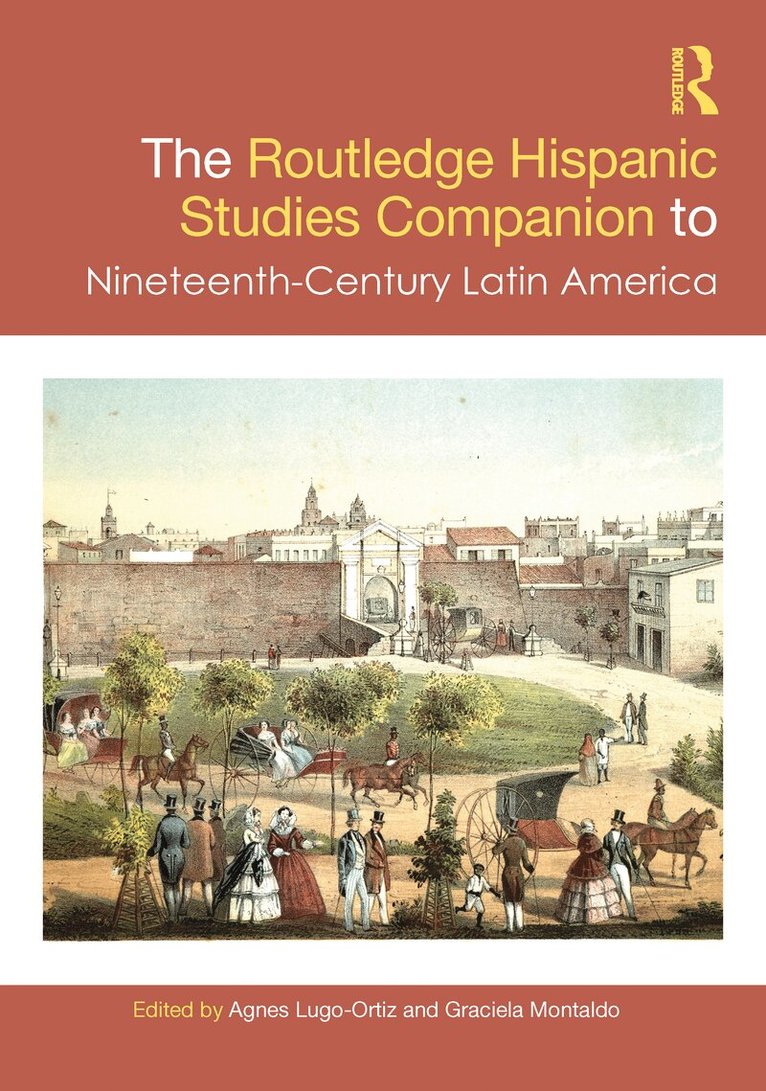
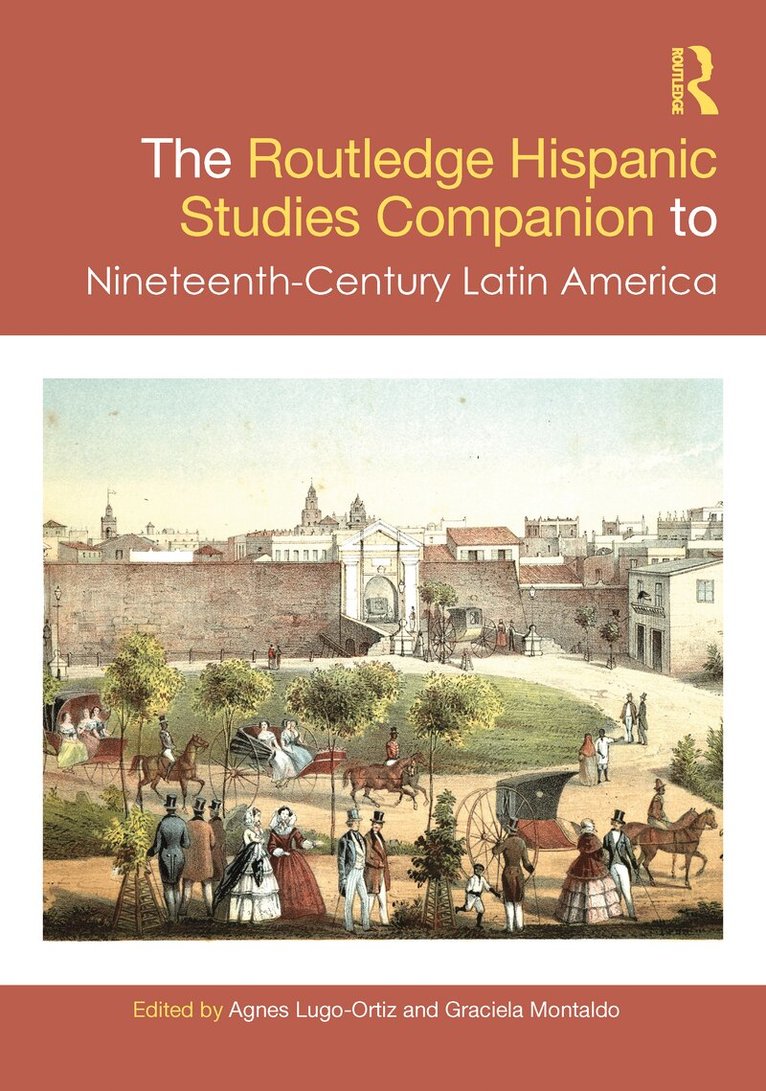
The Routledge Hispanic Studies Companion to Nineteenth-Century Latin America provides a unique, comprehensive, and critical overview of Latin American studies in the nineteenth century, including the major regions and subfields.The essays in this collection offer a complex, yet accessible transdisciplinary overview of the heterogeneous and asynchronous historical, political, and cultural processes that account for the becoming of Latin America in the nineteenth century—from Mexico and the Caribbean Basin to the Southern Cone. The thematic division of the book into six parts allows for a better understanding of the ways in which different themes are interrelated and affords readers the opportunity to draw their own connections among subfields. The volume assembles a robust sample of recent and innovative scholarship on the subject, reformulating from fresh perspectives commonly held views on the issues that characterized the era. Additionally, it provides an overarching analysis of the field and introduces cutting-edge concepts all within one expansive volume, opening the dialogue about topics that share common denominators and modeling how those topics can be approached from a variety of perspectives.The innovative volume will be of interest to students and scholars of Latin American studies and Spanish studies. Readers unfamiliar with the period will acquire a comprehensive view of its complexities, while specialists will discover new interpretations and archives.
590 kr
Skickas inom 5-8 vardagar
Trajectories of Empire extends from the beginning of the Iberian expansion of the mid-fifteenth century, through colonialism and slavery, and into the twentieth and twenty-first centuries in Latin American republics. Its point of departure is the question of empire and its aftermath, as reflected in the lives of contemporary Latin Americans of African descent, and of their ancestors caught up in the historical process of Iberian colonial expansion, colonization, and the Atlantic slave trade.The book's chapters explore what it's like to be Black today in the so-called racial democracies of Brazil, Colombia, and Cuba; the role of medical science in the objectification and nullification of Black female personhood during slavery in Brazil in the nineteenth century; the deployment of visual culture to support insurgency for a largely illiterate slave body again in the nineteenth century in Cuba; aspects of discourse that promoted the colonial project as evangelization, or alternately offered resistance to its racialized culture of dominance in the seventeenth century; and the experiences of the first generations of forced African migrants into Spain and Portugal in the fifteenth and sixteenth centuries, as the discursive template was created around their social roles as enslaved or formerly enslaved people.Trajectories of Empire's contributors come from the fields of literary criticism, visual culture, history, anthropology, popular culture (rap), and cultural studies. As the product of an interdisciplinary collective, this book will be of interest to researchers and graduate students in Iberian or Hispanic Studies, Africana Studies, Postcolonial Studies, and Transatlantic Studies, as well as the general public.
1 451 kr
Skickas inom 5-8 vardagar
Trajectories of Empire extends from the beginning of the Iberian expansion of the mid-fifteenth century, through colonialism and slavery, and into the twentieth and twenty-first centuries in Latin American republics. Its point of departure is the question of empire and its aftermath, as reflected in the lives of contemporary Latin Americans of African descent, and of their ancestors caught up in the historical process of Iberian colonial expansion, colonization, and the Atlantic slave trade.The book's chapters explore what it's like to be Black today in the so-called racial democracies of Brazil, Colombia, and Cuba; the role of medical science in the objectification and nullification of Black female personhood during slavery in Brazil in the nineteenth century; the deployment of visual culture to support insurgency for a largely illiterate slave body again in the nineteenth century in Cuba; aspects of discourse that promoted the colonial project as evangelization, or alternately offered resistance to its racialized culture of dominance in the seventeenth century; and the experiences of the first generations of forced African migrants into Spain and Portugal in the fifteenth and sixteenth centuries, as the discursive template was created around their social roles as enslaved or formerly enslaved people. Trajectories of Empire's contributors come from the fields of literary criticism, visual culture, history, anthropology, popular culture (rap), and cultural studies. As the product of an interdisciplinary collective, this book will be of interest to researchers and graduate students in Iberian or Hispanic Studies, Africana Studies, Postcolonial Studies, and Transatlantic Studies, as well as the general public.
1 702 kr
Skickas inom 7-10 vardagar
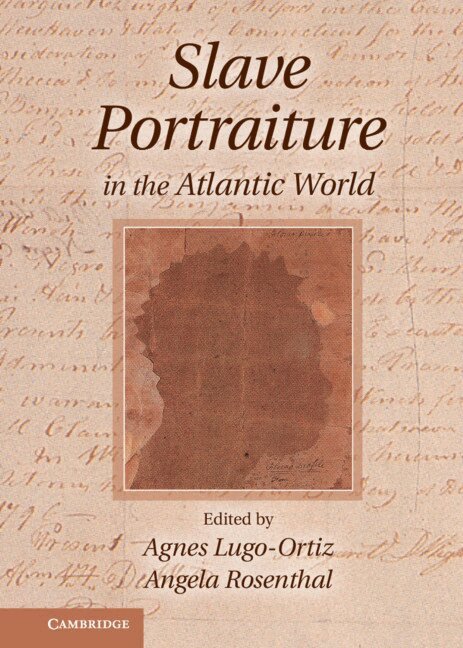
Slave Portraiture in the Atlantic World is the first book to focus on the individualized portrayal of enslaved people from the time of Europe's full engagement with plantation slavery in the late sixteenth century to its final official abolition in Brazil in 1888. While this period saw the emergence of portraiture as a major field of representation in Western art, 'slave' and 'portraiture' as categories appear to be mutually exclusive. On the one hand, the logic of chattel slavery sought to render the slave's body as an instrument for production, as the site of a non-subject. Portraiture, on the contrary, privileged the face as the primary visual matrix for the representation of a distinct individuality. Essays address this apparent paradox of 'slave portraits' from a variety of interdisciplinary perspectives, probing the historical conditions that made the creation of such rare and enigmatic objects possible and exploring their implications for a more complex understanding of power relations under slavery.
550 kr
Skickas inom 7-10 vardagar
Slave Portraiture in the Atlantic World is the first book to focus on the individualized portrayal of enslaved people from the time of Europe's full engagement with plantation slavery in the late sixteenth century to its final official abolition in Brazil in 1888. While this period saw the emergence of portraiture as a major field of representation in Western art, 'slave' and 'portraiture' as categories appear to be mutually exclusive. On the one hand, the logic of chattel slavery sought to render the slave's body as an instrument for production, as the site of a non-subject. Portraiture, on the contrary, privileged the face as the primary visual matrix for the representation of a distinct individuality. Essays address this apparent paradox of 'slave portraits' from a variety of interdisciplinary perspectives, probing the historical conditions that made the creation of such rare and enigmatic objects possible and exploring their implications for a more complex understanding of power relations under slavery.