Agneta Fischer - Böcker
Visar alla böcker från författaren Agneta Fischer. Handla med fri frakt och snabb leverans.
4 produkter
4 produkter
643 kr
Skickas inom 7-10 vardagar
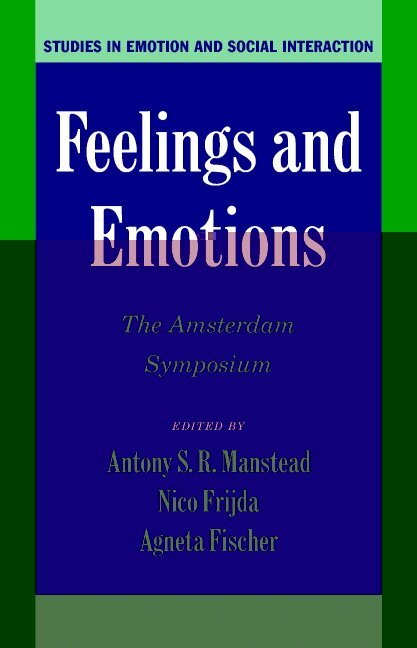
Emotions are central to human behavior and experience. Yet scientific theory and research ignored emotions during most of the twentieth century. This situation changed dramatically during the last 30 years of that century, which witnessed an upsurge of interest in emotions in a number of disciplines. This book arises from the 24 keynote papers presented at a symposium held in June 2001 that had the same title as this volume. The aim of that meeting was to review the state of research on emotions from a multidisciplinary perspective. Each chapter is authored by an acknowledged authority in the field. Together they provide an overview of what is being studied and thought about emotions, in disciplines ranging from neurophysiology and experimental psychology to sociology and philosophy.
1 606 kr
Skickas inom 7-10 vardagar
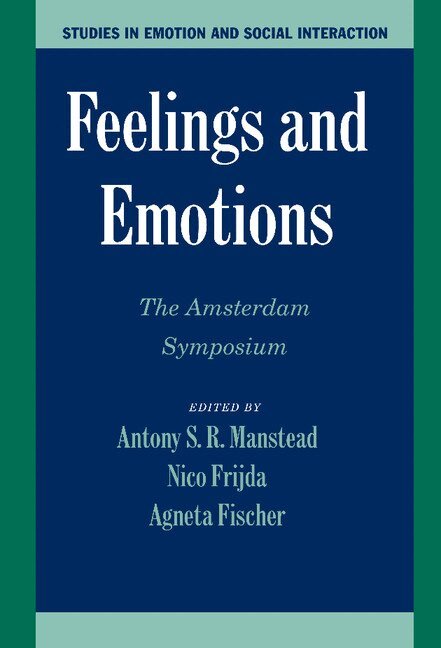
Emotions are central to human behavior and experience. Yet scientific theory and research ignored emotions during most of the twentieth century. This situation changed dramatically during the last 30 years of that century, which witnessed an upsurge of interest in emotions in a number of disciplines. This book arises from the 24 keynote papers presented at a symposium held in June 2001 that had the same title as this volume. The aim of that meeting was to review the state of research on emotions from a multidisciplinary perspective. Each chapter is authored by an acknowledged authority in the field. Together they provide an overview of what is being studied and thought about emotions, in disciplines ranging from neurophysiology and experimental psychology to sociology and philosophy.
733 kr
Skickas inom 10-15 vardagar
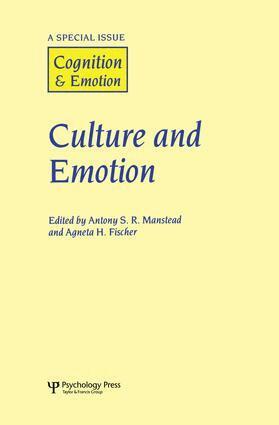
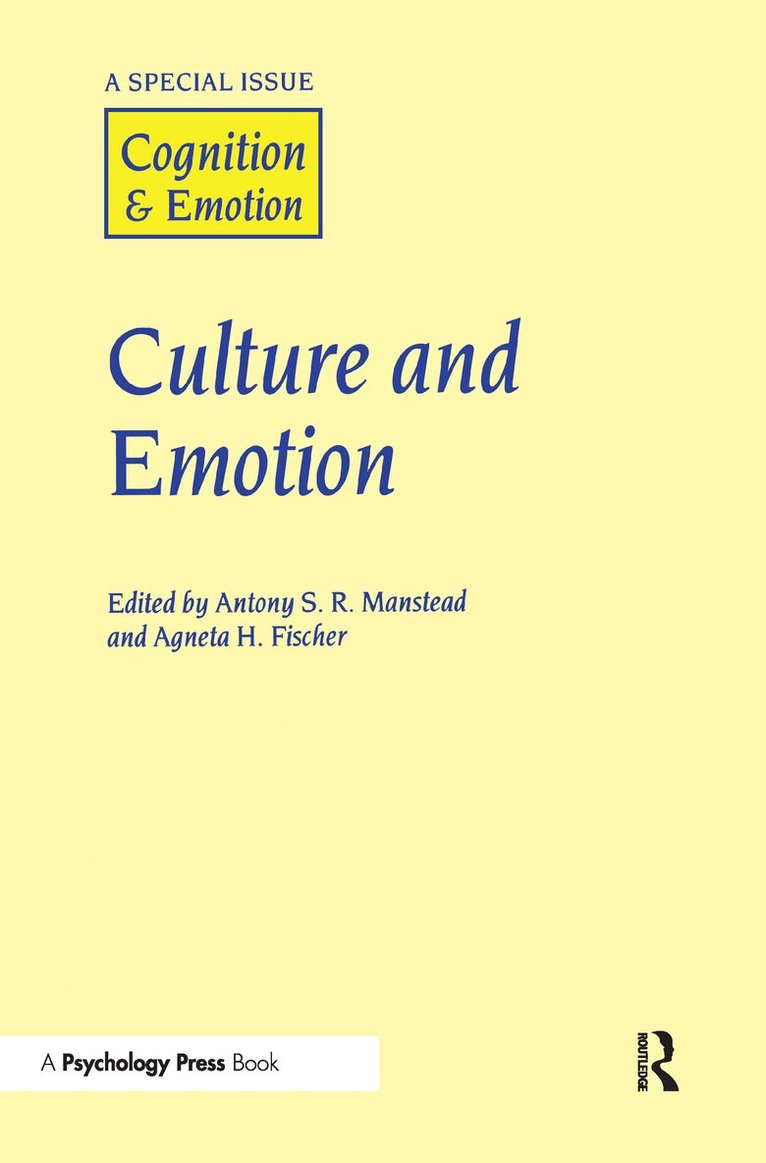
For the past three decades theorizing and research on the relationship between culture and emotion has tended to concentrate on the seemingly straightforward issue of whether or not emotions are universal. This was reflected in a dispute in which it seemed only possible to choose between the two extremes, namely a cultural-relativist point of view or a universalist point of view. However, recent empirical evidence concerning cultural variation in emotion has expanded and is generally consistent with the view that an extreme position in this controversy is untenable. Currently, there is abundant research trying to gain insight into the subtleties of cultural effects, rather than in the 'yes' or 'no' issue.The papers selected for inclusion in this special issue on culture and emotion bear witness in their different ways to a new awareness of the need to approach the issue of the relation between culture and emotion in a way that goes beyond the universalism-relativism debate. One issue that is attracting increased research attention is the role of emotion language in emotion research. Three papers included here address the issue of language. A second theme concerns the distinction between individualism and collectivism and related cultural dimensions such as honour, and its implication for the experience and expression of emotions. Three papers address the effects of this cultural dimension; one is on crying, another on well-being and positive feelings, and a third on anger-related emotions. Finally, a last theme that is considered in this special issue is the way in which emotions are expressed in inter-racial interactions.
2 053 kr
Skickas inom 10-15 vardagar
For the past three decades theorizing and research on the relationship between culture and emotion has tended to concentrate on the seemingly straightforward issue of whether or not emotions are universal. This was reflected in a dispute in which it seemed only possible to choose between the two extremes, namely a cultural-relativist point of view or a universalist point of view. However, recent empirical evidence concerning cultural variation in emotion has expanded and is generally consistent with the view that an extreme position in this controversy is untenable. Currently, there is abundant research trying to gain insight into the subtleties of cultural effects, rather than in the 'yes' or 'no' issue.The papers selected for inclusion in this special issue on culture and emotion bear witness in their different ways to a new awareness of the need to approach the issue of the relation between culture and emotion in a way that goes beyond the universalism-relativism debate. One issue that is attracting increased research attention is the role of emotion language in emotion research. Three papers included here address the issue of language. A second theme concerns the distinction between individualism and collectivism and related cultural dimensions such as honour, and its implication for the experience and expression of emotions. Three papers address the effects of this cultural dimension; one is on crying, another on well-being and positive feelings, and a third on anger-related emotions. Finally, a last theme that is considered in this special issue is the way in which emotions are expressed in inter-racial interactions.