Agnieszka Helman-Ważny - Böcker
Visar alla böcker från författaren Agnieszka Helman-Ważny. Handla med fri frakt och snabb leverans.
4 produkter
4 produkter
2 221 kr
Skickas inom 5-8 vardagar
The present volume offers a dozen studies of manuscripts of the Tibetan Bon and Naxi Dongba traditions across time and space. While some of the contributions focus on particular features of manuscripts from either tradition, others explicitly bridge the two by considering common codicological and material aspects of selected examples or common themes in the content of the texts. This is the first primarily object-based study to deal with the cultural history and technology of books from the two traditions. It discusses collections of Bon and Naxi manuscripts, the concepts and history of both traditions, the science and technology of book studies as it relates to these collections, the relationship between text and image, writing materials, and the historical and archaeological context of the manuscripts’ places of origin. The authors are specialists in different fields including philology, anthropology, art history, codicology and archaeometry. The contributions shed light on trade routes, materials and technologies as well as on reading practices and ritual usage of Bon and Naxi manuscripts.
1 517 kr
Skickas inom 7-10 vardagar
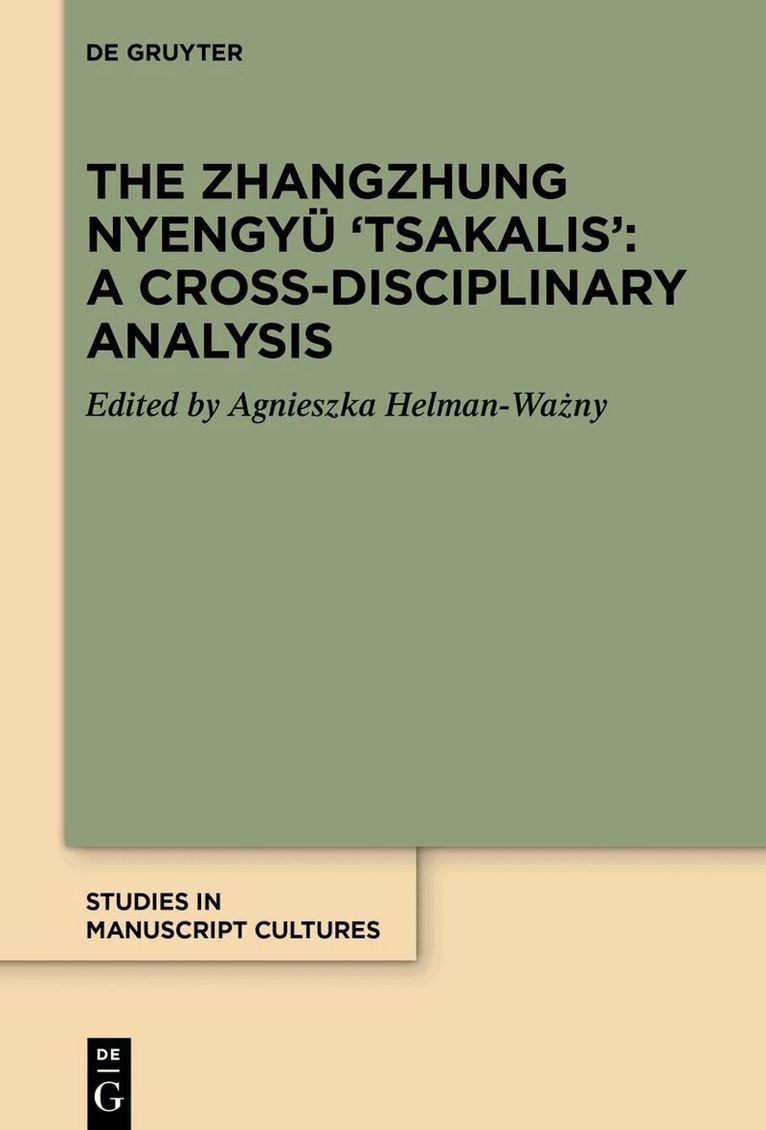
This volume traces the history of a set of Tibetan tsakalis, consisting of sixty-five initiation cards that survived the mass destruction of the Chinese Cultural Revolution. The set was eventually brought to Europe, the details of its origins having been lost. These tsakalis belong to the material culture of the Zhangzhung Nyengyü tradition, part of the Dzogchen practice common to both the Bon religion as well as certain schools of Buddhism. Used as a tool for transmitting knowledge from master to student, the cards document the transmission lineage of the Zhangzhung Nyengyü teachings. The contributions to this volume each study the same object, but with different methodological approaches and tools to reveal its many facets. The authors are specialists in a range of fields including anthropology, art history, codicology, heritage science, artificial intelligence and archaeometry. This holistic research approach places the material object front and centre, exploring the creative process that transformed it from concept to artefact, then connecting the object with the rituals and people who used it to reconstruct a full account of its production, use and preservation.
2 223 kr
Skickas inom 5-8 vardagar
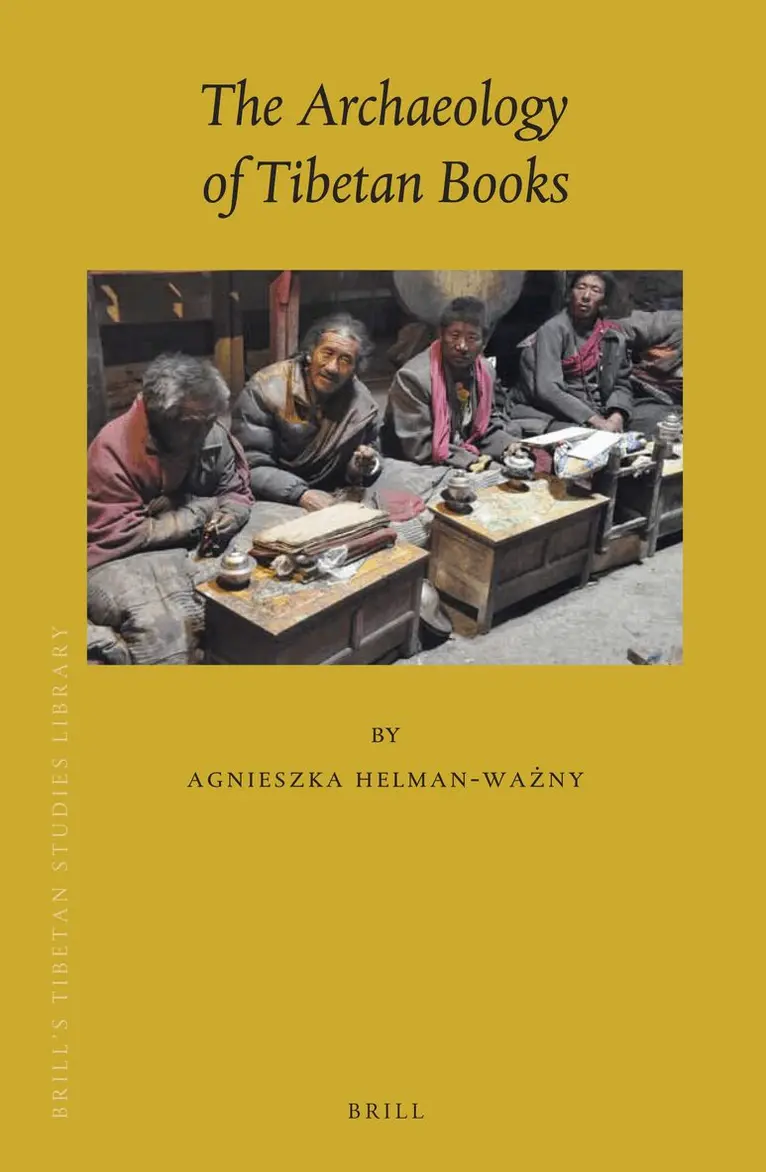
In Archaeology of Tibetan Books, Agnieszka Helman-Ważny explores the varieties of artistic expression, materials, and tools that have shaped Tibetan books over the millennia. Digging into the history of the bookmaking craft, the author approaches these ancient texts primarily through the lens of their artistry, while simultaneously showing them as physical objects embedded in pragmatic, economic, and social frameworks. She provides analyses of several significant Tibetan books—which usually carry Buddhist teachings—including a selection of manuscripts from Dunhuang from the 1st millennium C.E., examples of illuminated manuscripts from Western and Central Tibet dating from the 15th century, and fragments of printed Tibetan Kanjurs from as early as 1410. This detailed study of bookmaking sheds new light on the books' philosophical meanings.
Del 48 - Brill's Tibetan Studies Library
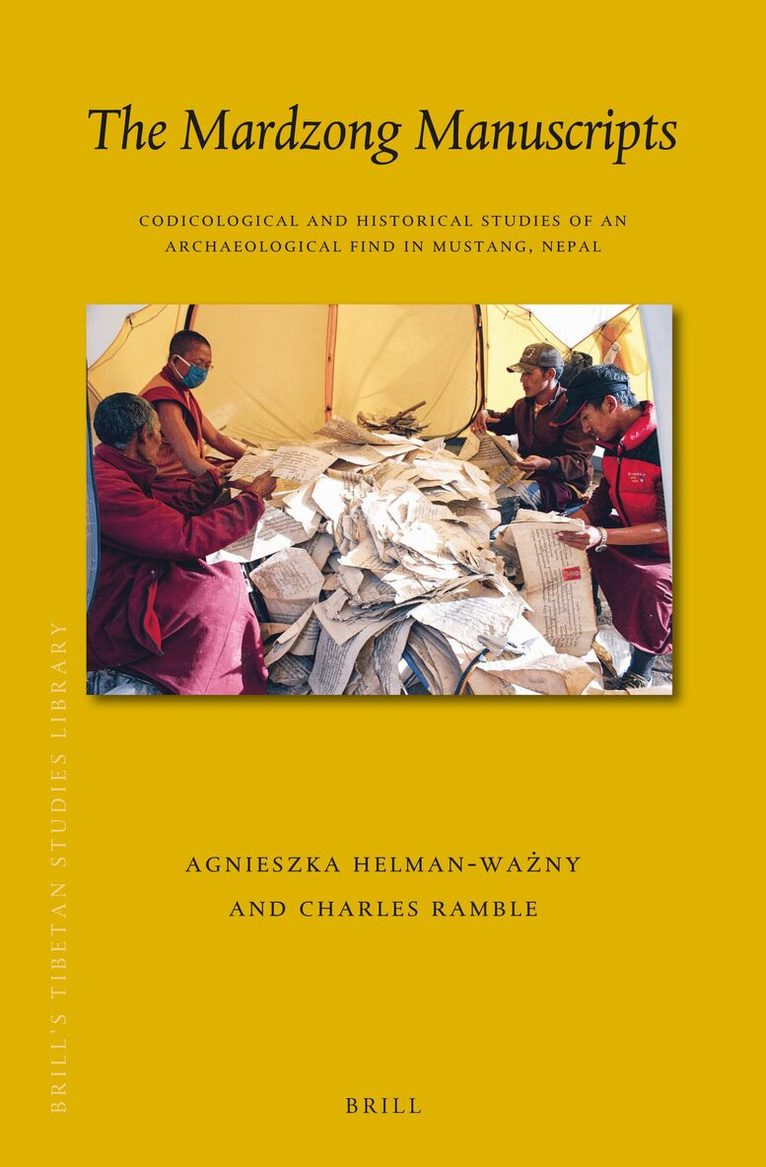
Mardzong Manuscripts
Codicological and Historical Studies of an Archaeological Find in Mustang, Nepal
Inbunden, Engelska, 2020
2 228 kr
Skickas inom 5-8 vardagar
In 2008, an international team of climbers discovered a large collection of Tibetan manuscripts in a cave complex called Mardzong, in Nepal’s remote Mustang district. The following year, the entire cache—over five thousand folios from some sixty different works of the Buddhist and Bön religions, some more than seven centuries old—were removed to the safe keeping of a monastery, where they were later examined by experts from different disciplines. This book is the result of their findings. The authors present what they have been able to discover about the content of these manuscripts, their age, the materials with which they were made, the patrons who commissioned them and the scribes and artists who created them.Contributors include: Agnieszka Helman-Ważny, Charles Ramble, Nyima Drandul Gurung, Naljor Tsering, Sarah Skumanov, Emilie Arnaud-Nguyen and Bazhen Zeren