Akanmu G. Adebayo - Böcker
Visar alla böcker från författaren Akanmu G. Adebayo. Handla med fri frakt och snabb leverans.
8 produkter
8 produkter
1 476 kr
Skickas inom 10-15 vardagar
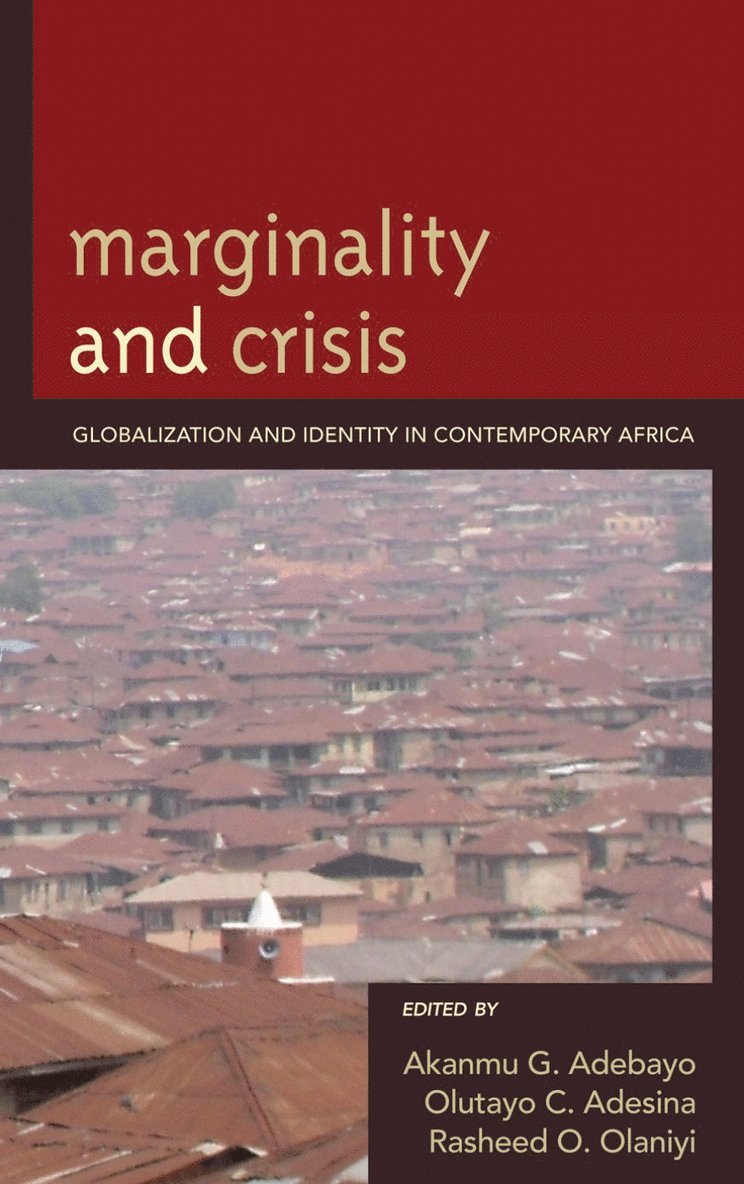
Marginality and Crisis: Globalization and Identity in Contemporary Africa extends the scope and understanding of the effects of globalization and its forces on Africa. With each chapter written by specialists who recognize that the future of Africa is entwined with that of the rest of the world, this volume explains with fresh vigor the new thinking on the historical specificity, value, opportunity, and shortcomings of globalization for a continent many regard as marginalized and in crisis. In the face of much pessimism, several questions have engaged the attention of this young generation of African scholars: Where is Africa in relation to globalization? Where are the things that make Africa Africa (such as economy, politics, culture, identity, and human relations) headed? Are Africa's communities helpless against global forces or empowered by new avenues of access? How do scholars and policymakers engage the problems of globalization vis-à-vis Africa's ethnic, linguistic, and other identities? What are the economic and political trajectories in various countries and localities? An invaluable source for scholars, students, and the general reader, the essays in this book have confidently and clearly explored and explained the crises that have engulfed the continent in the age of globalization. Unlike other works that have dwelt only on the continent's victimhood, this volume identifies key areas in which Africa can become more proactive and outward-looking in response to the forces and values that take the globe as their reference points.
1 619 kr
Skickas inom 10-15 vardagar
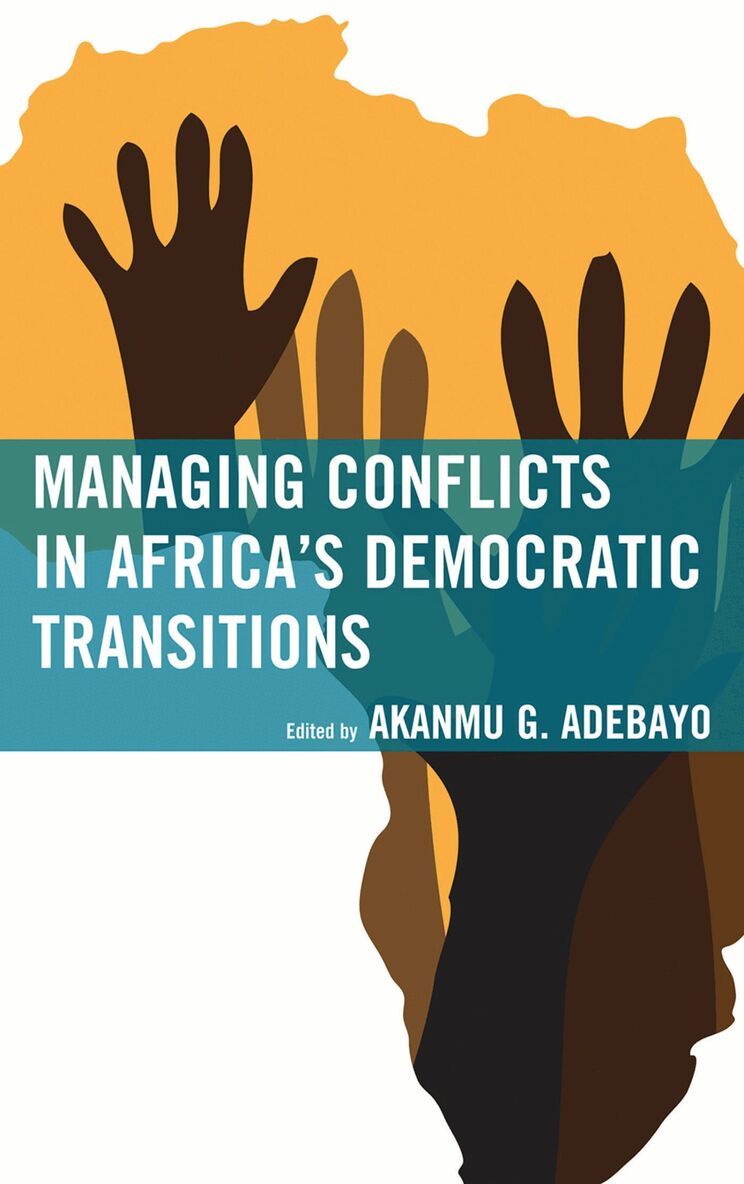
The democratization process which bolstered a culture of periodic elections has also fostered election-related violent conflicts. As democratic transitions gained currency in the new millennium, orderly transitions through the ballot boxes began replacing military coups but deaths and destructions came in the wake of elections in many countries. Inspired by decades-long pro-democracy movements across Africa that culminated in the Arab Spring of 2010-2011, and motivated by the desire to find long-term solutions to election-related violent conflicts in the continent, this book explores the terrain of democratization, elections, and conflict management. It raises and answers many questions, such as: What are the root causes of election-related conflicts? How free, fair, and credible are elections in many African countries? What institutional mechanisms are available for ballot and voter security and for mandate protection? What has been the role of civil society organizations in conflict prevention and management? What are the responsibilities of the international community, especially regional organizations like the Economic Community of West African States (ECOWAS) and the African Union (AU), in conflict resolution? What indigenous mechanisms for conflict management have been identified that may be proactively engaged?
742 kr
Skickas inom 10-15 vardagar
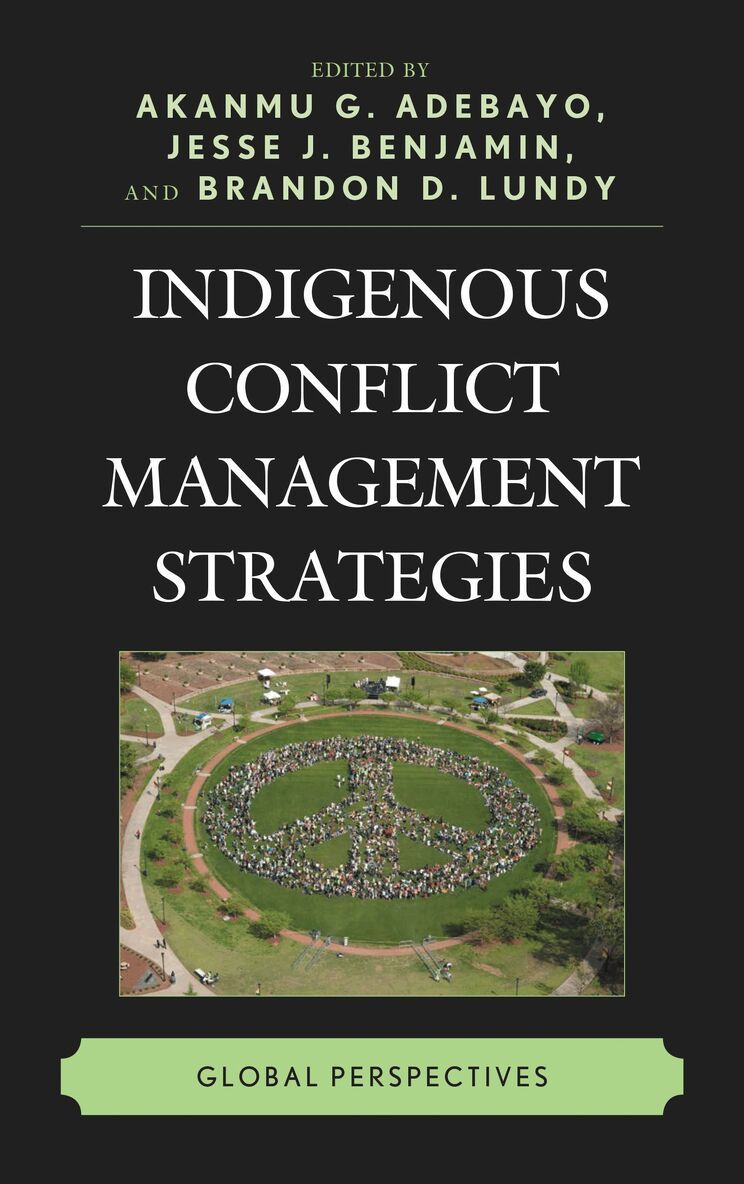
We know that since the end of the Cold War, conflicts in non-Western countries have been frequent, frequently violent, largely intra-state, and protracted. But what do we know about conflict management and resolution strategies in these societies? Have the dominant Western approaches been transplantable, suitable, effective, durable, and sustainable? Would conflicts in non-Western societies be better handled by the adaptation and adoption of customary, traditional, or localized mechanisms of mitigation? These and similar questions have engaged the attention of scholars and policy-makers. Indigenous Conflict Management Strategies: Global Perspectives is offered as a global compendium on indigenous conflict management strategies. It presents diverse perspectives on the subject. Fully aware of the tendency in the literature to over-generalize, over-romanticize, and over-criticize the localized and customary mechanisms, the book takes a slightly different approach. It presents a variety of traditional conflict management approaches as well as several cases of the successful integration of the indigenous and Western strategies in the contemporary period. The main features, strengths, challenges, and weaknesses of a multitude of indigenous systems are also presented.
1 476 kr
Skickas inom 10-15 vardagar
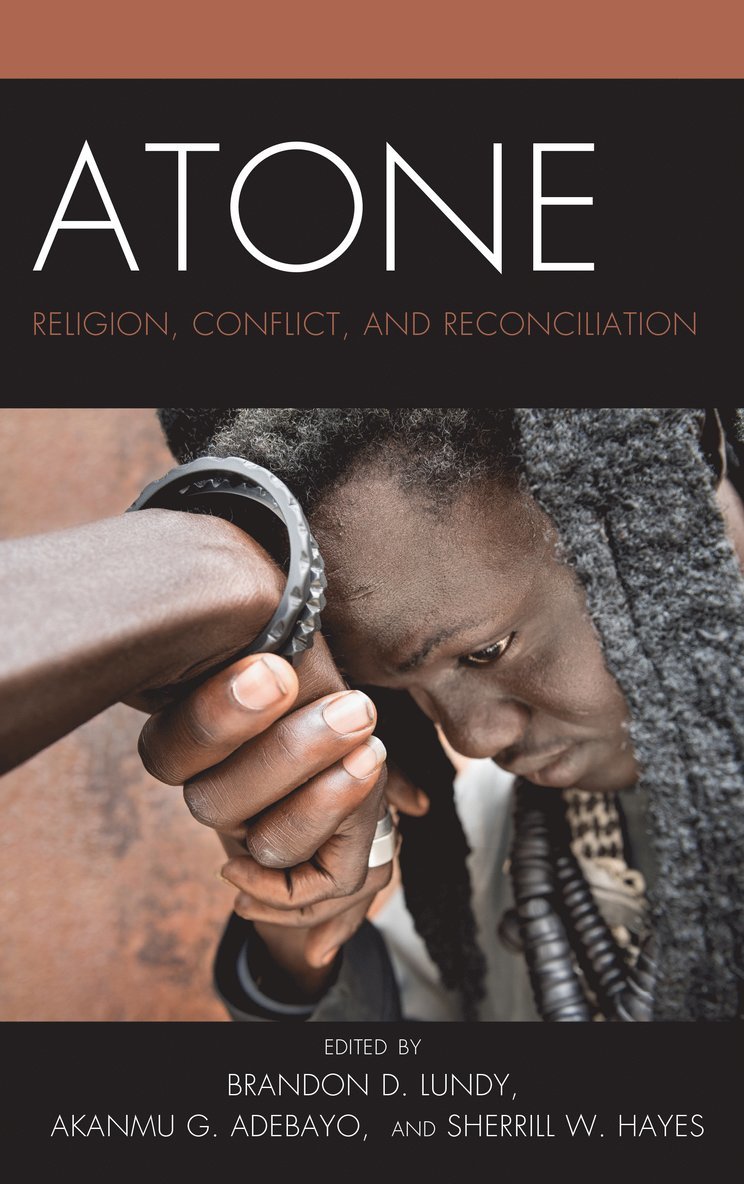
The relationship between religion and conflict has generated considerable academic and political debate. Although the majority of religions and spiritual traditions are replete with wisdom that propagates a broader unity among human beings, these same examples have been used to legitimize hatred and fear. While some studies claim that religion facilitates peacebuilding, reconciliation, and healing, others argue that religion exacerbates hostility, instigates vengeance-seeking behaviors, and heightens conflict. But religion does not act by itself, human beings are responsible for acts of peace or conflict, of division or reconciliation, in the name of religion. This book addresses these rather complex issues from the perspective of reconciliation, or atonement, to advance both the frontiers of knowledge and the global search for alternative paths to peace. The contributions in the volume focus in three areas: (1) Reconciling Religious Conflicts, (2) Reconciling Conflict through Religion, and (3) Religious Reconciliations. In each of these sections scholars, practitioners, and religious leaders address specific examples that highlight the complex intersections of religious practices with global conflict and reconciliation efforts. This informative and provocative book is relevant for students and faculty in peace and conflict studies, religious studies, humanities, social sciences, and provides insights useful to practitioners and professionals working in peacebuilding and international development seeking to promote effective resolution and reconciliation efforts.
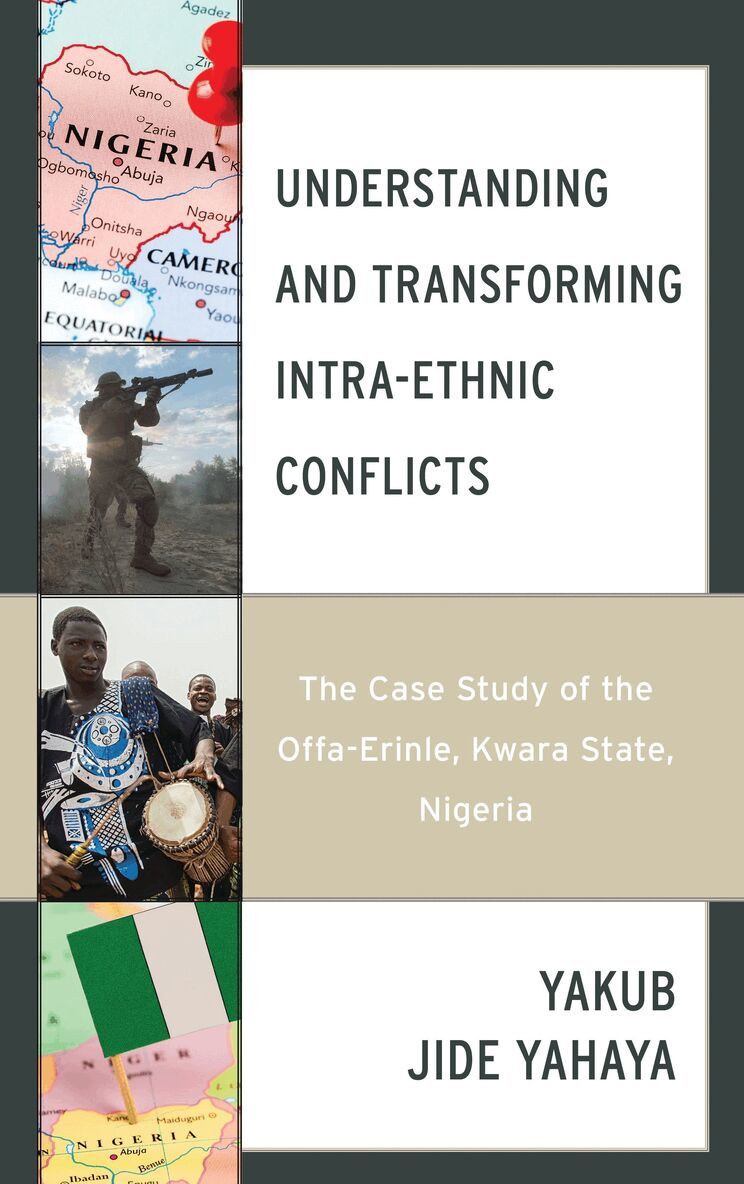
Understanding and Transforming Intra-Ethnic Conflicts
The Case Study of the Offa-Erinle, Kwara State, Nigeria
Inbunden, Engelska, 2025
1 036 kr
Skickas inom 10-15 vardagar
The plight of citizens being victims of violence, politicking, power tussle, inconsistent government policies, and approaches to resolving the protracted conflict between Offa and Erinle (also known as Erin-Ile) from independence to now defines and explains the intractability between these two groups. Understanding Protraction and the Intractability of Conflicts: The Case of Offa and Erinle, Kwara State, Nigeria, by Yakub Jide Yahaya, examines a sensitive and problematic socio-cultural aspect of intra-ethnic conflicts where two promising communities have ignored trade development and urbanization and settled for pettiness and violence. The book searches into the unique area of intra-ethnic conflicts while providing a background for understanding this conflict, highlighting the nuances ignored in the discussion. Above all, it highlights the underlying issues called 'land conflict' across Nigeria and Africa.
1 448 kr
Kommande
Rising sectarian tensions, deepening poverty, and growing unemployment have been intertwined and compounded with the COVID-19 pandemic and corruption, to create a conducive environment for instability in Lebanon. Drawing on a survey-based research design, Isaac E. Andakian tests hopes and fears, social dominance orientation, and levels of social cohesion among various sectarian groups to gauge their responses to crises. Lebanon's Year of Crisis (2019-2020): Unity in Adversity explores how shared experiences of four great shocks—the 2019 financial crisis, the October 2019 uprising, the COVID-19 pandemic, and the Beirut Port Explosion of August 4, 2020— shape respondents' sectarian, political, and demographic identities. Andakian looks to the future to assess whether conflict, or even the resumption of civil war, stemming from Hezbollah's constant threats to use its military capabilities domestically, can be anticipated.
1 488 kr
Kommande
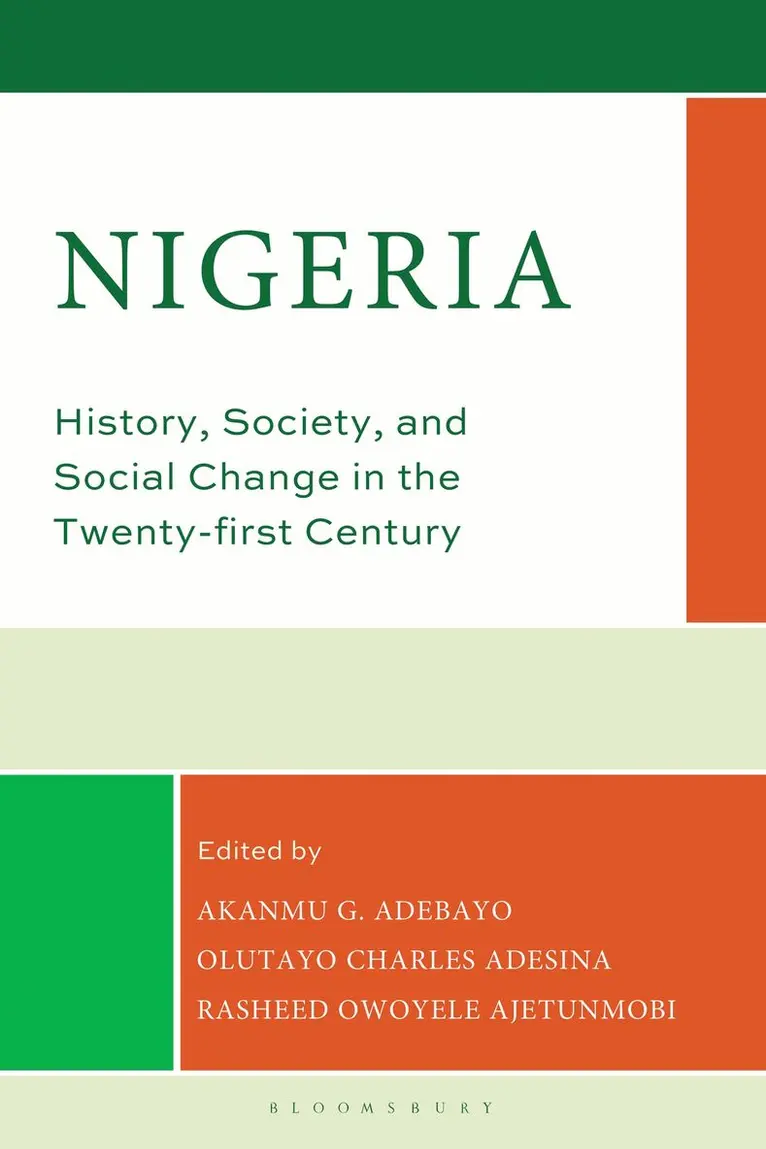
Nigeria: History, Society, and Social Change in the Twenty-first Century explores the history of Nigeria from multiple perspectives. It offers a comprehensive analysis and interpretation of social change in the country before and since independence in 1960. Nigeria has undergone numerous changes: from colonialism to independence; from civilian to military governments and back to civilian rule of the Fourth Republic; from the adoption of a regional constitution in 1946, a federal constitution in 1954, and a Presidential Constitution in 1979. The book gives visibility to women, women’s organizations, and other until now voiceless minorities. What factors promoted social change? Who were/are prime movers for social change? How did powerful politicians, business interests, religious leaders, and the traditional and social media contribute to promoting or resisting social change? Of interest is the minority constitution proposed in 1976 which provided an alternative future for Nigeria. What would Nigeria’s sociopolitical and economic future had been if this constitutional change had been made in the 1970s?
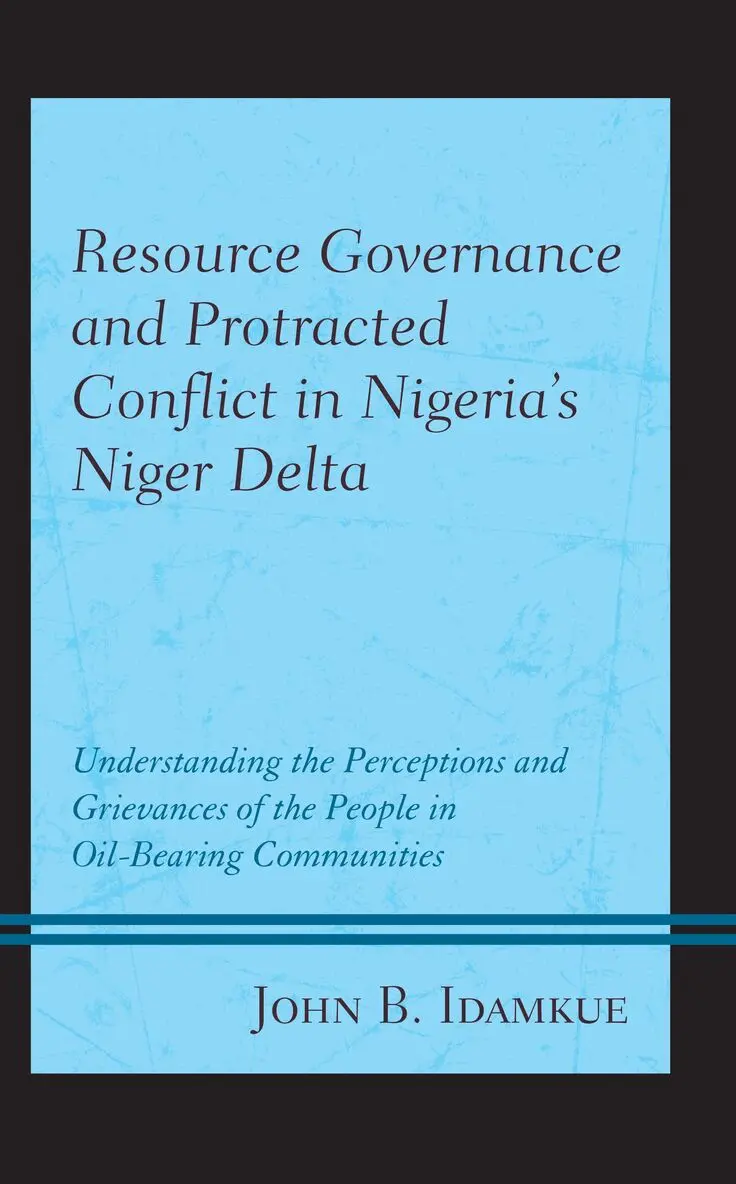
Resource Governance and Protracted Conflict in Nigeria’s Niger Delta
Understanding the Perceptions and Grievances of the People in Oil-Bearing Communities
Inbunden, Engelska, 2021
1 076 kr
Skickas inom 10-15 vardagar
Since the execution of Ken Saro-Wiwa and eight other activists in 1995, Nigeria’s Niger Delta has witnessed conflicts associated with oil production and agitations against oil companies operating in the region. Why did the initial peaceful protests of the oil-bearing communities turn violent? What are the recurring complaints of the people? What roles do the government and the oil corporations play in the perpetuation of the conflicts? In answering these and related questions, John B. Idamkue explores the deep-seated perceptions and grievances of the oil-producing communities by tracing the history of struggle in the region and eliciting the candid views and perspectives of key community actors and stakeholders using their words and responses in a study that is revealing and insightful. By isolating the six pillars of resource governance, Idamkue shines a bright light on the change in the actors, political institutions, and impact of oil production on the livelihood of the people to explain why conflicts linger.