Akiko Yano – författare
Visar alla böcker från författaren Akiko Yano. Handla med fri frakt och snabb leverans.
2 produkter
2 produkter
568 kr
Skickas inom 7-10 vardagar
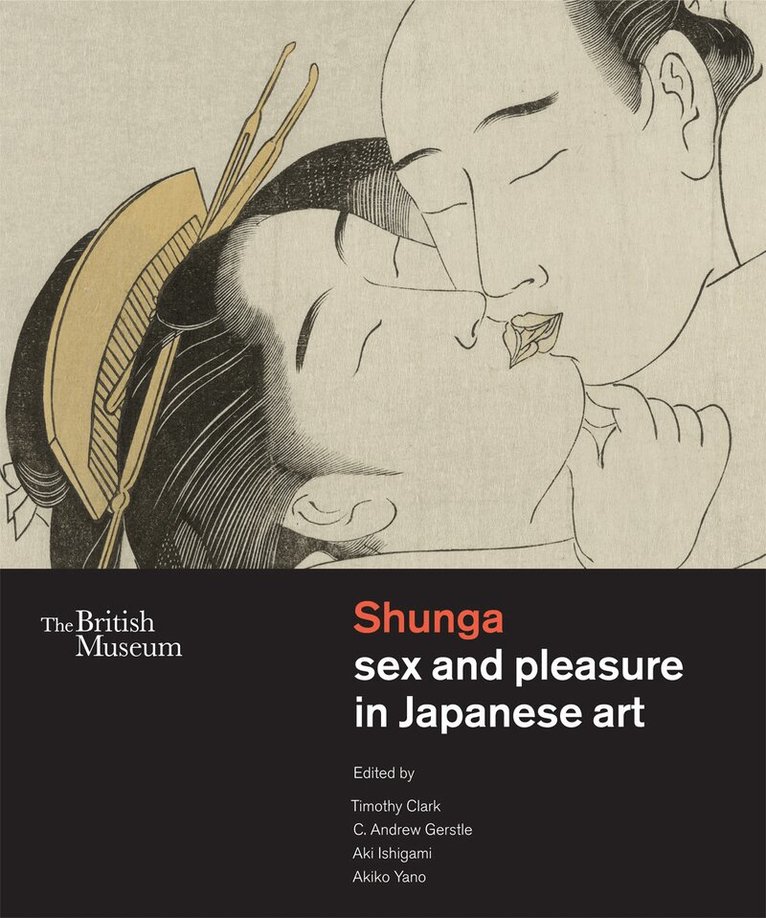
Discover Japanese art like no other. Originally created by the artists of the ukiyo-e ‘school of the floating world’ to advertise brothels in 17th-century Yoshiwara, these popular ‘spring pictures’ (shunga) transcended class and gender in Japan for almost 300 years. These tender, humorous and brightly coloured pieces celebrate sexual pleasure in all its forms, culminating in the beautiful, yet graphic, work of iconic artists Utamaro, Hokusai and Kunisada. This catalogue of a major international exhibition aims to answer some key questions about what shunga is and why was it produced. Erotic Japanese art was heavily suppressed in Japan from the 1870s onwards as part of a process of cultural ‘modernisation’ that imported many contemporary western moral values. Only in the last twenty years or so has it been possible to publish unexpurgated examples in Japan and this ground-breaking publication presents this fascinating art in its historical and cultural context for the first time. Within Japan, shunga has continued to influence modern forms of art, including manga, anime and Japanese tattoo art. Drawing on the latest scholarship and featuring over 400 images of works from major public and private collections, this landmark book sheds new light on this unique art form within Japanese social and cultural history. Shunga: sex and pleasure in Japanese art is published to accompany an exhibition at the British Museum from October 2013 to January 2014.
288 kr
Skickas inom 7-10 vardagar
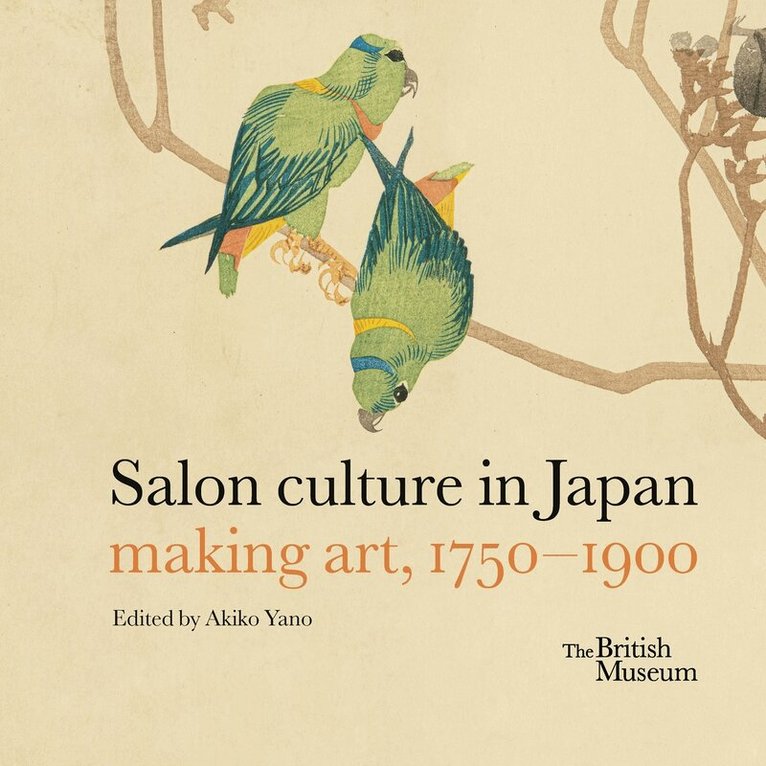
‘A richly illustrated book that provides a fascinating insight into collaborative and social artistic production in early modern Japan’ – Andon, the Journal of the society for Japanese Art The first publication to celebrate the British Museum’s rich collection of these technically sophisticated artworks created as part of Japanese cultural salons in the late 18th and 19th centuries, featuring lively figures in daily life and festivals, elegant birds and flowers, ferocious animals and lyrical landscapes. In early modern Japan, cultural salons were creative spaces for people of all ages and social levels to pursue painting, poetry and other artistic endeavours, as serious but amateur practitioners. They all used a pen- or art-name. Individuals were therefore able to socialise and interact broadly through these artistic activities, regardless of official social status as regulated by the shogunal government. The idea of communal and collaborative creativity seems to have been especially ingrained around the area of Kyoto and Osaka. Each of the two cities had a distinct character: Kyoto was the national capital, where the emperor and aristocrats resided, and Osaka was the centre of commerce. Only a fraction of these technically sophisticated artworks has previously been published in colour. With five essays by leading experts that explore this fascinating cultural phenomenon from different angles, and eight shorter insights that delve into specific historical aspects and the personal connections and legacies of cultural figures, this book offers a new perspective on Japanese art and society in the late 18th and 19th centuries.