Albert L. Hurtado - Böcker
Visar alla böcker från författaren Albert L. Hurtado. Handla med fri frakt och snabb leverans.
7 produkter
7 produkter
851 kr
Skickas inom 3-6 vardagar
355 kr
Skickas inom 7-10 vardagar
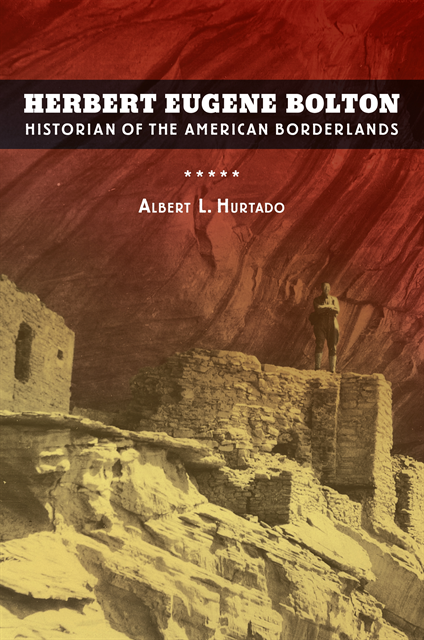
This definitive biography offers a new critical assessment of the life, works, and ideas of Herbert E. Bolton (1870-1953), a leading historian of the American West, Mexico, and Latin America. Bolton, a famous pupil of Frederick Jackson Turner, formulated a concept - the borderlands - that is a foundation of historical studies today. His research took him not only to the archives and libraries of Mexico but out on the trails blazed by Spanish soldiers and missionaries during the colonial era. Bolton helped establish the reputation of the University of California and the Bancroft Library in the eyes of the world and was influential among historians during his lifetime, but interest in his ideas waned after his death. Now, more than a century after Bolton began to investigate the Mexican archives, Albert L. Hurtado explores his life against the backdrop of the cultural and political controversies of his day.
517 kr
Skickas inom 10-15 vardagar
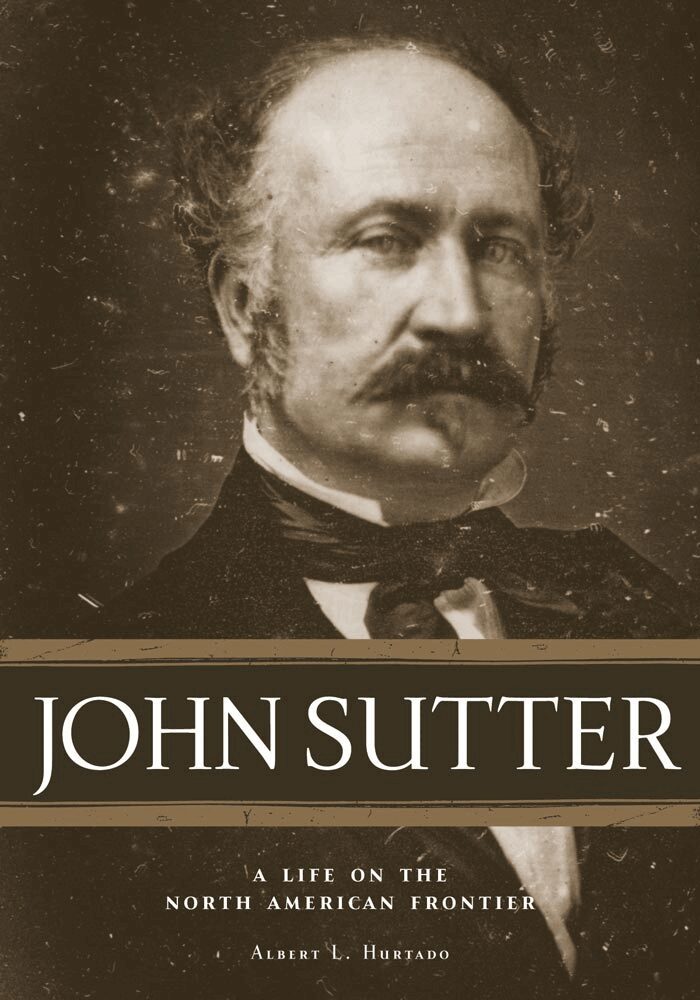
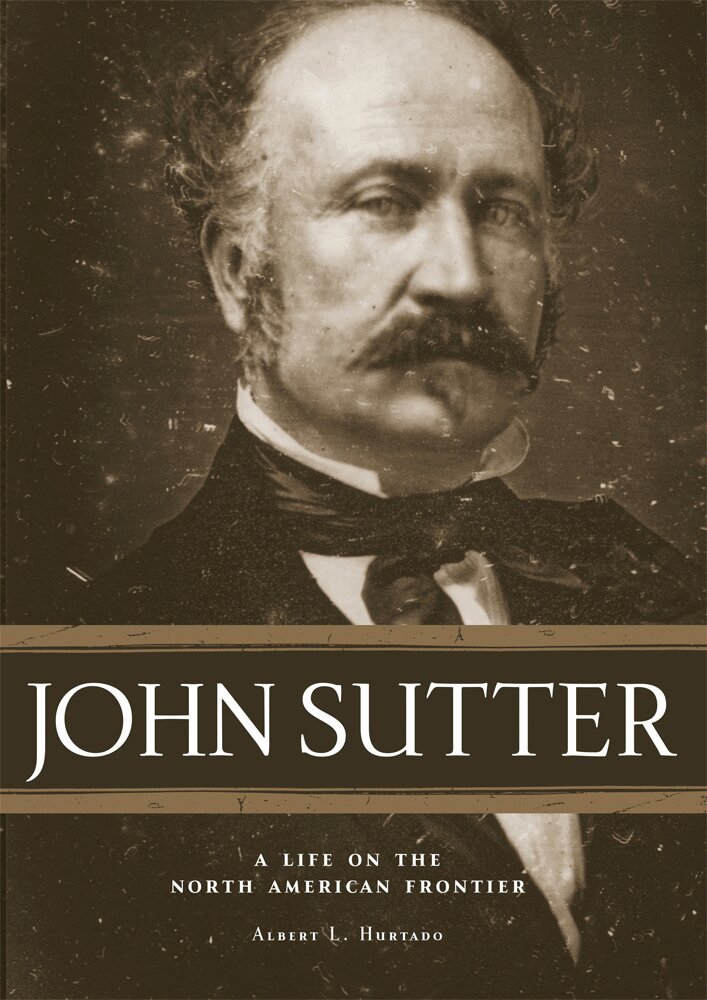
In the history of the American frontier, John Sutter (1803-1880) looms large. A Swiss expatriate who attempted to create a personal empire in California's Sacramento Valley, he founded New Helvetia, a cosmopolitan settlement whose economy depended on Indian slaves and free laborers. New Helvetia drew overland immigrants to California in the 1840s and then - after gold was discovered by Sutter's employees - a flood of fortune seekers. Sutter was poised to become one of the richest men in the West, but rapacious settlers and his own poor business sense sent his dreams crashing.Albert L. Hurtado has written the definitive biography of Sutter, mining a wealth of sources to create the first fully documented account of the man and his times. John Sutter explores Sutter's life in the broader context of America's rush for westward expansion while plumbing the inner dynamics of this erstwhile empire-builder.Sutter was a quintessential outsider driven by anxiety over status - a man of talent, vision, and heroic ambitions who nevertheless became the victim of his own inadequacies as a businessman and his inability to adjust to a rapidly changing frontier. Sutter was full of contradictions. While building a reputation as a humanitarian friend of destitute immigrants, he callously exploited Indians. Nevertheless, this penniless dreamer became one of the most important men in California and a major player in the American conquest of the West.
337 kr
Skickas inom 10-15 vardagar
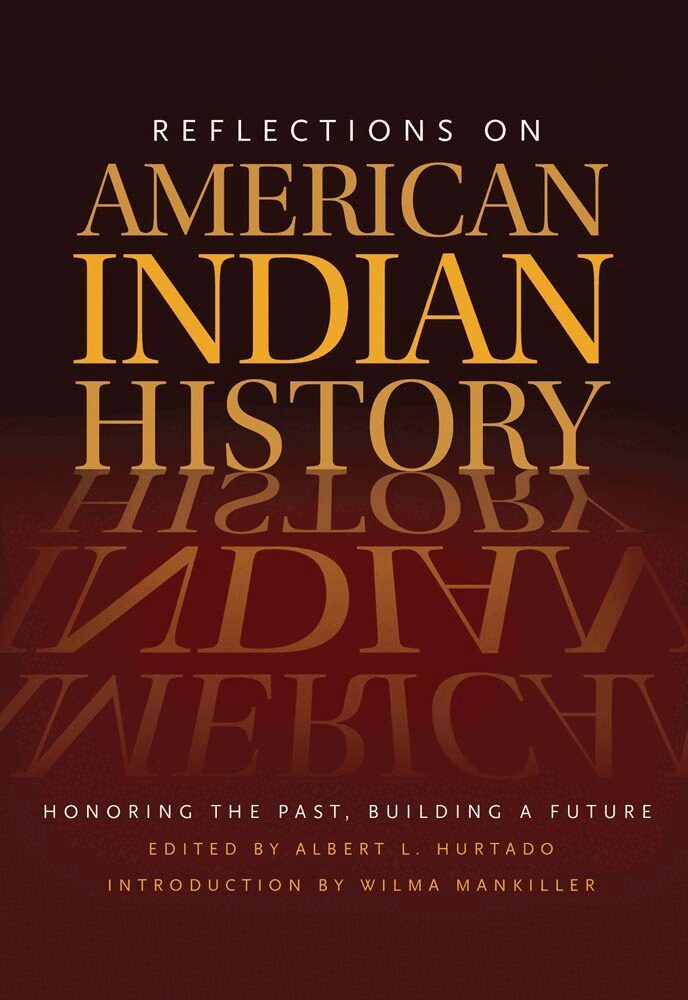
As American Indian communities face the new century, they look to the future armed with confidence in the indigenous perspectives that have kept them together thus far. Now five premier scholars in American Indian history, along with a tribal leader who has placed an indelible mark on the history of her people, show how understanding the past is the key to solving problems facing Indians today.Edited by Albert L. Hurtado and introduced by Wilma Mankiller, this book includes the insights of Colin G. Calloway, R. David Edmunds, Laurence M. Hauptman, Peter Iverson, and Brenda J. Child - scholars who have helped shape the way an entire generation thinks about American Indian history. Writing broadly about twentieth-century Native history, they focus on themes that drive this field of study: Indian identity, tribal acknowledgment, sovereignty, oral tradition, and cultural adaptation.Drawn from the Wilma Mankiller Symposium on American History, these thoughtful essays show how history continues to influence contemporary Native life. The authors carve a broad geographic swath - from the Oneidas' interpretation of the past, to the perseverance of the jingle dress tradition among the Ojibwes, to community persistence in the Southwest. Wilma Mankiller's essay on contemporary tribal government adds a personal perspective to understanding the situation of Indian people today.
333 kr
Skickas inom 10-15 vardagar
In the history of the American frontier, John Sutter (1803-1880) looms large. A Swiss expatriate who attempted to create a personal empire in California's Sacramento Valley, he founded New Helvetia, a cosmopolitan settlement whose economy depended on Indian slaves and free laborers. New Helvetia drew overland immigrants to California in the 1840s and then - after gold was discovered by Sutter's employees - a flood of fortune seekers. Sutter was poised to become one of the richest men in the West, but rapacious settlers and his own poor business sense sent his dreams crashing.Albert L. Hurtado has written the definitive biography of Sutter, mining a wealth of sources to create the first fully documented account of the man and his times. John Sutter explores Sutter's life in the broader context of America's rush for westward expansion while plumbing the inner dynamics of this erstwhile empire-builder.Sutter was a quintessential outsider driven by anxiety over status - a man of talent, vision, and heroic ambitions who nevertheless became the victim of his own inadequacies as a businessman and his inability to adjust to a rapidly changing frontier. Sutter was full of contradictions. While building a reputation as a humanitarian friend of destitute immigrants, he callously exploited Indians. Nevertheless, this penniless dreamer became one of the most important men in California and a major player in the American conquest of the West.
241 kr
Skickas inom 10-15 vardagar
As American Indian communities face the new century, they look to the future armed with confidence in the indigenous perspectives that have kept them together thus far. Now five premier scholars in American Indian history, along with a tribal leader who has placed an indelible mark on the history of her people, show how understanding the past is the key to solving problems facing Indians today.Edited by Albert L. Hurtado and introduced by Wilma Mankiller, this book includes the insights of Colin G. Calloway, R. David Edmunds, Laurence M. Hauptman, Peter Iverson, and Brenda J. Child—scholars who have helped shape the way an entire generation thinks about American Indian history. Writing broadly about twentieth-century Native history, they focus on themes that drive this field of study: Indian identity, tribal acknowledgment, sovereignty, oral tradition, and cultural adaptation.Drawn from the Wilma Mankiller Symposium on American History, these thoughtful essays show how history continues to influence contemporary Native life. The authors carve a broad geographic swath—from the Oneidas’ interpretation of the past, to the perseverance of the jingle dress tradition among the Ojibwes, to community persistence in the Southwest. Wilma Mankiller’s essay on contemporary tribal government adds a personal perspective to understanding the situation of Indian people today.
319 kr
Skickas inom 7-10 vardagar
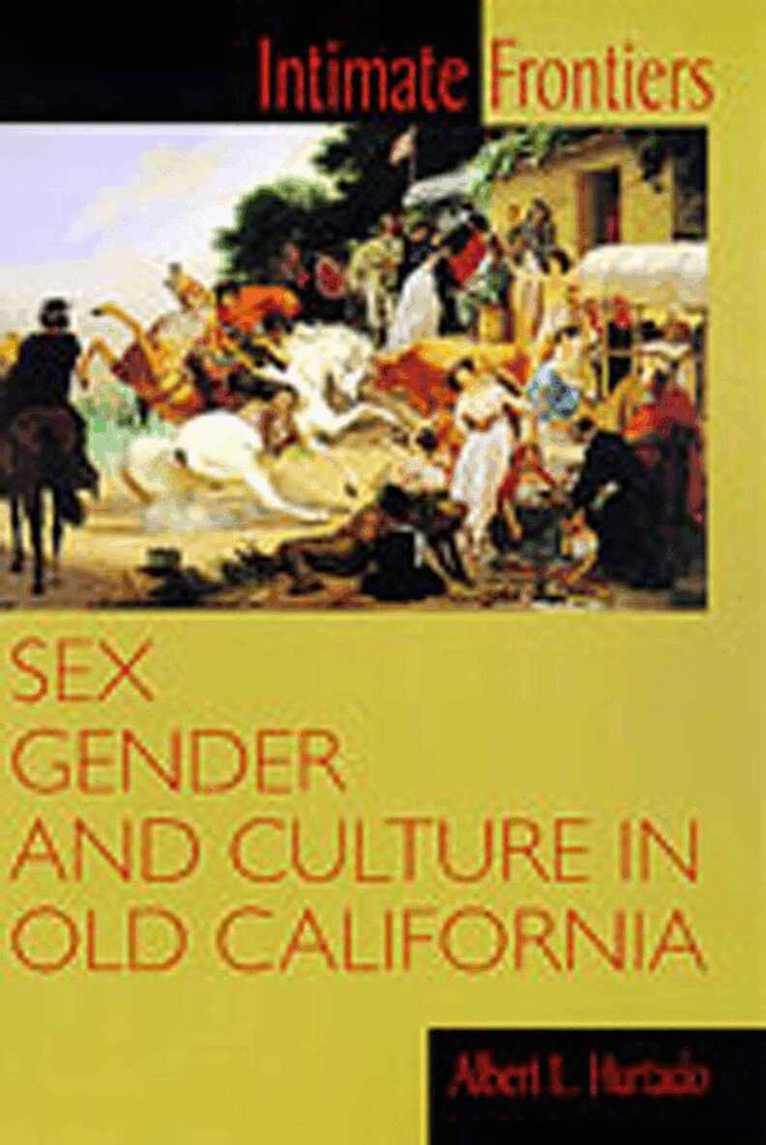
This book reveals how powerful undercurrents of sex, gender, and culture helped shape the history of the American frontier from the 1760s to the 1850s. Looking at California under three flags -- those of Spain, Mexico, and the United States -- Hurtado resurrects daily life in the missions, at mining camps, on overland trails and sea journeys, and in San Francisco. In these settings Hurtado explores courtship, marriage, reproduction, and family life as a way to understand how men and women -- whether Native American, Anglo American, Hispanic, Chinese, or of mixed blood -- fit into or reshaped the roles and identities set by their race and gender.