Alecia P. Long - Böcker
Visar alla böcker från författaren Alecia P. Long. Handla med fri frakt och snabb leverans.
4 produkter
4 produkter
268 kr
Skickas inom 10-15 vardagar
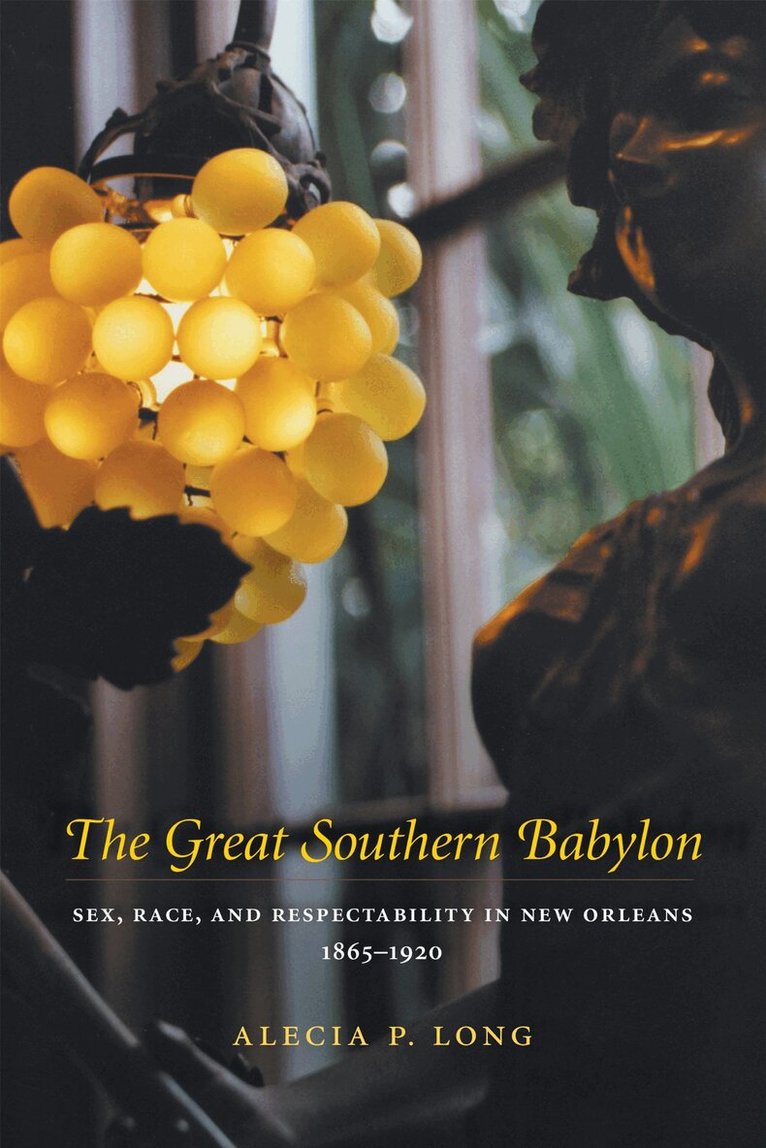
With a well-earned reputation for tolerance of both prostitution and miscegenation, New Orleans became known as the Great Southern Babylon in antebellum times. Following the Civil War, a profound alteration in social and economic conditions gradually reshaped the city's sexual culture and erotic commerce. Historian Alecia P. Long traces sex in the Crescent City over fifty years, drawing from Louisiana Supreme Court case testimony to relate intriguing tales of people both obscure and famous whose relationships and actions exemplify the era.
323 kr
Skickas inom 10-15 vardagar
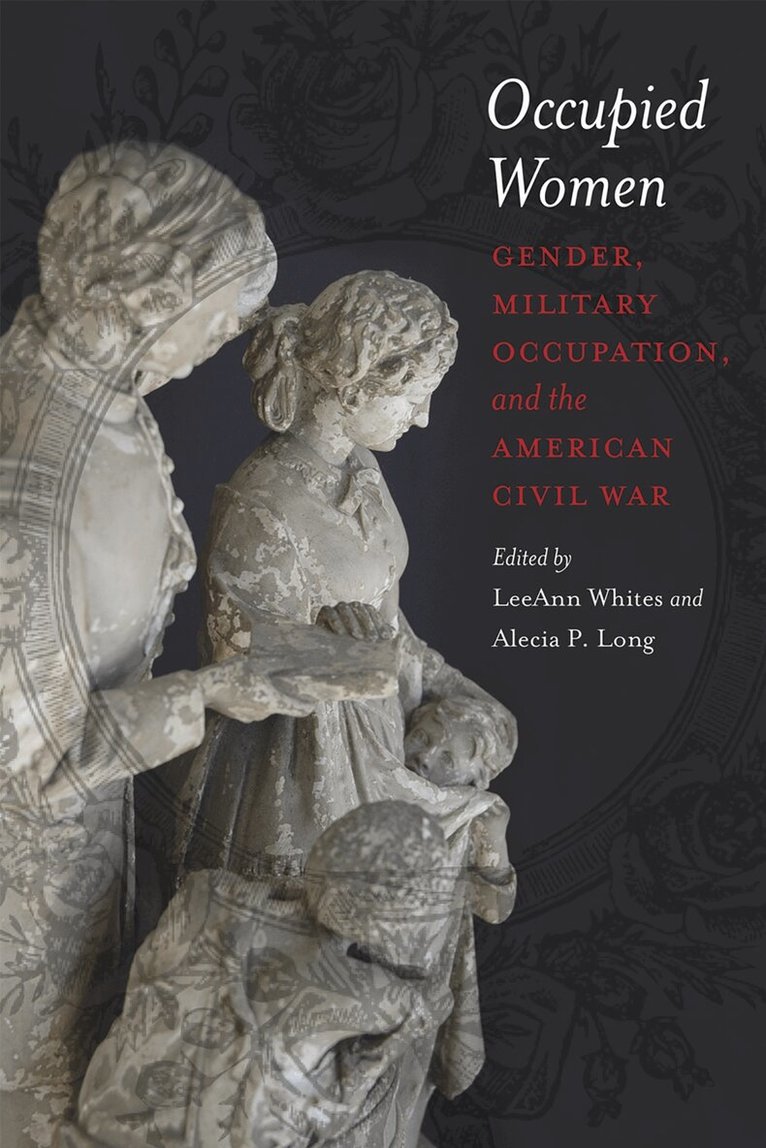
In the spring of 1861, tens of thousands of young men formed military companies and offered to fight for their country. Near the end of the Civil War, nearly half of the adult male population of the North and a staggering 90 percent of eligible white males in the South had joined the military. With their husbands, sons, and fathers away, legions of women took on additional duties formerly handled by males, and many also faced the ordeal of having their homes occupied by enemy troops. With occupation, the home front and the battlefield merged to create an unanticipated second front where civilians -- mainly women -- resisted what they perceived as unjust domination. In Occupied Women, twelve distinguished historians consider how women's reactions to occupation affected both the strategies of military leaders and ultimately even the outcome of the Civil War.Alecia P. Long, Lisa Tendrich Frank, E. Susan Barber, and Charles F. Ritter explore occupation as an incubator of military policies that reflected occupied women's activism. Margaret Creighton, Kristen L. Streater, LeeAnn Whites, and Cita Cook examine specific locations where citizens both enforced and evaded these military policies. Leslie A. Schwalm, Victoria E. Bynum, and Joan E. Cashin look at the occupation as part of complex and overlapping differences in race, class, and culture. An epilogue by Judith Giesberg emphasizes these themes. Some essays reinterpret legendary encounters between military men and occupied women, such as those prompted by General Butler's infamous ""Woman Order"" and Sherman's March to the Sea. Others explore new areas such as the development of military policy with regard to sexual justice. Throughout, the contributors examine the common experiences of occupied women and address the unique situations faced by women, whether Union, Confederate, or freed. Civil War historians have traditionally depicted Confederate women as rendered inert by occupying armies, but these essays demonstrate that women came together to form a strong, localized resistance to military invasion. Guerrilla activity, for example, occurred with the support and active participation of women on the home front. Women ran the domestic supply line of food, shelter, and information that proved critical to guerrilla tactics. By broadening the discussion of the Civil War to include what LeeAnn Whites calls the ""relational field of battle,"" this pioneering collection helps reconfigure the location of conflict and the chronology of the American Civil War.
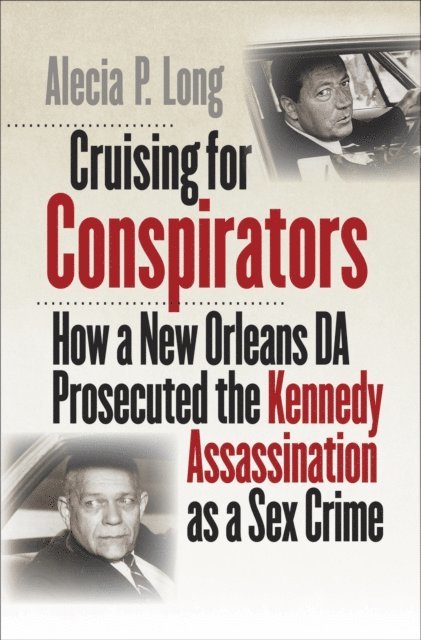
Cruising for Conspirators
How a New Orleans DA Prosecuted the Kennedy Assassination As a Sex Crime
Inbunden, Engelska, 2021
332 kr
Skickas inom 7-10 vardagar
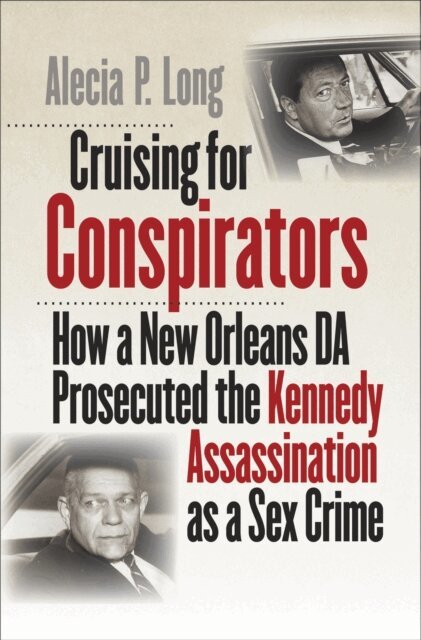
New Orleans district attorney Jim Garrison's decision to arrest Clay Shaw on March 1, 1967, set off a chain of events that culminated in the only prosecution undertaken in the assassination of John F. Kennedy. In the decades since Garrison captured headlines with this high-profile legal spectacle, historians, conspiracy advocates, and Hollywood directors alike have fixated on how a New Orleans-based assassination conspiracy might have worked. Cruising for Conspirators settles the debate for good, conclusively showing that the Shaw prosecution was not based in fact but was a product of the criminal justice system's long-standing preoccupation with homosexuality. Tapping into the public's willingness to take seriously conspiratorial explanations of the Kennedy assassination, Garrison drew on the copious files the New Orleans police had accumulated as they surveilled, harassed, and arrested increasingly large numbers of gay men in the early 1960s. He blended unfounded accusations with homophobia to produce a salacious story of a New Orleans-based scheme to assassinate JFK that would become a national phenomenon. At once a dramatic courtroom narrative and a deeper meditation on the enduring power of homophobia, Cruising for Conspirators shows how the same dynamics that promoted Garrison's unjust prosecution continue to inform conspiratorial thinking to this day.
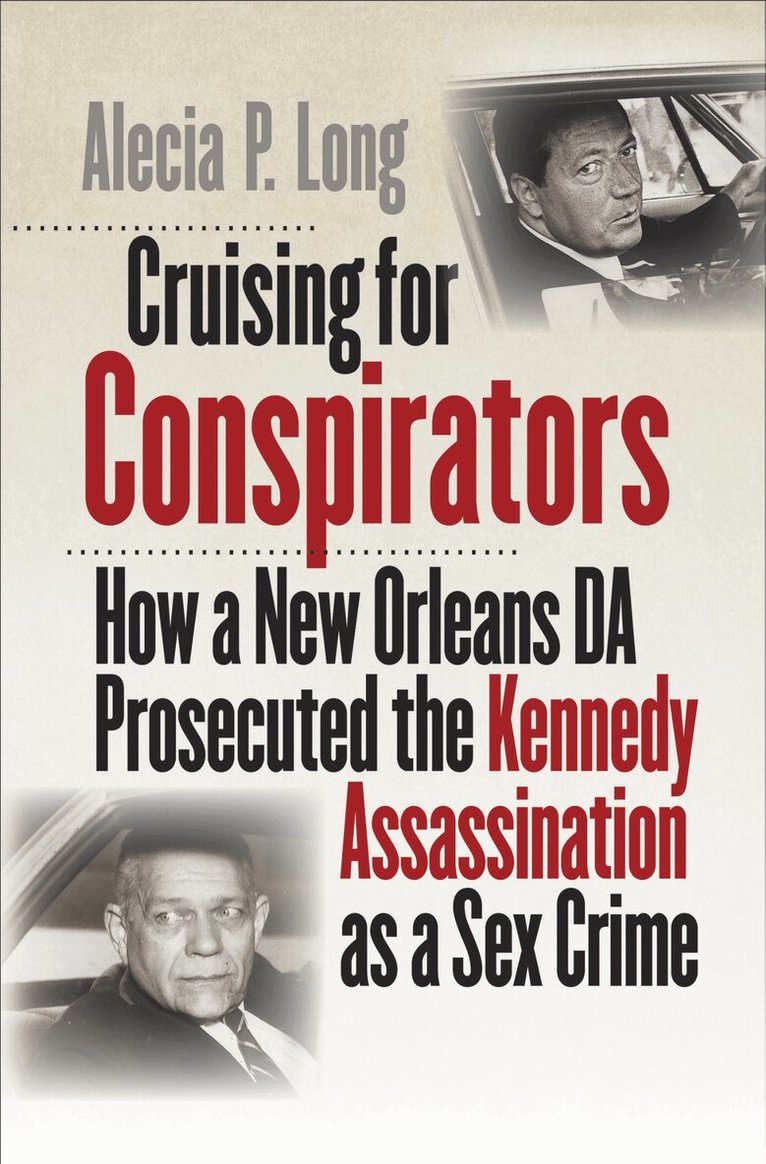
Cruising for Conspirators
How a New Orleans DA Prosecuted the Kennedy Assassination As a Sex Crime
Häftad, Engelska, 2026
296 kr
Skickas inom 10-15 vardagar
New Orleans district attorney Jim Garrison’s decision to arrest Clay Shaw on March 1, 1967, set off a chain of events that culminated in the only prosecution undertaken in the assassination of John F. Kennedy. In the decades since Garrison captured headlines with this high-profile legal spectacle, historians, conspiracy advocates, and Hollywood directors alike have fixated on how a New Orleans–based assassination conspiracy might have worked. Cruising for Conspirators settles the debate for good, conclusively showing that the Shaw prosecution was not based in fact but was a product of the criminal justice system’s long-standing preoccupation with homosexuality. Tapping into the public’s willingness to take seriously conspiratorial explanations of the Kennedy assassination, Garrison drew on the copious files the New Orleans police had accumulated as they surveilled, harassed, and arrested increasingly large numbers of gay men in the early 1960s. He blended unfounded accusations with homophobia to produce a salacious story of a New Orleans-based scheme to assassinate JFK that would become a national phenomenon. At once a dramatic courtroom narrative and a deeper meditation on the enduring power of homophobia, Cruising for Conspirators shows how the same dynamics that promoted Garrison’s unjust prosecution continue to inform conspiratorial thinking to this day.