Alex Stepick - Böcker
Visar alla böcker från författaren Alex Stepick. Handla med fri frakt och snabb leverans.
7 produkter
7 produkter
548 kr
Skickas inom 3-6 vardagar
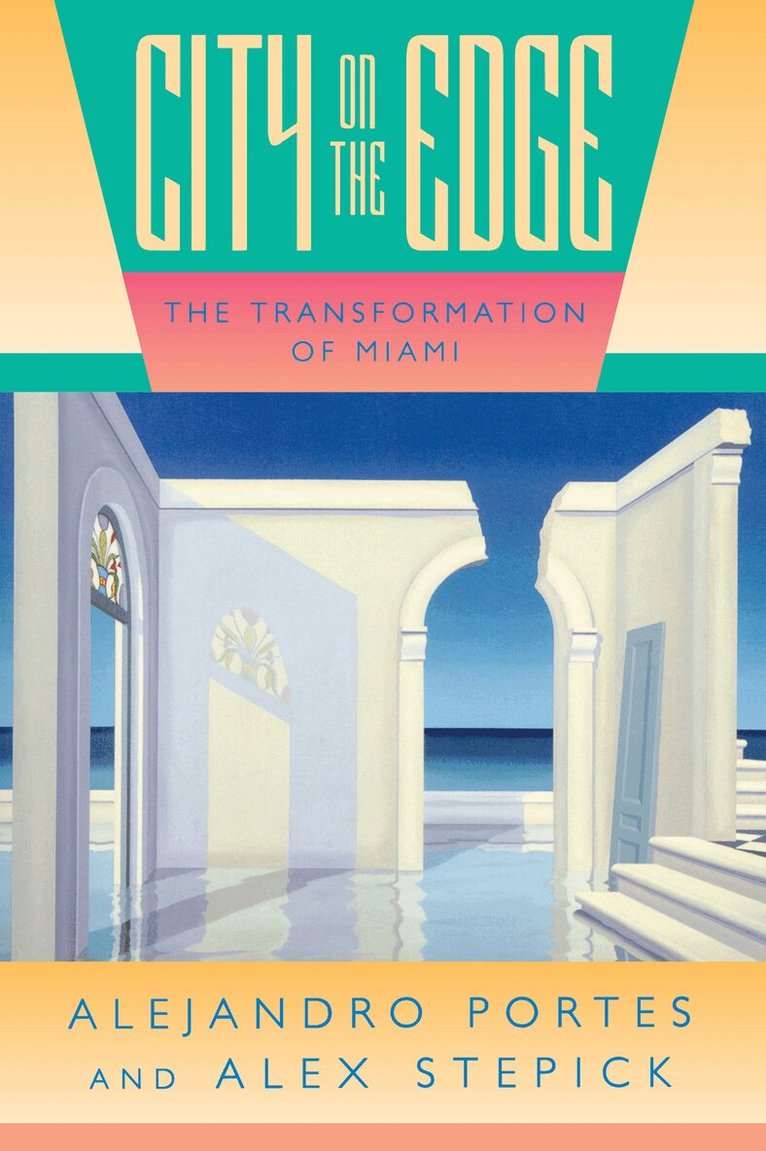
'The authors reveal how the Cuban success story has transformed the character of Miami while delineating more sharply the identity of other ethnic communities' - "New York Times Book Review". 'Makes a case for the importance of political capital ...in building ethnic solidarity' - "Contemporary Sociology".
591 kr
Skickas inom 3-6 vardagar
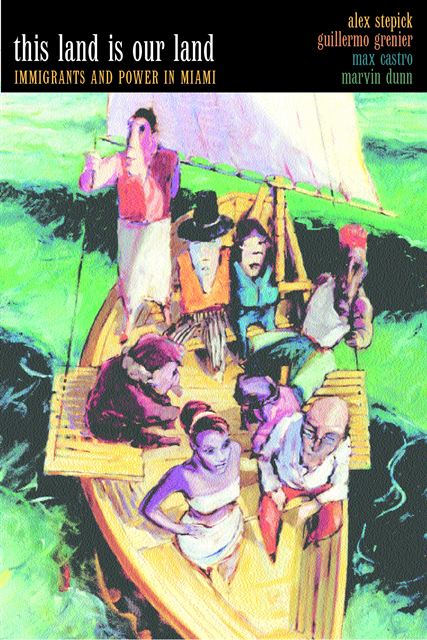
For those opposed to immigration, Miami is a nightmare. Miami is the de facto capital of Latin America; it is a city where immigrants dominate, Spanish is ubiquitous, and Denny's is an ethnic restaurant. Are Miami's immigrants representative of a trend that is undermining American culture and identity? Drawing from in-depth fieldwork in the city and looking closely at recent events such as the Elian Gonzalez case, This Land Is Our Land examines interactions between immigrants and established Americans in Miami to address fundamental questions of American identity and multiculturalism. Rather than focusing on questions of assimilation, as many other studies have, this book concentrates on interethnic relations to provide an entirely new perspective on the changes wrought by immigration in the United States. A balanced analysis of Miami's evolution over the last forty years, This Land Is Our Land is also a powerful demonstration that immigration in America is not simply an "us versus them" phenomenon.
1 142 kr
Skickas inom 10-15 vardagar
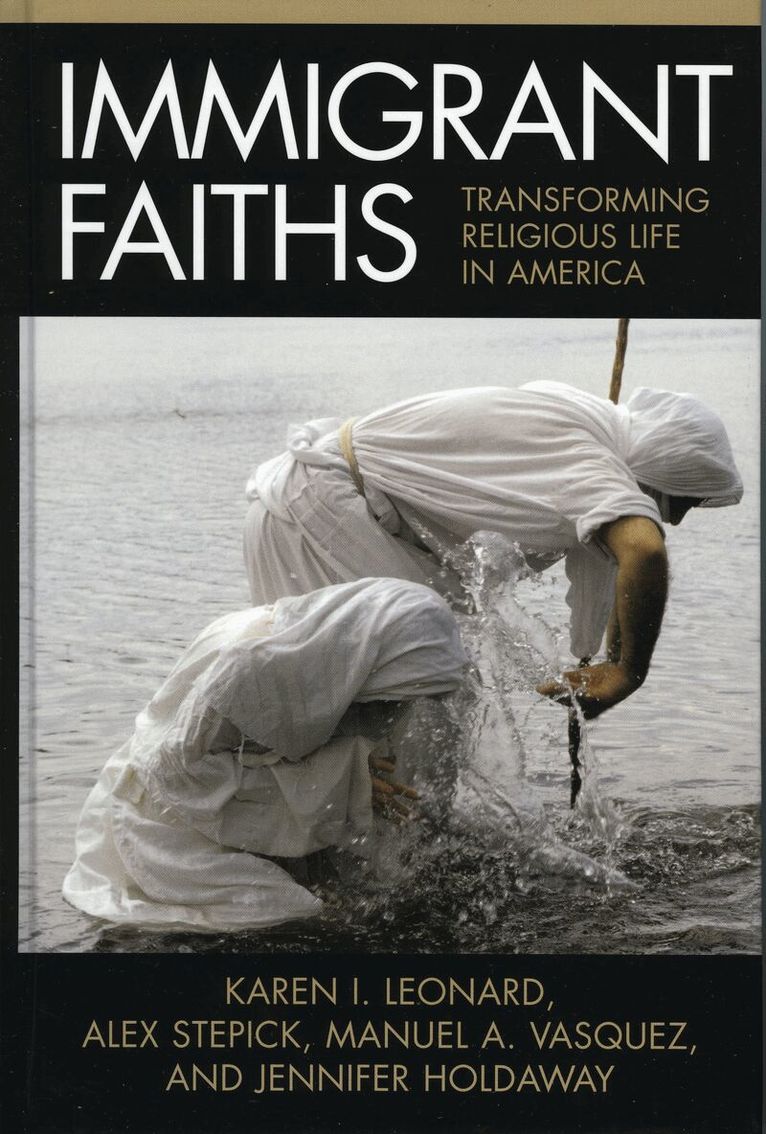
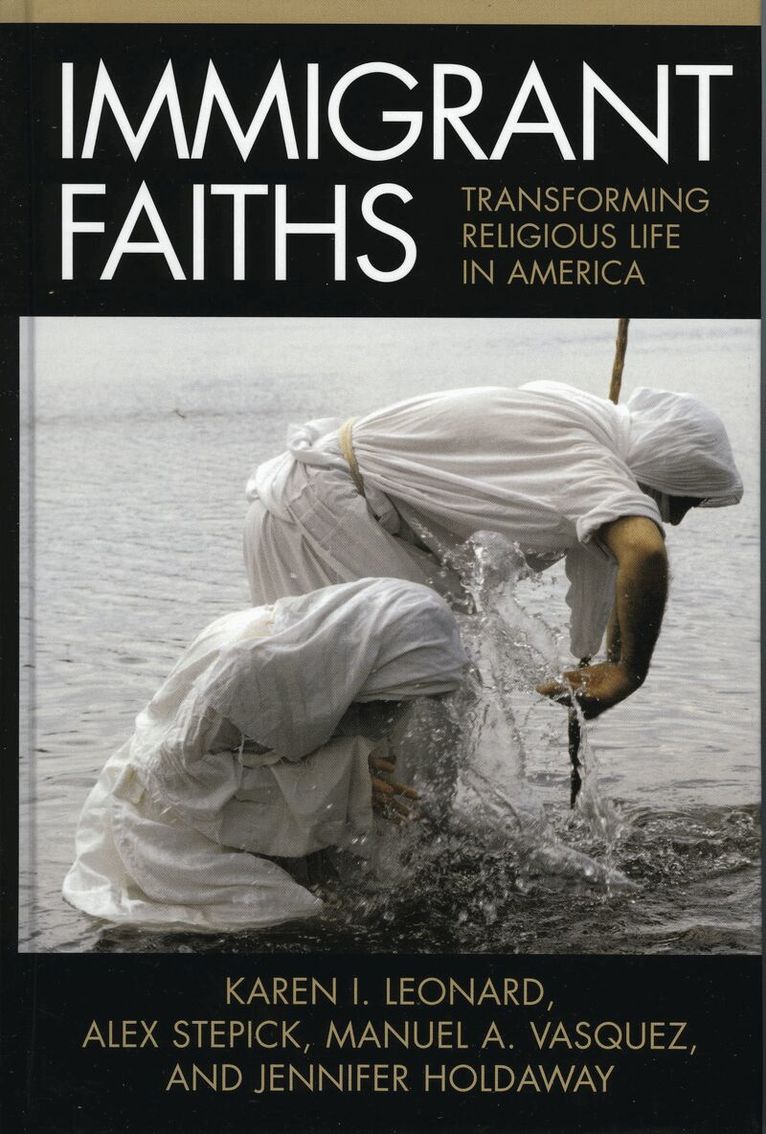
Recent immigration is changing American religion. No longer only a Protestant, Christian, or even Judeo-Christian nation, the United States is increasingly home to religious traditions from Asia, Africa, the Middle East, and Latin America. The history, spirit, and institutions of Protestantism often shape the beliefs and practices of new immigrants and their societies of faith. But immigrants are also creating their own unique religious communities within existing denominations or developing hybrid identities that combine strands of several faiths or traditions. These changes call for new thinking among both scholars of religion and scholars of migration. Immigrant Faiths responds to these changes with fresh thinking from new and established scholars from a variety of disciplines. Covering groups from across the U.S. and a range of religious traditions, Immigrant Faiths provides a needed overview to this expanding subfield. Sponsored by the Social Science Research Council.
581 kr
Skickas inom 10-15 vardagar
Recent immigration is changing American religion. No longer only a Protestant, Christian, or even Judeo-Christian nation, the United States is increasingly home to religious traditions from Asia, Africa, the Middle East, and Latin America. The history, spirit, and institutions of Protestantism often shape the beliefs and practices of new immigrants and their societies of faith. But immigrants are also creating their own unique religious communities within existing denominations or developing hybrid identities that combine strands of several faiths or traditions. These changes call for new thinking among both scholars of religion and scholars of migration. Immigrant Faiths responds to these changes with fresh thinking from new and established scholars from a variety of disciplines. Covering groups from across the U.S. and a range of religious traditions, Immigrant Faiths provides a needed overview to this expanding subfield. Sponsored by the Social Science Research Council.
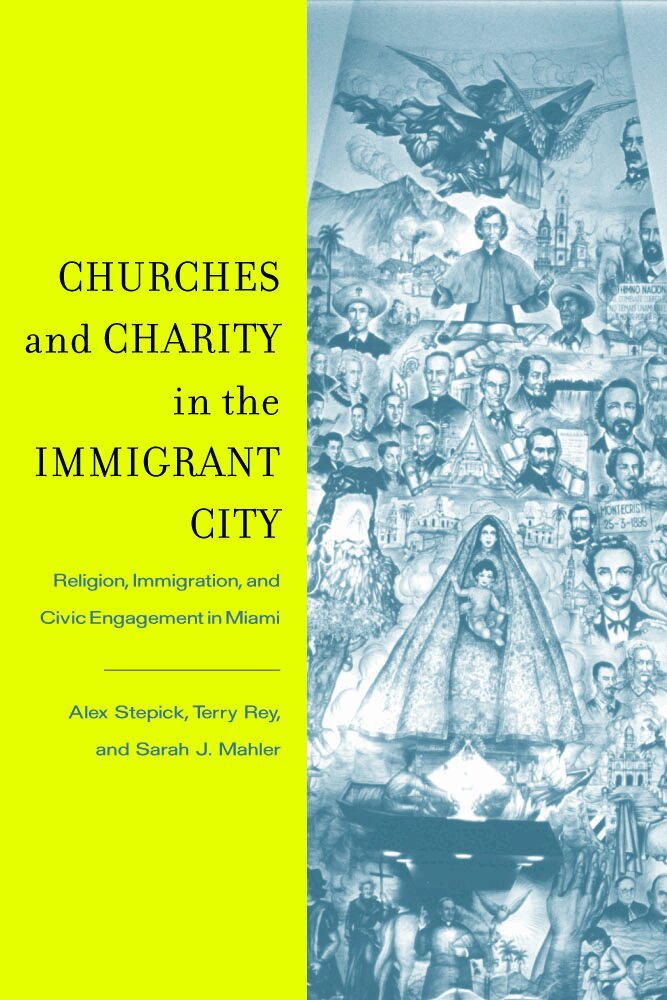
Churches and Charity in the Immigrant City
Religion, Immigration, and Civic Engagement in Miami
Häftad, Engelska, 2009
441 kr
Skickas inom 11-20 vardagar
In addition to being a religious country--over ninety percent of Americans believe in God--the United States is also home to more immigrants than ever before. Churches and Charity in the Immigrant City focuses on the intersection of religion and civic engagement among Miami's immigrant and minority groups. The contributors examine the role of religious organizations in developing social relationships and how these relationships affect the broader civic world. Essays, for example, consider the role of leadership in the promotion and creation of "civic social capital" in a Haitian Catholic church, transnational ties between Cuban Catholics in Miami and Havana, and several African American congregations that serve as key comparisons of civic engagement among minorities. This book is important not only for its theoretical contributions to the sociology of religion, but also because it gives us a unique glimpse into immigrants' civic and religious lives in urban America.
918 kr
Skickas inom 10-15 vardagar
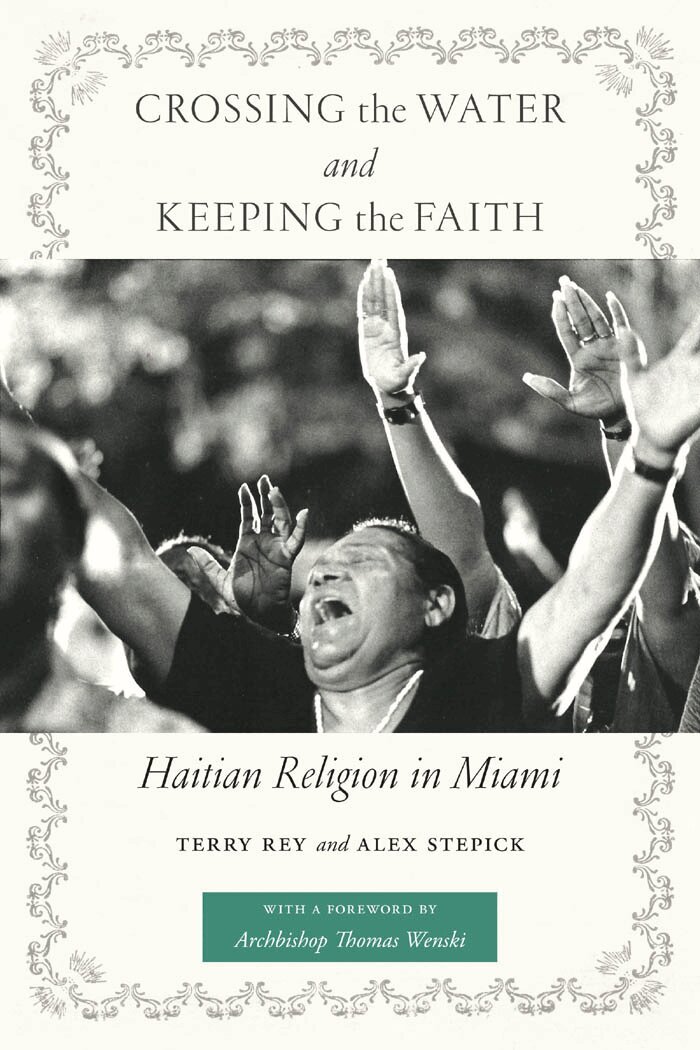
Beginning in the late 1970s and early 1980s,significant numbers of Haitian immigrants began to arrive and settle in Miami.Overcoming some of the most foreboding obstacles ever to face immigrants inAmerica, they, their children, and now their grandchildren, as well as morerecently arriving immigrants from Haiti, have diversified socioeconomically.Together, they have made South Florida home to the largest population ofnative-born Haitians and diasporic Haitians outside of the Caribbean and one ofthe most significant Caribbean immigrant communities in the world. Religion hasplayed a central role in making all of this happen. Crossing the Water and Keeping the Faith is a historical andethnographic study of Haitian religion in immigrant communities, based onfieldwork in both Miami and Haiti, as well as extensive archival research.Where many studies of Haitian religion limit themselves to one faith, Rey andStepick explore Catholicism, Protestantism, and Vodou in conversation with oneanother, suggesting that despite the differences between these practices, thethree faiths ultimately create a sense of unity, fulfillment, and self-worth inHaitian communities. This meticulously researched and vibrantly written bookcontributes to the growing body of literature on religion among new immigrants,as well as providing a rich exploration of Haitian faith communities.
403 kr
Skickas inom 7-10 vardagar
Beginning in the late 1970s and early 1980s,significant numbers of Haitian immigrants began to arrive and settle in Miami.Overcoming some of the most foreboding obstacles ever to face immigrants inAmerica, they, their children, and now their grandchildren, as well as morerecently arriving immigrants from Haiti, have diversified socioeconomically.Together, they have made South Florida home to the largest population ofnative-born Haitians and diasporic Haitians outside of the Caribbean and one ofthe most significant Caribbean immigrant communities in the world. Religion hasplayed a central role in making all of this happen. Crossing the Water and Keeping the Faith is a historical andethnographic study of Haitian religion in immigrant communities, based onfieldwork in both Miami and Haiti, as well as extensive archival research.Where many studies of Haitian religion limit themselves to one faith, Rey andStepick explore Catholicism, Protestantism, and Vodou in conversation with oneanother, suggesting that despite the differences between these practices, thethree faiths ultimately create a sense of unity, fulfillment, and self-worth inHaitian communities. This meticulously researched and vibrantly written bookcontributes to the growing body of literature on religion among new immigrants,as well as providing a rich exploration of Haitian faith communities.