Alexander Waibel – författare
Visar alla böcker från författaren Alexander Waibel. Handla med fri frakt och snabb leverans.
5 produkter
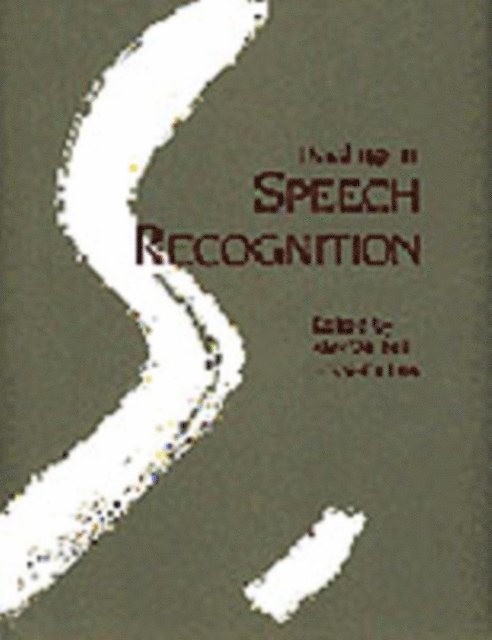
Readings in Speech Recognition
Av Kai-Fu Lee, Alexander Waibel
E-bok, 1990
739 kr
Lägg i varukorg
After more than two decades of research activity, speech recognition has begun to live up to its promise as a practical technology and interest in the field is growing dramatically. Readings in Speech Recognition provides a collection of seminal papers that have influenced or redirected the field …
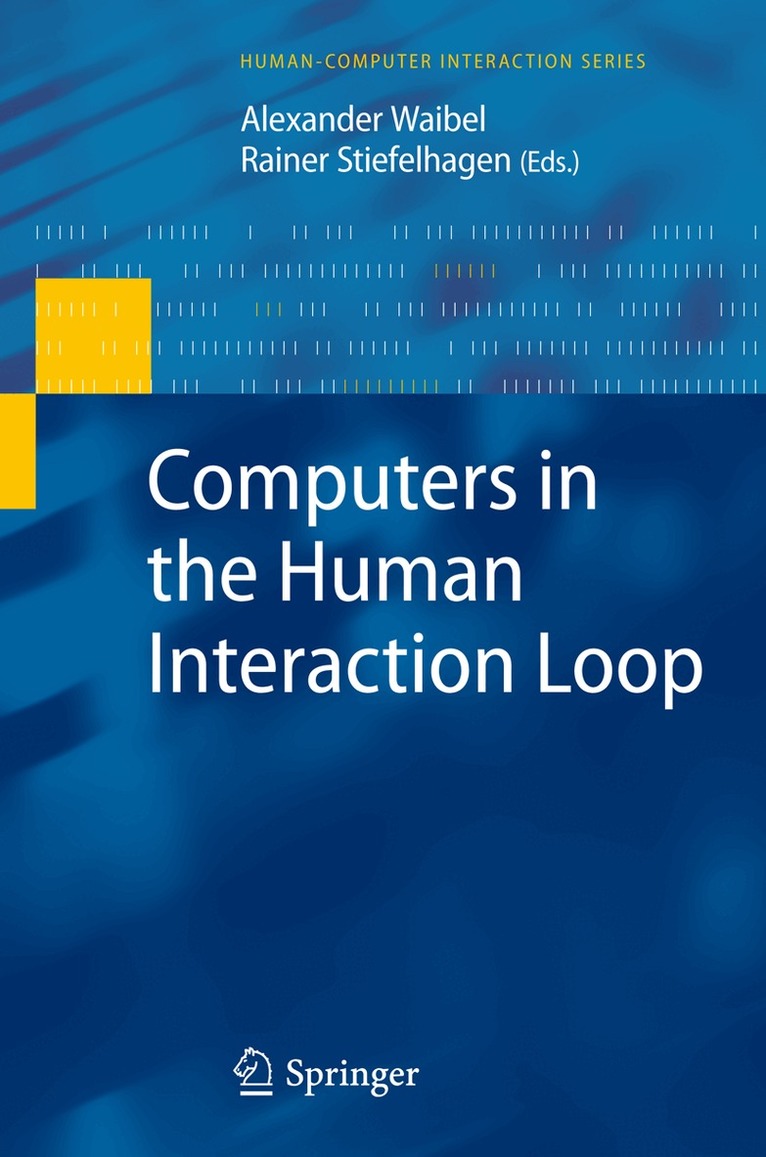
Computers in the Human Interaction Loop
Av Alexander Waibel, Rainer Stiefelhagen
Inbunden, 2009
1685 kr
Lägg i varukorg
This book integrates a wide range of research topics related to and necessary for the development of proactive, smart, computers in the human interaction loop, including the development of audio-visual perceptual components for such environments; the design, implementation and analysis of novel …
Computers in the Human Interaction Loop
Av Rainer Stiefelhagen, Alexander Waibel
E-bok, 2009
2111 kr
Lägg i varukorg
This book integrates a wide range of research topics related to and necessary for the development of proactive, smart, computers in the human interaction loop, including the development of audio-visual perceptual components for such environments; the design, implementation and analysis of novel …
Computers in the Human Interaction Loop
Av Alexander Waibel, Rainer Stiefelhagen
Häftad, 2010
1636 kr
Lägg i varukorg
This book integrates a wide range of research topics related to and necessary for the development of proactive, smart, computers in the human interaction loop, including the development of audio-visual perceptual components for such environments; the design, implementation and analysis of novel …
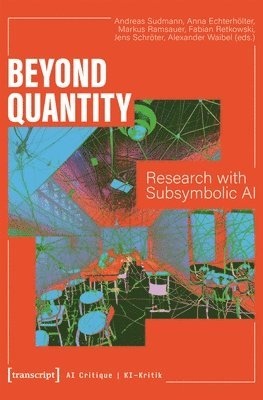
Beyond Quantity
Research with Subsymbolic AI
Av Andreas Sudmann, Anna Echterholter m. fl.
Häftad, 2023
917 kr
Lägg i varukorg
How do artificial neural networks and other forms of artificial intelligence interfere with methods and practices in the sciences? Which interdisciplinary epistemological challenges arise when we think about the use of AI beyond its dependency on big data? Not only the natural sciences, but also …