Alexandra Kollontai – författare
Visar alla böcker från författaren Alexandra Kollontai. Handla med fri frakt och snabb leverans.
12 produkter
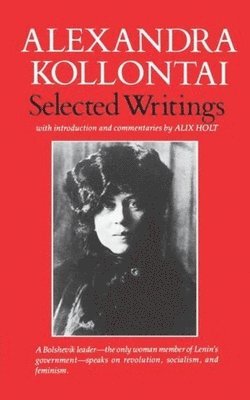
Selected Writings of Alexandra Kollontai
Häftad, 1980
361 kr
Lägg i varukorg
Alexandra Kollontai—the only woman member of the Bolshevik central committee and the USSR’s first Minister of Social Welfare—is known today as a historic contributor to the international women’s movement, and as one of the first Bolshevik leaders to oppose the growth of the bureaucracy in the young …
Die Linke und der Sex
Klassische Texte zum wichtigsten Thema
Av Michel Foucault, Reimut Reiche m. fl.
E-bok, 2016
96 kr
Lägg i varukorg
Die Überwindung von autoritären Formen der Kindererziehung und monogamen, eheähnlichen Zweierbeziehungen war immer wieder integraler Bestandteil utopischer Gesellschaftsentwürfe auf Seiten der politischen Linken. Ebenso waren viele AktivistInnen der 1968er-Bewegung der Überzeugung, soziale …
Befreiung der Frau
Texte zur Geschichte eines weltweiten Kampfes
Av Clara Zetkin, Madeleine Vernet m. fl.
E-bok, 2021
99 kr
Lägg i varukorg
Ungleiche Geschlechterverhältnisse sind noch immer tief in unsere Gesellschaft eingeschrieben. Der Kampf für die Befreiung der Frau von patriarchaler Unterdrückung, wirtschaftlicher Abhängigkeit und Sexismus sowie für soziale Gleichheit steht nach wie vor auf der Tagesordnung jeder wahrhaften …
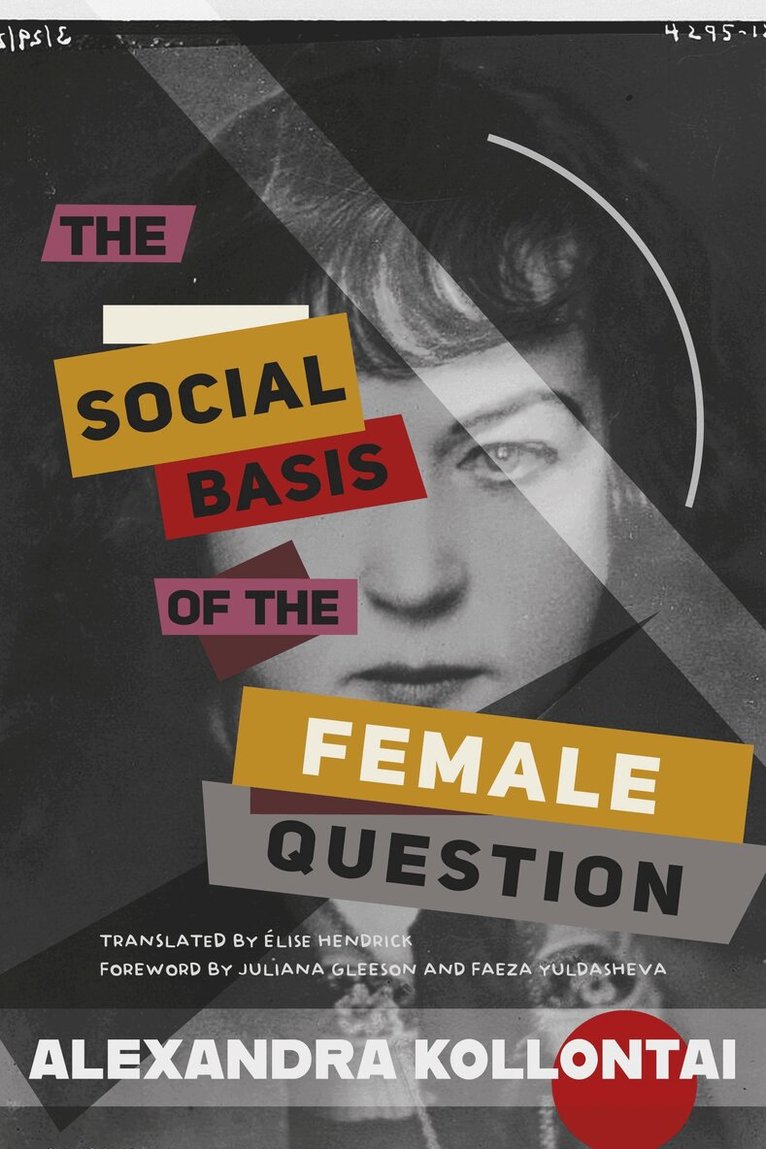
Social Basis of the Female Question
Häftad, 2026
314 kr
Lägg i varukorg
The first full-length English translation of the 1909 book from the revolutionary Russian Marxist feminist Alexandra Kollontai on the state of the contemporary bourgeois women’s movement and the role of working-class women in the struggle for women’s equality.In this classic text from 1909, …
Social Basis of the Female Question
E-bok, 2026
137 kr
Lägg i varukorg
The first full-length English translation of the 1909 book from the revolutionary Russian Marxist feminist Alexandra Kollontai on the state of the contemporary bourgeois women's movement and the role of working-class women in the struggle for women's equality.In this classic text from 1909, …
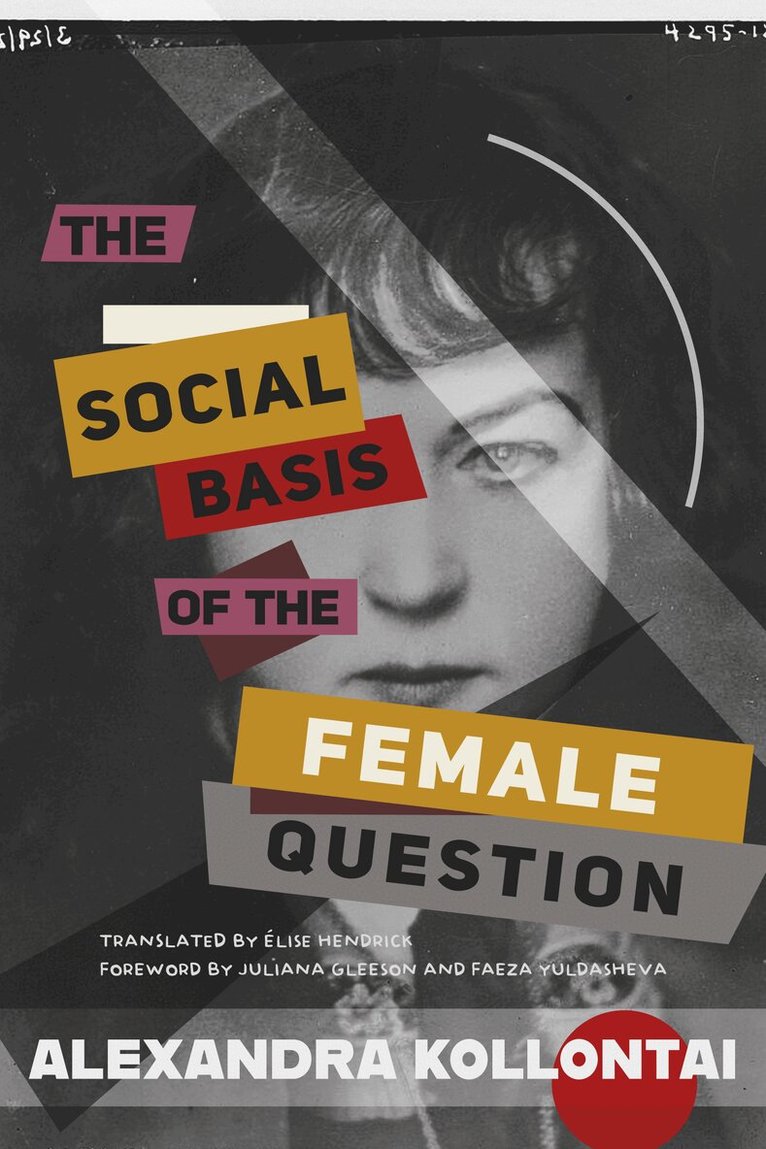
Social Basis of the Female Question
Inbunden, 2026
733 kr
Lägg i varukorg
The first full-length English translation of the 1909 book from the revolutionary Russian Marxist feminist Alexandra Kollontai on the state of the contemporary bourgeois women’s movement and the role of working-class women in the struggle for women’s equality.In this classic text from 1909, …