Alice Equestri - Böcker
Visar alla böcker från författaren Alice Equestri. Handla med fri frakt och snabb leverans.
4 produkter
4 produkter
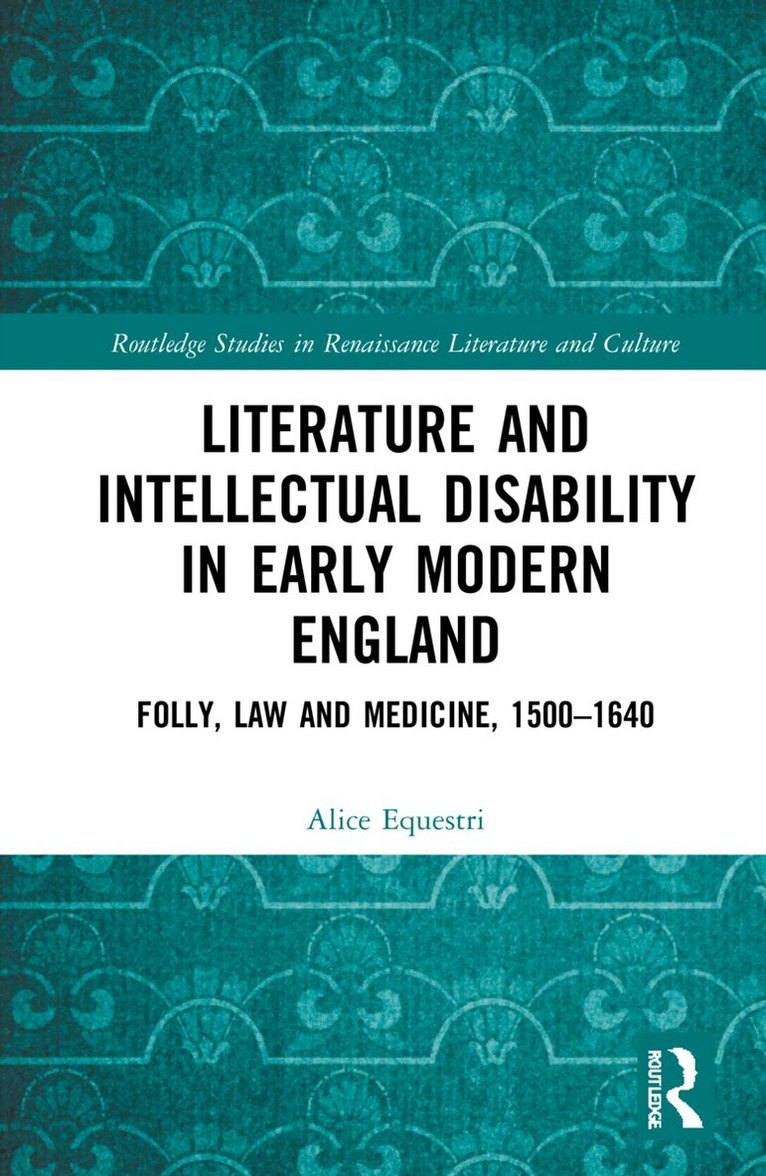
Literature and Intellectual Disability in Early Modern England
Folly, Law and Medicine, 1500-1640
Inbunden, Engelska, 2021
2 637 kr
Skickas inom 10-15 vardagar
Fools and clowns were widely popular characters employed in early modern drama, prose texts and poems mainly as laughter makers, or also as ludicrous metaphorical embodiments of human failures. Literature and Intellectual Disability in Early Modern England: Folly, Law and Medicine, 1500–1640 pays full attention to the intellectual difference of fools, rather than just their performativity: what does their total, partial, or even pretended ‘irrationality’ entail in terms of non-standard psychology or behaviour, and others’ perception of them? Is it possible to offer a close contextualised examination of the meaning of folly in literature as a disability? And how did real people having intellectual disabilities in the Renaissance period influence the representation and subjectivity of literary fools? Alice Equestri answers these and other questions by investigating the wide range of significant connections between the characters and Renaissance legal and medical knowledge as presented in legal records, dictionaries, handbooks, and texts of medicine, natural philosophy, and physiognomy. Furthermore, by bringing early modern folly in closer dialogue with the burgeoning fields of disability studies and disability theory, this study considers multiple sides of the argument in the historical disability experience: intellectual disability as a variation in the person and as a difference which both society and the individual construct or respond to. Early modern literary fools’ characterisation then emerges as stemming from either a realistic or also from a symbolical or rhetorical representation of intellectual disability.
Literature and Intellectual Disability in Early Modern England
Folly, Law and Medicine, 1500-1640
Häftad, Engelska, 2023
710 kr
Skickas inom 10-15 vardagar
Fools and clowns were widely popular characters employed in early modern drama, prose texts and poems mainly as laughter makers, or also as ludicrous metaphorical embodiments of human failures. Literature and Intellectual Disability in Early Modern England: Folly, Law and Medicine, 1500–1640 pays full attention to the intellectual difference of fools, rather than just their performativity: what does their total, partial, or even pretended ‘irrationality’ entail in terms of non-standard psychology or behaviour, and others’ perception of them? Is it possible to offer a close contextualised examination of the meaning of folly in literature as a disability? And how did real people having intellectual disabilities in the Renaissance period influence the representation and subjectivity of literary fools? Alice Equestri answers these and other questions by investigating the wide range of significant connections between the characters and Renaissance legal and medical knowledge as presented in legal records, dictionaries, handbooks, and texts of medicine, natural philosophy, and physiognomy. Furthermore, by bringing early modern folly in closer dialogue with the burgeoning fields of disability studies and disability theory, this study considers multiple sides of the argument in the historical disability experience: intellectual disability as a variation in the person and as a difference which both society and the individual construct or respond to. Early modern literary fools’ characterisation then emerges as stemming from either a realistic or also from a symbolical or rhetorical representation of intellectual disability.
1 383 kr
Skickas inom 7-10 vardagar
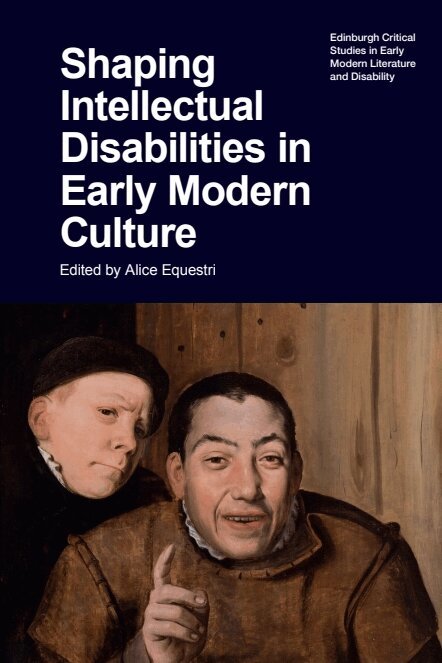
Shaping Intellectual Disabilities in Early Modern Culture is the first edited collection focusing completely on intellectual disability in the early modern period. It offers in-depth analyses of texts from Shakespeare, Ben Jonson, Rabelais, and others, alongside medical and legal treatises, court cases, and political pamphlets. Through social, political or religious bias, intellectual disability could be mapped onto a wider/different range of individuals than it is today. The range of essays included in this book gives a representation of the multifacetedness of the concept by analysing the recurrence of intellectual disability (in the form of characters or tropes) in literary and non-literary genres across various countries. Bringing new case studies to the fore, or reevaluating classic ones (such as Shakespeare's wise fools) through the tools of critical disability studies, this collection showcases intellectual disability histories as products of the interaction between the individual and different contexts or communities sharing political, religious, or colonial interests and ideologies. The book therefore probes the social, cultural and environmental aspects of disability and disablement, also inviting connections between disability and other minority statuses, particularly race.
342 kr
Kommande
Shaping Intellectual Disabilities in Early Modern Culture is the first edited collection focusing completely on intellectual disability in the early modern period. It offers in-depth analyses of texts from Shakespeare, Ben Jonson, Rabelais, and others, alongside medical and legal treatises, court cases, and political pamphlets. Through social, political or religious bias, intellectual disability could be mapped onto a wider/different range of individuals than it is today. The range of essays included in this book gives a representation of the multifacetedness of the concept by analysing the recurrence of intellectual disability (in the form of characters or tropes) in literary and non-literary genres across various countries. Bringing new case studies to the fore, or reevaluating classic ones (such as Shakespeare’s wise fools) through the tools of critical disability studies, this collection showcases intellectual disability histories as products of the interaction between the individual and different contexts or communities sharing political, religious, or colonial interests and ideologies. The book therefore probes the social, cultural and environmental aspects of disability and disablement, also inviting connections between disability and other minority statuses, particularly race.