Alice-Mary Talbot – författare
Visar alla böcker från författaren Alice-Mary Talbot. Handla med fri frakt och snabb leverans.
15 produkter
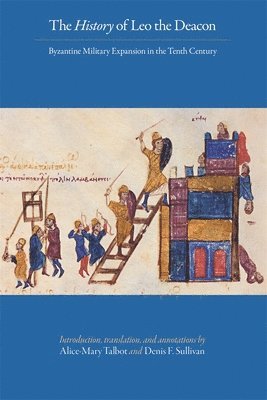
History of Leo the Deacon
Byzantine Military Expansion in the Tenth Century
Av Alice-Mary Talbot, Denis F. Sullivan
Häftad, 2005
228 kr
Lägg i varukorg
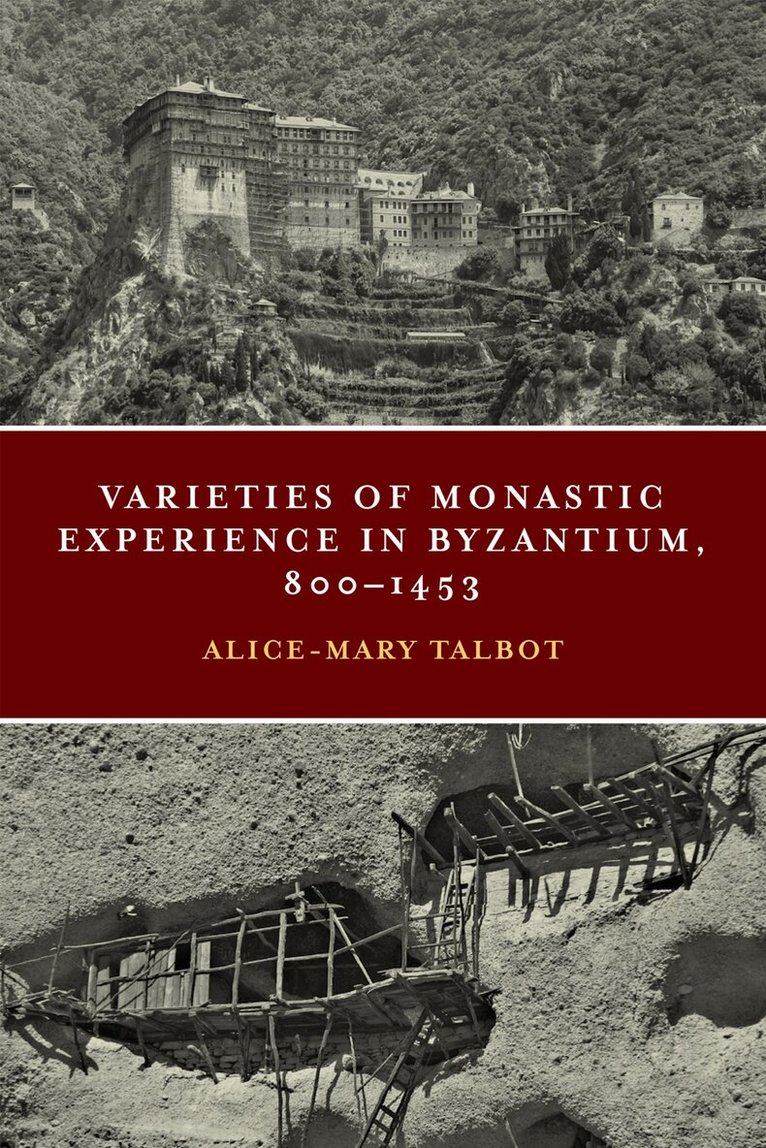
Varieties of Monastic Experience in Byzantium, 800-1453
Inbunden, 2019
1537 kr
Lägg i varukorg
In this unprecedented introduction to Byzantine monasticism, based on the Conway Lectures she delivered at the University of Notre Dame in 2014, Alice-Mary Talbot surveys the various forms of monastic life in the Byzantine Empire between the ninth and fifteenth centuries.
Varieties of Monastic Experience in Byzantium, 800-1453
Häftad, 2019
732 kr
Lägg i varukorg
In this unprecedented introduction to Byzantine monasticism, based on the Conway Lectures she delivered at the University of Notre Dame in 2014, Alice-Mary Talbot surveys the various forms of monastic life in the Byzantine Empire between the ninth and fifteenth centuries.
Women and Religious Life in Byzantium
Inbunden, 2001
2512 kr
Lägg i varukorg
After an introductory general essay on the life cycle and status of women in Byzantine society, this volume focuses on female religious life, with particular emphasis on the role of convents - as spiritual sanctuary, refuge for women in need, or provider of charitable services. Several essays …
Life of Saint Basil the Younger
Critical Edition and Annotated Translation of the Moscow Version
Av Alice–mary Talbot, Stamatina Mcgrath m. fl.
Inbunden, 2014
645 kr
Lägg i varukorg
Becoming Byzantine
Children and Childhood in Byzantium
Av Arietta Papaconstantinou, Alice-Mary Talbot
Häftad, 2014
5,0 utav 5 stjärnor. Totalt antal röster: (1)
405 kr
Lägg i varukorg
The Correspondence of Athanasius I, Patriarch of Constantinople
Av Alice-Mary Talbot, Alice-Mary Talbot
Häftad, 2020
522 kr
Lägg i varukorg
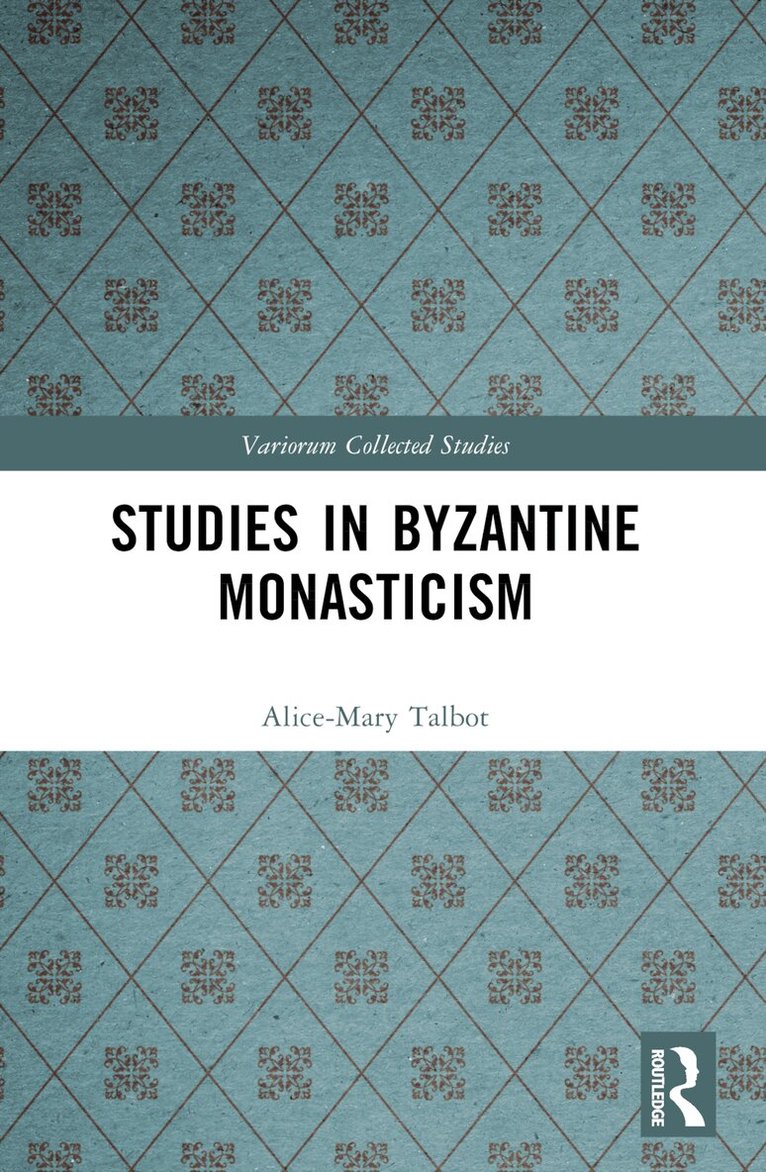
Studies in Byzantine Monasticism
Häftad, 2026
706 kr
Lägg i varukorg
This volume includes seventeen essays on Byzantine monasticism, focusing on the 9th to 15th centuries. Envisaged as a companion Variorum volume to Talbot's Women and Religious Life in Byzantium (2001), this compendium complements its predecessor by focusing more attention on male monasteries, …
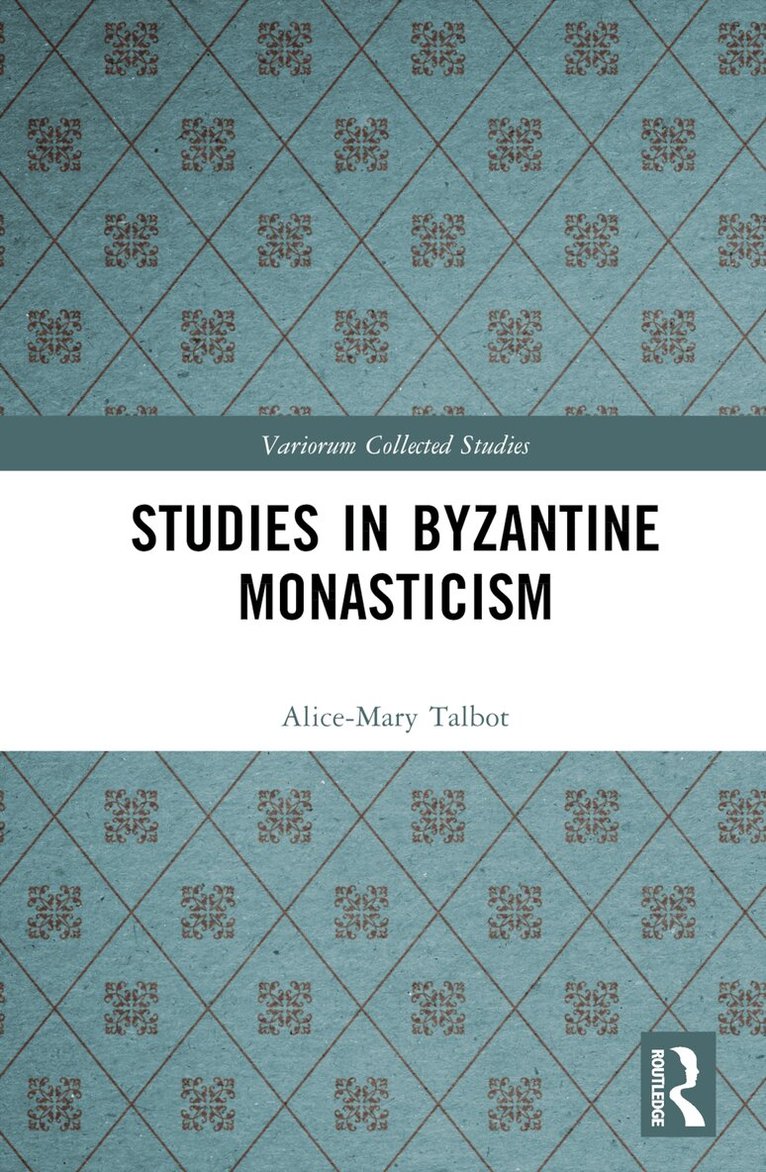
Studies in Byzantine Monasticism
Inbunden, 2024
2512 kr
Lägg i varukorg
This volume includes seventeen essays on Byzantine monasticism, focusing on the 9th to 15th centuries. Envisaged as a companion Variorum volume to Talbot's Women and Religious Life in Byzantium (2001), this compendium complements its predecessor by focusing more attention on male monasteries, …
Studies in Byzantine Monasticism
E-bok, 2024
831 kr
Lägg i varukorg
This volume includes seventeen essays on Byzantine monasticism, focusing on the 9th to 15th centuries. Envisaged as a companion Variorum volume to Talbot''s Women and Religious Life in Byzantium (2001), this compendium complements its predecessor by focusing more attention on male monasteries, …
Studies in Byzantine Monasticism
E-bok, 2024
831 kr
Lägg i varukorg
This volume includes seventeen essays on Byzantine monasticism, focusing on the 9th to 15th centuries. Envisaged as a companion Variorum volume to Talbot''s Women and Religious Life in Byzantium (2001), this compendium complements its predecessor by focusing more attention on male monasteries, …
Women and Religious Life in Byzantium
E-bok, 2024
1022 kr
Lägg i varukorg
After an introductory general essay on the life cycle and status of women in Byzantine society, this volume focuses on female religious life, with particular emphasis on the role of convents - as spiritual sanctuary, refuge for women in need, or provider of charitable services. Several essays …
Women and Religious Life in Byzantium
E-bok, 2024
1022 kr
Lägg i varukorg
After an introductory general essay on the life cycle and status of women in Byzantine society, this volume focuses on female religious life, with particular emphasis on the role of convents - as spiritual sanctuary, refuge for women in need, or provider of charitable services. Several essays …
Byzantine Defenders of Images
Eight Saints' Lives in English Translation
Av Alice-Mary Talbot, Alice-Mary Talbot
Häftad, 1998
196 kr
Tillfälligt slut