Alice Nash - Böcker
Visar alla böcker från författaren Alice Nash. Handla med fri frakt och snabb leverans.
7 produkter
7 produkter
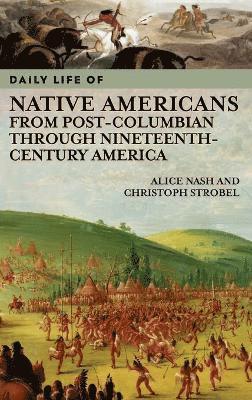
Daily Life of Native Americans from Post-Columbian through Nineteenth-Century America
Inbunden, Engelska, 2006
833 kr
Skickas inom 10-15 vardagar
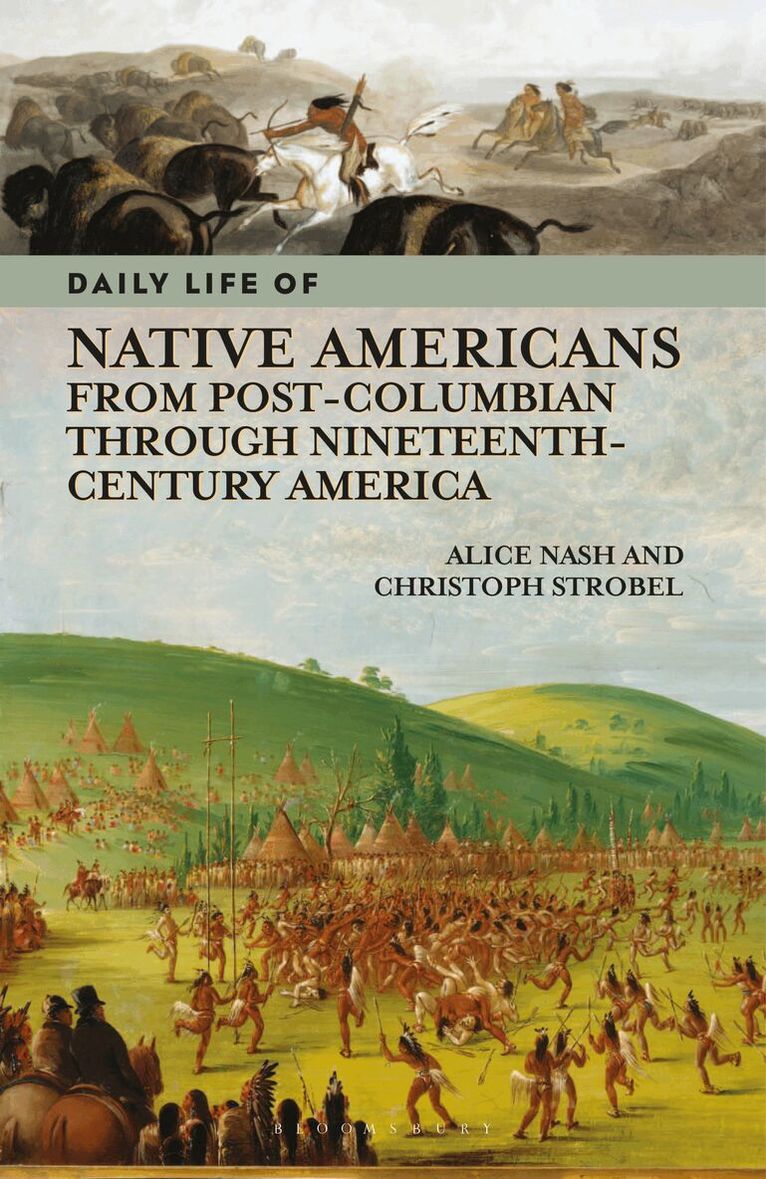
When Columbus discovered America in 1492, there were over five hundred indigenous groups living in what is now the United States. Despite the breathtaking diversity and inventiveness of these peoples, the culture, customs, and history of Native Americans are relatively unknown to many students and general readers today. In ten narrative chapters, organized by geographical region, Nash and Strobel examine the real history of Native Americans. How did Natives interact with European settlers? Did they really have pow-wows? Where did Indian children go to school? Did chiefs really wear feathered headdresses and smoke peace pipes? Dispelling the myths and stereotypes, the day-to-day lives of these tribes and groups during a time of tremendous change is discussed. Chapters include details of daily life such as: clothing; colonization; education; farming & hunting; households & homes; leadership & political power; spirituality, rituals & customs; trade & alliance; warfare; women's & children's roles. Readers will learn the other history of indigenous people; not what is told in many history books, or seen in Hollywood movies and old westerns.When Columbus discovered America in 1492, there were over five hundred indigenous groups living in what is now the United States. Despite the breathtaking diversity and inventiveness of these peoples, the culture, customs, and history of Native Americans are relatively unknown to many students and general readers today. In ten narrative chapters, organized by geographical region, Nash and Strobel examine the real history of Native Americans. How did Natives interact with European settlers? Did they really have pow-wows? Where did Indian children go to school? Did chiefs really wear feathered headdresses and smoke peace pipes? Dispelling the myths and stereotypes, the day-to-day lives of these tribes during a time of tremendous change is discussed. Chapters include details of daily life such as: clothing; colonization; education; farming & hunting; households & homes; leadership & political power; spirituality, rituals & customs; trade & alliance; warfare; women's & children's roles. Readers will learn the other history of indigenous people; not what is told in many history books, or seen in Hollywood movies and old westerns.Greenwood's Daily Life through History series looks at the everyday lives of common people. This book will illuminate the lives of this indigenous group and provide a basis for further research. Black and white photographs, maps and charts are interspersed throughout the text to assist readers. Reference features include a timeline of historic events, sources for further reading, glossary of terms, bibliography and index.
3 256 kr
Skickas inom 10-15 vardagar
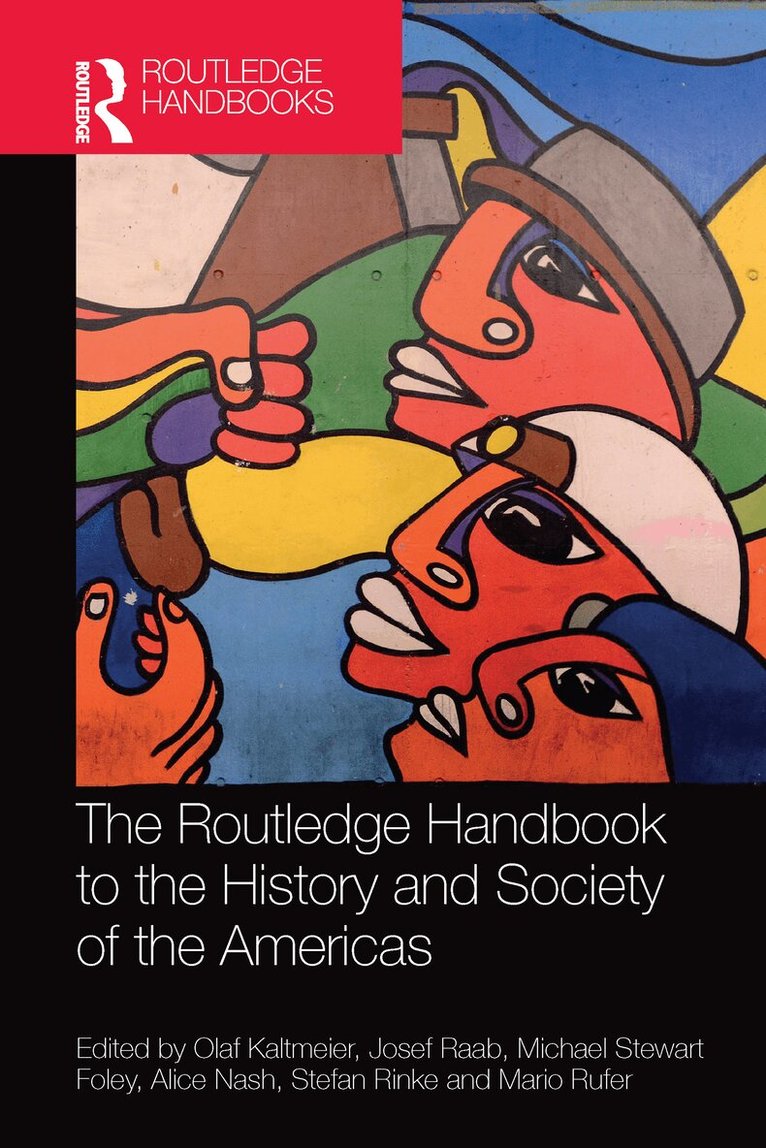
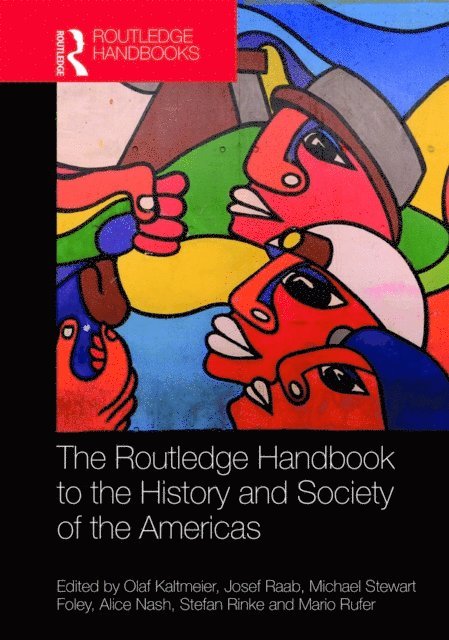
The colonial heritage and its renewed aftermaths – expressed in the inter-American experiences of slavery, indigeneity, dependence, and freedom movements, to mention only a few aspects – form a common ground of experience in the Western Hemisphere. The flow of peoples, goods, knowledge and finances have promoted interdependence and integration that cut across borders and link the countries of North and South America together. The nature of this transversally related and multiply interconnected region can only be captured through a transnational, multidisciplinary, and comprehensive approach. The Routledge Handbook to the History and Society of the Americas explores the history and society of the Americas, placing particular emphasis on collective and intertwined experiences. Forty-four chapters cover a range of concepts and dynamics in the Americas from the colonial period until the present century: The shared histories and dynamics of Inter-American relationships are considered through pre-Hispanic empires, colonization, European hegemony, migration, multiculturalism, and political and economic interdependences. Key concepts are selected and explored from different geopolitical, disciplinary, and epistemological perspectives. Highlighting the contested character of key concepts that are usually defined in strict disciplinary terms, the Handbook provides the basis for a better and deeper understanding of inter-American entanglements. This multidisciplinary approach will be of interest to a broad array of academic scholars and students in history, sociology, political science cultural, postcolonial, gender, literary, and globalization studies.
691 kr
Skickas inom 10-15 vardagar
The colonial heritage and its renewed aftermaths – expressed in the inter-American experiences of slavery, indigeneity, dependence, and freedom movements, to mention only a few aspects – form a common ground of experience in the Western Hemisphere. The flow of peoples, goods, knowledge and finances have promoted interdependence and integration that cut across borders and link the countries of North and South America together. The nature of this transversally related and multiply interconnected region can only be captured through a transnational, multidisciplinary, and comprehensive approach. The Routledge Handbook to the History and Society of the Americas explores the history and society of the Americas, placing particular emphasis on collective and intertwined experiences. Forty-four chapters cover a range of concepts and dynamics in the Americas from the colonial period until the present century: The shared histories and dynamics of Inter-American relationships are considered through pre-Hispanic empires, colonization, European hegemony, migration, multiculturalism, and political and economic interdependences. Key concepts are selected and explored from different geopolitical, disciplinary, and epistemological perspectives. Highlighting the contested character of key concepts that are usually defined in strict disciplinary terms, the Handbook provides the basis for a better and deeper understanding of inter-American entanglements. This multidisciplinary approach will be of interest to a broad array of academic scholars and students in history, sociology, political science cultural, postcolonial, gender, literary, and globalization studies.
159 kr
Skickas inom 5-8 vardagar
334 kr
Skickas inom 5-8 vardagar
207 kr
Skickas inom 5-8 vardagar
Daily Life of Native Americans from Post-Columbian through Nineteenth-Century America
Häftad, Engelska, 2024
324 kr
Skickas inom 10-15 vardagar
When Columbus arrived in America in 1492, there were over 500 indigenous groups living in what is now the United States. Despite the breathtaking diversity and inventiveness of these peoples, the culture, customs, and history of Native Americans are relatively unknown to many students and general readers today. In ten narrative chapters, organized by geographical region, Nash and Strobel examine the real history of Native Americans. How did Natives interact with European settlers? Did they really have pow-wows? Where did Indian children go to school? Did chiefs really wear feathered headdresses and smoke peace pipes? Dispelling the myths and stereotypes, the day-to-day lives of these tribes and groups during a time of tremendous change is discussed. Chapters include details of daily life such as: clothing; colonization; education; farming and hunting; households and homes; leadership and political power; spirituality, rituals and customs; trade and alliance; warfare; women's and children's roles. Readers will learn the other history of indigenous people; not what is told in many history books, or seen in Hollywood movies and old westerns.When Columbus discovered America in 1492, there were over five hundred indigenous groups living in what is now the United States. Despite the breathtaking diversity and inventiveness of these peoples, the culture, customs, and history of Native Americans are relatively unknown to many students and general readers today. In ten narrative chapters, organized by geographical region, Nash and Strobel examine the real history of Native Americans. How did Natives interact with European settlers? Did they really have pow-wows? Where did Indian children go to school? Did chiefs really wear feathered headdresses and smoke peace pipes? Dispelling the myths and stereotypes, the day-to-day lives of these tribes during a time of tremendous change is discussed. Chapters include details of daily life such as: clothing; colonization; education; farming & hunting; households & homes; leadership & political power; spirituality, rituals & customs; trade & alliance; warfare; women's & children's roles. Readers will learn the other history of indigenous people; not what is told in many history books, or seen in Hollywood movies and old westerns.Greenwood's Daily Life through History series looks at the everyday lives of common people. This book will illuminate the lives of this indigenous group and provide a basis for further research. Black and white photographs, maps and charts are interspersed throughout the text to assist readers. Reference features include a timeline of historic events, sources for further reading, glossary of terms, bibliography and index.