Alister Chapman - Böcker
Visar alla böcker från författaren Alister Chapman. Handla med fri frakt och snabb leverans.
3 produkter
3 produkter
371 kr
Skickas inom 5-8 vardagar
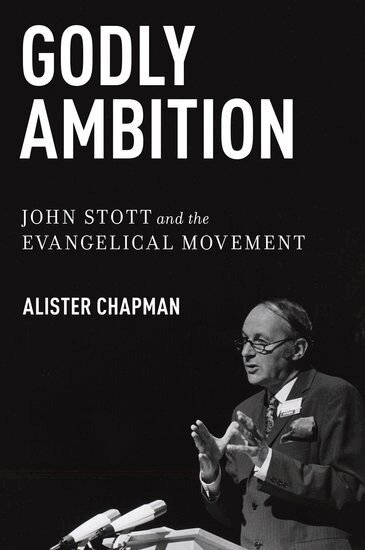
British Christian leader John Stott was one of the most influential figures of the evangelical movement during the second half of the twentieth century. Called the pope of evangelicalism by many, he helped to shape a global religious movement that grew rapidly during his career. He preached to thousands on six continents. Millions bought his books and listened to his sermons. In 2005, Time included him in its annual list of the 100 most influential people in the world. Alister Chapman chronicles Stott's rise to global Christian stardom. The story begins in England with an exploration of Stott's conversion and education, then his ministry to students, his work at All Souls Langham Place, London, and his attempts to increase evangelical influence in the Church of England. By the mid-1970s, Stott had an international presence, leading the evangelical Lausanne movement that attracted evangelicals from almost every country in the world. Chapman recounts how Stott challenged evangelicals' habitual conservatism and anti-intellectualism, showing his role in a movement that was as dysfunctional as it was dynamic. Godly Ambition is the first scholarly biography of Stott. Based on extensive examination of his personal papers, it is a critical yet sympathetic account of a gifted and determined man who did all he could to further God's kingdom and who became a Christian luminary in the process.
1 200 kr
Skickas inom 7-10 vardagar
British theologian John Stott was one of the most influential leaders of the evangelical movement during the second half of the twentieth century. Called the pope of evangelicalism by many, he helped to shape a global religious movement that grew rapidly during his career. Millions bought his books and listened to his sermons. In 2005, Time included him in its annual list of the 100 most influential people in the world. Alister Chapman chronicles Stott's rise to global Christian stardom. The story begins in England with an exploration of Stott's education and involvement in the Church of England, then his ministry to students, his work at All Souls Langham Place, London, and his attempts to increase evangelical influence in the Church of England. By the mid-1970s, Stott had an international presence, leading the evangelical Lausanne movement that attracted evangelicals from almost every country in the world. Chapman recounts Stott's struggles to help evangelicals forsake conservatism and anti-intellectualism, showing his role in a movement that was as dysfunctional as it was dynamic. Godly Ambition is the first scholarly biography of Stott. Based on extensive research drawn from his personal papers, it is a critical yet sympathetic account of a gifted and determined man who did all he could to further God's kingdom and who became a Christian luminary in the process.
394 kr
Skickas inom 10-15 vardagar
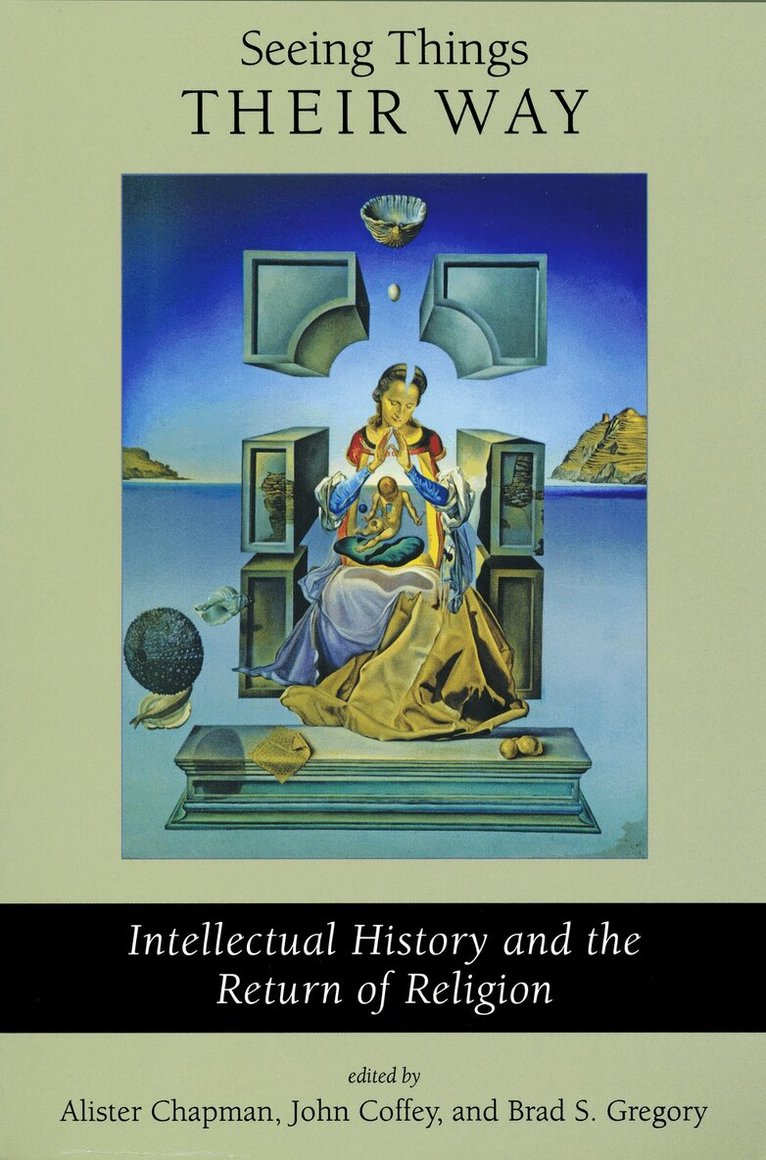
While religious history and intellectual history are both active, dynamic fields of contemporary historical inquiry, historians of ideas and historians of religion have too often paid little attention to one another's work. The intellectual historian Quentin Skinner urged scholars to attend to the contexts as well as the texts of authors, in order to 'see things their way.' Where religion is concerned, however, historians have often failed to heed this good advice; this book helps to remedy that failure. The editors and contributors urge intellectual historians to explore the religious dimensions of ideas and at the same time commend the methods of intellectual history to historians of religion. The introduction is followed by an essay by Brad Gregory reflecting on issues related to the study of the history of religious ideas. Subsequent essays by John Coffey, Anna Sapir Abulafia, Howard Hotson, Richard A. Muller, and Willem J. van Asselt explore the importance of religion in the intellectual history of Great Britain and Europe in the medieval and early modern periods. James Bradley shifts forward with his essay on religious ideas in Enlightenment England. Mark Noll and Alister Chapman deal respectively with British influence on the writing of religious history in America and with the relationship between intellectual history and religion in modern Britain. David Bebbington provides a concluding reflection on the challenges inherent in restoring the centrality of religion to intellectual history.