Allen Blackman - Böcker
Visar alla böcker från författaren Allen Blackman. Handla med fri frakt och snabb leverans.
6 produkter
6 produkter
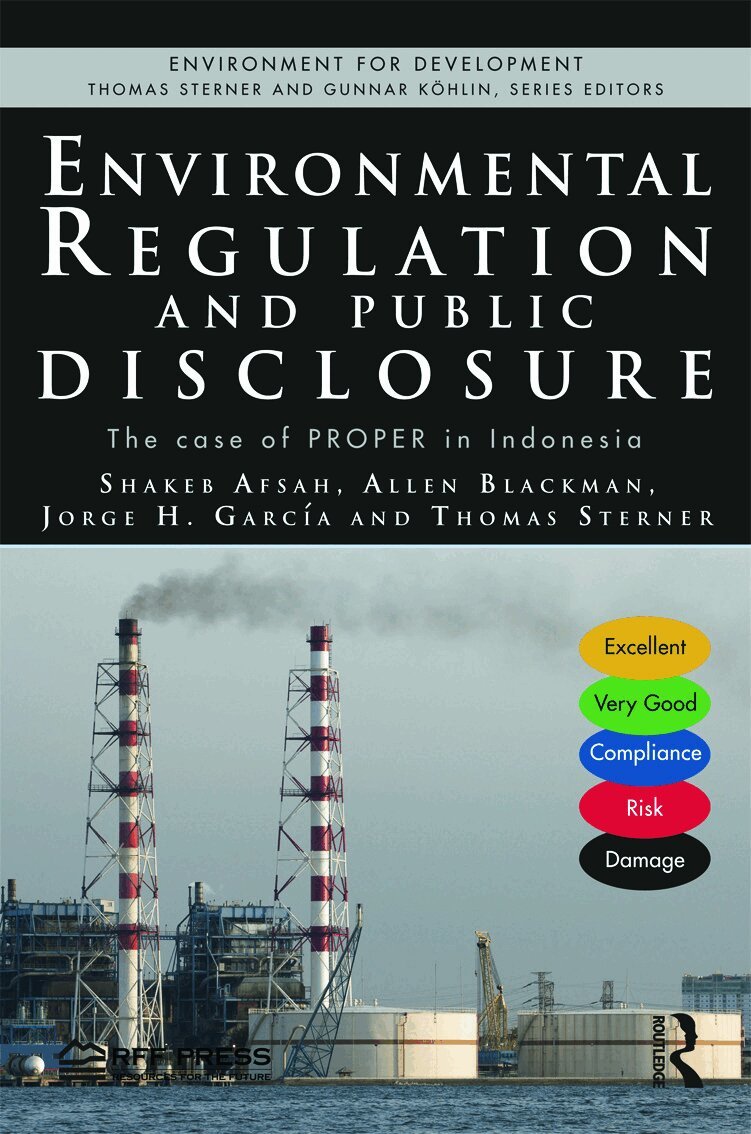
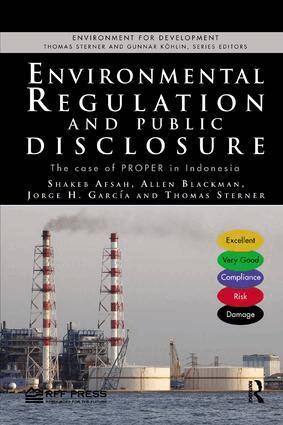
Environmental Regulation and Public Disclosure
The Case of PROPER in Indonesia
Inbunden, Engelska, 2013
1 921 kr
Skickas inom 10-15 vardagar
This book is a remarkable case study of an environmental policy initiative for a national environmental regulatory system in the information age. In 1995 the Indonesian Ministry of Environment took the bold step to launch an environmental disclosure initiative called the Program for Pollution Control, Evaluation and Rating (PROPER). Under PROPER, environmental performance of companies is mapped into a five-color grading scale – Gold for excellent, Green for very good, Blue for good, Red for non-compliance, and Black for causing environmental damage. These ratings are then publicly disclosed through a formal press conference and posted on the internet. Not only did this simple rating scheme create a major media buzz and enhanced environmental awareness of the general public, but it also unleashed a wide range of performance incentives that showed how markets with environmental information could function in a developing country setting. The authors provide a multidisciplinary analysis of how the PROPER program harnessed the power of public disclosure to abate the problem of industrial pollution. They describe how the program has successfully improved the average environmental compliance rate from close to thrity per cent in 1995 to as high as seventy per cent in 2011. This improvement was driven primarily by information disclosure, which avoided expensive and unpredictable legal enforcement through the court system of Indonesia. The combination of institutional history and detailed economic and analyses sheds light on the role of policy entrepreneurs who laid the foundation for disclosure and transparency, despite the constraints of the Suharto regime. The PROPER program is now internationally recognized and continues to serve as a model for many developing countries.
Biodiversity Conservation in Latin America and the Caribbean
Prioritizing Policies
Inbunden, Engelska, 2014
2 088 kr
Skickas inom 10-15 vardagar
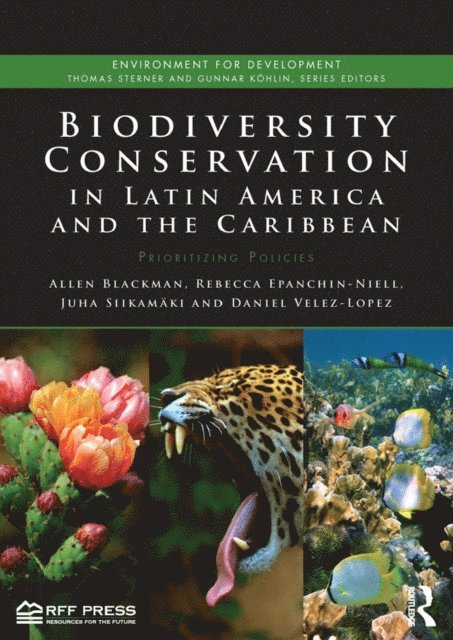
Latin America and the Caribbean (LAC) region is exceptionally biodiverse. It contains about half of the world’s remaining tropical forests, nearly one-fifth of its coastal habitats, and some of its most productive agricultural and marine areas. But agriculture, fishing and other human activities linked to rapid population and economic growth increasingly threaten that biodiversity. Moreover, poverty, weak regulatory capacity, and limited political will hamper conservation. Given this dilemma, it is critically important to design conservation strategies on the basis of the best available information about both biodiversity and the track records of the various policies that have been used to protect it. This rigorously researched book has three key aims. It describes the status of biodiversity in LAC, the main threats to this biodiversity, and the drivers of these threats. It identifies the main policies being used to conserve biodiversity and assesses their effectiveness and potential for further implementation. It proposes five specific lines of practical action for conserving LAC biodiversity, based on: green agriculture; strengthening terrestrial protected areas and co-management; improving environmental governance; strengthening coastal and marine resource management; and improving biodiversity data and policy evaluation.
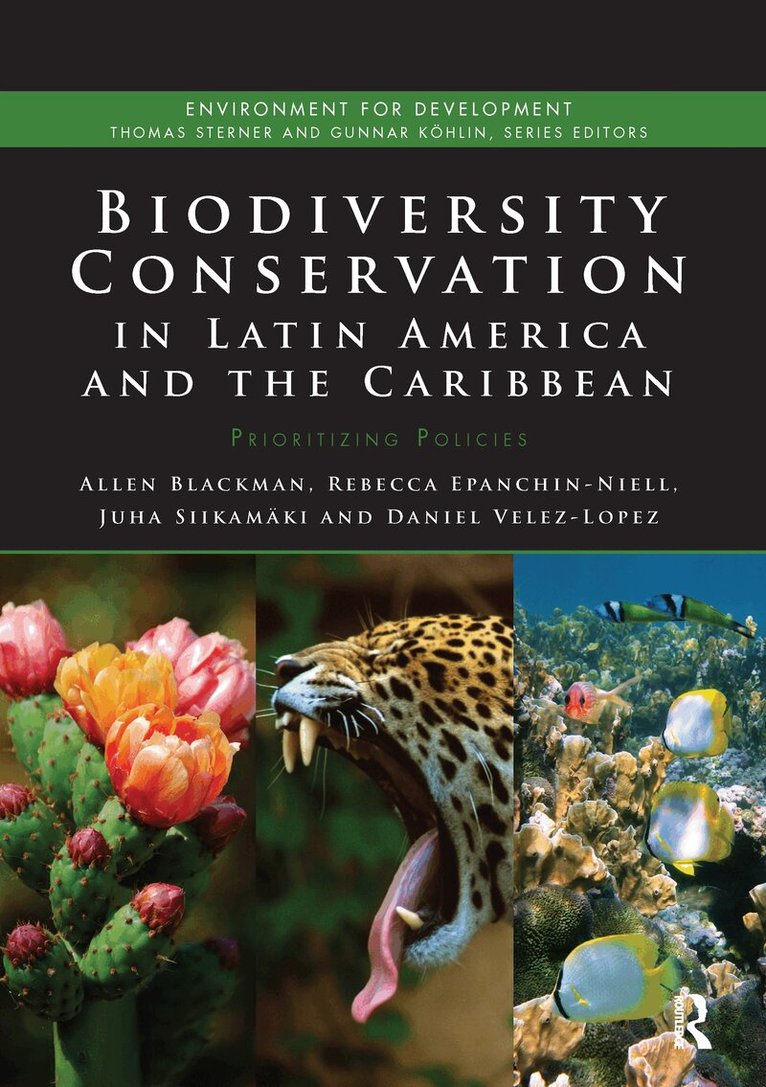
Biodiversity Conservation in Latin America and the Caribbean
Prioritizing Policies
Häftad, Engelska, 2017
698 kr
Skickas inom 10-15 vardagar
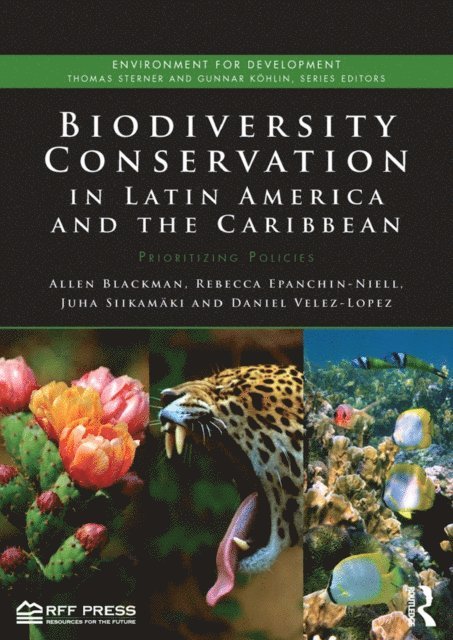
Latin America and the Caribbean (LAC) region is exceptionally biodiverse. It contains about half of the world’s remaining tropical forests, nearly one-fifth of its coastal habitats, and some of its most productive agricultural and marine areas. But agriculture, fishing and other human activities linked to rapid population and economic growth increasingly threaten that biodiversity. Moreover, poverty, weak regulatory capacity, and limited political will hamper conservation. Given this dilemma, it is critically important to design conservation strategies on the basis of the best available information about both biodiversity and the track records of the various policies that have been used to protect it. This rigorously researched book has three key aims. It describes the status of biodiversity in LAC, the main threats to this biodiversity, and the drivers of these threats. It identifies the main policies being used to conserve biodiversity and assesses their effectiveness and potential for further implementation. It proposes five specific lines of practical action for conserving LAC biodiversity, based on: green agriculture; strengthening terrestrial protected areas and co-management; improving environmental governance; strengthening coastal and marine resource management; and improving biodiversity data and policy evaluation.
725 kr
Skickas inom 10-15 vardagar
This book is a remarkable case study of an environmental policy initiative for a national environmental regulatory system in the information age. In 1995 the Indonesian Ministry of Environment took the bold step to launch an environmental disclosure initiative called the Program for Pollution Control, Evaluation and Rating (PROPER). Under PROPER, environmental performance of companies is mapped into a five-color grading scale – Gold for excellent, Green for very good, Blue for good, Red for non-compliance, and Black for causing environmental damage. These ratings are then publicly disclosed through a formal press conference and posted on the internet. Not only did this simple rating scheme create a major media buzz and enhanced environmental awareness of the general public, but it also unleashed a wide range of performance incentives that showed how markets with environmental information could function in a developing country setting. The authors provide a multidisciplinary analysis of how the PROPER program harnessed the power of public disclosure to abate the problem of industrial pollution. They describe how the program has successfully improved the average environmental compliance rate from close to thrity per cent in 1995 to as high as seventy per cent in 2011. This improvement was driven primarily by information disclosure, which avoided expensive and unpredictable legal enforcement through the court system of Indonesia. The combination of institutional history and detailed economic and analyses sheds light on the role of policy entrepreneurs who laid the foundation for disclosure and transparency, despite the constraints of the Suharto regime. The PROPER program is now internationally recognized and continues to serve as a model for many developing countries.
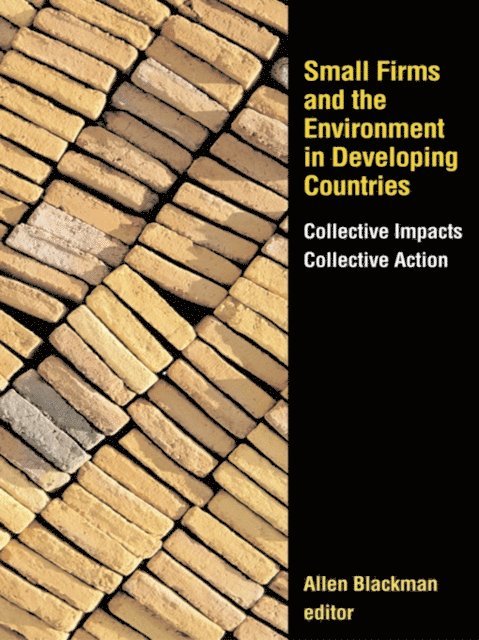
Small Firms and the Environment in Developing Countries
Collective Impacts, Collective Action
Inbunden, Engelska, 2006
1 706 kr
Tillfälligt slut
Small firms - including 'microenterprises' and 'small and medium enterprises' (SMEs) - play a vital economic role in developing countries. They typically provide half of all jobs. In addition, they foster entrepreneurship and help key sectors adapt to changing market conditions. In light of these benefits, programs promoting small firms have become a cornerstone of economic development policy. Increasingly, however, scholars and policymakers are also exploring the link between small firms and the environment. The first compendium of research and policy analysis on this topic, this book is organized around three questions: How important is small firm pollution? Will forcing small firms to comply with environmental regulations exacerbate unemployment and poverty? And what policy options are available to control small firm pollution? Eleven case studies from China, Ecuador, Honduras, India, Malaysia, and Mexico address these questions. They compare the environmental damages caused by small firms and large ones. They explore the positive and negative economic consequences of pollution control strategies focusing on small firms, the administrative challenges of regulating thousands of firms which are often unregistered and unknown to the government, and they describe innovative approaches for persuading small firms to implement effective pollution controls. The case studies cover a variety of industrial sectors including ceramics, leather tanning, textiles, and agro-industry, and evaluate a wide range of environmental management strategies that include encouraging collective action among small firms, creating economic incentives for pollution control, and helping small firms adopt clean technologies and environmental management systems. Many of the chapters are groundbreaking, addressing topics new to the literature?for example, the role of international trade in greening small firms, and funding small firm pollution control projects by linking them to efforts to stem global warming.Highly readable, Small Firms and the Environment in Developing Countries is a valuable text for courses in development policy and economics that have an environmental component or focus. It will also prove of interest to development workers, policymakers in developing countries, and students and scholars of environmental policy and law.
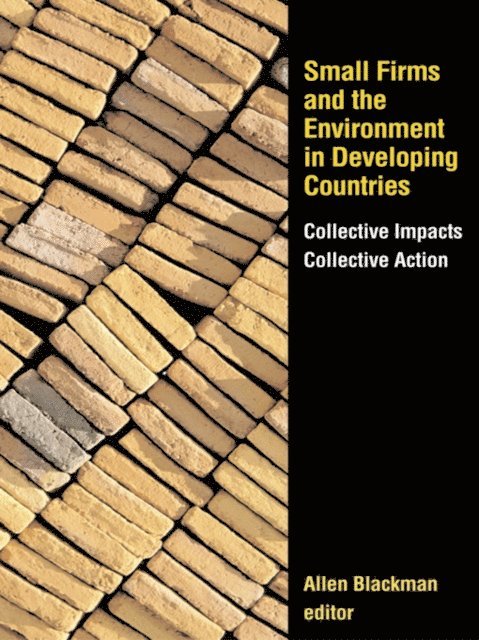
Small Firms and the Environment in Developing Countries
Collective Impacts, Collective Action
Häftad, Engelska, 2006
733 kr
Skickas inom 10-15 vardagar
Small firms - including 'microenterprises' and 'small and medium enterprises' (SMEs) - play a vital economic role in developing countries. They typically provide half of all jobs. In addition, they foster entrepreneurship and help key sectors adapt to changing market conditions. In light of these benefits, programs promoting small firms have become a cornerstone of economic development policy. Increasingly, however, scholars and policymakers are also exploring the link between small firms and the environment. The first compendium of research and policy analysis on this topic, this book is organized around three questions: How important is small firm pollution? Will forcing small firms to comply with environmental regulations exacerbate unemployment and poverty? And what policy options are available to control small firm pollution? Eleven case studies from China, Ecuador, Honduras, India, Malaysia, and Mexico address these questions. They compare the environmental damages caused by small firms and large ones. They explore the positive and negative economic consequences of pollution control strategies focusing on small firms, the administrative challenges of regulating thousands of firms which are often unregistered and unknown to the government, and they describe innovative approaches for persuading small firms to implement effective pollution controls. The case studies cover a variety of industrial sectors including ceramics, leather tanning, textiles, and agro-industry, and evaluate a wide range of environmental management strategies that include encouraging collective action among small firms, creating economic incentives for pollution control, and helping small firms adopt clean technologies and environmental management systems. Many of the chapters are groundbreaking, addressing topics new to the literature?for example, the role of international trade in greening small firms, and funding small firm pollution control projects by linking them to efforts to stem global warming.Highly readable, Small Firms and the Environment in Developing Countries is a valuable text for courses in development policy and economics that have an environmental component or focus. It will also prove of interest to development workers, policymakers in developing countries, and students and scholars of environmental policy and law.