Allen Carey-Webb - Böcker
Visar alla böcker från författaren Allen Carey-Webb. Handla med fri frakt och snabb leverans.
3 produkter
3 produkter
402 kr
Tillfälligt slut
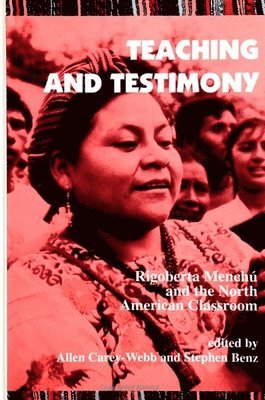
Contains narratives of the experiences of teachers using the testimonial of Rigoberta Menchu, a Guatemalan Indian woman who won the Nobel Peace Prize in 1992. Includes background essays on Menchu and the role of her story in political correctness debates.By utilizing the testimonial narrative of Rigoberta Menchú-a Mayan-Quiché of Guatemala and winner of the 1992 Nobel Peace Prize-teachers in this volume engage students in vital and relevant cross-cultural learning in a variety of locations, disciplines, and levels. Teaching and Testimony tells teachers' stories of using Menchu's testimonial in their classrooms, and invites reflection on the transformative possibility of integrating previously marginalized voices. Energized by the teaching of Menchu's testimonial narrative, I, Rigoberta Menchú, these teachers let their guard down, wrestle with the immediate difficulties and possibilities of multicultural teaching, and speak with passion about the importance of what they and their students are learning.
1 361 kr
Skickas inom 10-15 vardagar
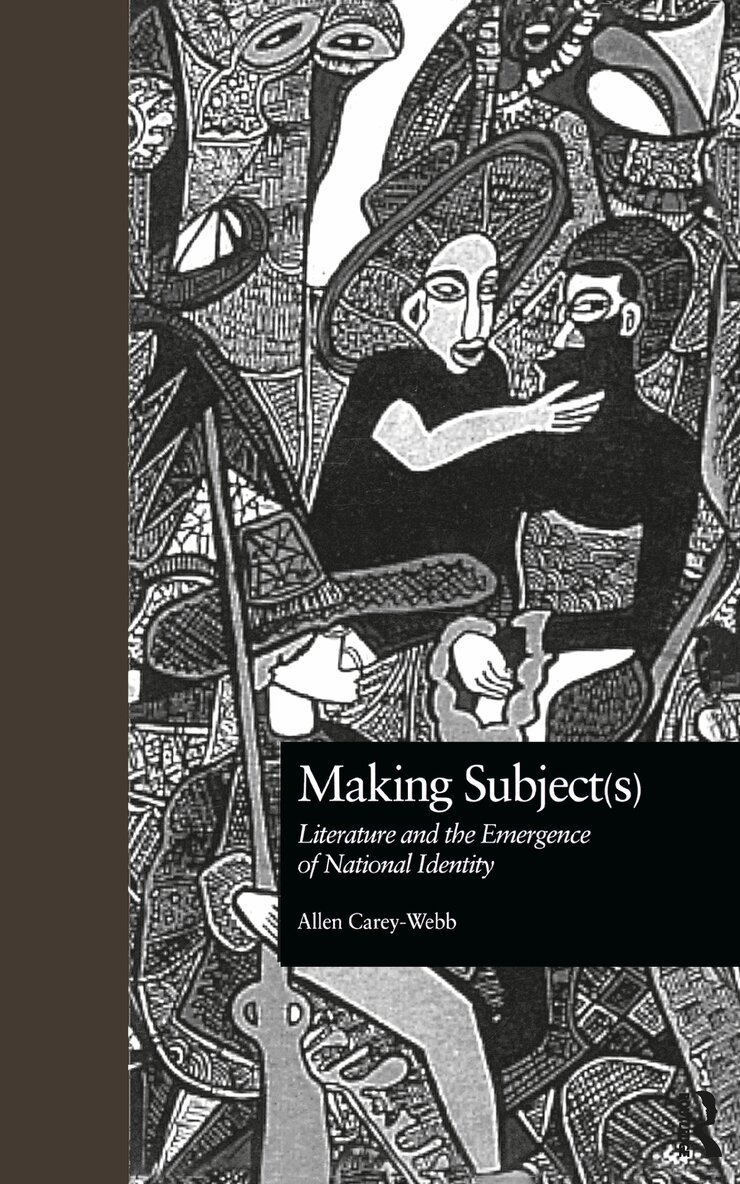
Considering a wide range of cultural materials and engaging in a close reading of literary texts, this book draws a compelling comparison between national identity in Europe and the Third World. The author explores historical periods of nation building in Europe (Early Modernism) and the postcolonial world (post-1945 decolonization) to demonstrate that intriguingly similar circumstances of imperial rule, linguistic diversity, and educational systemization facilitated the emergence of national consciousness in both European and non-European countries. By bringing the insights of postcolonial studies to classic canonical dramas of Shakespeare and Lope de Vega, the author describes the impact of New World colonial encounters on Spanish and English national formation and self-conception. This book is the first to investigate the rich intertextuality of El Nuevo Mundo (Spain, 1601) and The Tempest (England, 1611). Turning to Ousmane Sembene and Salman Rushdie-perhaps the two most important postcolonial writers-this study shows how their finest novels write back to the European tradition of Lope and Shakespeare and simultaneously represent the trend of postcolonial literature from assertive anticolonial nationalism to postmodern national critique. Tracing developments in the study of nationalism and literature from Louis Althusser and Benedict Anderson through Frederic Jameson, Homi Bhabha, and Partha Chatterjee, the book's introduction serves as a lucid guide to a central problem in contemporary cultural studies for the general reader or the specialized scholar. Juxtaposing Renaissance etchings, traditional African and Indian sculpture, 19th-century political cartoons, and intriguing works of contemporary art, Making Subject(s) is of unusual interest and visual appeal.
600 kr
Skickas inom 10-15 vardagar
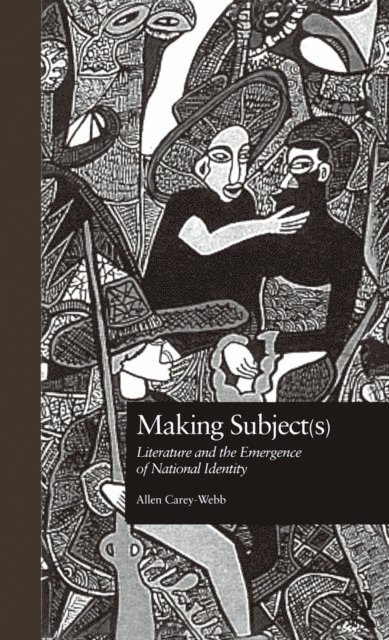
Considering a wide range of cultural materials and engaging in a close reading of literary texts, this book draws a compelling comparison between national identity in Europe and the Third World. The author explores historical periods of nation building in Europe (Early Modernism) and the postcolonial world (post-1945 decolonization) to demonstrate that intriguingly similar circumstances of imperial rule, linguistic diversity, and educational systemization facilitated the emergence of national consciousness in both European and non-European countries. By bringing the insights of postcolonial studies to classic canonical dramas of Shakespeare and Lope de Vega, the author describes the impact of New World colonial encounters on Spanish and English national formation and self-conception. This book is the first to investigate the rich intertextuality of El Nuevo Mundo (Spain, 1601) and The Tempest (England, 1611). Turning to Ousmane Sembene and Salman Rushdie-perhaps the two most important postcolonial writers-this study shows how their finest novels write back to the European tradition of Lope and Shakespeare and simultaneously represent the trend of postcolonial literature from assertive anticolonial nationalism to postmodern national critique. Tracing developments in the study of nationalism and literature from Louis Althusser and Benedict Anderson through Frederic Jameson, Homi Bhabha, and Partha Chatterjee, the book's introduction serves as a lucid guide to a central problem in contemporary cultural studies for the general reader or the specialized scholar. Juxtaposing Renaissance etchings, traditional African and Indian sculpture, 19th-century political cartoons, and intriguing works of contemporary art, Making Subject(s) is of unusual interest and visual appeal.