Alma Rachel Heckman – författare
Visar alla böcker från författaren Alma Rachel Heckman. Handla med fri frakt och snabb leverans.
4 produkter
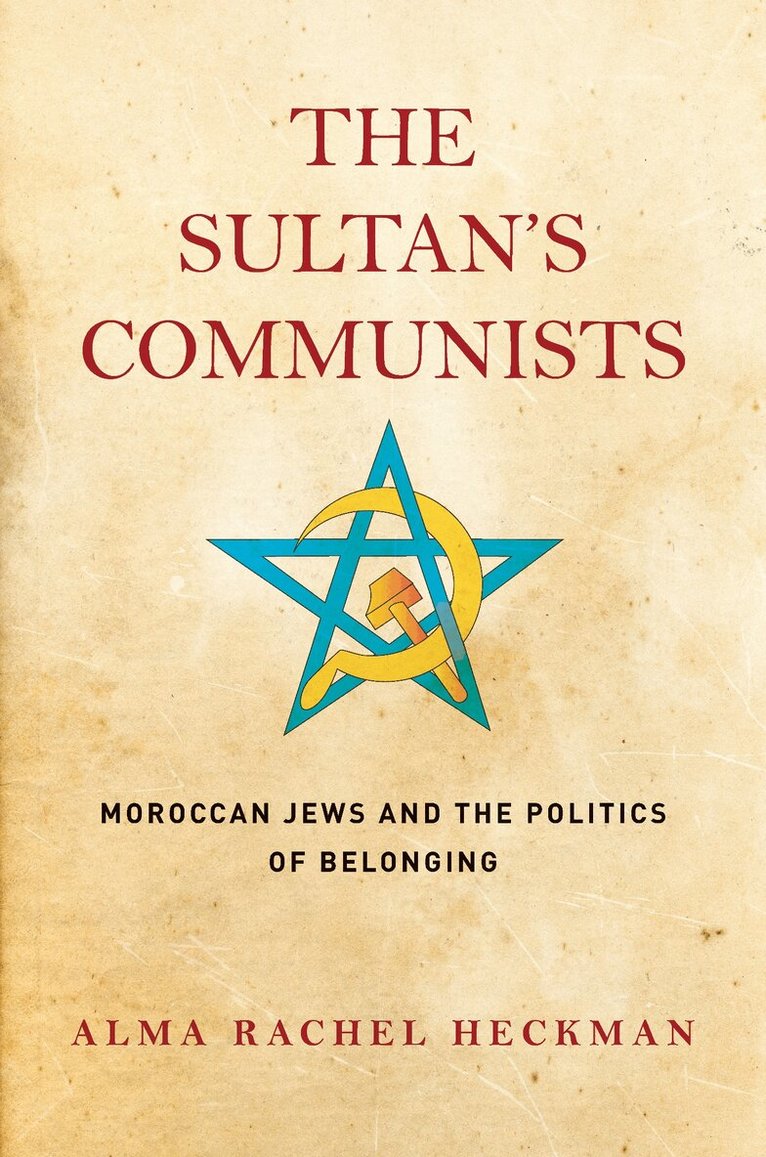
Sultan's Communists
Moroccan Jews and the Politics of Belonging
Inbunden, 2020
869 kr
Lägg i varukorg
The Sultan's Communists uncovers the history of Jewish radical involvement in Morocco's national liberation project and examines how Moroccan Jews envisioned themselves participating as citizens in a newly-independent Morocco. Closely following the lives of five prominent Moroccan Jewish Communists …
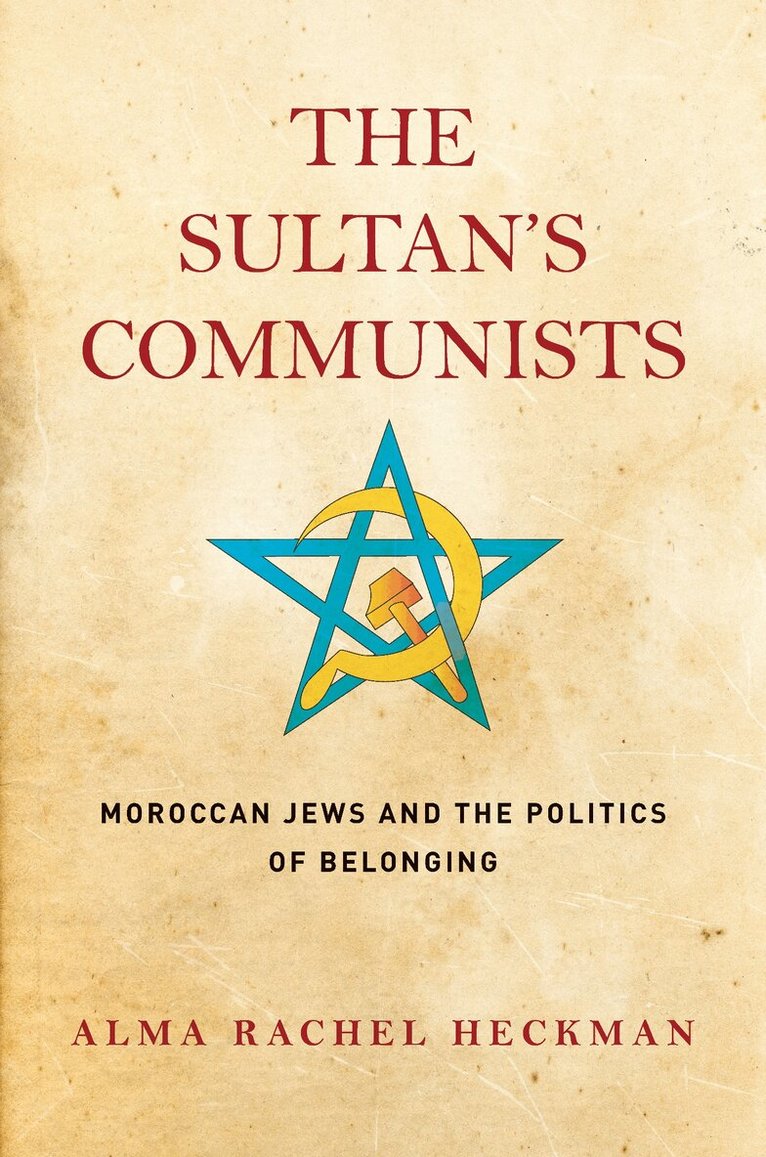
Sultan's Communists
Moroccan Jews and the Politics of Belonging
E-bok, 2020
999 kr
Lägg i varukorg
The Sultan's Communists uncovers the history of Jewish radical involvement in Morocco's national liberation project and examines how Moroccan Jews envisioned themselves participating as citizens in a newly-independent Morocco. Closely following the lives of five prominent Moroccan Jewish Communists …
Radical Jewish Politics
A Global Perspective
Av Nathaniel Deutsch, Alma Rachel Heckman m. fl.
Häftad, 2025
424 kr
Lägg i varukorg
For the first time, this volume centers the rich but little known history of radical Jewish politics in the Middle East and North Africa and puts it into conversation with developments in the Americas, South Africa, Soviet Asia, and Europe. Jews were attracted to radical politics in the nineteenth …
Radical Jewish Politics
A Global Perspective
Av Nathaniel Deutsch, Alma Rachel Heckman m. fl.
Inbunden, 2025
1501 kr
Lägg i varukorg
For the first time, this volume centers the rich but little known history of radical Jewish politics in the Middle East and North Africa and puts it into conversation with developments in the Americas, South Africa, Soviet Asia, and Europe. Jews were attracted to radical politics in the nineteenth …