
Alvin O. Thompson – författare
Visar alla böcker från författaren Alvin O. Thompson. Handla med fri frakt och snabb leverans.
5 produkter
5 produkter
Inbunden, Engelska, 1997
626 kr
Skickas inom 11-20 vardagar
Häftad, Engelska, 1997
504 kr
Skickas inom 3-6 vardagar
Häftad, Engelska, 2004
309 kr
Skickas inom 5-8 vardagar
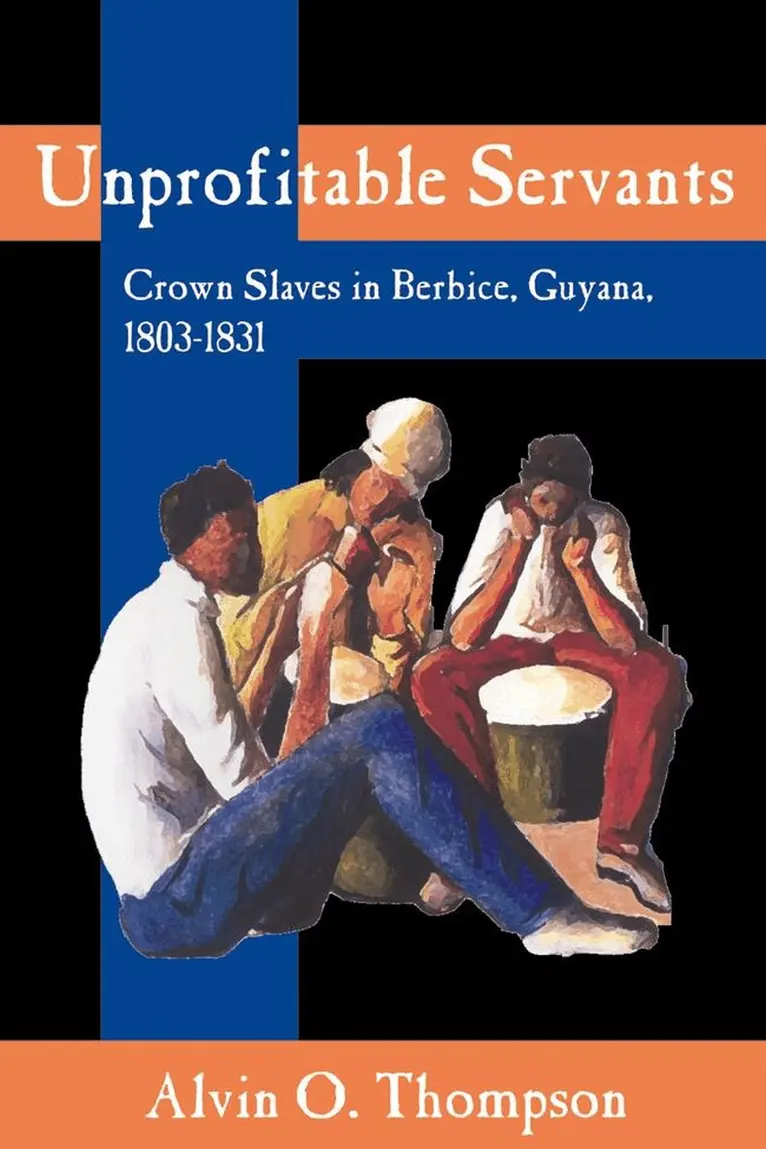
Häftad, Engelska, 2002
444 kr
Skickas inom 10-15 vardagar
In 1803, during the Napoleonic Wars, the British imperial government conquered the Dutch colony of Berbice and took over the management of presumed governmental slaves. These consisted of persons on four estates and artisans in New Amsterdam, the colony's capital, which comprised a group known as winkel (shop) slaves. The British efforts to generate a profit from these slaves caused conflict and engendered resistance. This study is important because it illustrates that the imperial government arrived at the general abolition of slavery throughout its colonies in a rather ad hoc and piecemeal fashion. The study also raises important questions about the government's commitment to general abolition, noting that the crown slaves were hardly treated better than the majority of privately owned slaves. Thompson uses a wealth of archival sources and makes a significant contribution by utilizing primary material so that the slaves themselves recount their individual experiences. The major strength of this work is that it deals with state slaves, a study that has never been done before in the historiography of slavery in the Americas.
Häftad, Engelska, 2006
599 kr
Skickas inom 10-15 vardagar
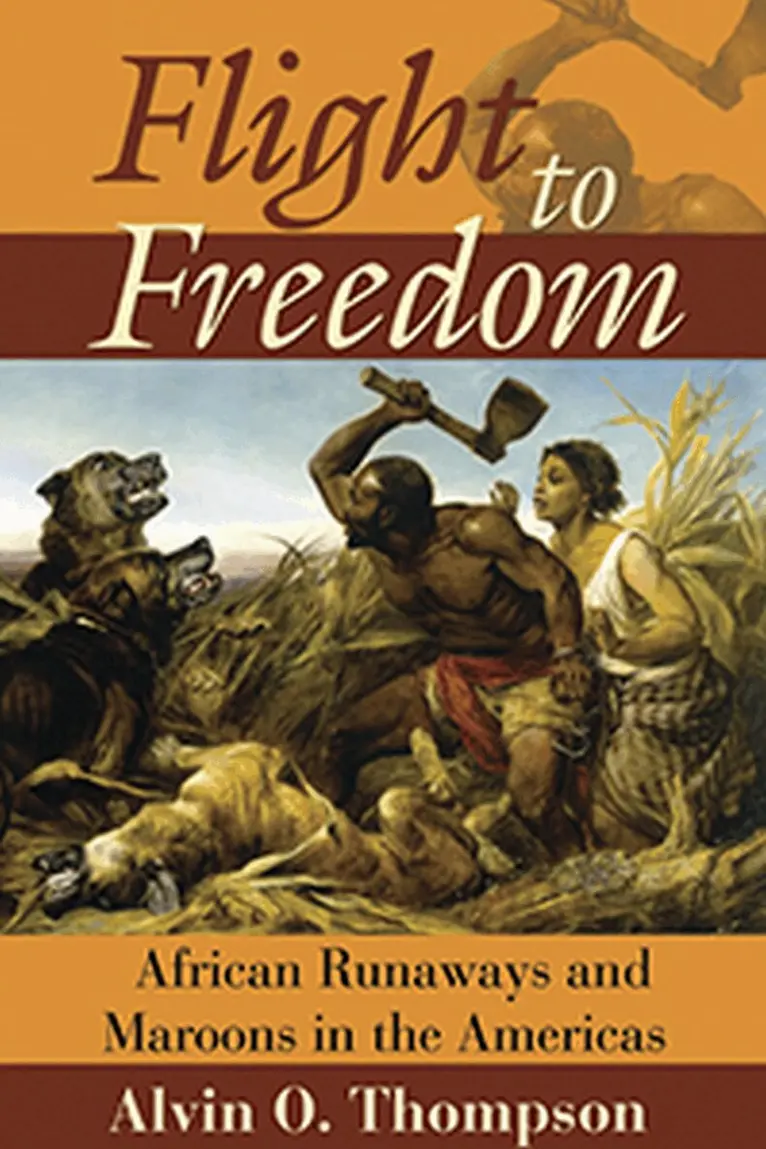
African slavery in the Americas has left indelible marks on the geographical, political, economic, social and cultural landscapes of the Americas. An important part of that indelibility is marronage that involved both flight from slavery and the establishment of free communities. This book is about the struggles of enslaved Africans in the Americas who achieved freedom through flight and the establishment of Maroon communities in the face of overwhelming military odds on the part of the slaveholders. Incontestably, Maroon communities constituted the first independent polities from European colonial rule in the hemisphere, even if the colonial states did not accord them legal recognition. They had their own independent political, economic and social structures, and occupied definitive land spaces that they often contested with the colonial state and won. This study demonstrates how they utilized the natural landscape and modified it to guard their freedom, and also indicates the dangers that complacency, authoritarianism and militarism posed to that freedom. Thompson reassesses several interpretations that have informed the discourse on marronage.While useful monographs exist on the subject, no study to date has attempted to provide the pan-American scope that is critical to understanding the role of marronage in the struggle of the hemisphere's enslaved population for freedom and dignity. Historians, political scientists, sociologists, ethnographers, linguists, archaeologists and other scholars specializing on the Americas or in comparative studies will find this work useful. The text is written in a way that makes it interesting and useful to students at the secondary and tertiary levels, and to the public at large. An earlier version of this manuscript received the Prizes of Caribbean Thought 2003-2004, Political Thought Category, Government of Quintano Roo, Mexico.