Alvise Sforza Tarabochia - Böcker
Visar alla böcker från författaren Alvise Sforza Tarabochia. Handla med fri frakt och snabb leverans.
5 produkter
5 produkter
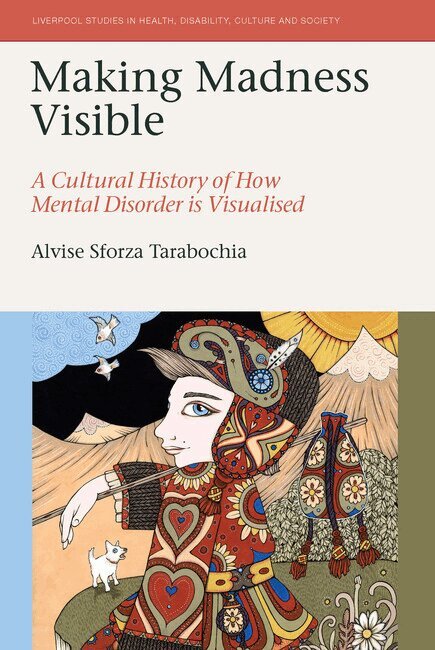
Making Madness Visible
A Cultural History of How Mental Disorder is Visualised
Inbunden, Engelska, 2026
2 280 kr
Kommande
How shall we know insanity from sanity?Making Madness Visible offers a cultural history of the many ways insanity has been visualised, and how such representations have shaped our understanding of mental disorder itself.From medieval depictions of the fool, to the early modern “stone of folly” and convulsive dances, to the walls of the asylum and modern brain scans, visual tropes have long governed how societies distinguish sanity from insanity. Yet these images do more than illustrate. They define, marginalise, and other. By making madness visible, they mark the insane as aberrant and apart – while at the same time also exposing the instability of those very boundaries.Tracing this restless history of visualisation, Dr Alvise Sforza Tarabochia shows how madness has continually troubled borders between reason and unreason, norm and deviance, humanity and inhumanity.Bringing together visual culture, medical history, and cultural analysis, Making Madness Visible demonstrates that the visualisation of mental disorders has never been neutral. Images have not simply reflected ideas of madness – they have actively shaped its treatment
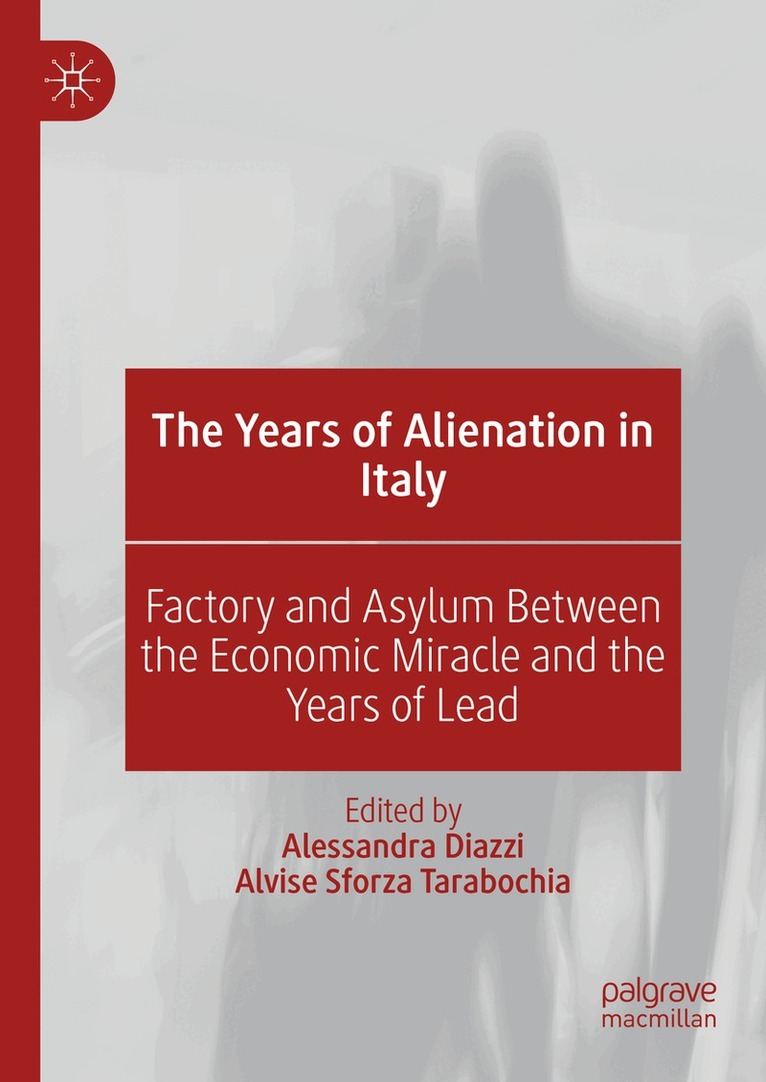
Years of Alienation in Italy
Factory and Asylum Between the Economic Miracle and the Years of Lead
Inbunden, Engelska, 2019
550 kr
Skickas inom 10-15 vardagar
The Years of Alienation in Italy offers an interdisciplinary overview of the socio-political, psychological, philosophical, and cultural meanings that the notion of alienation took on in Italy between the 1960s and the 1970s.
Years of Alienation in Italy
Factory and Asylum Between the Economic Miracle and the Years of Lead
Häftad, Engelska, 2020
550 kr
Skickas inom 10-15 vardagar
The Years of Alienation in Italy offers an interdisciplinary overview of the socio-political, psychological, philosophical, and cultural meanings that the notion of alienation took on in Italy between the 1960s and the 1970s.
1 646 kr
Kommande
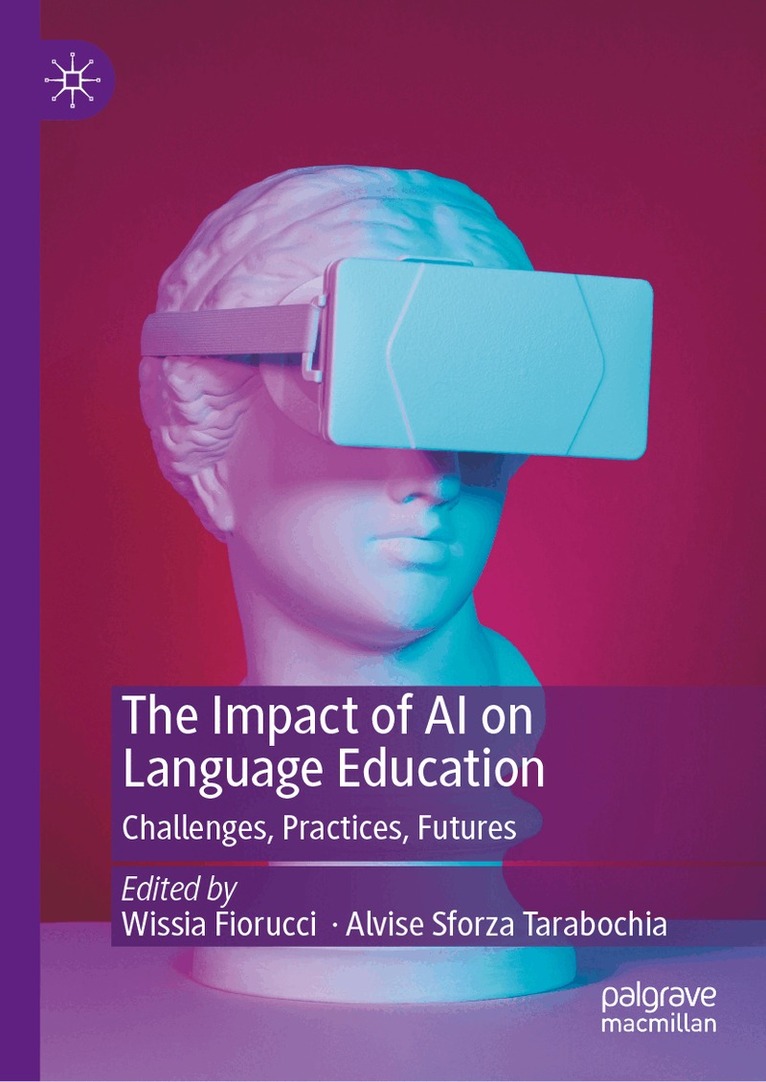
This book explores how Artificial Intelligence is reshaping language education, acknowledging both its pedagogical potential and the challenges it introduces. It examines teacher cognition, assessment, feedback, and intercultural training alongside concerns about ethics, bias, and hallucinated content. Together, these discussions reflect on what responsible and well-informed use of AI in Higher Education should entail.Through case studies, exploratory investigations, and reflective analyses, contributors present practical approaches to classroom integration. Drawing on a range of institutional and linguistic contexts, the volume traces the evolving professional role of language teachers, showing that human judgement and disciplinary expertise remain essential even as AI becomes more prominent in educational ecosystems.The collection supports educators, researchers, and practitioners navigating a rapidly changing landscape. Distinct from much current literature, it brings together perspectives from multiple countries and linguistic traditions, positioning the volume as an invaluable resource for those working across diverse educational settings worldwide.
Del 15 - Italian Modernities
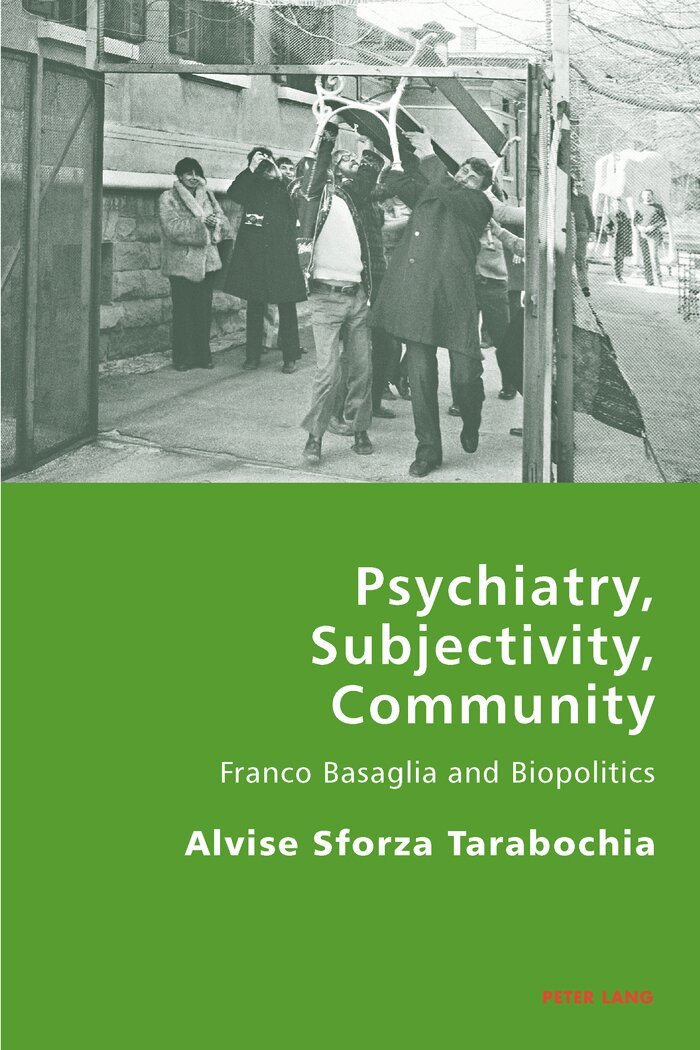
Psychiatry, Subjectivity, Community
Franco Basaglia and Biopolitics
Häftad, Engelska, 2013
863 kr
Skickas inom 5-8 vardagar
Law 180, which abolished mental asylums in Italy, was passed in 1978. It came to be known as the ‘Basaglia Law’, after the physician whose work revolutionised psychiatry in Italy and worldwide. Franco Basaglia (1924-1980) battled to overturn an obsolete but prevalent conception of psychiatry, rooted in the asylum, where allegedly dangerous madmen were incarcerated rather than cured. Following Law 180, the asylum system was indeed dismantled in Italy, to be replaced by community centres. This radical transformation coincided with the emergence of ‘biopolitics’, a direct involvement of political power with the biological lives of the subjects, by means of homogenising disciplines such as the statistical analysis of the population. Examining both his practice and his theory of psychiatry, this book argues that Franco Basaglia foresaw this change in the paradigm of power, and that it is possible to trace its embryonic conception in his writings. Combining history of ideas, social and cultural history, and philosophical analysis, the book contextualises Basaglia’s works within the intense current debate on biopolitics. In doing so, it shows not only how his theory of the subject and his criticism of psychiatry are still as powerful and relevant now as they were in the 1970s, but also how Basaglia’s philosophy makes an integral contribution to the burgeoning field of contemporary Italian theory.