Amber Wutich - Böcker
Visar alla böcker från författaren Amber Wutich. Handla med fri frakt och snabb leverans.
12 produkter
12 produkter
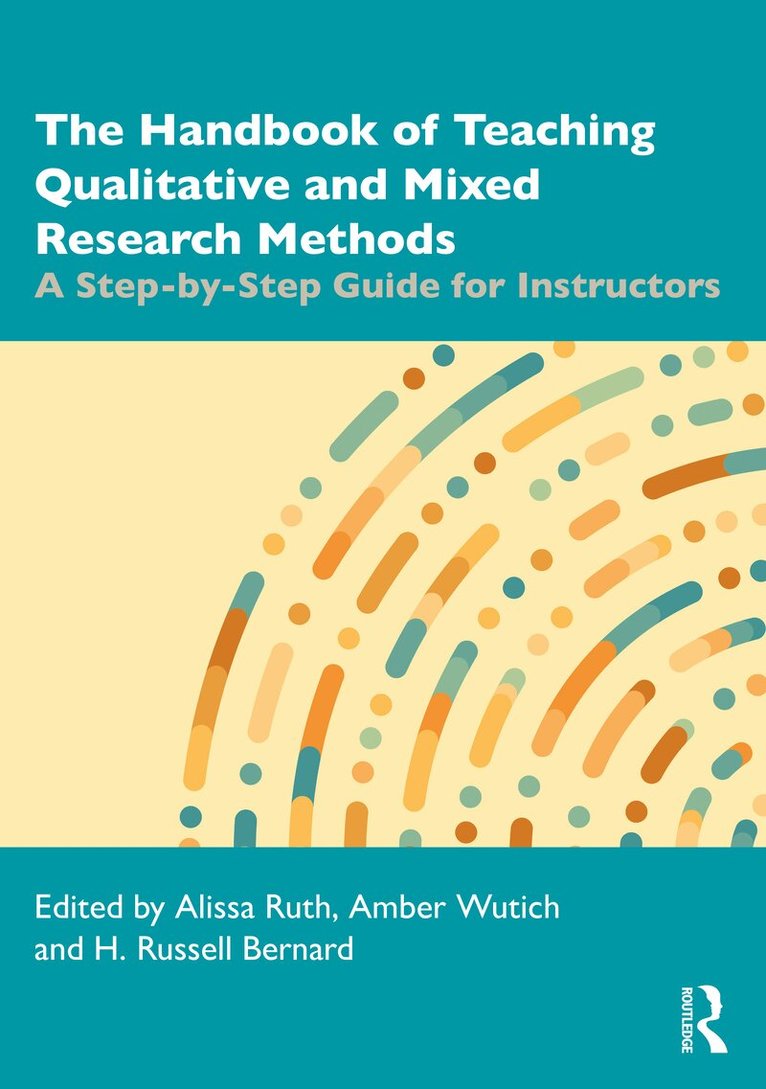
Handbook of Teaching Qualitative and Mixed Research Methods
A Step-by-Step Guide for Instructors
Inbunden, Engelska, 2023
2 023 kr
Skickas inom 10-15 vardagar
The Handbook of Teaching Qualitative and Mixed Research Methods: A Step-by-Step Guide for Instructors presents diverse pedagogical approaches to teaching 71 qualitative and mixed methods.These tried-and-true methods are widely applicable to those teaching and those being trained in qualitative and mixed-methods research. The methods for data collection cover ethics, sampling, interviewing, recording observations of behavior, Indigenous and decolonizing methods and methodologies as well as visual and participatory methods. Methods for analyzing data include coding and finding themes, exploratory and inductive analysis, linguistic analysis, mixed-methods analysis, and comparative analysis. Each method has its own 1,500-word lesson (i.e., chapter) written by expert methodologists from around the globe. In these lessons, contributors give the reader a brief history of the method and describe how they teach it by including their best practices—with succinct, step-by-step instructions—focusing on student-centered experiential and active learning exercises.This comprehensive, one-of a-kind text is an essential reference for instructors who teach qualitative and/or mixed methods across the Social and Behavioral Sciences and other related disciplines, including Anthropology, Sociology, Education, and Health/Nursing research.
Handbook of Teaching Qualitative and Mixed Research Methods
A Step-by-Step Guide for Instructors
Häftad, Engelska, 2023
647 kr
Skickas inom 10-15 vardagar
The Handbook of Teaching Qualitative and Mixed Research Methods: A Step-by-Step Guide for Instructors presents diverse pedagogical approaches to teaching 71 qualitative and mixed methods.These tried-and-true methods are widely applicable to those teaching and those being trained in qualitative and mixed-methods research. The methods for data collection cover ethics, sampling, interviewing, recording observations of behavior, Indigenous and decolonizing methods and methodologies as well as visual and participatory methods. Methods for analyzing data include coding and finding themes, exploratory and inductive analysis, linguistic analysis, mixed-methods analysis, and comparative analysis. Each method has its own 1,500-word lesson (i.e., chapter) written by expert methodologists from around the globe. In these lessons, contributors give the reader a brief history of the method and describe how they teach it by including their best practices—with succinct, step-by-step instructions—focusing on student-centered experiential and active learning exercises.This comprehensive, one-of a-kind text is an essential reference for instructors who teach qualitative and/or mixed methods across the Social and Behavioral Sciences and other related disciplines, including Anthropology, Sociology, Education, and Health/Nursing research.
1 655 kr
Skickas inom 7-10 vardagar
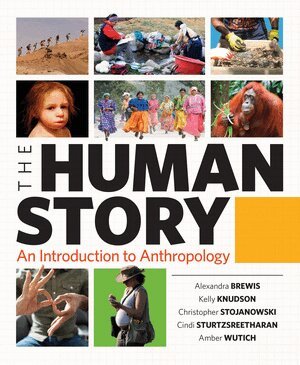
The Human Story is the first general anthropology textbook written by award-winning scholars and teachers from all four of the discipline’s subfields. In each chapter, the authors weave perspectives from cultural anthropology, biological anthropology, archaeology, and linguistic anthropology into an engaging narrative, inviting students to think anthropologically about themselves and the world around them. By emphasizing contemporary research from a diverse cast of anthropologists, the authors provide students with a uniquely holistic, balanced, and up-to-date view of the discipline. To provide students with the most effective possible learning experience, a dynamic media package features a Norton Illumine Ebook with animations and Anthropology in 3D models.
417 kr
Skickas inom 7-10 vardagar
How stigma derails well-intentioned public health efforts, creating suffering and worsening inequalities.2020 Winner, Society for Anthropological Sciences Carol R. Ember Book Prize,Shortlisted for the British Sociological Association's Foundation for the Sociology of Health and Illness Book PrizeStigma is a dehumanizing process, where shaming and blaming are embedded in our beliefs about who does and does not have value within society. In Lazy, Crazy, and Disgusting, medical anthropologists Alexandra Brewis and Amber Wutich explore a darker side of public health: that well-intentioned public health campaigns can create new and damaging stigma, even when they are otherwise successful. Brewis and Wutich present a novel, synthetic argument about how stigmas act as a massive driver of global disease and suffering, killing or sickening billions every year. They focus on three of the most complex, difficult-to-fix global health efforts: bringing sanitation to all, treating mental illness, and preventing obesity. They explain how and why humans so readily stigmatize, how this derails ongoing public health efforts, and why this process invariably hurts people who are already at risk. They also explore how new stigmas enter global health so easily and consider why destigmatization is so very difficult. Finally, the book offers potential solutions that may be able to prevent, challenge, and fix stigma. Stigma elimination, Brewis and Wutich conclude, must be recognized as a necessary and core component of all global health efforts.Drawing on the authors' keen observations and decades of fieldwork, Lazy, Crazy, and Disgusting combines a wide array of ethnographic evidence from around the globe to demonstrate conclusively how stigma undermines global health's basic goals to create both health and justice.
283 kr
Skickas inom 7-10 vardagar
How stigma derails well-intentioned public health efforts, creating suffering and worsening inequalities.2020 Winner, Society for Anthropological Sciences Carol R. Ember Book Prize,Shortlisted for the British Sociological Association's Foundation for the Sociology of Health and Illness Book PrizeStigma is a dehumanizing process, where shaming and blaming are embedded in our beliefs about who does and does not have value within society. In Lazy, Crazy, and Disgusting, medical anthropologists Alexandra Brewis and Amber Wutich explore a darker side of public health: that well-intentioned public health campaigns can create new and damaging stigma, even when they are otherwise successful. Brewis and Wutich present a novel, synthetic argument about how stigmas act as a massive driver of global disease and suffering, killing or sickening billions every year. They focus on three of the most complex, difficult-to-fix global health efforts: bringing sanitation to all, treating mental illness, and preventing obesity. They explain how and why humans so readily stigmatize, how this derails ongoing public health efforts, and why this process invariably hurts people who are already at risk. They also explore how new stigmas enter global health so easily and consider why destigmatization is so very difficult. Finally, the book offers potential solutions that may be able to prevent, challenge, and fix stigma. Stigma elimination, Brewis and Wutich conclude, must be recognized as a necessary and core component of all global health efforts.Drawing on the authors' keen observations and decades of fieldwork, Lazy, Crazy, and Disgusting combines a wide array of ethnographic evidence from around the globe to demonstrate conclusively how stigma undermines global health's basic goals to create both health and justice.
282 kr
Skickas inom 7-10 vardagar
A study that explores patients' perspectives on a life-altering surgeryBariatric surgery rates around the world have increased exponentially over the past decade. In Extreme Weight Loss, anthropologists Sarah Trainer, Alexandra Brewis, and Amber Wutich provide us with an inside look at how patients experience this medical procedure, as well as its far-reaching and complex personal implications. Drawing on patient interviews, survey data, and more, Trainer, Brewis, and Wutich explore why people decide to undergo bariatric surgery, and how that decision transforms their lives. They show, in painstaking detail, how the journey to weight loss is can be at once painful and liberating, dispiriting and self-affirming.Extreme Weight Loss explores questions about which bodies are treated as though they belong in modern societies, and which bodies are treated as unwanted. It considers how people challenge and manage these unfair standards, illuminating what it means to be large-bodied in America's diet-obsessed culture.
1 003 kr
Skickas inom 10-15 vardagar
A study that explores patients' perspectives on a life-altering surgeryBariatric surgery rates around the world have increased exponentially over the past decade. In Extreme Weight Loss, anthropologists Sarah Trainer, Alexandra Brewis, and Amber Wutich provide us with an inside look at how patients experience this medical procedure, as well as its far-reaching and complex personal implications. Drawing on patient interviews, survey data, and more, Trainer, Brewis, and Wutich explore why people decide to undergo bariatric surgery, and how that decision transforms their lives. They show, in painstaking detail, how the journey to weight loss is can be at once painful and liberating, dispiriting and self-affirming.Extreme Weight Loss explores questions about which bodies are treated as though they belong in modern societies, and which bodies are treated as unwanted. It considers how people challenge and manage these unfair standards, illuminating what it means to be large-bodied in America's diet-obsessed culture.
1 056 kr
Skickas inom 3-6 vardagar
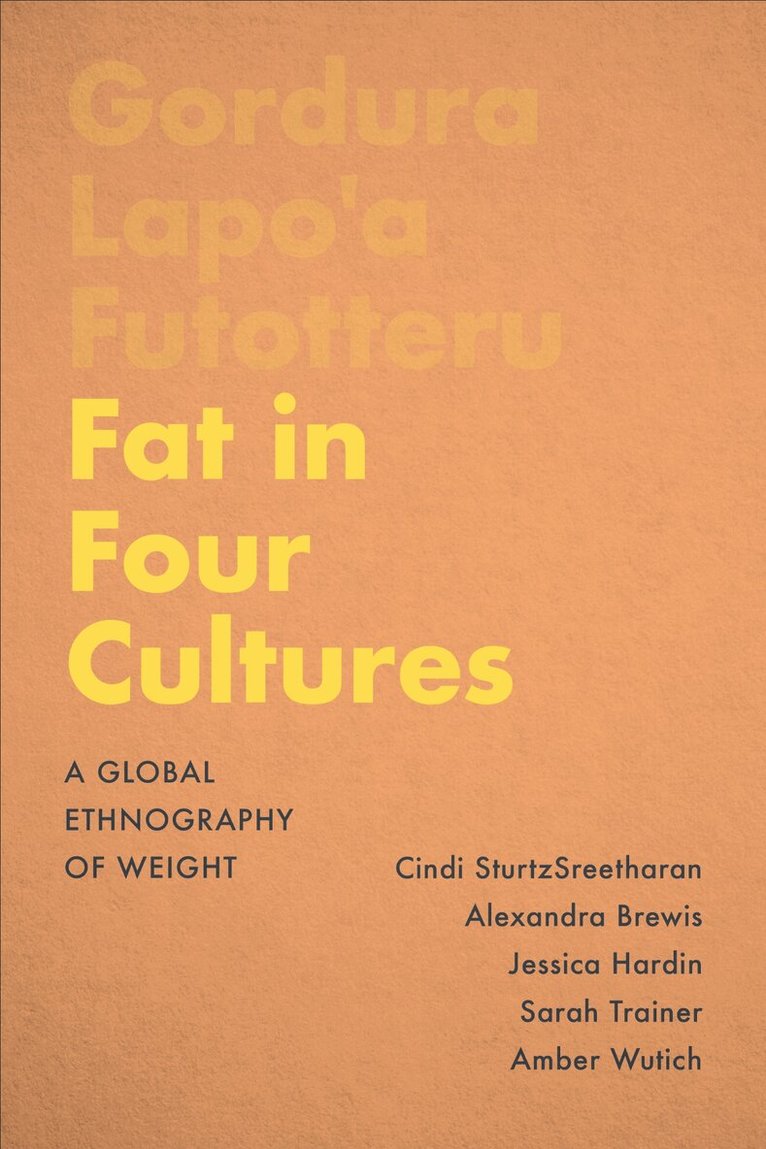
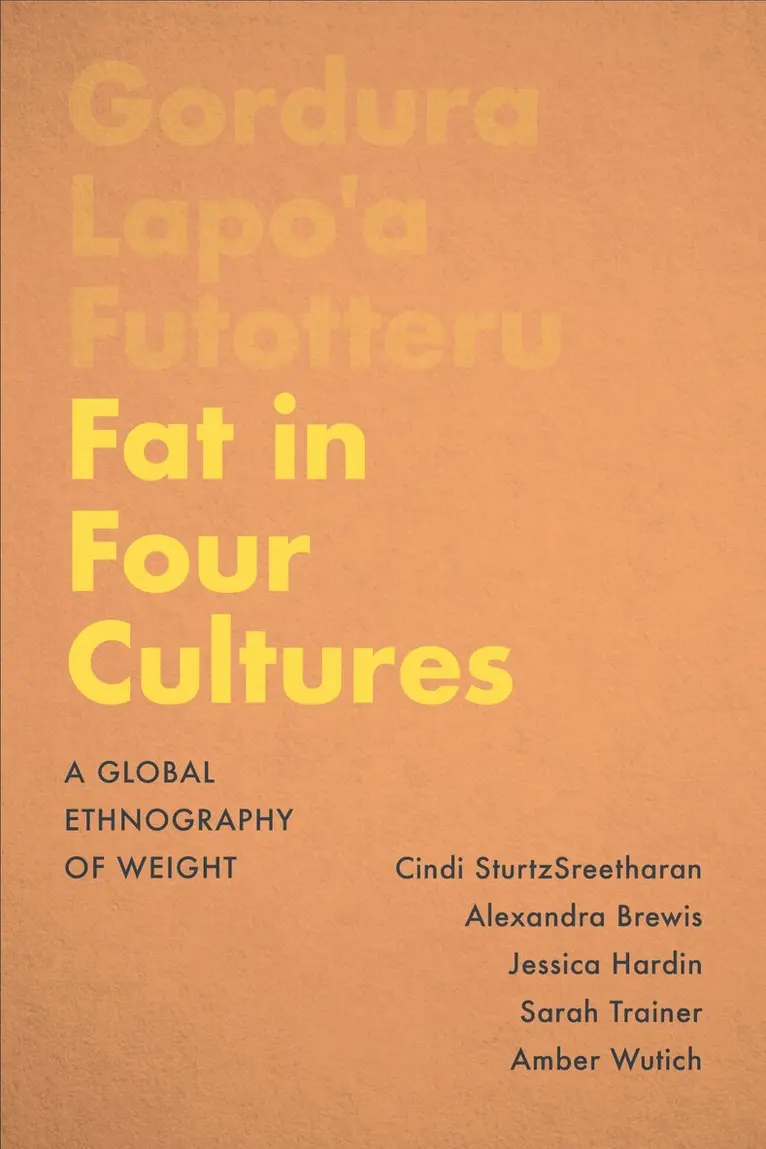
This unique comparative ethnography uses a systematic and nuanced approach to delve into the myriad meanings of "being fat" within and across different global sites.
243 kr
Skickas inom 7-10 vardagar
Traits that signal belonging dictate our daily routines, including how we eat, move, and connect to others. In recent years, "fat" has emerged as a shared anchor in defining who belongs and is valued versus who does not and is not. The stigma surrounding weight transcends many social, cultural, political, and economic divides. The concern over body image shapes not only how we see ourselves, but also how we talk, interact, and fit into our social networks, communities, and broader society.Fat in Four Cultures is a co-authored comparative ethnography that reveals the shared struggles and local distinctions of how people across the globe are coping with a bombardment of anti-fat messages. Highlighting important differences in how people experience "being fat," the cases in this book are based on fieldwork by five anthropologists working together simultaneously in four different sites across the globe: Japan, the United States, Paraguay, and Samoa.Through these cases, Fat in Four Cultures considers what insights can be gained through systematic, cross-cultural comparison. Written in an eye-opening and narrative-driven style, with clearly defined and consistently used key terms, this book effectively explores a series of fundamental questions about the present and future of fat and obesity.
2 398 kr
Kommande
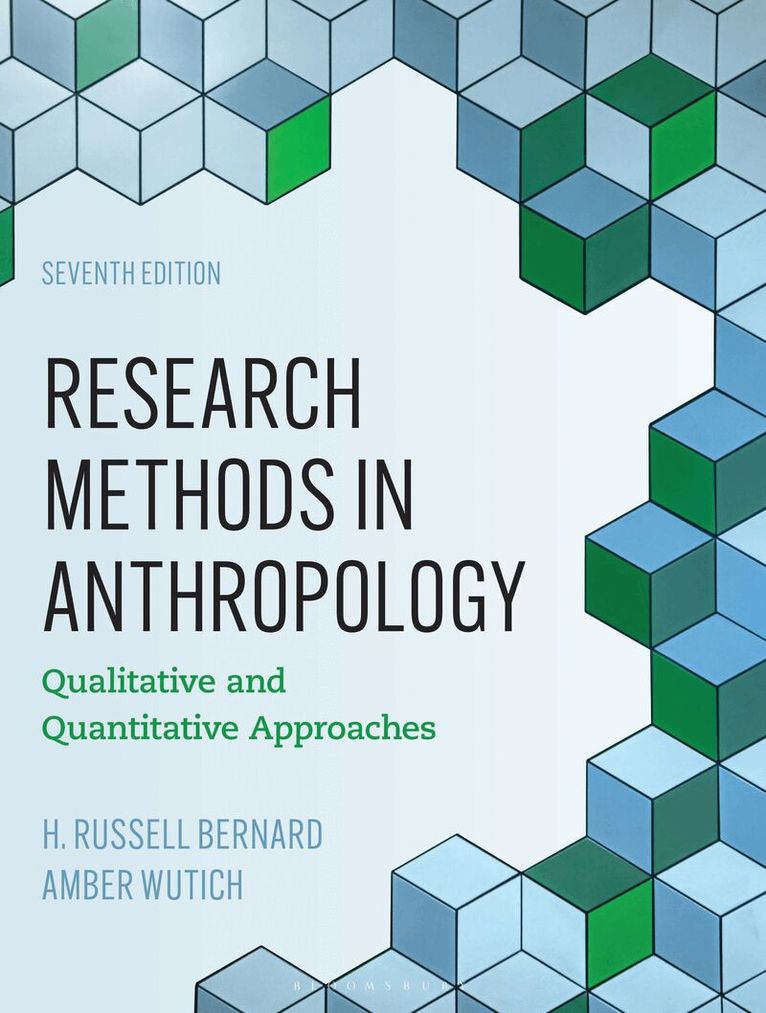
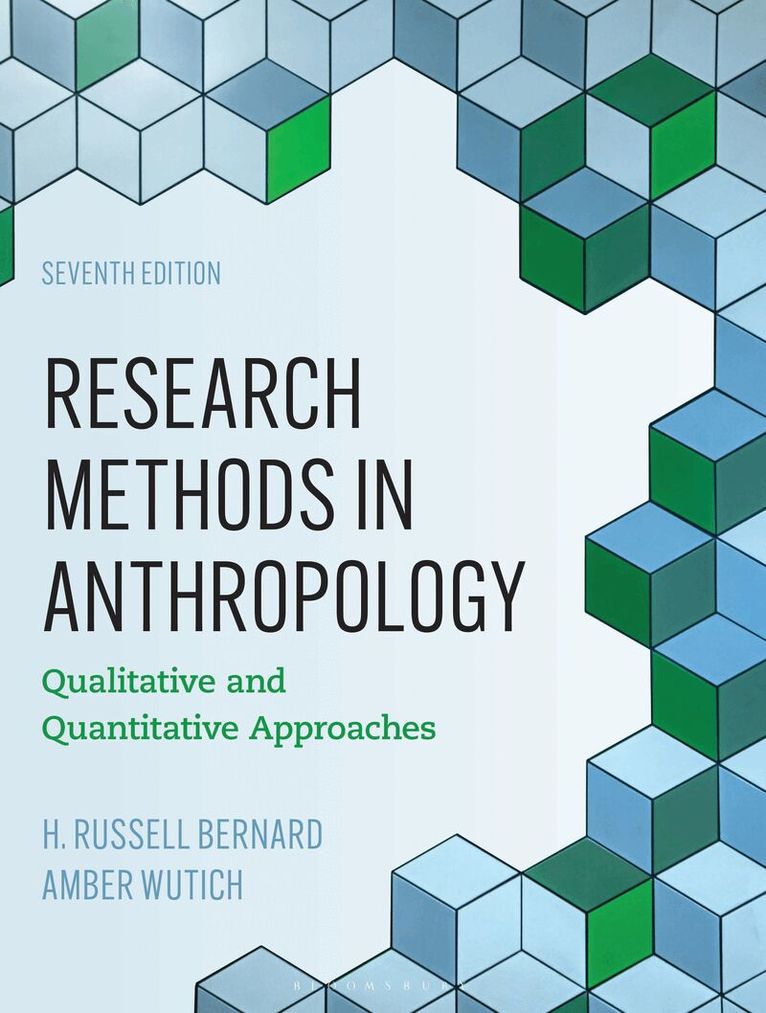
Research Methods in Anthropology is the field’s classic, celebrated introduction—and the most comprehensive survey available—of qualitative and quantitative research methods. Written in Russell Bernard’s unmistakable conversational style, this guide has launched tens of thousands of students into fieldwork with a combination of rigorous methodology, wry humor, and commonsense advice. The book’s tripart organization covers the three major components of research (research design, data collection, and data analysis) in an accessible, step-by-step manner that eases students into developing their anthropological mindsets. Boldfaced key terms introduce students to the vocabulary of social research, boxes expand on ideas covered in the text, and an appendix on “Resources for Fieldworkers” provides a comprehensive collection of student aids for the code of ethics, statistics packages, research journals, and area files.New to the Seventh Edition:- New Chapter 6, “Ethics and the Conduct of Anthropology” walks students through the challenges anthropologists face in research and how to deal with them - New Chapter 25, “On Writing Up” introduces the basics of getting articles published in peer-reviewed journals - New discussion of “The Art of Proposal Writing” teaches students to write persuasively about the importance, rigor, and creativity of their proposed work- Expanded Chapters 11 and 12, “Collecting Cultural Domain Data” and “Collecting Social Network Data” offer practical skills in data collection for both cutting-edge and classic anthropological methods
825 kr
Kommande
Research Methods in Anthropology is the field’s classic, celebrated introduction—and the most comprehensive survey available—of qualitative and quantitative research methods. Written in Russell Bernard’s unmistakable conversational style, this guide has launched tens of thousands of students into fieldwork with a combination of rigorous methodology, wry humor, and commonsense advice. The book’s tripart organization covers the three major components of research (research design, data collection, and data analysis) in an accessible, step-by-step manner that eases students into developing their anthropological mindsets. Boldfaced key terms introduce students to the vocabulary of social research, boxes expand on ideas covered in the text, and an appendix on “Resources for Fieldworkers” provides a comprehensive collection of student aids for the code of ethics, statistics packages, research journals, and area files.New to the Seventh Edition:- New Chapter 6, “Ethics and the Conduct of Anthropology” walks students through the challenges anthropologists face in research and how to deal with them - New Chapter 25, “On Writing Up” introduces the basics of getting articles published in peer-reviewed journals - New discussion of “The Art of Proposal Writing” teaches students to write persuasively about the importance, rigor, and creativity of their proposed work- Expanded Chapters 11 and 12, “Collecting Cultural Domain Data” and “Collecting Social Network Data” offer practical skills in data collection for both cutting-edge and classic anthropological methods
2 197 kr
Kommande
Social Research Methods: Qualitative and Quantitative Approaches equips students with the tools they need to conduct meaningful research across the social sciences. By blending qualitative and quantitative methods, it helps graduate students not only understand how to use research techniques—but also when and why to use them.