Amira K. Bennison – författare
Visar alla böcker från författaren Amira K. Bennison. Handla med fri frakt och snabb leverans.
16 produkter
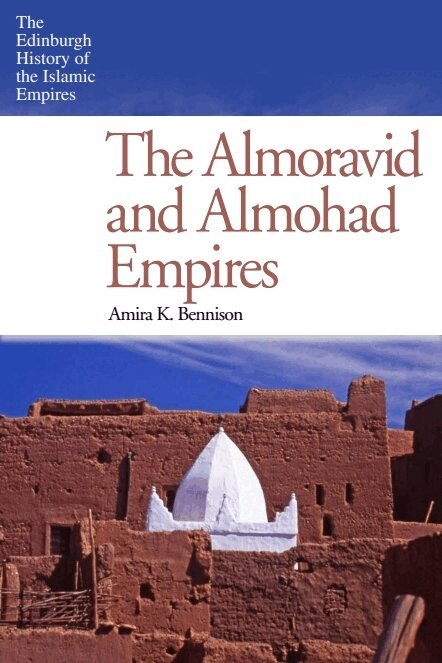
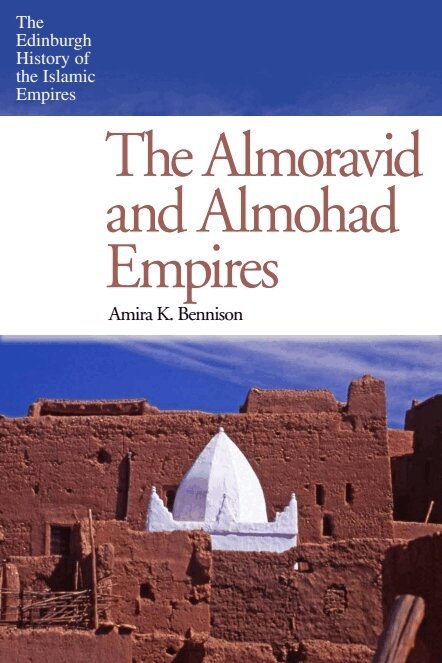
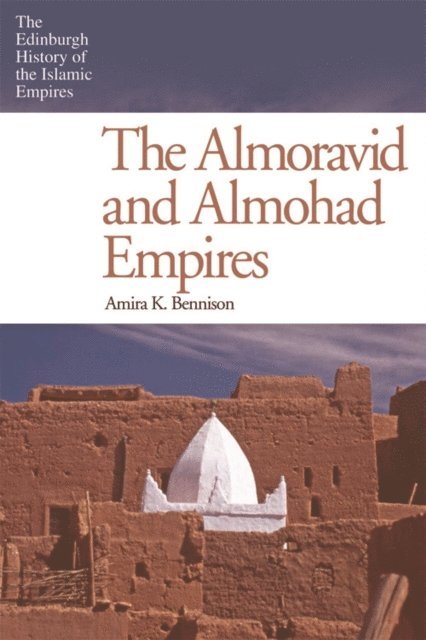
Almoravid and Almohad Empires
Häftad, 2016
410 kr
Lägg i varukorg
The first combined history of two of the great Islamic empires of the 10th-13th centuriesAfrican invaders of Spain? Berber nationalists who destroyed the convivencia between Muslims, Christians and Jews? Or key contributors to the maturation of Islamic society in the Maghrib?The Almoravid and …
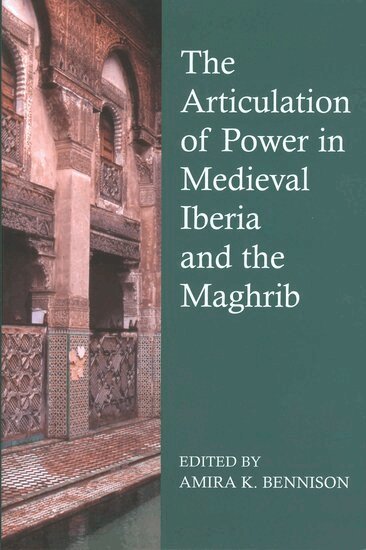
The Articulation of Power in Medieval Iberia and the Maghrib
Av Bennison, Amira K. Bennison
Inbunden, 2014
1068 kr
Lägg i varukorg
How do rulers make their rule palatable and appealing to their subjects or citizens? Drawing on the expertise of several international scholars, this volume explores how rulers in medieval Iberia and the Maghrib presented their rule and what strategies they adopted to persuade their subjects of …
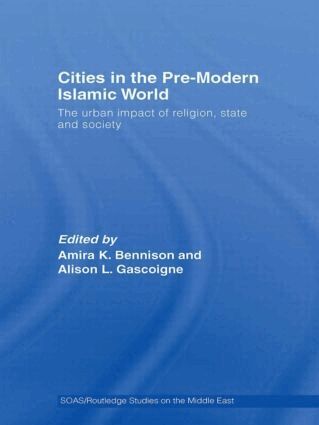
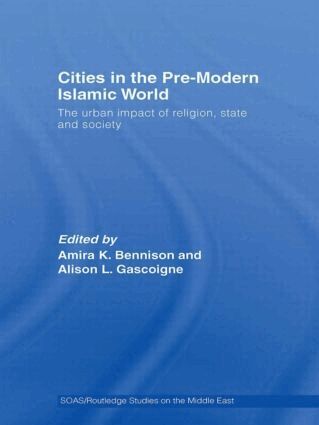
Cities in the Pre-Modern Islamic World
The Urban Impact of Religion, State and Society
Av Amira K. Bennison, Alison L. Gascoigne
Inbunden, 2007
2586 kr
Lägg i varukorg
This volume is an inter-disciplinary endeavour which brings together recent research on aspects of urban life and structure by architectural and textual historians and archaeologists, engendering exciting new perspectives on urban life in the pre-modern Islamic world. Its objective is to move …
Cities in the Pre-Modern Islamic World
The Urban Impact of Religion, State and Society
Av Amira K. Bennison, Alison L. Gascoigne
Häftad, 2009
770 kr
Lägg i varukorg
This volume is an inter-disciplinary endeavour which brings together recent research on aspects of urban life and structure by architectural and textual historians and archaeologists, engendering exciting new perspectives on urban life in the pre-modern Islamic world. Its objective is to move …
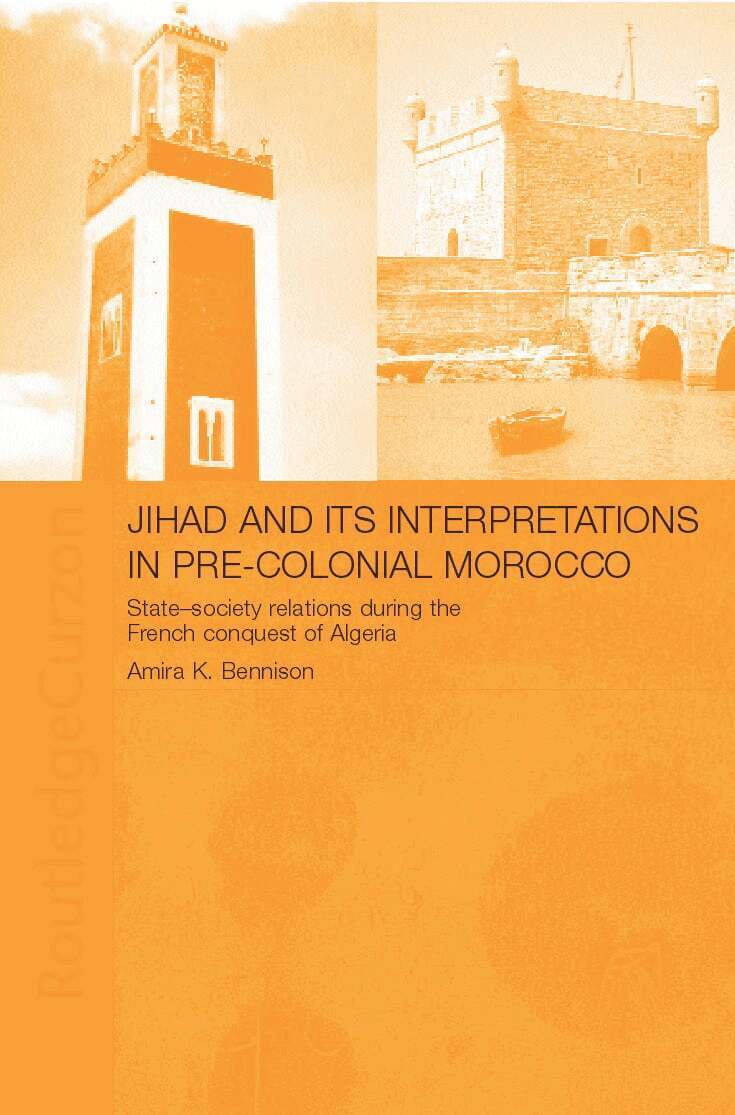
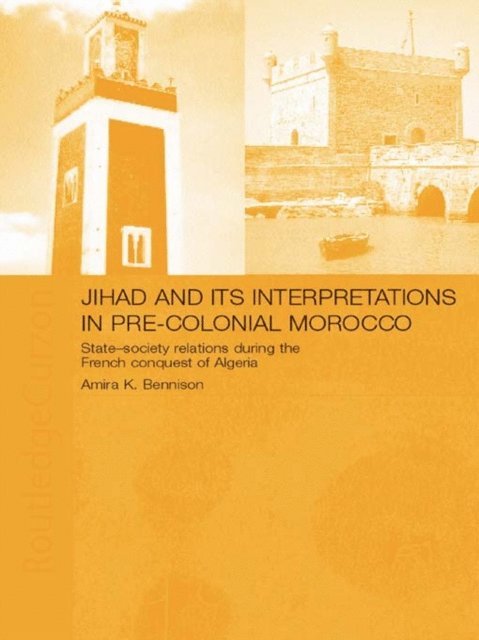
Jihad and its Interpretation in Pre-Colonial Morocco
State-Society Relations during the French Conquest of Algeria
Inbunden, 2002
2504 kr
Lägg i varukorg
This book investigates the importance of waging jihad for legitimacy in pre-colonial Morocco. It counters colonial interpretations of the pre-colonial Moroccan sultanate as hopelessly divided into territories of 'obedience' and 'dissidence' by suggesting that state-society warfare was one aspect of …
Almoravid and Almohad Empires
Inbunden, 2016
2192 kr
Lägg i varukorg
The first combined history of two of the great Islamic empires of the 10th-13th centuriesAfrican invaders of Spain? Berber nationalists who destroyed the convivencia between Muslims, Christians and Jews? Or key contributors to the maturation of Islamic society in the Maghrib?The Almoravid and …
Almoravid and Almohad Empires
E-bok, 2016
538 kr
Lägg i varukorg
The first combined history of two of the great Islamic empires of the 10th-13th centuriesAfrican invaders of Spain? Berber nationalists who destroyed the convivencia between Muslims, Christians and Jews? Or key contributors to the maturation of Islamic society in the Maghrib?The Almoravid and …
Almoravid and Almohad Empires
E-bok, 2017
538 kr
Lägg i varukorg
The first combined history of two of the great Islamic empires of the 10th-13th centuriesAfrican invaders of Spain? Berber nationalists who destroyed the convivencia between Muslims, Christians and Jews? Or key contributors to the maturation of Islamic society in the Maghrib?The Almoravid and …
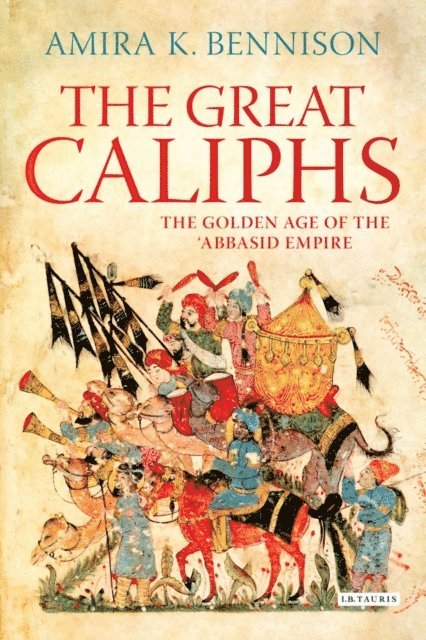
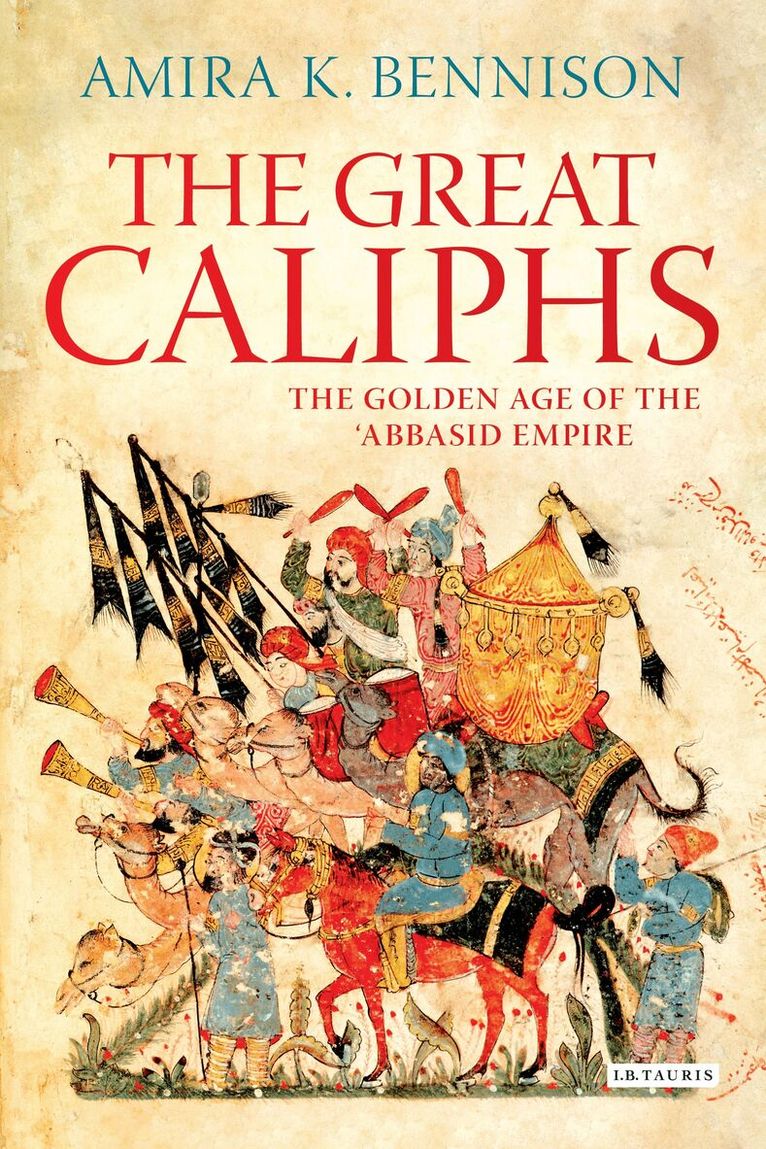
Great Caliphs
The Golden Age of the 'Abbasid Empire
E-bok, 2011
424 kr
Lägg i varukorg
The flowering of the 'Abbasid caliphate between 750 and 1258 CE is often considered the classical age of Islamic civilization. In the preceding 120 years the Arabs had conquered much of the known world of antiquity and established a vast empire stretching from Spain to China. But was this empire …
Cities in the Pre-Modern Islamic World
The Urban Impact of Religion, State and Society
Av Alison L. Gascoigne, Amira K. Bennison
E-bok, 2007
890 kr
Lägg i varukorg
This volume is an inter-disciplinary endeavour which brings together recent research on aspects of urban life and structure by architectural and textual historians and archaeologists, engendering exciting new perspectives on urban life in the pre-modern Islamic world. Its objective is to move …
Cities in the Pre-Modern Islamic World
The Urban Impact of Religion, State and Society
Av Alison L. Gascoigne, Amira K. Bennison
E-bok, 2007
910 kr
Lägg i varukorg
This volume is an inter-disciplinary endeavour which brings together recent research on aspects of urban life and structure by architectural and textual historians and archaeologists, engendering exciting new perspectives on urban life in the pre-modern Islamic world. Its objective is to move …
Jihad and its Interpretation in Pre-Colonial Morocco
State-Society Relations during the French Conquest of Algeria
E-bok, 2003
999 kr
Lägg i varukorg
This book investigates the importance of waging jihad for legitimacy in pre-colonial Morocco. It counters colonial interpretations of the pre-colonial Moroccan sultanate as hopelessly divided into territories of ''obedience'' and ''dissidence'' by suggesting that state-society warfare was one …
Jihad and its Interpretation in Pre-Colonial Morocco
State-Society Relations during the French Conquest of Algeria
E-bok, 2003
999 kr
Lägg i varukorg
This book investigates the importance of waging jihad for legitimacy in pre-colonial Morocco. It counters colonial interpretations of the pre-colonial Moroccan sultanate as hopelessly divided into territories of ''obedience'' and ''dissidence'' by suggesting that state-society warfare was one …
Jihad and its Interpretation in Pre-Colonial Morocco
State-Society Relations during the French Conquest of Algeria
Häftad, 2015
820 kr
Lägg i varukorg
This book investigates the importance of waging jihad for legitimacy in pre-colonial Morocco. It counters colonial interpretations of the pre-colonial Moroccan sultanate as hopelessly divided into territories of 'obedience' and 'dissidence' by suggesting that state-society warfare was one aspect of …
Great Caliphs
The Golden Age of the 'Abbasid Empire
Häftad, 2011
399 kr
Lägg i varukorg
The flowering of the 'Abbasid caliphate between 750 and 1258 CE is often considered the classical age of Islamic civilization. In the preceding 120 years the Arabs had conquered much of the known world of antiquity and established a vast empire stretching from Spain to China. But was this empire …