Amy Shaw – författare
Visar alla böcker från författaren Amy Shaw. Handla med fri frakt och snabb leverans.
5 produkter
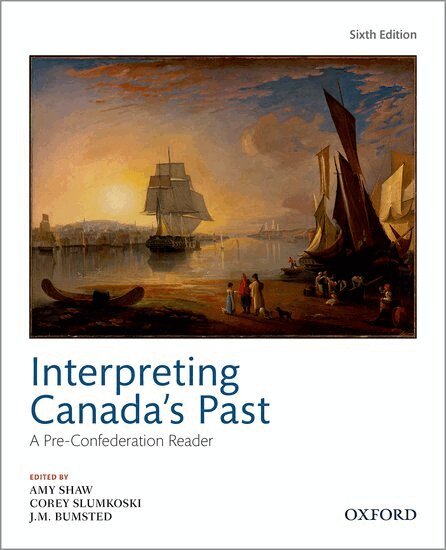
Interpreting Canada's Past
A Pre-Confederation Reader
Häftad, 2021
1324 kr
Lägg i varukorg
A carefully curated collection of primary and secondary source documents that introduces students to the approaches and methodologies historians use to interpret the past. Thought-provoking and engaging, this acclaimed pre-Confederation reader introduces students to the approaches and methodologies …
Ole Hendricks and His Tunebook
Folk Music and Community on the Frontier
Av Amy Shaw
Inbunden, 2020
340 kr
Lägg i varukorg
Ole Hendricks was an immigrant both representative and exceptional - a true artistic talent who nevertheless lived a familiar immigrant experience. By day, he was a farmer. But at night, his fiddle lit up dance halls, bringing together all manner of neighbors in rural Minnesota. Each tune in his …
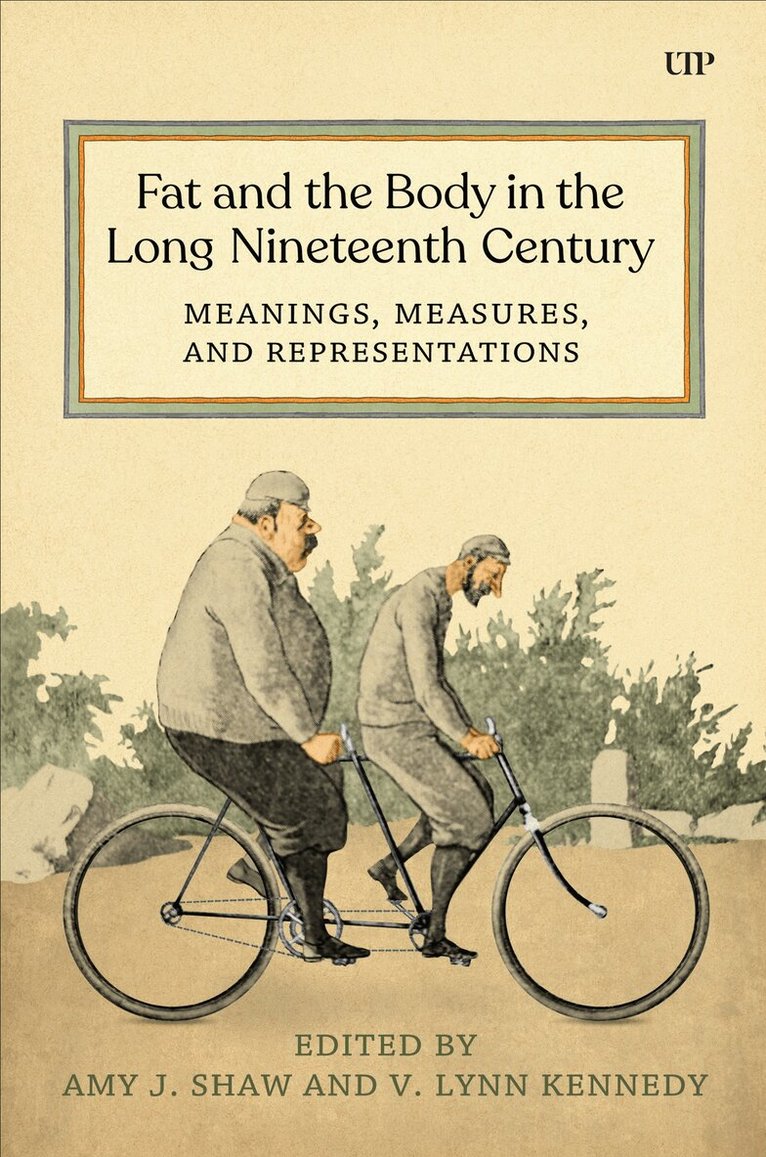
Fat and the Body in the Long Nineteenth Century
Meanings, Measures, and Representations
Av Lynn Kennedy, Amy Shaw m. fl.
Inbunden, 2024
557 kr
Lägg i varukorg
In the nineteenth and early twentieth centuries, the body was a key focus of discourse. Fat and the Body in the Long Nineteenth Century animates discussion and analyses of fatness, highlighting how corporeal expectations fit into larger social systems and showing how interpretations have shifted …
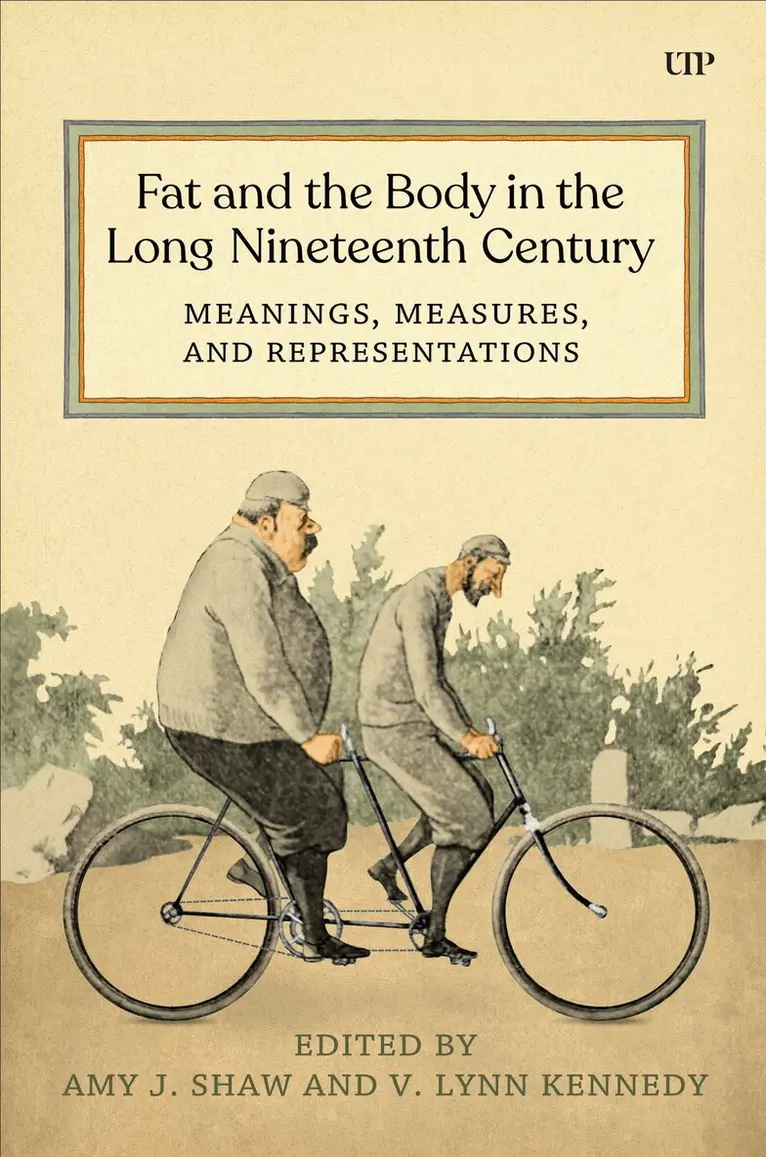
Fat and the Body in the Long Nineteenth Century
Meanings, Measures, and Representations
Av Amy Shaw, Lynn Kennedy
E-bok, 2024
655 kr
Lägg i varukorg
In the nineteenth and early twentieth centuries, the body was a key focus of discourse. Fat and the Body in the Long Nineteenth Century animates discussion and analyses of fatness, highlighting how corporeal expectations fit into larger social systems and showing how interpretations have shifted …
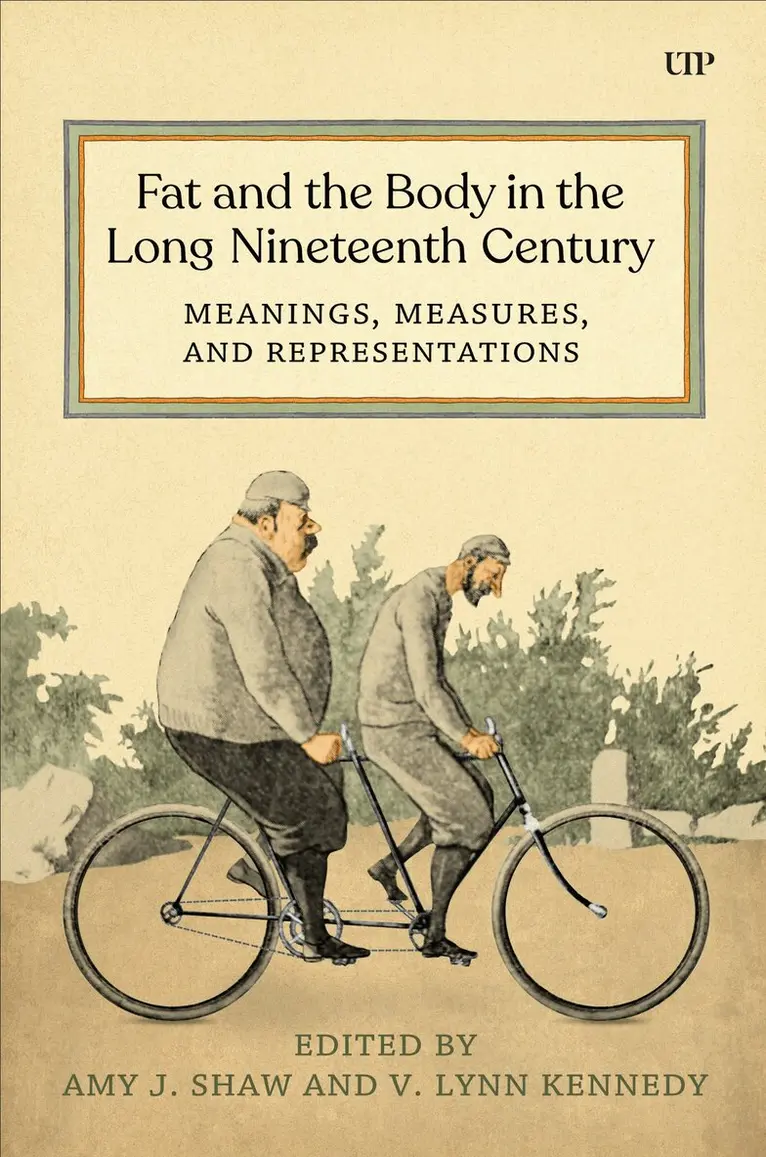
Fat and the Body in the Long Nineteenth Century
Meanings, Measures, and Representations
Av Amy Shaw, Lynn Kennedy
E-bok, 2024
655 kr
Lägg i varukorg
In the nineteenth and early twentieth centuries, the body was a key focus of discourse. Fat and the Body in the Long Nineteenth Century animates discussion and analyses of fatness, highlighting how corporeal expectations fit into larger social systems and showing how interpretations have shifted …