Amy Sodaro - Böcker
Visar alla böcker från författaren Amy Sodaro. Handla med fri frakt och snabb leverans.
9 produkter
9 produkter
556 kr
Skickas inom 10-15 vardagar
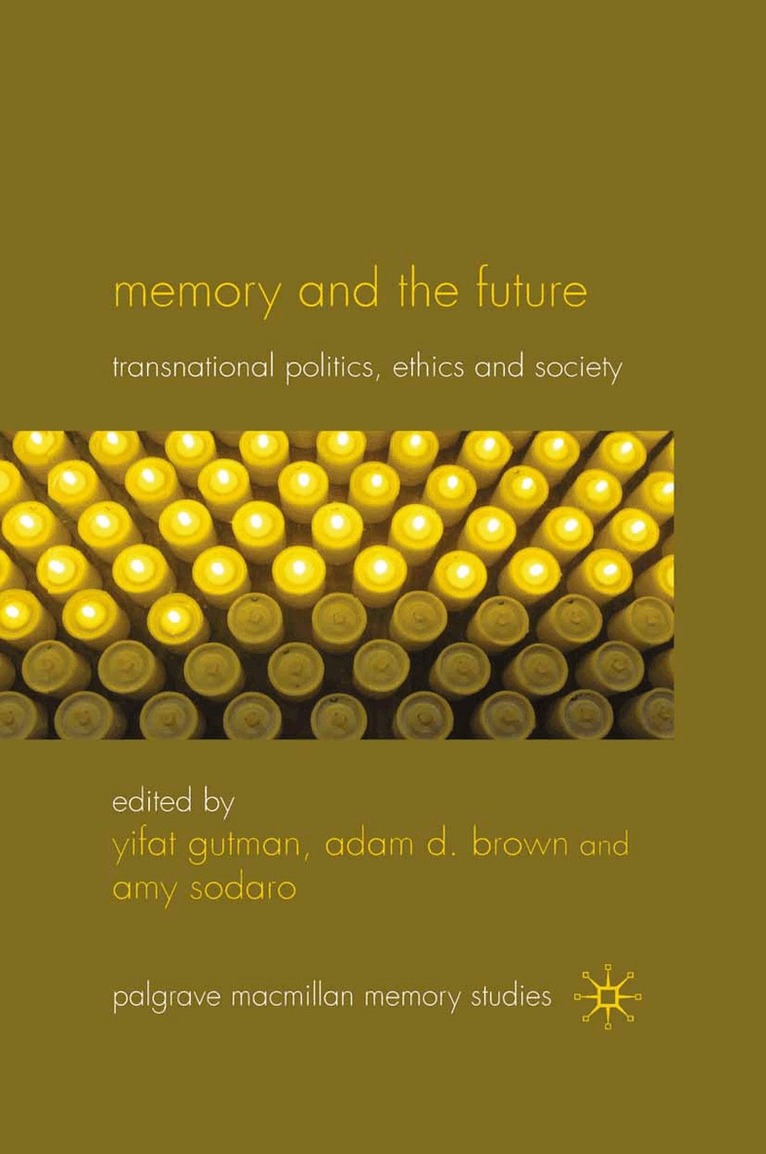
For those who study memory, there is a nagging concern that memory studies are inherently backward-looking, and that memory itself hinders efforts to move forward. Unhinging memory from the past, this book brings together an interdisciplinary group of prominent scholars who bring the future into the study of memory.
444 kr
Skickas inom 7-10 vardagar
Honorable Mention, 2021 Outstanding First Book Award from the Memory Studies AssociationToday, nearly any group or nation with violence in its past has constructed or is planning a memorial museum as a mechanism for confronting past trauma, often together with truth commissions, trials, and/or other symbolic or material reparations. Exhibiting Atrocity documents the emergence of the memorial museum as a new cultural form of commemoration, and analyzes its use in efforts to come to terms with past political violence and to promote democracy and human rights. Through a global comparative approach, Amy Sodaro uses in-depth case studies of five exemplary memorial museums that commemorate a range of violent pasts and allow for a chronological and global examination of the trend: the U.S. Holocaust Memorial Museum in Washington, DC; the House of Terror in Budapest, Hungary; the Kigali Genocide Memorial Centre in Rwanda; the Museum of Memory and Human Rights in Santiago, Chile; and the National September 11 Memorial Museum in New York. Together, these case studies illustrate the historical emergence and global spread of the memorial museum and show how this new cultural form of commemoration is intended to be used in contemporary societies around the world. Download open access ebook.
1 628 kr
Skickas inom 7-10 vardagar
Honorable Mention, 2021 Outstanding First Book Award from the Memory Studies AssociationToday, nearly any group or nation with violence in its past has constructed or is planning a memorial museum as a mechanism for confronting past trauma, often together with truth commissions, trials, and/or other symbolic or material reparations. Exhibiting Atrocity documents the emergence of the memorial museum as a new cultural form of commemoration, and analyzes its use in efforts to come to terms with past political violence and to promote democracy and human rights. Through a global comparative approach, Amy Sodaro uses in-depth case studies of five exemplary memorial museums that commemorate a range of violent pasts and allow for a chronological and global examination of the trend: the U.S. Holocaust Memorial Museum in Washington, DC; the House of Terror in Budapest, Hungary; the Kigali Genocide Memorial Centre in Rwanda; the Museum of Memory and Human Rights in Santiago, Chile; and the National September 11 Memorial Museum in New York. Together, these case studies illustrate the historical emergence and global spread of the memorial museum and show how this new cultural form of commemoration is intended to be used in contemporary societies around the world. Download open access ebook.
522 kr
Skickas inom 10-15 vardagar
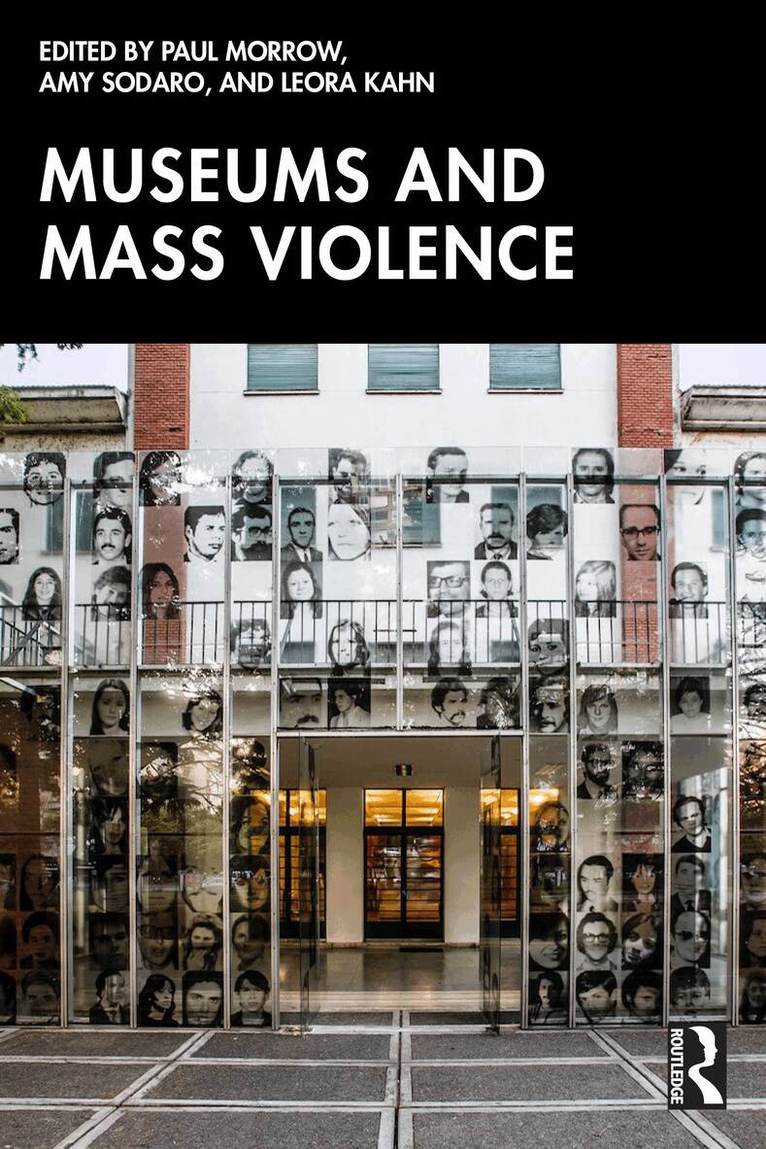
Museums and Mass Violence examines the varied ways in which museums around the world address – or fail to address – the problem of mass violence and severe human rights abuses.Bringing together a diverse group of scholars and practitioners and a transnational set of case studies, this volume explores the potential of museums to contribute to social justice in the contemporary era. At the same time, it directs attention to the perils these institutions face when they curate and exhibit “difficult” knowledge concerning genocide, mass killing, and other kinds of atrocity crimes. The question of how museums shape historical understanding of political oppression, particularly within the political, social, and economic contexts in which they operate, is another major issue addressed by this volume. Asking for whom, exactly, “difficult histories” are difficult, contributors to this volume also ask the hard question of what museum professionals should do when the “terrible gift” they offer visitors through exhibits detailing historical episodes of mass violence are met not with horror, but with indifference – or worse, approval.Providing comparative discussion of the perils and potential of exhibiting atrocities in countries as diverse as Sweden, Argentina, Rwanda, and Canada, Museums and Mass Violence will be essential reading for academics and students engaged in the study of museums, memory, ethics, genocide, trauma, heritage, social justice, culture, and human rights.
522 kr
Skickas inom 10-15 vardagar
Museums and Mass Violence examines the varied ways in which museums around the world address – or fail to address – the problem of mass violence and severe human rights abuses.Bringing together a diverse group of scholars and practitioners and a transnational set of case studies, this volume explores the potential of museums to contribute to social justice in the contemporary era. At the same time, it directs attention to the perils these institutions face when they curate and exhibit “difficult” knowledge concerning genocide, mass killing, and other kinds of atrocity crimes. The question of how museums shape historical understanding of political oppression, particularly within the political, social, and economic contexts in which they operate, is another major issue addressed by this volume. Asking for whom, exactly, “difficult histories” are difficult, contributors to this volume also ask the hard question of what museum professionals should do when the “terrible gift” they offer visitors through exhibits detailing historical episodes of mass violence are met not with horror, but with indifference – or worse, approval.Providing comparative discussion of the perils and potential of exhibiting atrocities in countries as diverse as Sweden, Argentina, Rwanda, and Canada, Museums and Mass Violence will be essential reading for academics and students engaged in the study of museums, memory, ethics, genocide, trauma, heritage, social justice, culture, and human rights.
2 166 kr
Skickas inom 10-15 vardagar
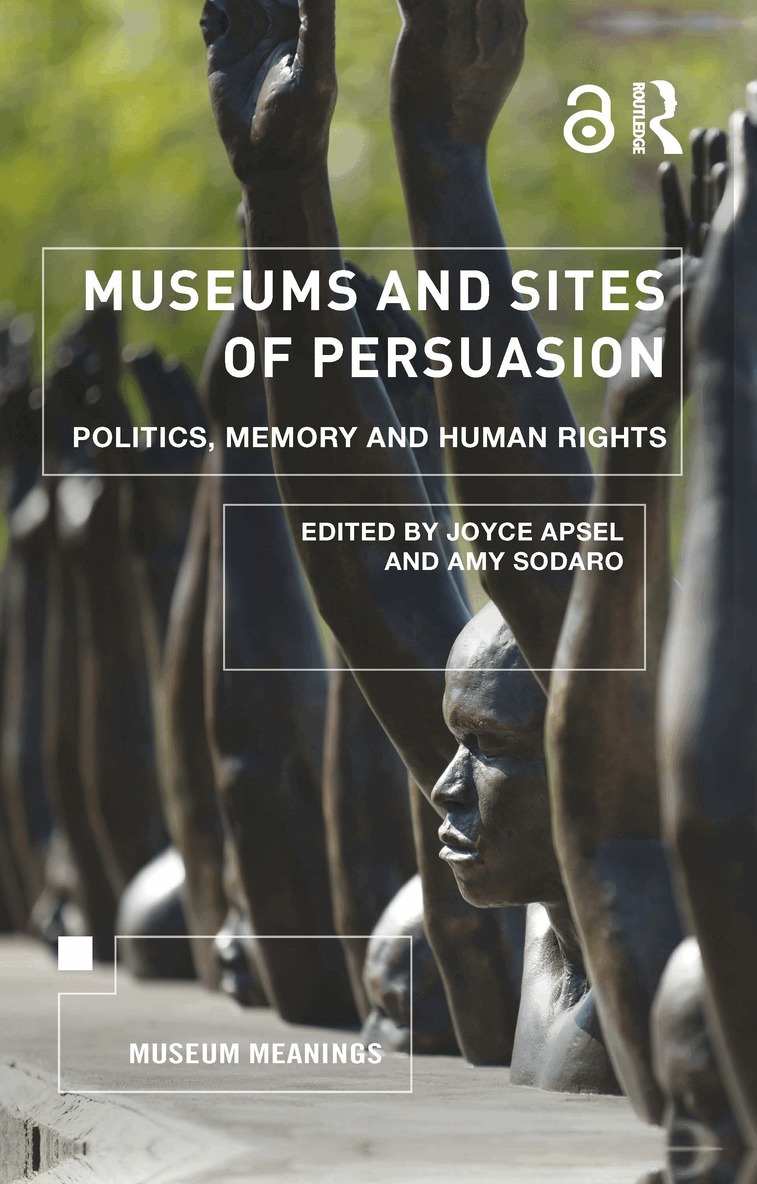
Museums and Sites of Persuasion examines the concept of museums and memory sites as locations that attempt to promote human rights, democracy and peace. Demonstrating that such sites have the potential to act as powerful spaces of persuasion or contestation, the book also shows that there are perils in the selective memory and history that they present.Examining a range of museums, memorials and exhibits in places as varied as Burundi, Denmark, Georgia, Kosovo, Mexico, Peru, Vietnam and the US, this volume demonstrates how they represent and try to come to terms with difficult histories. As sites of persuasion, the contributors to this book argue, their public goal is to use memory and education about the past to provide moral lessons to visitors that will encourage a more democratic and peaceful future. However, the case studies also demonstrate how political, economic and social realities often undermine this lofty goal, raising questions about how these sites of persuasion actually function on a daily basis.Straddling several interdisciplinary fields of research and study, Museums and Sites of Persuasion will be essential reading for those working in the fields of museum studies, memory studies, and genocide studies. It will also be essential reading for museum practitioners and anyone engaged in the study of history, sociology, political science, anthropology and art history.Chapter 3 of this book is freely available as a downloadable Open Access PDF at http://www.taylorfrancis.com under a Creative Commons Attribution-Non Commercial-No Derivatives (CC-BY-NC-ND) 4.0 license.
584 kr
Skickas inom 10-15 vardagar
Museums and Sites of Persuasion examines the concept of museums and memory sites as locations that attempt to promote human rights, democracy and peace. Demonstrating that such sites have the potential to act as powerful spaces of persuasion or contestation, the book also shows that there are perils in the selective memory and history that they present.Examining a range of museums, memorials and exhibits in places as varied as Burundi, Denmark, Georgia, Kosovo, Mexico, Peru, Vietnam and the US, this volume demonstrates how they represent and try to come to terms with difficult histories. As sites of persuasion, the contributors to this book argue, their public goal is to use memory and education about the past to provide moral lessons to visitors that will encourage a more democratic and peaceful future. However, the case studies also demonstrate how political, economic and social realities often undermine this lofty goal, raising questions about how these sites of persuasion actually function on a daily basis.Straddling several interdisciplinary fields of research and study, Museums and Sites of Persuasion will be essential reading for those working in the fields of museum studies, memory studies, and genocide studies. It will also be essential reading for museum practitioners and anyone engaged in the study of history, sociology, political science, anthropology and art history.Chapter 3 of this book is freely available as a downloadable Open Access PDF at http://www.taylorfrancis.com under a Creative Commons Attribution-Non Commercial-No Derivatives (CC-BY-NC-ND) 4.0 license.
551 kr
Skickas inom 10-15 vardagar
For those who study memory, there is a nagging concern that memory studies are inherently backward-looking, and that memory itself hinders efforts to move forward. Unhinging memory from the past, this book brings together an interdisciplinary group of prominent scholars who bring the future into the study of memory.
346 kr
Skickas inom 7-10 vardagar
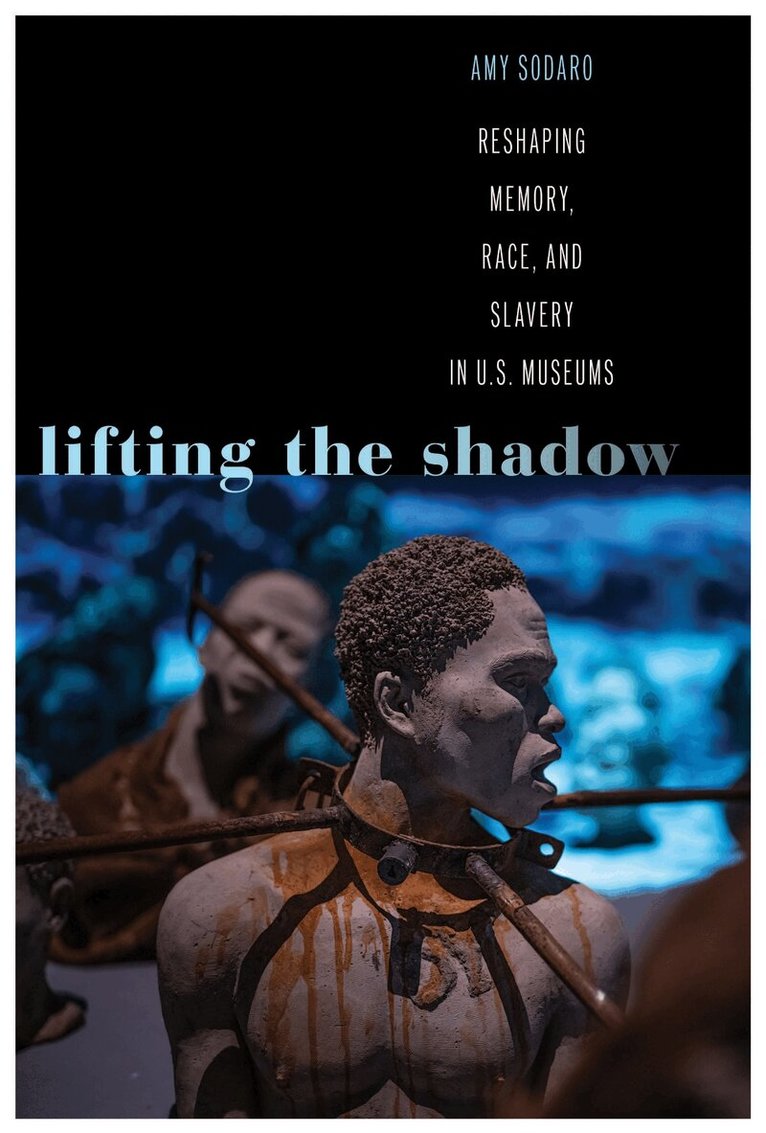
Lifting the Shadow: Reshaping Memory, Race, and Slavery in U.S. Museums examines a small but significant wave of new U.S. memorial museums that focus on slavery and its ongoing violent legacies, including the Smithsonian National Museum of African American History and Culture, Montgomery’s Legacy Museum: From Enslavement to Mass Incarceration, and Greenwood Rising, which commemorates the 1921 Tulsa Race Massacre. These museums are challenging historical narratives of slavery and race by placing racial oppression at the center of American history and linking historical slavery to contemporary racial injustice, but they have opened in a period marked by growing racial tension, white nationalism, and political division. Sodaro examines how the violence of U.S. slavery and its lasting legacies is negotiated in these museums, as well as their potential to contribute to the development of a more critical historical memory of race in the U.S. at this particularly volatile sociopolitical moment.