Ana Stanic – författare
650 kr
Läs direkt efter köp
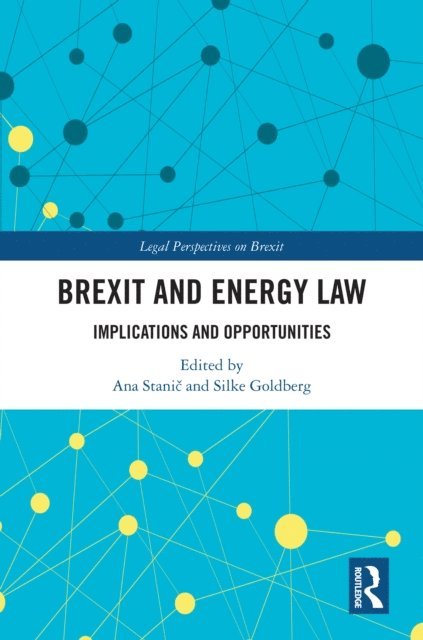
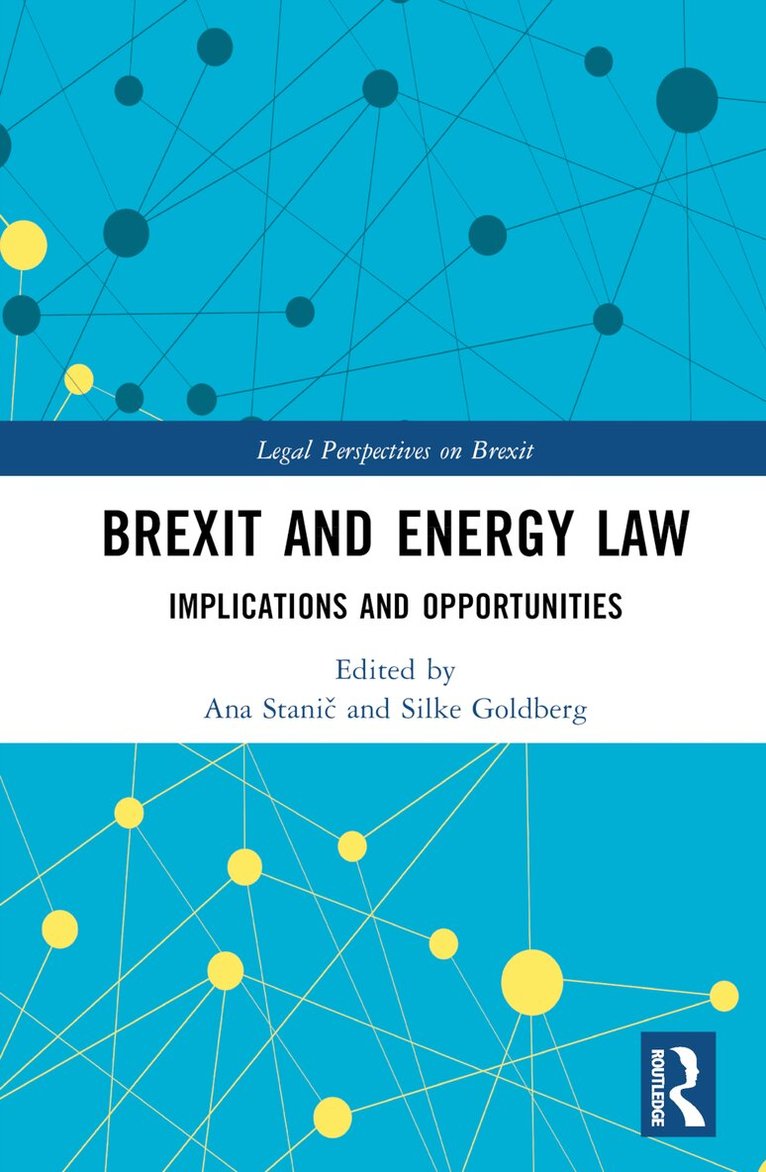
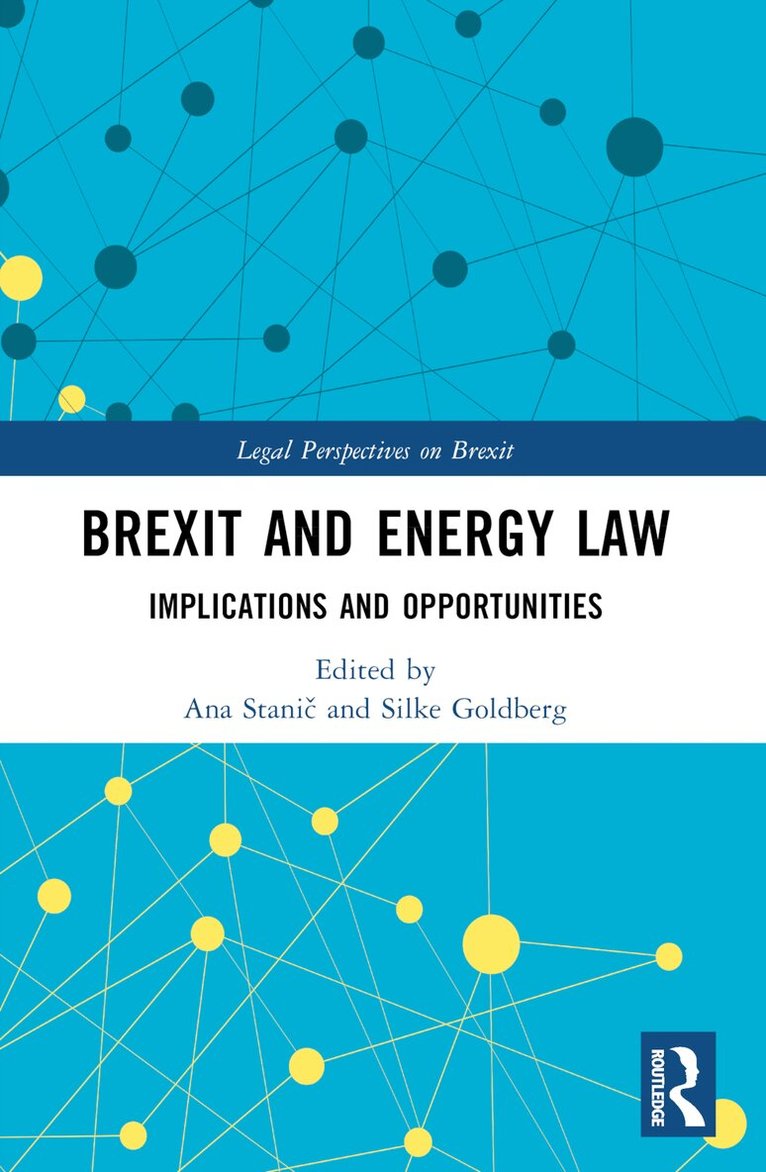
Bringing together leading experts from across the UK and Europe, this book provides a comprehensive analysis of the impact of Brexit on the energy sector in the UK and in the European Union and its Member States. In recent decades, the trend within the EU has been towards greater integration and liberalisation of energy markets. Through the development of the Union’s internal energy market and the funding of cross-border energy infrastructure, EU membership facilitates cross-border trade in energy, promotes security of energy supply, and, via the European Atomic Energy Community (Euratom), allows EU Member States to trade in nuclear material for energy production. Brexit changes all of this. The significant level of integration and interdependence in EU energy policy means that the UK’s departure from the Union poses many challenges for the UK, the EU, and EU Member States. While certain energy-related arrangements have been addressed, the relationship between the UK and EU in the energy sector has been changed fundamentally. In this context, important and interrelated questions arise, such as the following: Under what terms will energy trading between the EU and UK now take place? What access will the UK have to EU energy markets? What does Brexit mean for the security of energy supply? What does the UK’s departure from Euratom mean for nuclear research? Can the crossborder single energy market (SEM) on the island of Ireland continue following Brexit? What implications does Brexit have for renewables, the environment, and climate change? Brexit comes at a time when the European energy sector is undergoing the processes of decarbonisation and energy transition. This book offers researchers, legal practitioners, and policy advisers in-depth understanding of the interplay between these challenges and Brexit.
1 890 kr
Skickas inom 10-15 vardagar
552 kr
Skickas inom 10-15 vardagar
1 962 kr
Läs direkt efter köp
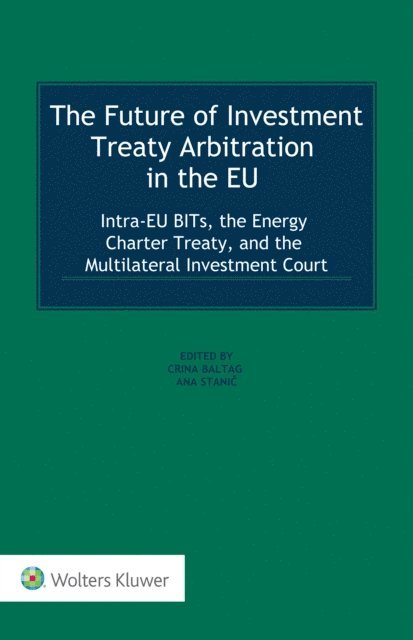
In March 2018, the Court of Justice of the European Union (EU) ruled in Achmea that investor-state dispute resolution provisions in intra-EU bilateral investment treaties (BITs) are incompatible with EU law and ipso facto invalid. In January 2019, EU Member States issued Declarations on the Legal Consequences of the Judgment in Achmea undertaking to take steps formally to terminate intra-EU BITs. However, at present, there is no consensus among them on the implications of Achmea on the Energy Charter Treaty, the multilateral energy treaty to which the EU and its Member States are all parties.
Many EU law scholars consider the Achmea judgment as the death knell to intra-EU investment treaty arbitrations. Some have even predicted the end of Investor-State Dispute Settlement itself. Investment treaty and public international law scholars and legal practitioners, however, have a different view of the schism now growing between EU and international law.
The Future of Investment Treaty Arbitration in the EU examines the current and the proposed new framework for investment protection in the EU and internationally, with a particular focus on investment treaty arbitration and energy-related investments.
With contributions from leading academics and practitioners, the book addresses the following themes:
Intra-EU investment protection and the rule of law, including the proposed Multilateral Investment Court. The original purpose and features of investment protection, with particular focus on the EU. The Achmea judgment and its impact on the Energy Charter Treaty and energy investments. The ongoing discussion to modernize the Energy Charter Treaty post-Achmea. EU state aid and investment arbitral awards. Recognition and enforcement of investment arbitral awards post-Achmea in EU Member States, including in the light of Brexit. Recognition and enforcement of investment arbitral awards post-Achmea in China, Singapore, Switzerland and the United States.This eminently informative book is very timely given the ongoing debate taking place in the EU and internationally regarding the interrelationship between investment treaty arbitration, public international law and EU law. The contributions from leading academics, scholars and European Commission officials provide a balanced, contextualized, detailed and critical analysis that will aid interested stakeholders to navigate their way with confidence through this difficult and changing area of the law.
1 893 kr
Läs direkt efter köp
In March 2018, the Court of Justice of the European Union (EU) ruled in Achmea that investor-state dispute resolution provisions in intra-EU bilateral investment treaties (BITs) are incompatible with EU law and ipso facto invalid. In January 2019, EU Member States issued Declarations on the Legal Consequences of the Judgment in Achmea undertaking to take steps formally to terminate intra-EU BITs. However, at present, there is no consensus among them on the implications of Achmea on the Energy Charter Treaty, the multilateral energy treaty to which the EU and its Member States are all parties.
Many EU law scholars consider the Achmea judgment as the death knell to intra-EU investment treaty arbitrations. Some have even predicted the end of Investor-State Dispute Settlement itself. Investment treaty and public international law scholars and legal practitioners, however, have a different view of the schism now growing between EU and international law.
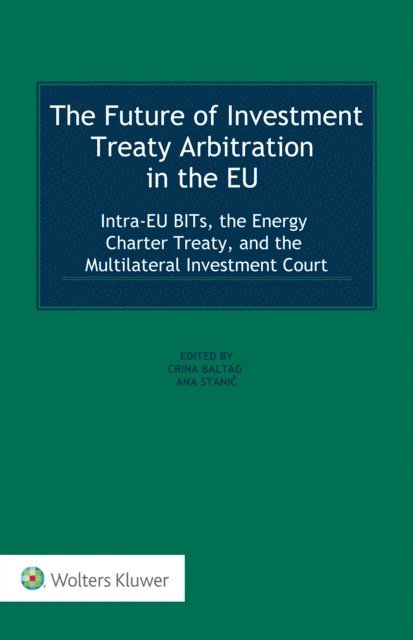
The Future of Investment Treaty Arbitration in the EU examines the current and the proposed new framework for investment protection in the EU and internationally, with a particular focus on investment treaty arbitration and energy-related investments.
With contributions from leading academics and practitioners, the book addresses the following themes:
Intra-EU investment protection and the rule of law, including the proposed Multilateral Investment Court. The original purpose and features of investment protection, with particular focus on the EU. The Achmea judgment and its impact on the Energy Charter Treaty and energy investments. The ongoing discussion to modernize the Energy Charter Treaty post-Achmea. EU state aid and investment arbitral awards. Recognition and enforcement of investment arbitral awards post-Achmea in EU Member States, including in the light of Brexit. Recognition and enforcement of investment arbitral awards post-Achmea in China, Singapore, Switzerland and the United States.This eminently informative book is very timely given the ongoing debate taking place in the EU and internationally regarding the interrelationship between investment treaty arbitration, public international law and EU law. The contributions from leading academics, scholars and European Commission officials provide a balanced, contextualized, detailed and critical analysis that will aid interested stakeholders to navigate their way with confidence through this difficult and changing area of the law.