Ancha Srinivasan – författare
Visar alla böcker från författaren Ancha Srinivasan. Handla med fri frakt och snabb leverans.
12 produkter
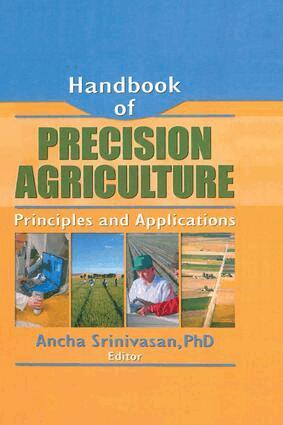
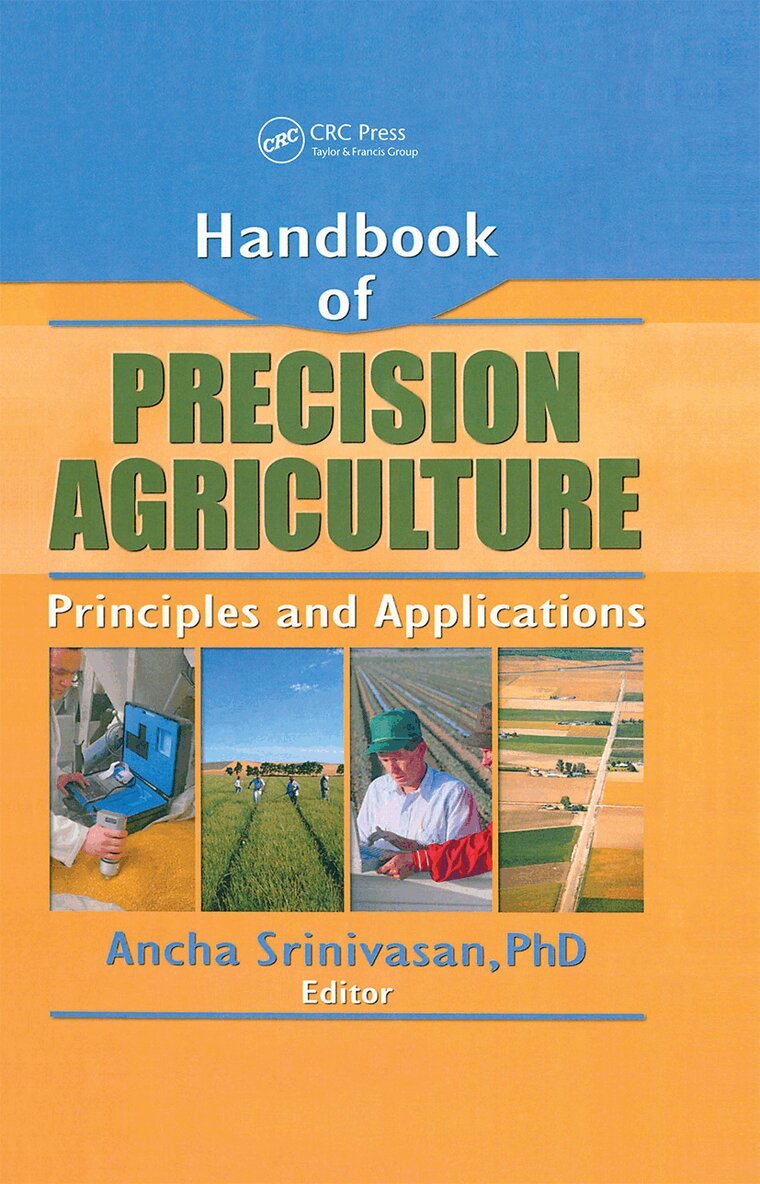
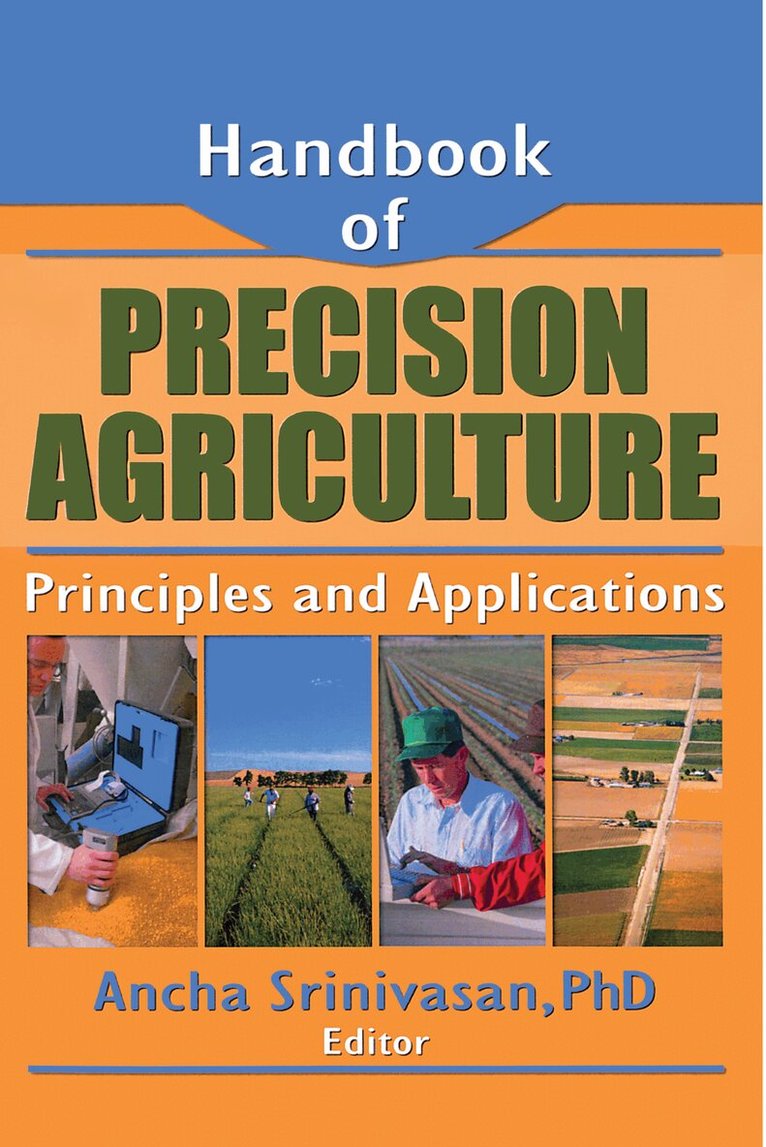
Handbook of Precision Agriculture
Principles and Applications
E-bok, 2006
2744 kr
Lägg i varukorg
A thorough, critical, and up-to-date look at precision farming around the worldIn most developing countries, farming is the best safety net against hunger and keeping production costs under control without sacrificing crop yield is essential for survival. The Handbook of Precision Agriculture …
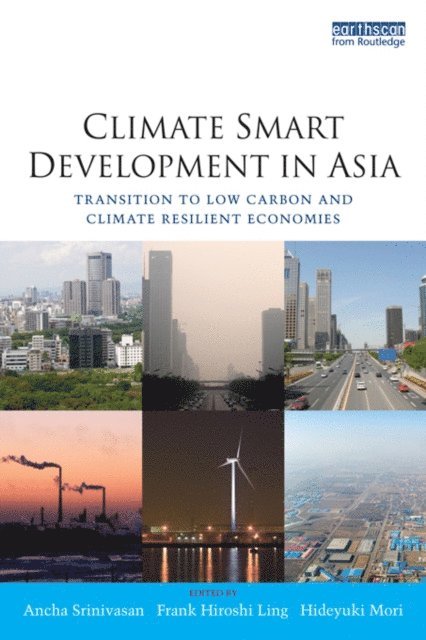
Climate Smart Development in Asia
Transition to Low Carbon and Climate Resilient Economies
Av Hideyuki Mori, Frank Ling m. fl.
E-bok, 2013
796 kr
Lägg i varukorg
The future of China, India and Asia’s other emerging economies and their ability to take a ‘low-carbon’ and ‘climate-resilient’ development path determine the future of global carbon emissions and climate change. Indeed, the battle to confront global climate change will be won or lost in …
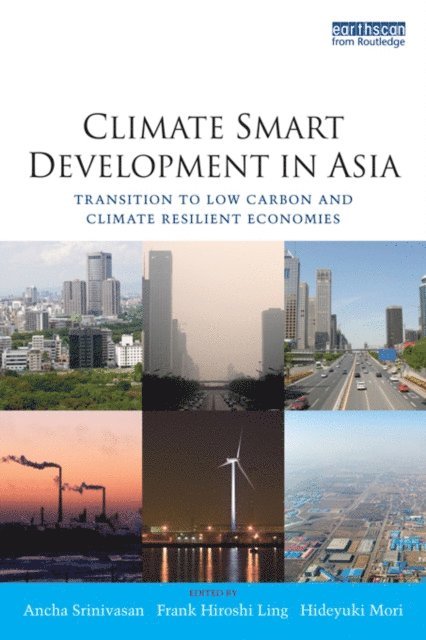
Climate Smart Development in Asia
Transition to Low Carbon and Climate Resilient Economies
Av Hideyuki Mori, Frank Ling m. fl.
E-bok, 2013
814 kr
Lägg i varukorg
The future of China, India and Asia’s other emerging economies and their ability to take a ‘low-carbon’ and ‘climate-resilient’ development path determine the future of global carbon emissions and climate change. Indeed, the battle to confront global climate change will be won or lost in …
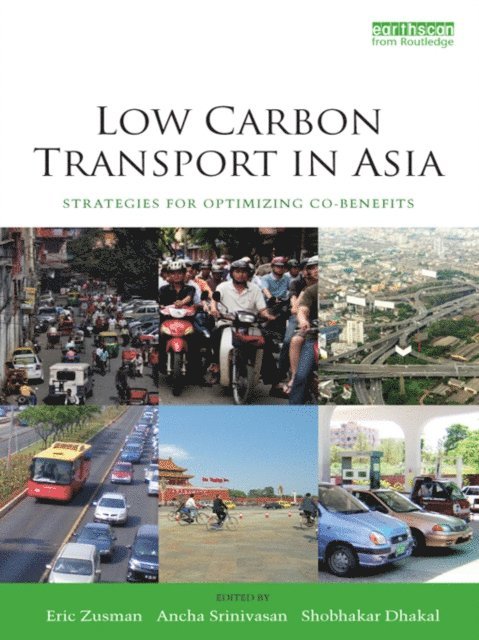
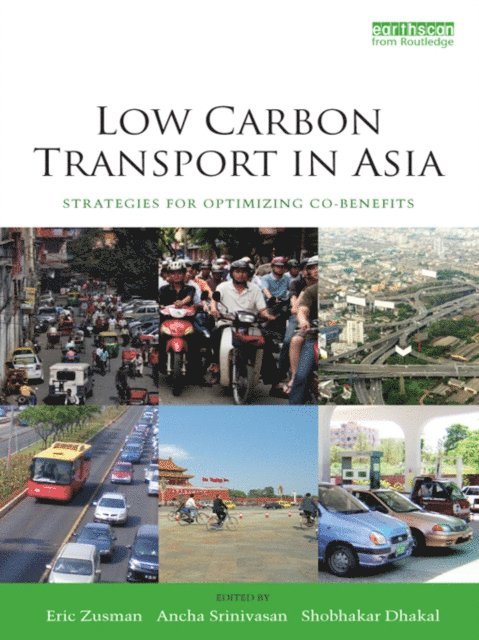
Low Carbon Transport in Asia
Strategies for Optimizing Co-benefits
Av Shobhakar Dhakal, Ancha Srinivasan m. fl.
E-bok, 2012
949 kr
Lägg i varukorg
Without the effective participation of developing Asia, a climate crisis is certain. Within developing Asia, the key to averting such a crisis lies in low carbon transport. China, India and Asia''s other emerging economies could promote fuel efficient vehicles, public transport, and sustainable …
Low Carbon Transport in Asia
Strategies for Optimizing Co-benefits
Av Shobhakar Dhakal, Ancha Srinivasan m. fl.
E-bok, 2012
970 kr
Lägg i varukorg
Without the effective participation of developing Asia, a climate crisis is certain. Within developing Asia, the key to averting such a crisis lies in low carbon transport. China, India and Asia''s other emerging economies could promote fuel efficient vehicles, public transport, and sustainable …
Handbook of Precision Agriculture
Principles and Applications
E-bok, 2006
2805 kr
Lägg i varukorg
A thorough, critical, and up-to-date look at precision farming around the worldIn most developing countries, farming is the best safety net against hunger and keeping production costs under control without sacrificing crop yield is essential for survival. The Handbook of Precision Agriculture …
Handbook of Precision Agriculture
Principles and Applications
Inbunden, 2006
3055 kr
Lägg i varukorg
A thorough, critical, and up-to-date look at precision farming around the worldIn most developing countries, farming is the best safety net against hunger and keeping production costs under control without sacrificing crop yield is essential for survival. The Handbook of Precision Agriculture …
Handbook of Precision Agriculture
Principles and Applications
Häftad, 2006
2359 kr
Lägg i varukorg
A thorough, critical, and up-to-date look at precision farming around the worldIn most developing countries, farming is the best safety net against hunger and keeping production costs under control without sacrificing crop yield is essential for survival. The Handbook of Precision Agriculture …
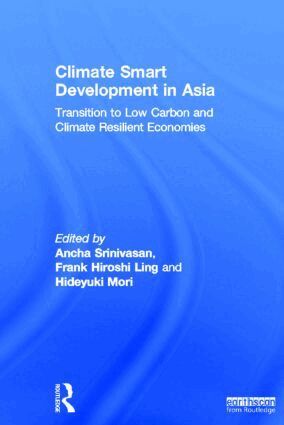
Climate Smart Development in Asia
Transition to Low Carbon and Climate Resilient Economies
Av Ancha Srinivasan, Frank Ling m. fl.
Inbunden, 2012
2736 kr
Lägg i varukorg
Asia is rapidly becoming a major contributor of global greenhouse gas emissions. Also many countries in the region are highly vulnerable to impacts of climate change. With a growing consensus that there is limited time to avoid dangerous climate change, scientists, engineers, economists and …
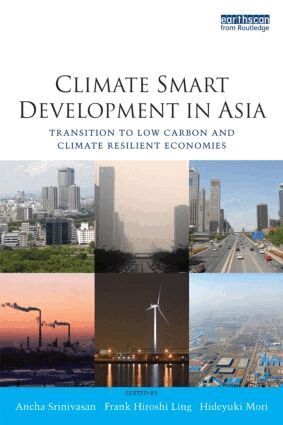
Climate Smart Development in Asia
Transition to Low Carbon and Climate Resilient Economies
Av Ancha Srinivasan, Frank Ling m. fl.
Häftad, 2012
689 kr
Lägg i varukorg
Asia is rapidly becoming a major contributor of global greenhouse gas emissions. Also many countries in the region are highly vulnerable to impacts of climate change. With a growing consensus that there is limited time to avoid dangerous climate change, scientists, engineers, economists and …
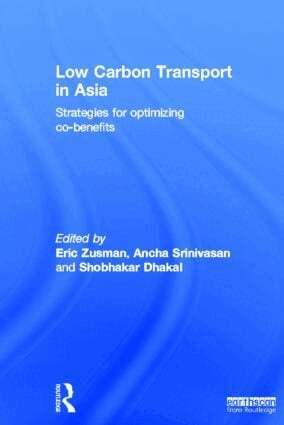
Low Carbon Transport in Asia
Strategies for Optimizing Co-benefits
Av Eric Zusman, Ancha Srinivasan m. fl.
Inbunden, 2011
2504 kr
Lägg i varukorg
Without the effective participation of developing Asia, a climate crisis is certain. Within developing Asia, the key to averting such a crisis lies in low carbon transport. China, India and Asia's other emerging economies could promote fuel efficient vehicles, public transport, and sustainable …
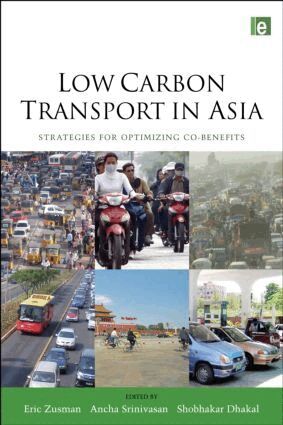
Low Carbon Transport in Asia
Strategies for Optimizing Co-benefits
Av Eric Zusman, Ancha Srinivasan m. fl.
Häftad, 2011
820 kr
Lägg i varukorg
Without the effective participation of developing Asia, a climate crisis is certain. Within developing Asia, the key to averting such a crisis lies in low carbon transport. China, India and Asia's other emerging economies could promote fuel efficient vehicles, public transport, and sustainable …