
Émilie Kurdziel – författare
Visar alla böcker från författaren . Handla med fri frakt och snabb leverans.
2 produkter
2 produkter
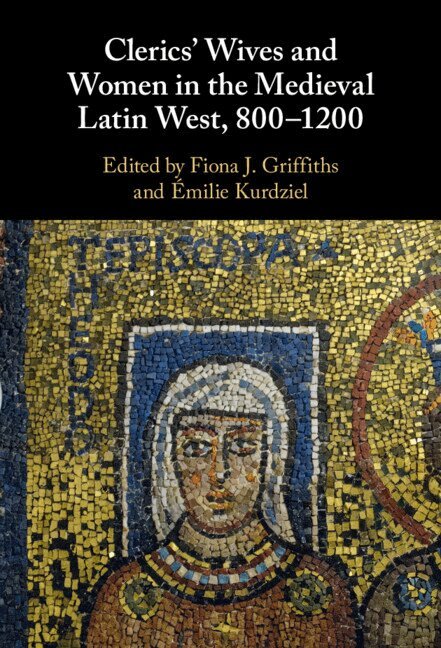
Häftad, Engelska, 2027
561 kr
Kommande
This book focuses on the lives and circumstances of clerics' wives and female partners in western Europe in the four centuries before 1200 - that is, before 'celibacy' (singleness and sexual continence) became an expectation for churchmen in major orders. In the first and only book to center on clerics' wives and women across Europe, archival evidence reveals what has until now been a virtually unknown category of medieval woman: women married to, or living with, bishops, priests, or other clerics. Throughout, case studies establish a concrete historical record of individual clerical female partners, dramatically increasing the number of known clerics' wives and women, and highlighting the types of sources and contexts that are most likely to preserve evidence for their presence and activities. In so doing, the book challenges not only the presumed "invisibility" of these women in medieval sources, but also the idea that their presence was deemed scandalous or out of place within the surrounding community.
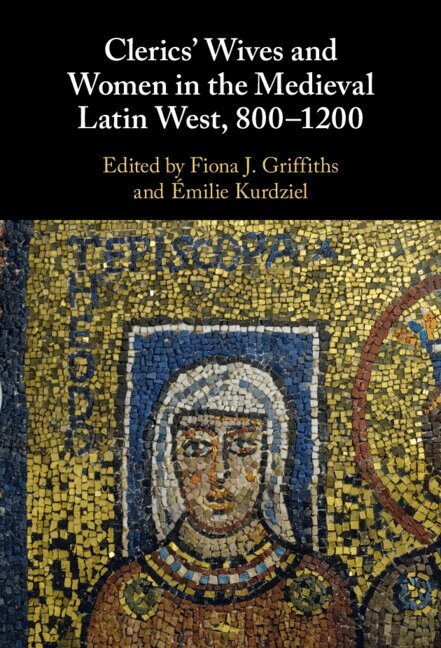
Inbunden, Engelska, 2027
1 477 kr
Kommande
This book focuses on the lives and circumstances of clerics' wives and female partners in western Europe in the four centuries before 1200 - that is, before 'celibacy' (singleness and sexual continence) became an expectation for churchmen in major orders. In the first and only book to center on clerics' wives and women across Europe, archival evidence reveals what has until now been a virtually unknown category of medieval woman: women married to, or living with, bishops, priests, or other clerics. Throughout, case studies establish a concrete historical record of individual clerical female partners, dramatically increasing the number of known clerics' wives and women, and highlighting the types of sources and contexts that are most likely to preserve evidence for their presence and activities. In so doing, the book challenges not only the presumed "invisibility" of these women in medieval sources, but also the idea that their presence was deemed scandalous or out of place within the surrounding community.