
Fiona J. Griffiths – författare
Visar alla böcker från författaren . Handla med fri frakt och snabb leverans.
6 produkter
6 produkter
E-bok
Engelska, 20111 344 kr
Läs direkt efter köp
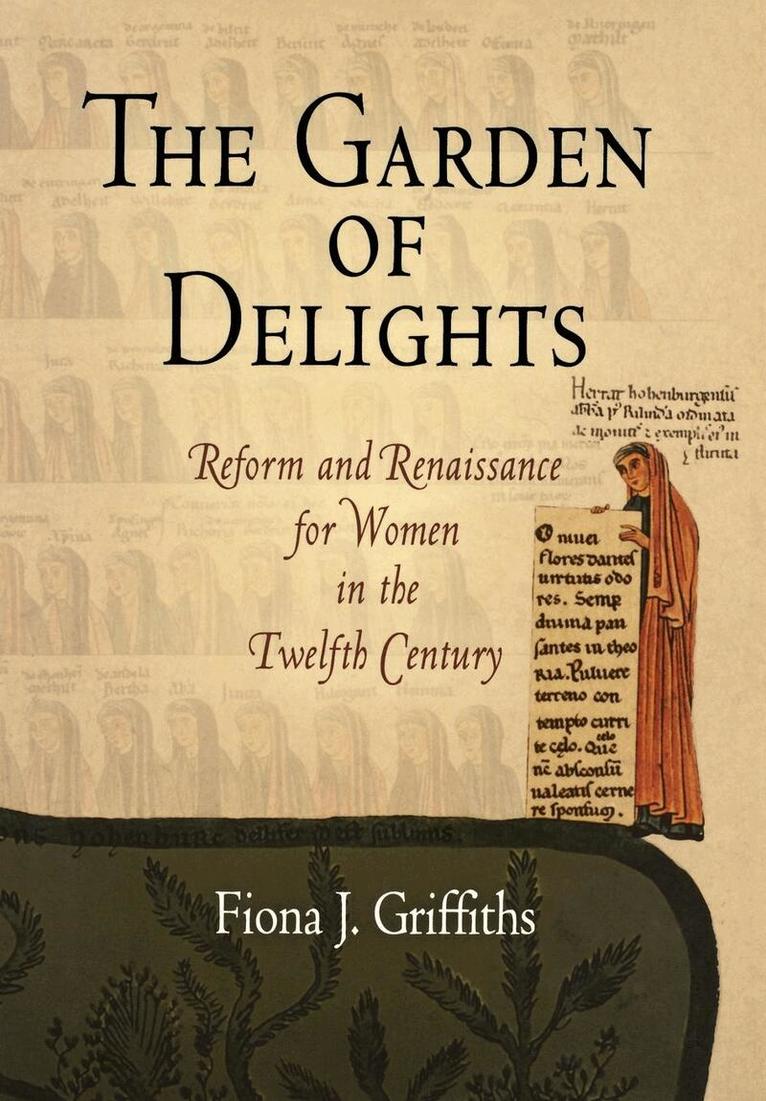
In The Garden of Delights, Fiona J. Griffiths offers the first major study of the Hortus deliciarum, a magnificently illuminated manuscript of theology, biblical history, and canon law written both by and explicitly for women at the end of the twelfth century. In so doing she provides a brilliantly persuasive new reading of female monastic culture. Through careful analysis of the contents, structure, and organization of the Hortus, Griffiths argues for women's profound engagement with the spiritual and intellectual vitality of the period on a level previously thought unimaginable, overturning the assumption that women were largely excluded from the "renaissance" and "reform" of this period. As a work of scholarship that drew from a wide range of sources, both monastic and scholastic, the Hortus provides a witness to the richness of women's reading practices within the cloister, demonstrating that it was possible, even late into the twelfth century, for communities of religious women to pursue an educational program that rivaled that available to men. At the same time, the manuscript's reformist agenda reveals how women engaged the pressing spiritual questions of the day, even going so far as to criticize priests and other churchmen who fell short of their reformist ideals.Through her wide-ranging examination of the texts and images of the Hortus, their sources, composition, and function, Griffiths offers an integrated understanding of the whole manuscript, one which highlights women's Latin learning and orthodox spirituality. The Garden of Delights contributes to some of the most urgent questions concerning medieval religious women, the interplay of gender, spirituality, and intellectual engagement, to discussions concerning women scribes and writers, women readers, female authorship and authority, and the visual culture of female communities. It will be of interest to art historians, scholars of women's and gender studies, historians of medieval religion, education, and theology, and literary scholars studying questions of female authorship and models of women's reading.
Inbunden, Engelska, 2007
973 kr
Skickas inom 10-15 vardagar
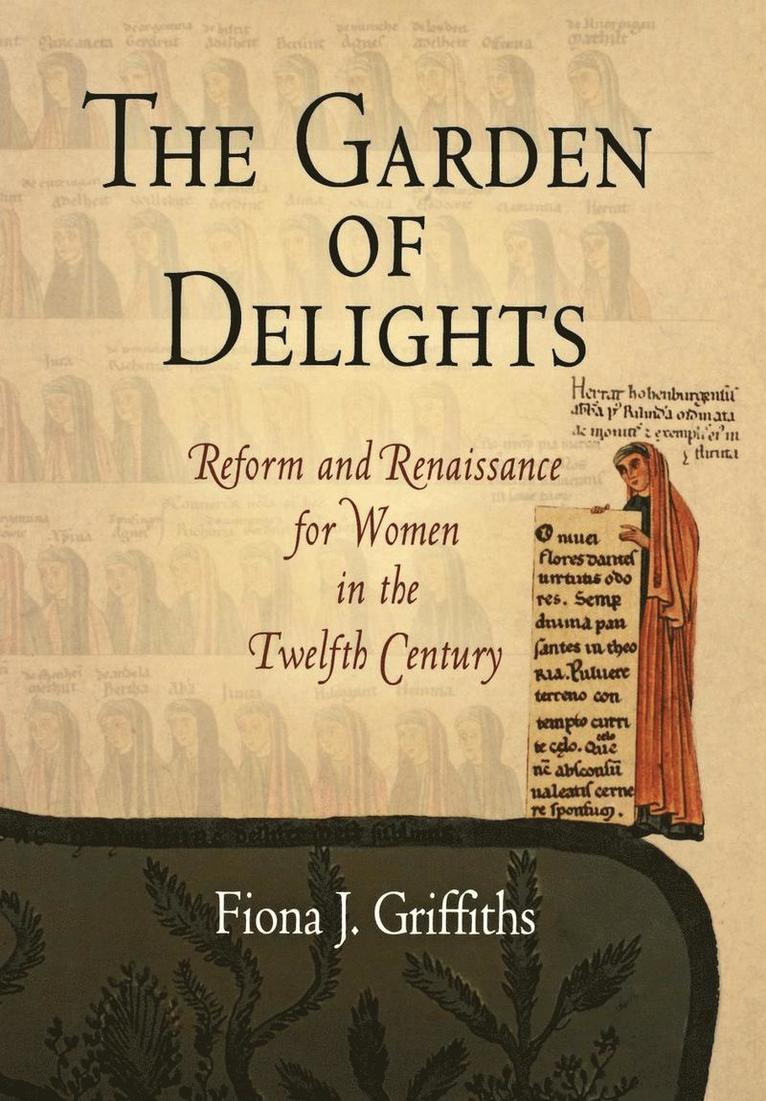
In The Garden of Delights, Fiona J. Griffiths offers the first major study of the Hortus deliciarum, a magnificently illuminated manuscript of theology, biblical history, and canon law written both by and explicitly for women at the end of the twelfth century. In so doing she provides a brilliantly persuasive new reading of female monastic culture. Through careful analysis of the contents, structure, and organization of the Hortus, Griffiths argues for women's profound engagement with the spiritual and intellectual vitality of the period on a level previously thought unimaginable, overturning the assumption that women were largely excluded from the "renaissance" and "reform" of this period. As a work of scholarship that drew from a wide range of sources, both monastic and scholastic, the Hortus provides a witness to the richness of women's reading practices within the cloister, demonstrating that it was possible, even late into the twelfth century, for communities of religious women to pursue an educational program that rivaled that available to men. At the same time, the manuscript's reformist agenda reveals how women engaged the pressing spiritual questions of the day, even going so far as to criticize priests and other churchmen who fell short of their reformist ideals.Through her wide-ranging examination of the texts and images of the Hortus, their sources, composition, and function, Griffiths offers an integrated understanding of the whole manuscript, one which highlights women's Latin learning and orthodox spirituality. The Garden of Delights contributes to some of the most urgent questions concerning medieval religious women, the interplay of gender, spirituality, and intellectual engagement, to discussions concerning women scribes and writers, women readers, female authorship and authority, and the visual culture of female communities. It will be of interest to art historians, scholars of women's and gender studies, historians of medieval religion, education, and theology, and literary scholars studying questions of female authorship and models of women's reading.
Inbunden, Engelska, 2018
889 kr
Skickas inom 10-15 vardagar
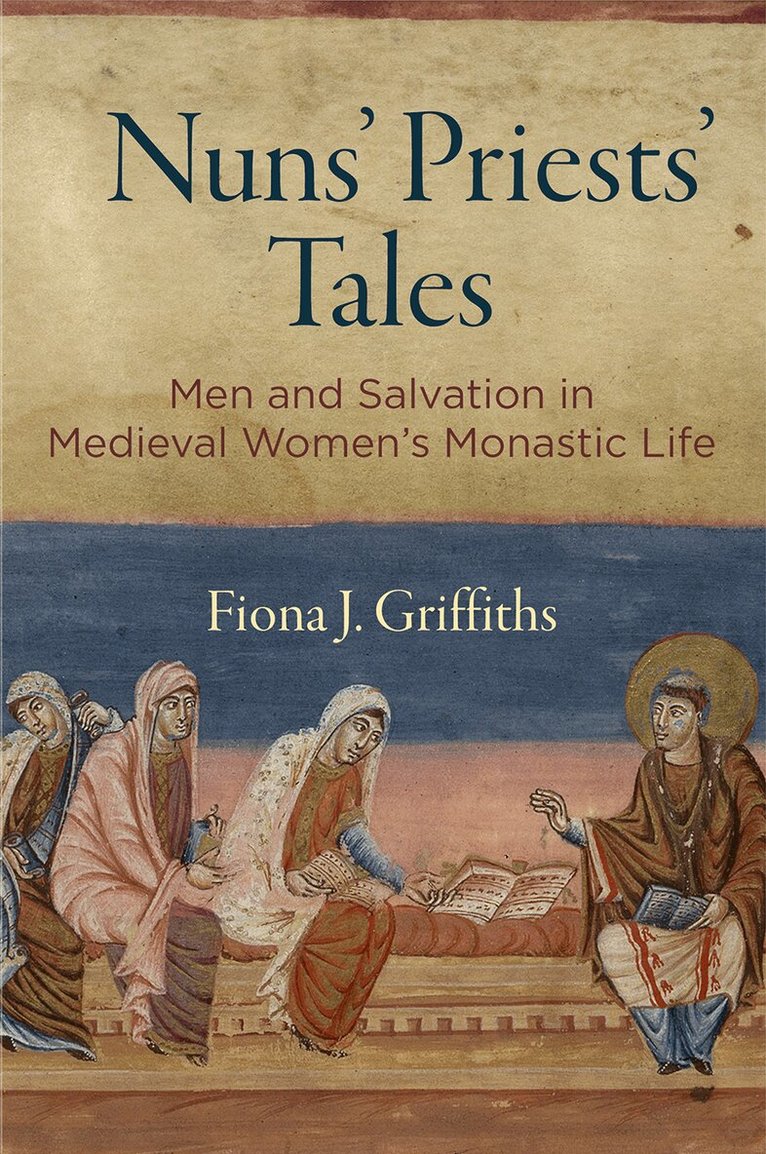
During the Middle Ages, female monasteries relied on priests to provide for their spiritual care, chiefly to celebrate Mass in their chapels but also to hear the confessions of their nuns and give last rites to their sick and dying. These men were essential to the flourishing of female monasticism during the eleventh and twelfth centuries, yet they rarely appear in scholarly accounts of the period. Medieval sources are hardly more forthcoming. Although medieval churchmen consistently acknowledged the necessity of male spiritual supervision in female monasteries, they also warned against the dangers to men of association with women. Nuns' Priests' Tales investigates gendered spiritual hierarchies from the perspective of nuns' priests-ordained men (often local monks) who served the spiritual needs of monastic women.Celibacy, misogyny, and the presumption of men's withdrawal from women within the religious life have often been seen as markers of male spirituality during the period of church reform. Yet, as Fiona J. Griffiths illustrates, men's support and care for religious women could be central to male spirituality and pious practice. Nuns' priests frequently turned to women for prayer and intercession, viewing women's prayers as superior to their own, since they were the prayers of Christ's "brides." Casting nuns as the brides of Christ and adopting for themselves the role of paranymphus (bridesman, or friend of the bridegroom), these men constructed a triangular spiritual relationship in which service to nuns was part of their dedication to Christ. Focusing on men's spiritual ideas about women and their spiritual service to them, Nuns' Priests' Tales reveals a clerical counter-discourse in which spiritual care for women was depicted as a holy service and an act of devotion and obedience to Christ.
E-bok
Engelska, 20181 303 kr
Läs direkt efter köp
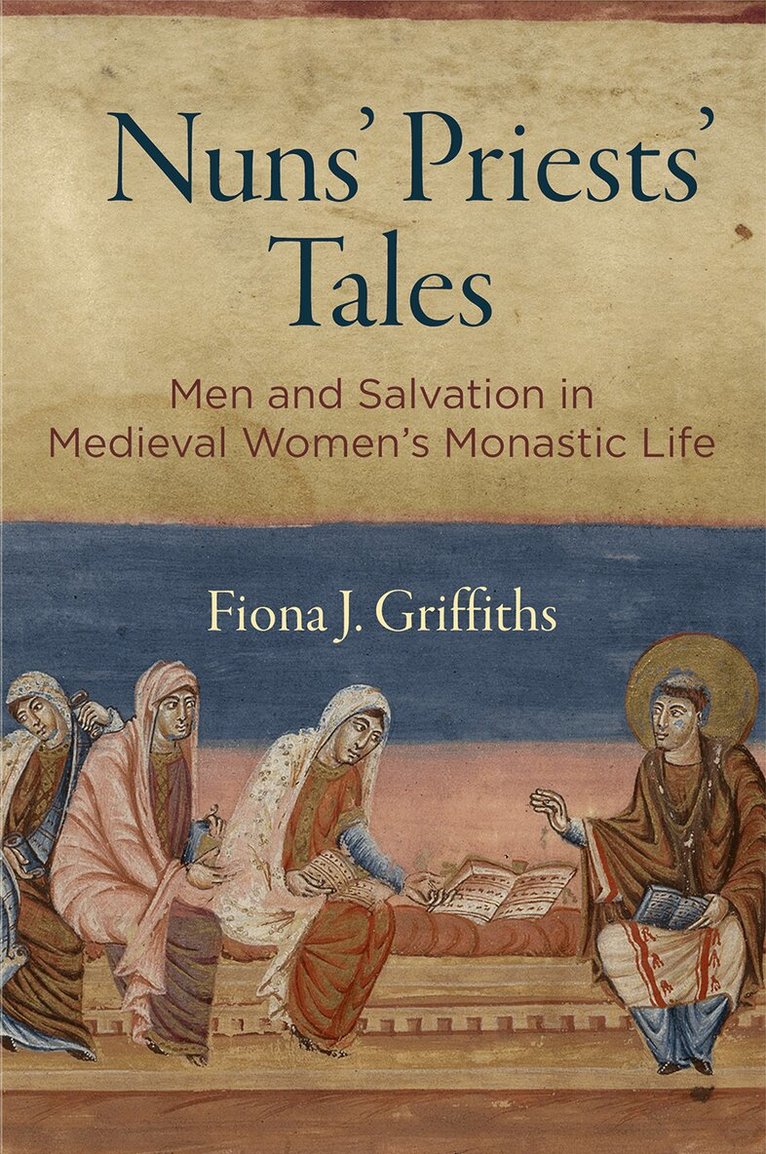
During the Middle Ages, female monasteries relied on priests to provide for their spiritual care, chiefly to celebrate Mass in their chapels but also to hear the confessions of their nuns and give last rites to their sick and dying. These men were essential to the flourishing of female monasticism during the eleventh and twelfth centuries, yet they rarely appear in scholarly accounts of the period. Medieval sources are hardly more forthcoming. Although medieval churchmen consistently acknowledged the necessity of male spiritual supervision in female monasteries, they also warned against the dangers to men of association with women. Nuns' Priests' Tales investigates gendered spiritual hierarchies from the perspective of nuns' priests-ordained men (often local monks) who served the spiritual needs of monastic women.Celibacy, misogyny, and the presumption of men's withdrawal from women within the religious life have often been seen as markers of male spirituality during the period of church reform. Yet, as Fiona J. Griffiths illustrates, men's support and care for religious women could be central to male spirituality and pious practice. Nuns' priests frequently turned to women for prayer and intercession, viewing women's prayers as superior to their own, since they were the prayers of Christ's "brides." Casting nuns as the brides of Christ and adopting for themselves the role of paranymphus (bridesman, or friend of the bridegroom), these men constructed a triangular spiritual relationship in which service to nuns was part of their dedication to Christ. Focusing on men's spiritual ideas about women and their spiritual service to them, Nuns' Priests' Tales reveals a clerical counter-discourse in which spiritual care for women was depicted as a holy service and an act of devotion and obedience to Christ.
Häftad, Engelska, 2027
561 kr
Kommande
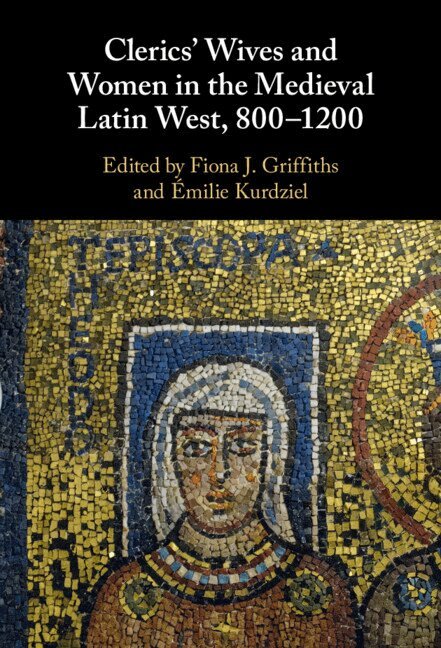
This book focuses on the lives and circumstances of clerics' wives and female partners in western Europe in the four centuries before 1200 - that is, before 'celibacy' (singleness and sexual continence) became an expectation for churchmen in major orders. In the first and only book to center on clerics' wives and women across Europe, archival evidence reveals what has until now been a virtually unknown category of medieval woman: women married to, or living with, bishops, priests, or other clerics. Throughout, case studies establish a concrete historical record of individual clerical female partners, dramatically increasing the number of known clerics' wives and women, and highlighting the types of sources and contexts that are most likely to preserve evidence for their presence and activities. In so doing, the book challenges not only the presumed "invisibility" of these women in medieval sources, but also the idea that their presence was deemed scandalous or out of place within the surrounding community.
Inbunden, Engelska, 2027
1 477 kr
Kommande
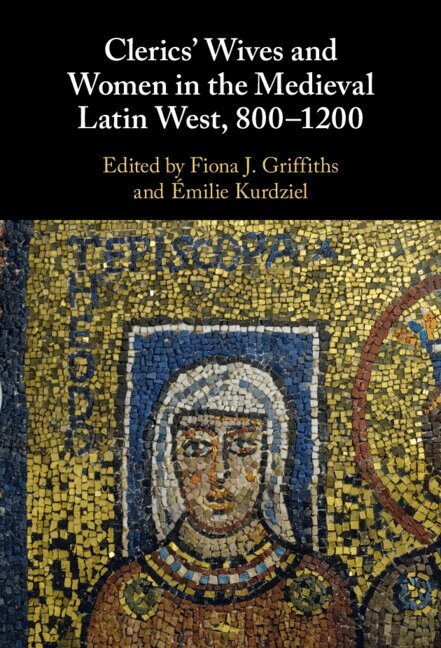
This book focuses on the lives and circumstances of clerics' wives and female partners in western Europe in the four centuries before 1200 - that is, before 'celibacy' (singleness and sexual continence) became an expectation for churchmen in major orders. In the first and only book to center on clerics' wives and women across Europe, archival evidence reveals what has until now been a virtually unknown category of medieval woman: women married to, or living with, bishops, priests, or other clerics. Throughout, case studies establish a concrete historical record of individual clerical female partners, dramatically increasing the number of known clerics' wives and women, and highlighting the types of sources and contexts that are most likely to preserve evidence for their presence and activities. In so doing, the book challenges not only the presumed "invisibility" of these women in medieval sources, but also the idea that their presence was deemed scandalous or out of place within the surrounding community.