André Loiselle - Böcker
Visar alla böcker från författaren André Loiselle. Handla med fri frakt och snabb leverans.
6 produkter
6 produkter
313 kr
Skickas inom 7-10 vardagar
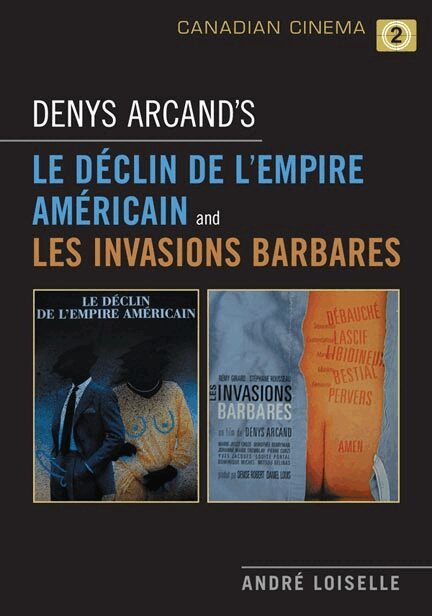
The release of Denys Arcand's Le Déclin de l'empire américain (The Decline of the American Empire) in 1986 marked a major turning point in Quebec cinema. It was the first Québécois film that enjoyed huge critical and commercial success at home and abroad. Arcand's tragicomedy about eight intellectuals gathered around a dinner table relating sexy anecdotes became the top-grossing film of all time in Quebec and was the first Canadian feature to be nominated for an Oscar in the foreign-language category. Seventeen years later, Arcand won an Academy Award for the sequel, Les Invasions barbares (The Barbarian Invasions), where the amusing insouciance of the thirty-somethings talking dirty in Le Déclin is replaced by a sense of moral responsibility and serene resignation.In this engrossing study, André Loiselle presents the first in-depth analysis of both films within the context of Quebec culture. Through close readings and concise cultural analysis of two of the most important films in the history of Quebec cinema, Loiselle demonstrates the ways in which Arcand's work represents a snapshot of the evolution of the French Canadian film industry since 1980. The companion films trace the decline of Quebec's national dream and the Québécois' attempts to cling to their identity against the forces of barbaric globalization.The second title in the new Canadian Cinema series, Denys Arcand's "Le Déclin de l'empire américain" and "Les Invasions barbares" is essential reading for cinephiles, film critics, and anyone with an interest in cultural studies and Canadian and Quebec history.
354 kr
Skickas inom 7-10 vardagar
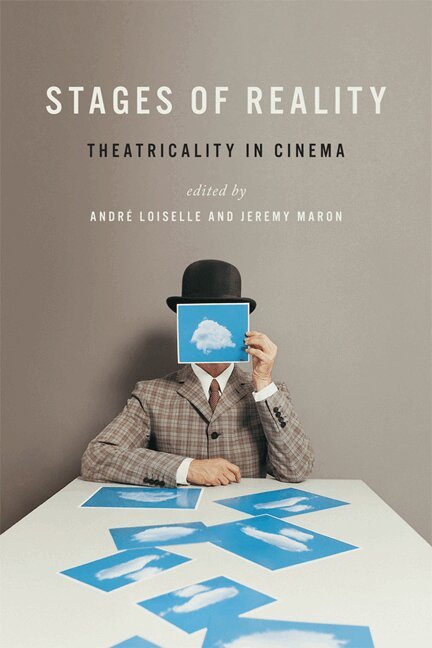
A groundbreaking collection of original essays, Stages of Reality establishes a new paradigm for understanding the relationship between stage and screen media. This comprehensive volume explores the significance of theatricality within critical discourse about cinema and television.Stages of Reality connects the theory and practice of cinematic theatricality through conceptual analyses and close readings of films including The Matrix and There Will be Blood. Contributors illuminate how this mode of address disrupts expectations surrounding cinematic form and content, evaluating strategies such as ostentatious performances, formal stagings, fragmentary montages, and methods of dialogue delivery and movement. Detailing connections between cinematic artifice and topics such as politics, gender, and genre, Stages of Reality allows readers to develop a clear sense of the multiple purposes and uses of theatricality in film.
382 kr
Skickas inom 7-10 vardagar
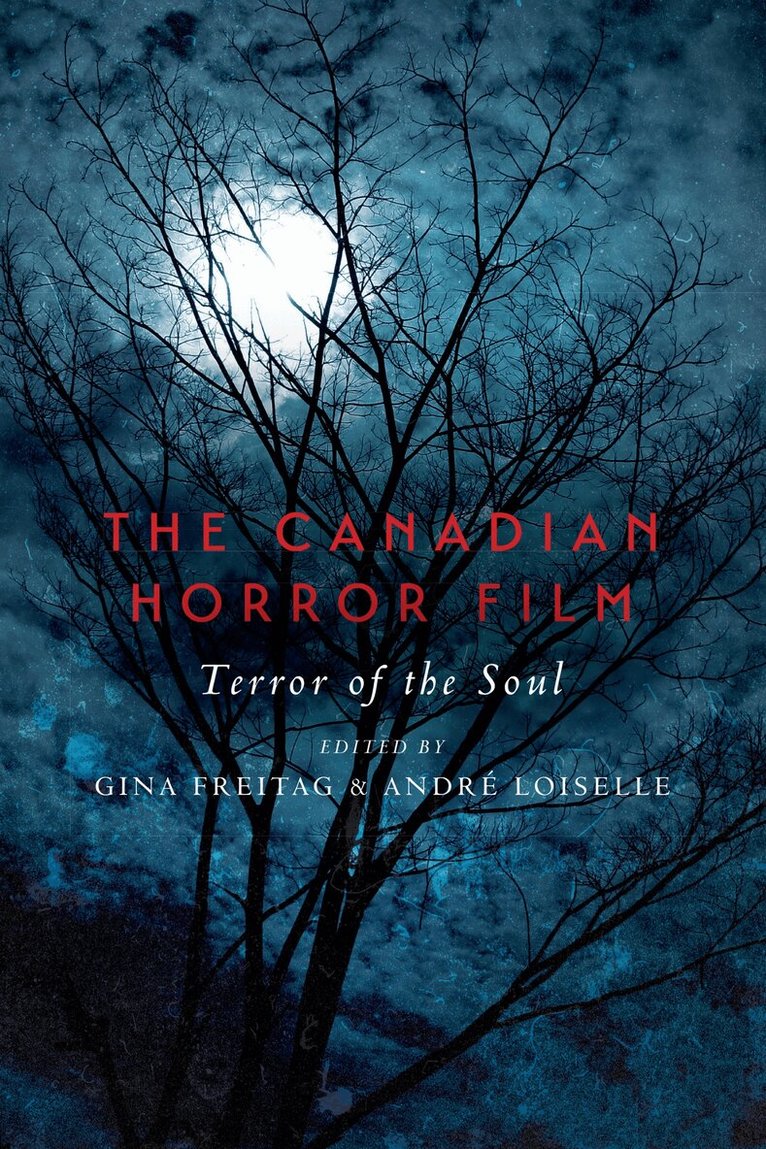
From the cheaply made “tax-shelter” films of the 1970s to the latest wave of contemporary “eco-horror,” Canadian horror cinema has rarely received much critical attention. Gina Freitag and AndrÉ Loiselle rectify that situation in The Canadian Horror Film with a series of thought-provoking reflections on Canada’s “terror of the soul,” a wasteland of docile damnation and prosaic pestilence where savage beasts and mad scientists rub elbows with pasty suburbanites, grumpy seamen, and baby-faced porn stars.Featuring chapters on Pontypool, Ginger Snaps, 1970s slasher films, Quebec horror, and the work of David Cronenberg, among many others, The Canadian Horror Film unearths the terrors hidden in the recesses of the Canadian psyche. It examines the highlights of more than a century of Canadian horror filmmaking and includes an extensive filmography to guide both scholars and enthusiasts alike through this treacherous terrain.
632 kr
Skickas inom 7-10 vardagar
A groundbreaking collection of original essays, Stages of Reality establishes a new paradigm for understanding the relationship between stage and screen media. This comprehensive volume explores the significance of theatricality within critical discourse about cinema and television.Stages of Reality connects the theory and practice of cinematic theatricality through conceptual analyses and close readings of films including The Matrix and There Will be Blood. Contributors illuminate how this mode of address disrupts expectations surrounding cinematic form and content, evaluating strategies such as ostentatious performances, formal stagings, fragmentary montages, and methods of dialogue delivery and movement. Detailing connections between cinematic artifice and topics such as politics, gender, and genre, Stages of Reality allows readers to develop a clear sense of the multiple purposes and uses of theatricality in film.
546 kr
Skickas inom 11-20 vardagar
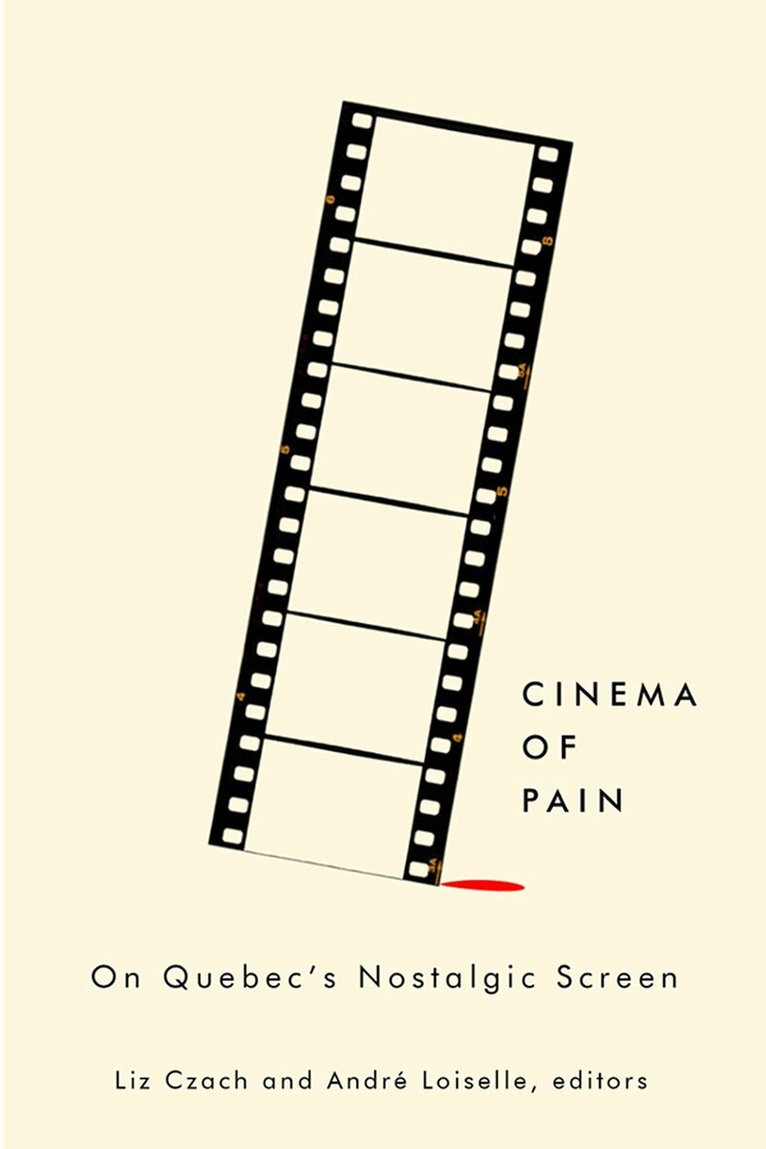
Since the defeat of the pro-sovereigntists in the 1995 Quebec referendum, the loss of a cohesive nationalistic vision in the province has led many Québécois to use their ancestral origins to inject meaning into their everyday lives. A Cinema of Pain argues that this phenomenon is observable in a pervasive sense of nostalgia in Quebec culture and is especially present in the province's vibrant but deeply wistful cinema. In Québécois cinema, nostalgia not only denotes a sentimental longing for the bucolic pleasures of bygone French-Canadian traditions, but, as this edited collection suggests, it evokes the etymological sense of the term, which underscores the element of pain (algos) associated with the longing for a return home (nostos).Whether it is in grandiloquent historical melodramas such as Séraphin: un homme et son péché (Binamé 2002), intimate realist dramas like Tout ce que tu possèdes (Émond 2012), charming art films like C.R.A.Z.Y. (Vallée 2005), or even gory horror movies like Sur le Seuil (Tessier 2003), the contemporary Québécois screen projects an image of shared suffering that unites the nation through a melancholy search for home.
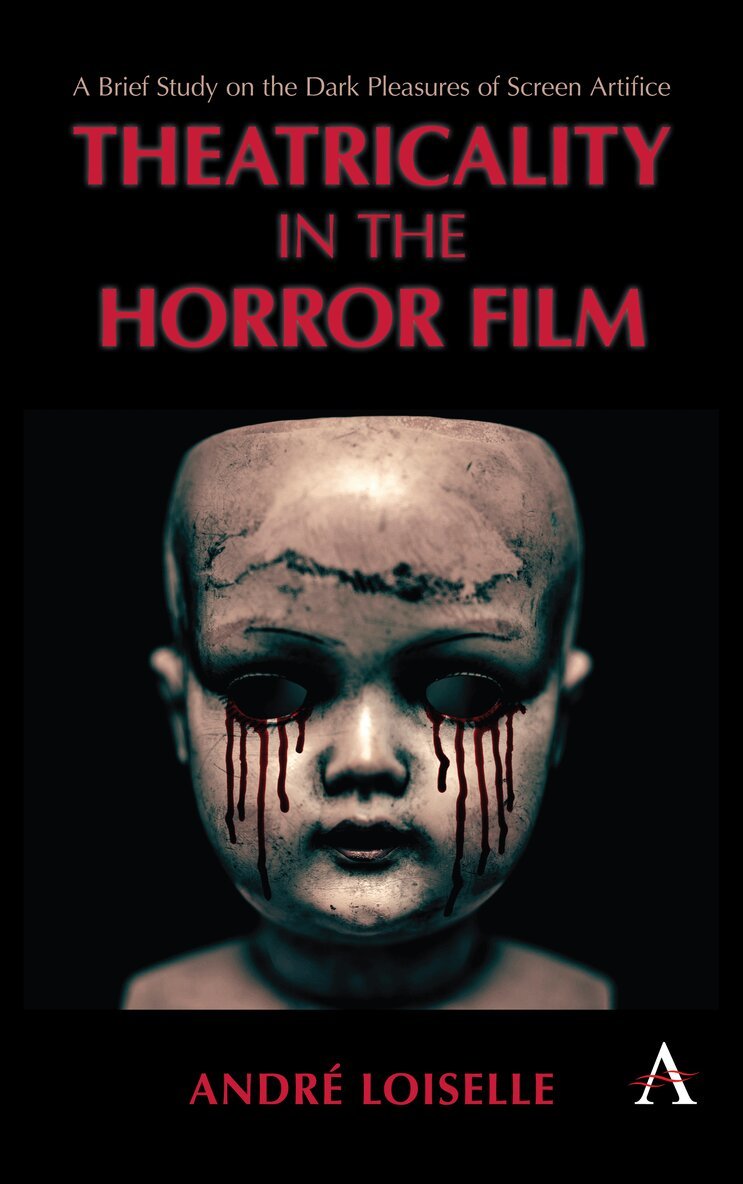
Theatricality in the Horror Film
A Brief Study on the Dark Pleasures of Screen Artifice
Inbunden, Engelska, 2019
756 kr
Skickas inom 5-8 vardagar
The horror film generally presents a situation where normality is threatened by a monster. From this premise, Theatricality in the Horror Film argues that scary movies often create their terrifying effects stylistically and structurally through a radical break with the realism of normality in the form of monstrous theatricality. Theatricality in the horror fi lm expresses itself in many ways. For example, it comes across in the physical performance of monstrosity: the overthe-top performance of a chainsaw-wielding serial killer whose nefarious gestures terrify both his victims within the film and the audience in the cinema. Theatrical artifice can also appear as a stagy cemetery with broken-down tombstones and twisted, gnarly trees, or through the use of violently aberrant filmic techniques, or in the oppressive claustrophobia of a single-room setting reminiscent of classical drama. Any performative element of a film that flaunts its difference from what is deemed realistic or normal on screen might qualify as an instance of theatrical artifice, creating an intense affect in the audience. This book argues that the artificiality of the frightening spectacle is at the heart of the dark pleasures of horror.