Andrea Cucina - Böcker
Visar alla böcker från författaren Andrea Cucina. Handla med fri frakt och snabb leverans.
6 produkter
6 produkter
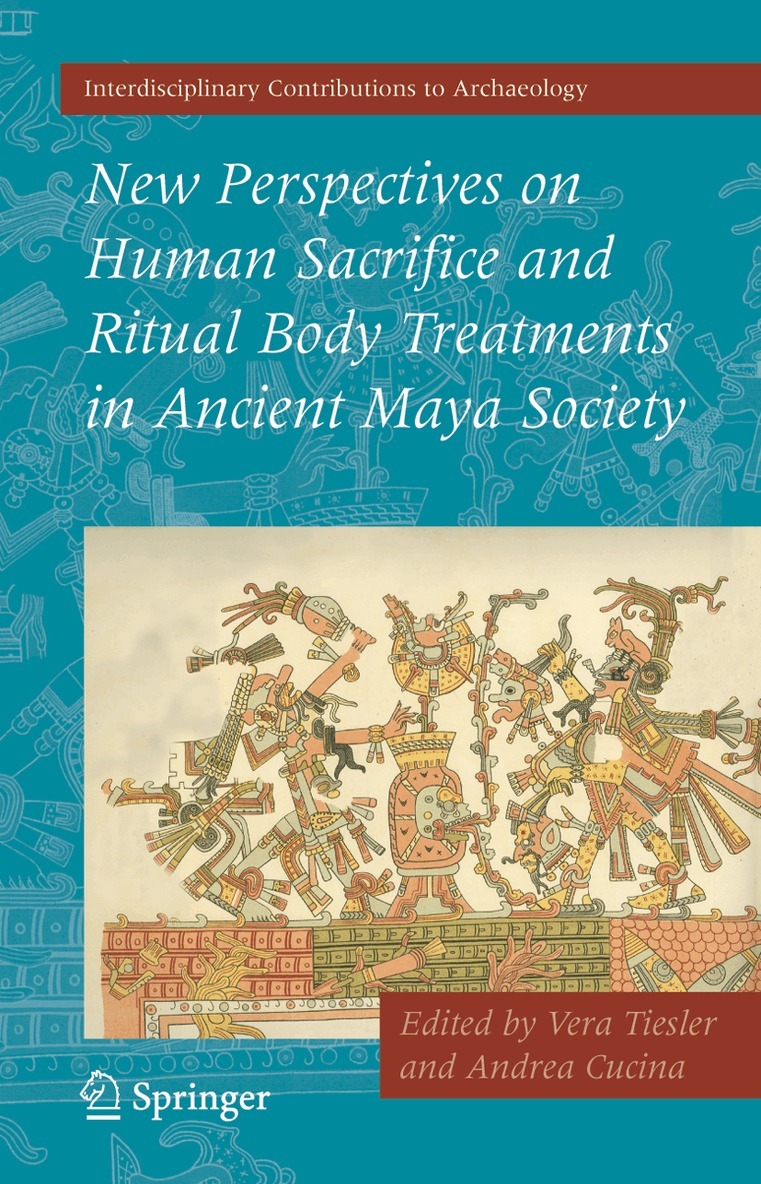
New Perspectives on Human Sacrifice and Ritual Body Treatments in Ancient Maya Society
Häftad, Engelska, 2008
1 733 kr
Skickas inom 10-15 vardagar
This lavishly-illustrated book brings together archaeologists as well as anthropologists, forensic anthropologists, art historians and bioarchaeologists for a wider exploration into Mayan sacrifice and related posthumous body manipulation.
New Perspectives on Human Sacrifice and Ritual Body Treatments in Ancient Maya Society
Inbunden, Engelska, 2007
1 625 kr
Skickas inom 10-15 vardagar
This lavishly-illustrated book brings together archaeologists as well as anthropologists, forensic anthropologists, art historians and bioarchaeologists for a wider exploration into Mayan sacrifice and related posthumous body manipulation.
996 kr
Skickas inom 10-15 vardagar
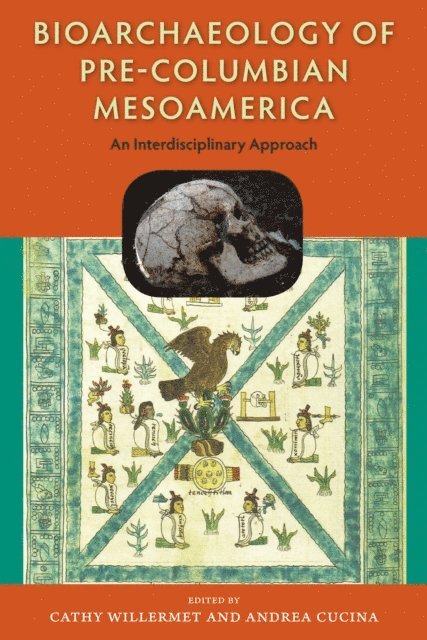
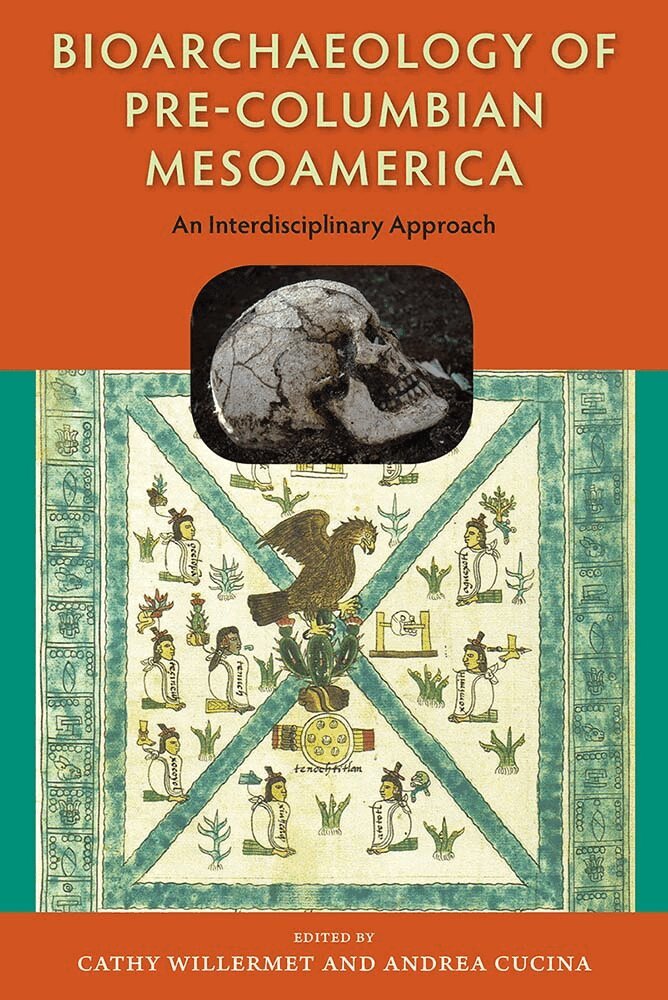
This volume offers a novel interdisciplinary view of the migration, mobility, ethnicity, and social identities of pre-Columbian Mesoamerican peoples. In studies that combine bioarchaeology, ethnohistory, isotope data, and dental morphology, contributors demonstrate the challenges and rewards of such integrative work when applied to large regional questions of population history.The essays in this volume are the results of fieldwork in Honduras, Belize, and a variety of sites in Mexico. One chapter uses dental health data and burial rituals to investigate the social status of sacrificial victims during the Late Classic period. Another analyzes skeletal remains from multiple research perspectives to explore the immigrant makeup of the multiethnic city of Copan. Contributors also use strontium and oxygen isotope data from tooth enamel and dental morphological traits to test hypotheses about migration, and they incorporate ethnohistorical sources in an examination of ancient Maya understandings of belonging and otherness.Revealing how complementary fields of study can together create a better understanding of the complex forces that impact population movements, this volume provides an inspiring picture of the exciting collaborative work currently under way among researchers in the region.A volume in the series Bioarchaeological Interpretations of the Human Past: Local, Regional, and Global Perspectives, edited by Clark Spencer Larsen.
Before Kukulkán
Bioarchaeology of Maya Life, Death, and Identity at Classic Period Yaxuná
Häftad, Engelska, 2025
522 kr
Skickas inom 7-10 vardagar
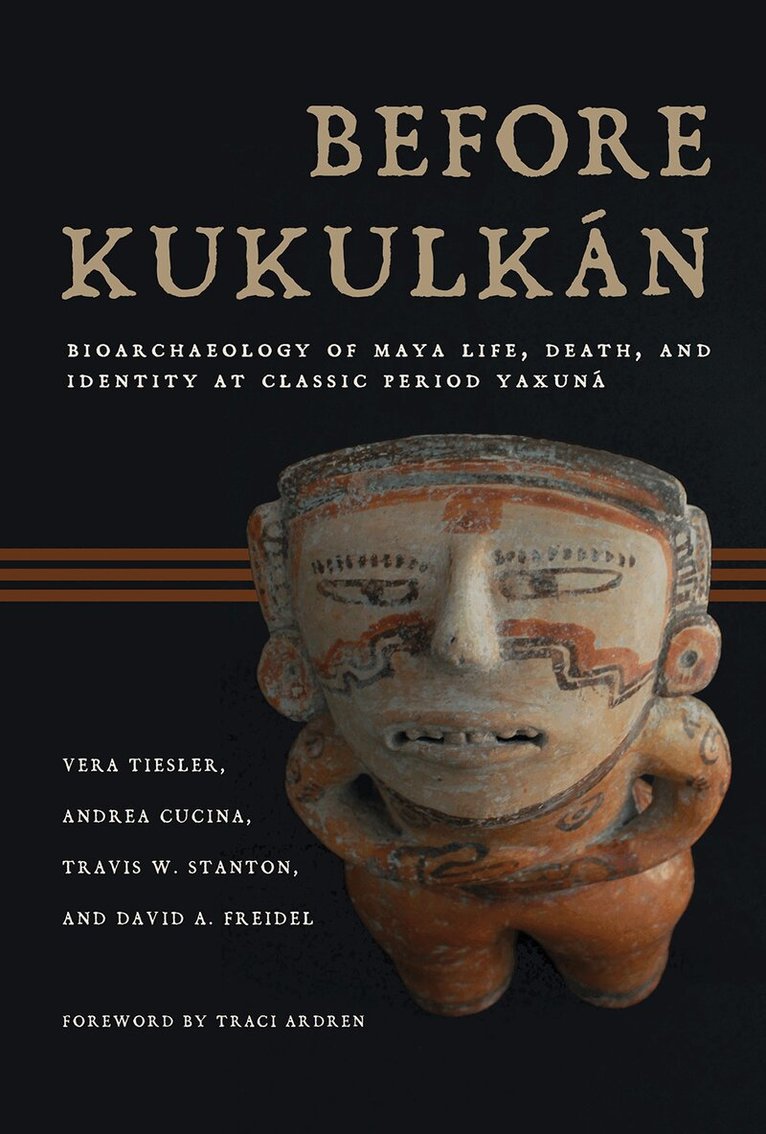
This volume illuminates human lifeways in the northern Maya lowlands prior to the rise of ChichÉn ItzÁ. This period and area have been poorly understood on their own terms, obscured by scholarly focus on the central lowland Maya kingdoms. Before KukulkÁn is anchored in three decades of interdisciplinary research at the Classic Maya capital of YaxunÁ, located at a contentious crossroads of the northern Maya lowlands.Using bioarchaeology, mortuary archaeology, and culturally sensitive mainstream archaeology, the authors create an in-depth regional understanding while also laying out broader ways of learning about the Maya past. Part 1 examines ancient lifeways among the Maya at YaxunÁ, while part 2 explores different meanings of dying and cycling at the settlement and beyond: ancestral practices, royal entombment and desecration, and human sacrifice. The authors close with a discussion of the last years of occupation at YaxunÁ and the role of ChichÉn ItzÁ in the abandonment of this urban center.Before KukulkÁn provides a cohesive synthesis of the evolving roles and collective identities of locals and foreigners at the settlement and their involvement in the region’s trajectory. Theoretically informed and contextualized discussions offer unique glimpses of everyday life and death in the socially fluid Maya city. These findings, in conjunction with other documented series of skeletal remains from this region, provide a nuanced picture of the social and biocultural dynamics that operated successfully for centuries before the arrival of the ItzÁ.
Mesoamerican Osteobiographies
Revealing the Lives and Deaths of Ancient Individuals
Inbunden, Engelska, 2024
1 381 kr
Skickas inom 10-15 vardagar
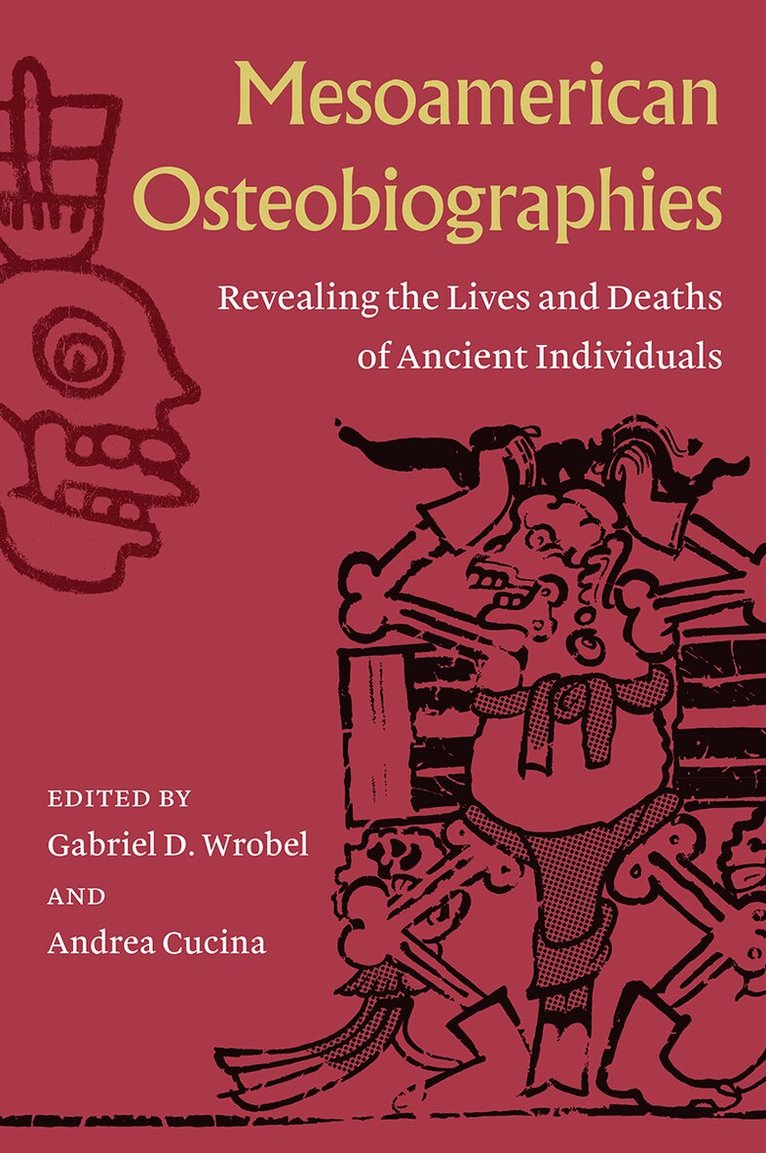
A rapidly growing approach within bioarchaeology that focuses on understanding people of the past in their sociocultural contexts Drawing from a variety of sites throughout Mesoamerica, this volume presents a collection of osteobiographies, which analyze skeletons and their surroundings alongside historical, archaeological, ethnographic, and other contextual data to better understand the life experiences of individuals. This approach allows for a focus on the processes by which individual social identities are created, negotiated, and altered.In these chapters, contributors address what individual bodies reveal about their societies, what burials can tell us about the ways people were remembered, and what information about disease and health indicates about lifestyles. Each case study compiles a range of available data to gain insights into a specific time and place. Recreating the lives of individuals from locations in Belize, Mexico, Guatemala, and Honduras, the volume includes descriptions of everyday activities, the social roles of priests and merchants, memorial practices, and many other spheres of human life.Mesoamerican Osteobiographies demonstrates how the diverse, culturally laden, and complex archaeological record of Mesoamerica can uniquely contribute to bioarchaeology, in part due to the region’s many unusual and elaborate mortuary contexts. The different contributions in this volume show that the osteobiography approach can be integrated into existing research frameworks, both in Mesoamerica and around the world, to answer meaningful biocultural questions about the lives and deaths of ancient people.Contributors:Pamela Geller | Satoru Murata | Gabriel D. Wrobel | Carolyn Freiwald | Kirsten Green Mink | David W. Mixter | Ricardo Rodas | Dr. Della Cook | Abigail Meza Peñaloza | Ethan C. Hill | Erik Velásquez García | Jack Biggs | Frederico Zurtuche | Mónica Urquizú | John Robb | María Belén Méndez Bauer | DR Vera Tiesler | Dr. Andrew K. Scherer | DR Melissa S. Murphy | Lourdes Marquez Morfín | Ana Maria Padilla Dorantes | Dr. Andrea Cucina | Paige Wojcik Woolfolk | Eleanor Harrison-Buck | Claire Ebert | Aurora Marcela Pérez-Flórez | Destiny Micklin | Morgan McKenna | Allan Ortega-Muñoz | Kara Fulton | Lexi O'Donnell | Peter Mercier | Omar A. Alcover-Firpi | Mariah Biggs | Prof Jane Buikstra | Katherine Miller Wolf | Keith Prufer | Jaime Awe | D. Eli Mrak | Emily Moes | Douglas J. Kennett | Joshua T. Schnell | Amy Hair | Takeshi Inomata | Mónica Rodriguez Pérez | Ellen Bell | Daniela Triadan | Samantha Sharon Negrete Gutiérrez | Alex Garcia-Putnam | Anna C. Novotny | Marie Danforth | Lisa LeCount | Loa P. Traxler | Rosalba Yasmin Cifuentes Argüello | Shintaro Suzuki | Fernando Gutiérrez Méndez | Samantha Blatt | Mark Robinson | Amy Michael | Sandra Elizalde
Archaeology and Bioarchaeology of Population Movement among the Prehispanic Maya
Häftad, Engelska, 2014
552 kr
Skickas inom 10-15 vardagar
Archaeological evidence - i.e. presence of exogenous, foreign material objects (pottery, obsidian and so on) - is used to make inferences on ancient trade, while population movement can only be assessed when the biological component of an ancient community is analyzed (i.e. the human skeletal remains). But the exchange of goods or the presence of foreign architectural patterns does not necessarily imply genetic admixture between groups, while at the same time humans can migrate for reasons that may not be related only to trading. The Prehispanic Maya were a complex, highly stratified society. During the Classic period, city-states governed over large regions, establishing complex ties of alliance and commerce with the region’s minor centers and their allies, against other city-states within and outside the Maya realm. The fall of the political system during the Classic period (the Maya collapse) led to hypothetical invasions of leading groups from the Gulf of Mexico into the northern Maya lowland at the onset of the Postclassic. However, it is still unclear whether this collapse was already underway when this movement of people started. The whole picture of population dynamics in Maya Prehispanic times, during the Classic and the Postclassic, can slowly emerge only when all the pieces of the puzzle are put together in a holistic and multidisciplinary fashion. The contributions of this volume bring together contributions from archaeology, archaeometry, paleodemography and bioarchaeology. They provide an initial account of the dynamic qualities behind large–scale ancient population dynamics, and at the same time represent novel multidisciplinary points of departure towards an integrated reconstruction and understanding of Prehispanic population dynamics in the Maya region.