E-bok
Engelska, 20121 068 kr
Läs direkt efter köp
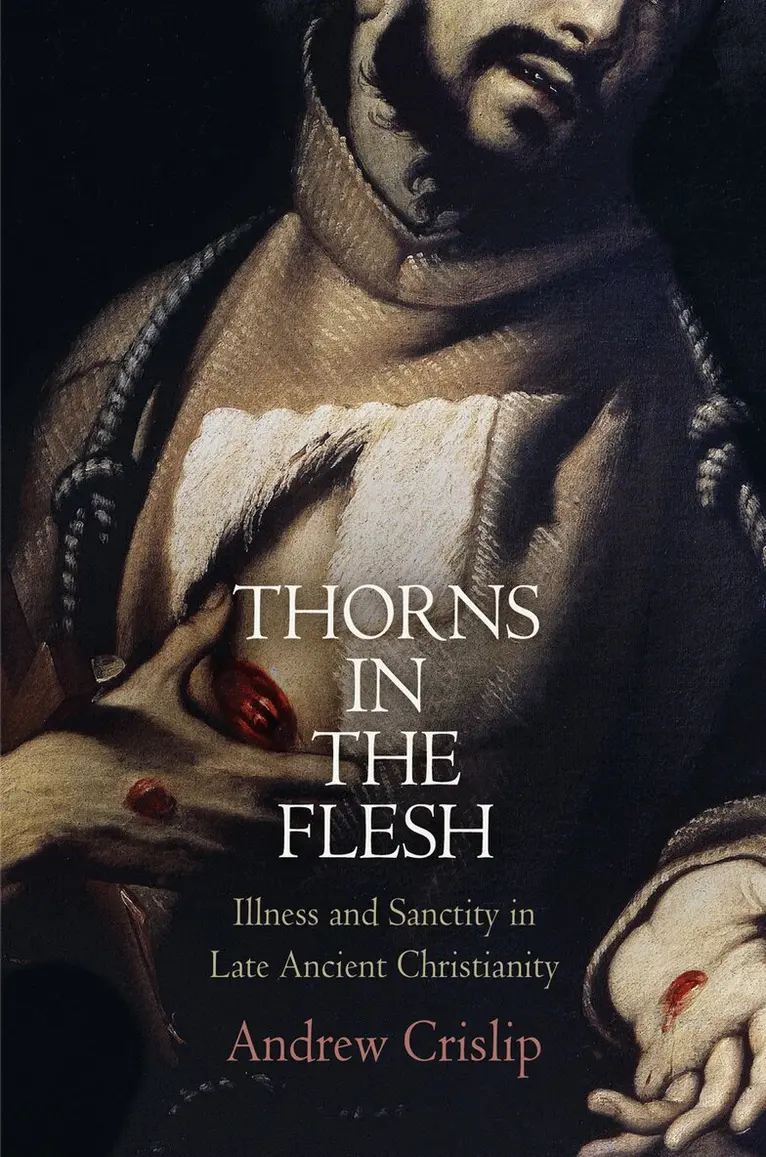
The literature of late ancient Christianity is rich both in saints who lead lives of almost Edenic health and in saints who court and endure horrifying diseases. In such narratives, health and illness might signify the sanctity of the ascetic, or invite consideration of a broader theology of illness. In Thorns in the Flesh, Andrew Crislip draws on a wide range of texts from the fourth through sixth centuries that reflect persistent and contentious attempts to make sense of the illness of the ostensibly holy. These sources include Lives of Antony, Paul, Pachomius, and others; theological treatises by Basil of Caesarea and Evagrius of Pontus; and collections of correspondence from the period such as the Letters of Barsanuphius and John.Through close readings of these texts, Crislip shows how late ancient Christians complicated and critiqued hagiographical commonplaces and radically reinterpreted illness as a valuable mode for spiritual and ascetic practice. Illness need not point to sin or failure, he demonstrates, but might serve in itself as a potent form of spiritual practice that surpasses even the most strenuous of ascetic labors and opens up the sufferer to a more direct knowledge of the self and the divine. Crislip provides a fresh and nuanced look at the contentious and dynamic theology of illness that emerged in and around the ascetic and monastic cultures of the later Roman world.