Andrew Denning - Böcker
Visar alla böcker från författaren Andrew Denning. Handla med fri frakt och snabb leverans.
6 produkter
6 produkter
3 363 kr
Skickas inom 10-15 vardagar
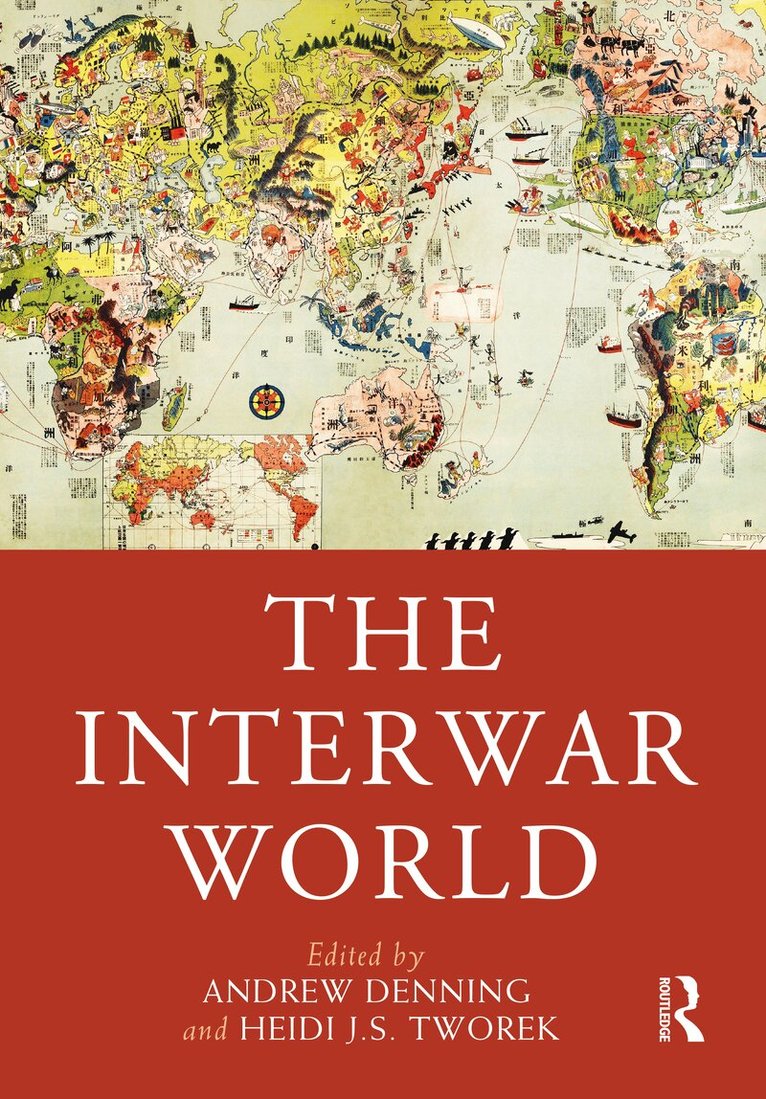
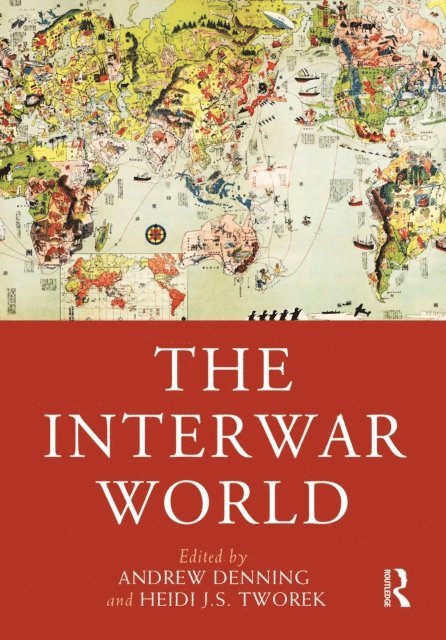
The Interwar World collects an international group of over 50 contributors to discuss, analyze, and interpret this crucial period in twentieth-century history. A comprehensive understanding of the interwar era has been limited by Euro-American approaches and strict adherence to the temporal limits of the world wars. The volume’s contributors challenge the era’s accepted temporal and geographic framings by privileging global processes and interactions. Each contribution takes a global, thematic approach, integrating world regions into a shared narrative.Three central questions frame the chapters. First, when was the interwar? Viewed globally, the years 1918 and 1939 are arbitrary limits, and the volume explicitly engages with the artificiality of the temporal framework while closely examining the specific dynamics of the 1920s and 1930s. Second, where was the interwar? Contributors use global history methodologies and training in varied world regions to decenter Euro-American frameworks, engaging directly with the usefulness of the interwar as both an era and an analytical category. Third, how global was the interwar? Authors trace accelerating connections in areas such as public health and mass culture counterbalanced by processes of economic protectionism, exclusive nationalism, and limits to migration. By approaching the era thematically, the volume disaggregates and interrogates the meaning of the ‘global’ in this era.As a comprehensive guide, this volume offers overviews of key themes of the interwar period for undergraduates, while offering up-to-date historiographical insights for postgraduates and scholars interested in this pivotal period in global history.
719 kr
Skickas inom 10-15 vardagar
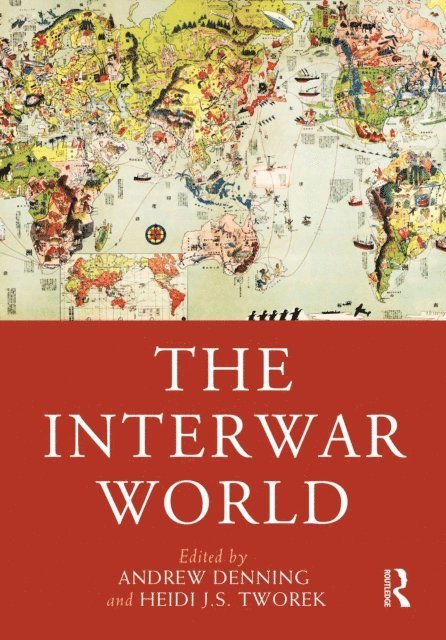
The Interwar World collects an international group of over 50 contributors to discuss, analyze, and interpret this crucial period in twentieth-century history. A comprehensive understanding of the interwar era has been limited by Euro-American approaches and strict adherence to the temporal limits of the world wars. The volume’s contributors challenge the era’s accepted temporal and geographic framings by privileging global processes and interactions. Each contribution takes a global, thematic approach, integrating world regions into a shared narrative.Three central questions frame the chapters. First, when was the interwar? Viewed globally, the years 1918 and 1939 are arbitrary limits, and the volume explicitly engages with the artificiality of the temporal framework while closely examining the specific dynamics of the 1920s and 1930s. Second, where was the interwar? Contributors use global history methodologies and training in varied world regions to decenter Euro-American frameworks, engaging directly with the usefulness of the interwar as both an era and an analytical category. Third, how global was the interwar? Authors trace accelerating connections in areas such as public health and mass culture counterbalanced by processes of economic protectionism, exclusive nationalism, and limits to migration. By approaching the era thematically, the volume disaggregates and interrogates the meaning of the ‘global’ in this era.As a comprehensive guide, this volume offers overviews of key themes of the interwar period for undergraduates, while offering up-to-date historiographical insights for postgraduates and scholars interested in this pivotal period in global history.
Del 3 - Sport in World History
Skiing into Modernity
A Cultural and Environmental History
Inbunden, Engelska, 2014
1 513 kr
Skickas inom 3-6 vardagar
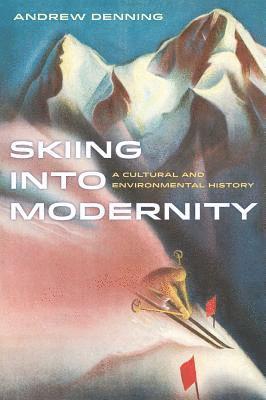
Skiing into Modernity is the story of how skiing moved from Europe's Scandinavian periphery to the mountains of central Europe, where it came to define the modern Alps and set the standard for skiing across the world. Denning offers a fresh, sophisticated, and engaging cultural and environmental history of skiing that alters our understanding of the sport and reveals how leisure practices evolve in unison with our changing relationship to nature. Denning probes the modernist self-definition of Alpine skiers and the sport's historical appeal for individuals who sought to escape city strictures while achieving mastery of mountain environments through technology and speed two central features distinguishing early twentieth-century cultures. Skiing into Modernity surpasses existing literature on the history of skiing to explore intersections between work, tourism, leisure, development, environmental destruction, urbanism, and more.
Del 3 - Sport in World History
Skiing into Modernity
A Cultural and Environmental History
Häftad, Engelska, 2014
250 kr
Skickas inom 7-10 vardagar
Skiing into Modernity is the story of how skiing moved from Europe's Scandinavian periphery to the mountains of central Europe, where it came to define the modern Alps and set the standard for skiing across the world. Denning offers a fresh, sophisticated, and engaging cultural and environmental history of skiing that alters our understanding of the sport and reveals how leisure practices evolve in unison with our changing relationship to nature. Denning probes the modernist self-definition of Alpine skiers and the sport's historical appeal for individuals who sought to escape city strictures while achieving mastery of mountain environments through technology and speed two central features distinguishing early twentieth-century cultures. Skiing into Modernity surpasses existing literature on the history of skiing to explore intersections between work, tourism, leisure, development, environmental destruction, urbanism, and more.
1 571 kr
Skickas inom 10-15 vardagar
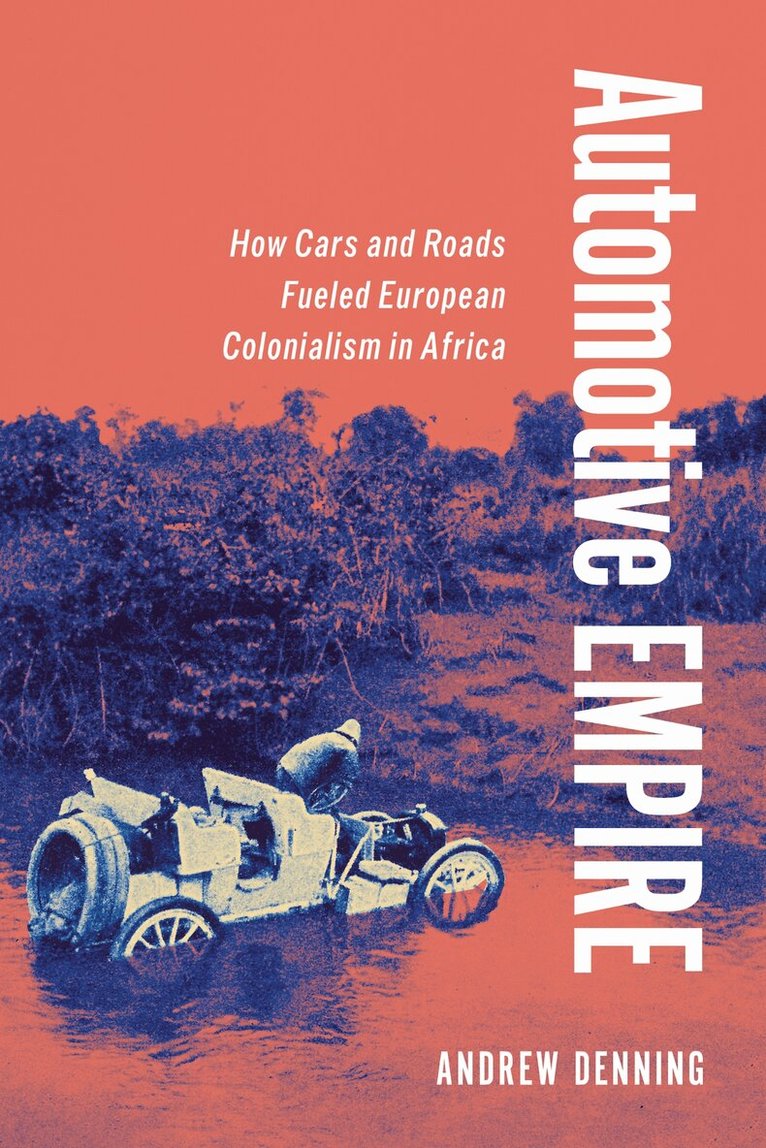
In Automotive Empire, Andrew Denning uncovers how roads and vehicles began to transform colonial societies across Africa but rarely in the manner Europeans expected. Like seafaring ships and railroads, automobiles and roads were more than a mode of transport—they organized colonial spaces and structured the political, economic, and social relations of empire, both within African colonies and between colonies and the European metropole. European officials in French, Italian, British, German, Belgian, and Portuguese territories in Africa shared a common challenge—the transport problem. While they imagined that roads would radiate commerce and political hegemony by collapsing space, the pressures of constructing and maintaining roads rendered colonial administration thin, ineffective, and capricious. Automotive empire emerged as the European solution to the transport problem, but revealed weakness as much as it extended power. As Automotive Empire reveals, motor vehicles and roads seemed the ideal solution to the colonial transport problem. They were cheaper and quicker to construct than railroads, overcame the environmental limitations of rivers, and did not depend on the recruitment and supervision of African porters. At this pivotal moment of African colonialism, when European powers transitioned from claiming territories to administering and exploiting them, automotive empire defined colonial states and societies, along with the brutal and capricious nature of European colonialism itself.
624 kr
Skickas inom 3-6 vardagar
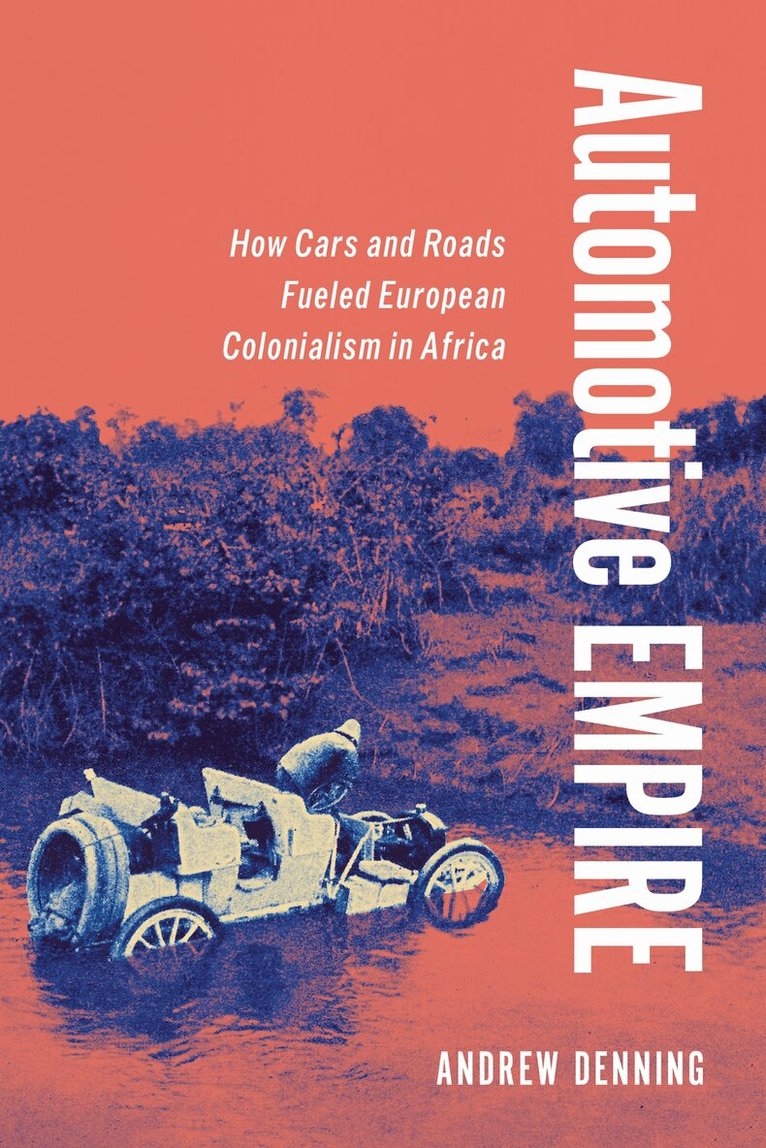
Winner of the 2025 Nicolas-Joseph Cugnot AwardIn Automotive Empire, Andrew Denning uncovers how roads and vehicles began to transform colonial societies across Africa but rarely in the manner Europeans expected. Like seafaring ships and railroads, automobiles and roads were more than a mode of transport – they organized colonial spaces and structured the political, economic, and social relations of empire, both within African colonies and between colonies and the European metropole. European officials in French, Italian, British, German, Belgian, and Portuguese territories in Africa shared a common challenge – the transport problem. While they imagined that roads would radiate commerce and political hegemony by collapsing space, the pressures of constructing and maintaining roads rendered colonial administration thin, ineffective, and capricious. Automotive empire emerged as the European solution to the transport problem, but revealed weakness as much as it extended power. As Automotive Empire reveals, motor vehicles and roads seemed the ideal solution to the colonial transport problem. They were cheaper and quicker to construct than railroads, overcame the environmental limitations of rivers, and did not depend on the recruitment and supervision of African porters. At this pivotal moment of African colonialism, when European powers transitioned from claiming territories to administering and exploiting them, automotive empire defined colonial states and societies, along with the brutal and capricious nature of European colonialism itself.