Andrew H. Clark – författare
Visar alla böcker från författaren Andrew H. Clark. Handla med fri frakt och snabb leverans.
5 produkter
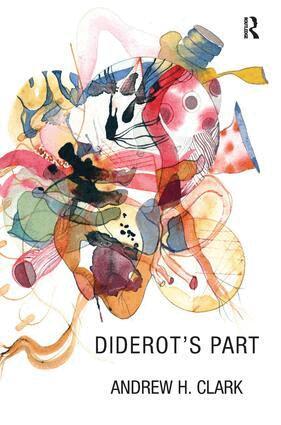
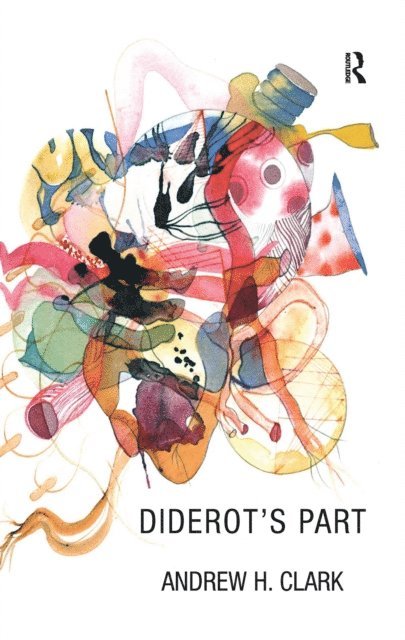
Diderot's Part
Inbunden, 2008
876 kr
Lägg i varukorg
Drawing upon the rich heterogeneity of Denis Diderot's texts-whether scientific, aesthetic, philosophic or literary-Andrew Clark locates and examines an important epistemological shift both in Diderot's oeuvre and in the eighteenth century more generally. In Western Europe during the 1750s, the …
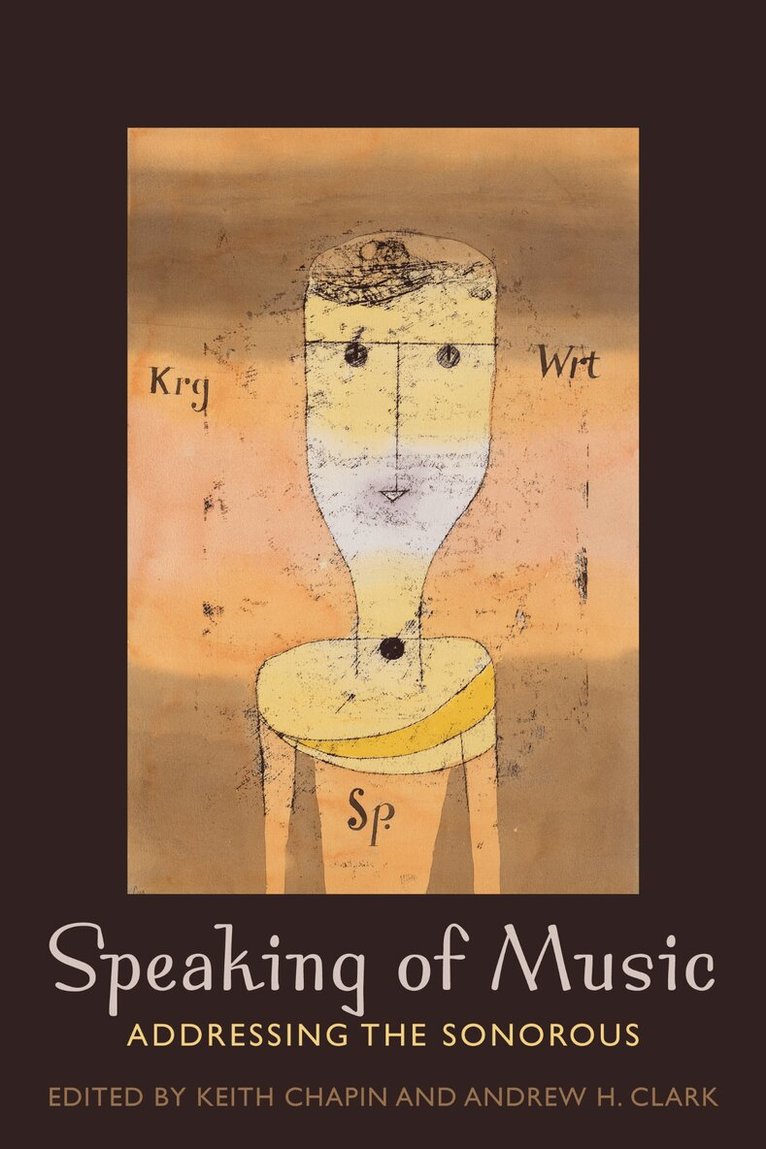
Speaking of Music
Addressing the Sonorous
Av Keith Chapin, Andrew H. Clark
Inbunden, 2013
1284 kr
Lägg i varukorg
People chat about music every day, but they also treat it as a limit, as the boundary of what is sayable. By addressing different perspectives and traditions that form and inform the speaking of music in Western culture—musical, literary, philosophical, semiotic, political—this volume offers a …
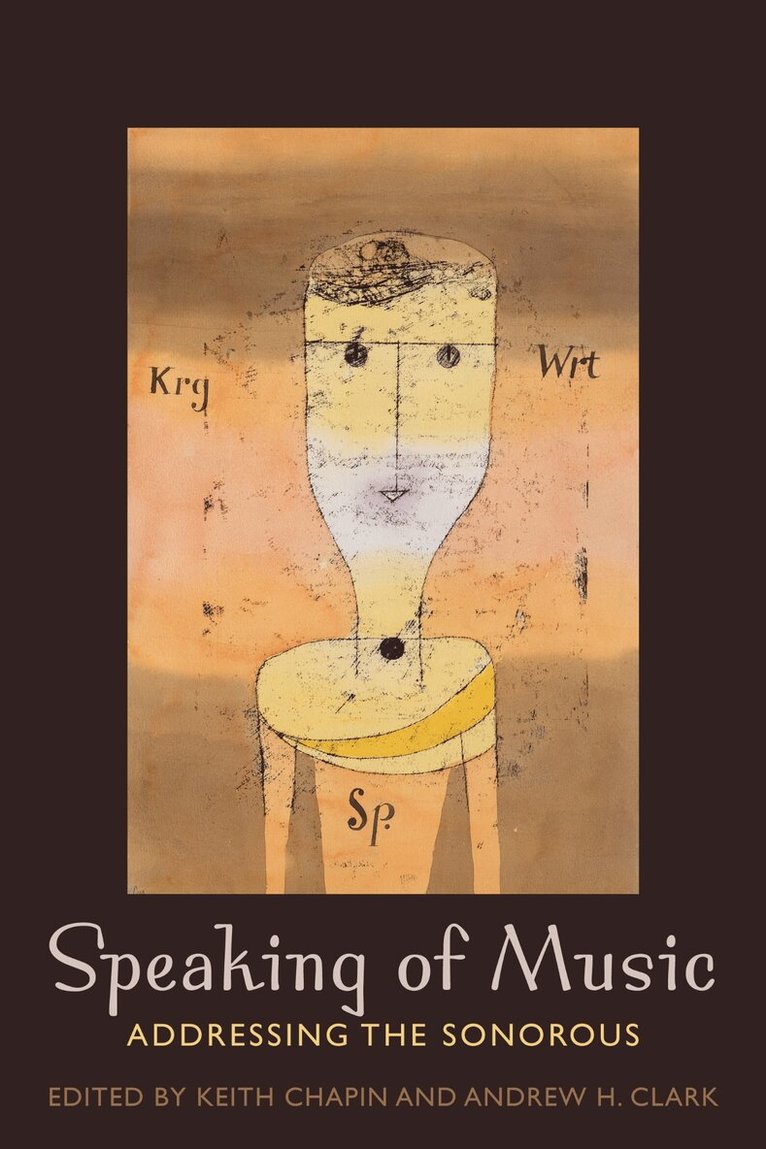
Speaking of Music
Addressing the Sonorous
Av Keith Chapin, Andrew H. Clark
Häftad, 2013
496 kr
Lägg i varukorg
People chat about music every day, but they also treat it as a limit, as the boundary of what is sayable. By addressing different perspectives and traditions that form and inform the speaking of music in Western culture—musical, literary, philosophical, semiotic, political—this volume offers a …
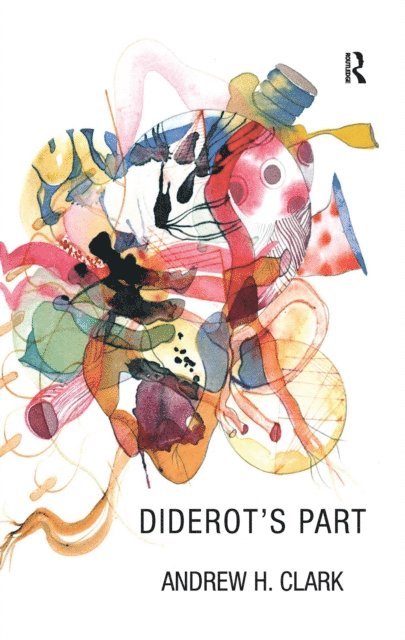
Diderot's Part
E-bok, 2017
956 kr
Lägg i varukorg
Drawing upon the rich heterogeneity of Denis Diderot''s texts-whether scientific, aesthetic, philosophic or literary-Andrew Clark locates and examines an important epistemological shift both in Diderot''s oeuvre and in the eighteenth century more generally. In Western Europe during the 1750s, the …
Diderot's Part
E-bok, 2017
956 kr
Lägg i varukorg
Drawing upon the rich heterogeneity of Denis Diderot''s texts-whether scientific, aesthetic, philosophic or literary-Andrew Clark locates and examines an important epistemological shift both in Diderot''s oeuvre and in the eighteenth century more generally. In Western Europe during the 1750s, the …