Andrew M. Shanken - Böcker
Visar alla böcker från författaren Andrew M. Shanken. Handla med fri frakt och snabb leverans.
4 produkter
4 produkter
264 kr
Skickas inom 7-10 vardagar
During the Second World War, American architecture was in a state of crisis. The rationing of building materials and restrictions on nonmilitary construction continued the privations that the profession had endured during the Great Depression. At the same time, the dramatic events of the 1930s and 1940s led many architects to believe that their profession-and society itself-would undergo a profound shift once the war ended, with private commissions giving way to centrally planned projects. The magazine Architectural Forum coined the term “194X” to encapsulate this wartime vision of postwar architecture and urbanism.In a major study of American architecture during World War II, Andrew M. Shanken focuses on the culture of anticipation that arose in this period, as out-of-work architects turned their energies from the built to the unbuilt, redefining themselves as planners and creating original designs to excite the public about postwar architecture. Shanken recasts the wartime era as a crucible for the intermingling of modernist architecture and consumer culture.Challenging the pervasive idea that corporate capitalism corrupted the idealism of modernist architecture in the postwar era, 194X shows instead that architecture’s wartime partnership with corporate American was founded on shared anxieties and ideals. Business and architecture were brought together in innovative ways, as shown by Shanken’s persuasive reading of magazine advertisements for Revere Copper and Brass, U.S. Gypsum, General Electric, and other companies that prominently featured the work of leading progressive architects, including Louis I. Kahn, Eero Saarinen, and Walter Gropius.Although the unexpected prosperity of the postwar era made the architecture of 194X obsolete before it could be built and led to its exclusion from the story of twentieth-century American architecture, Shanken makes clear that its anticipatory rhetoric and designs played a crucial role in the widespread acceptance
1 127 kr
Skickas inom 10-15 vardagar
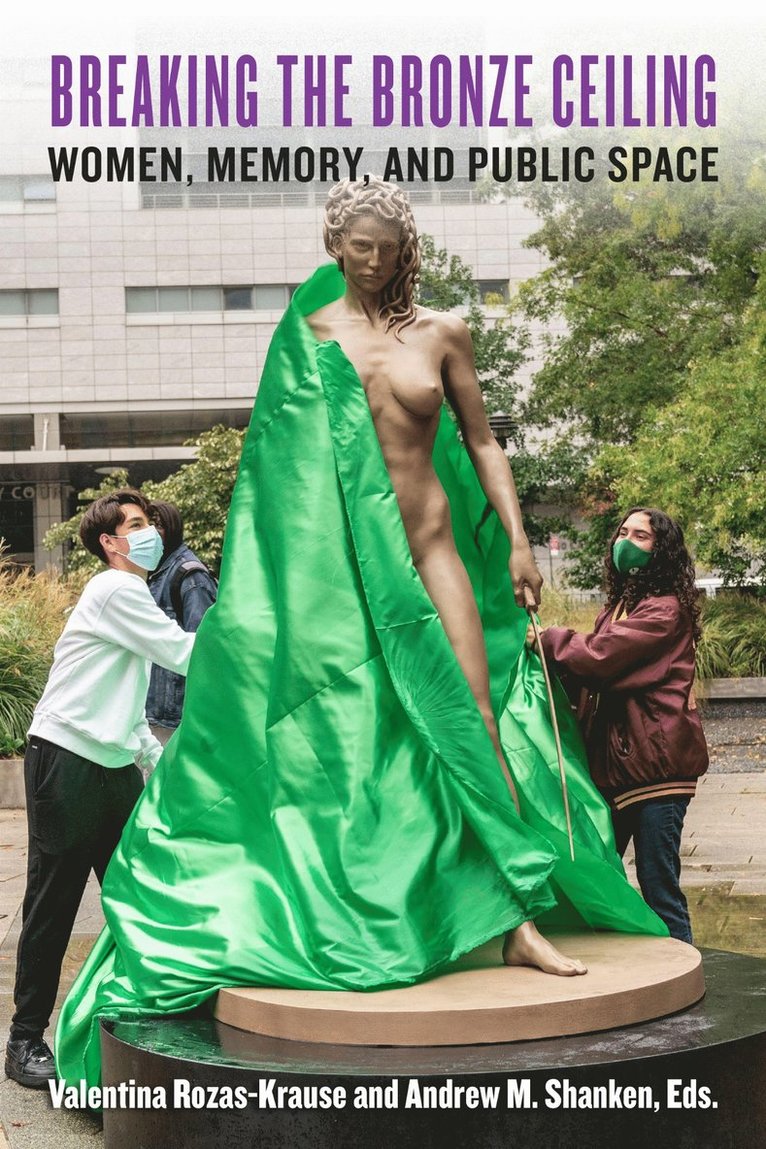
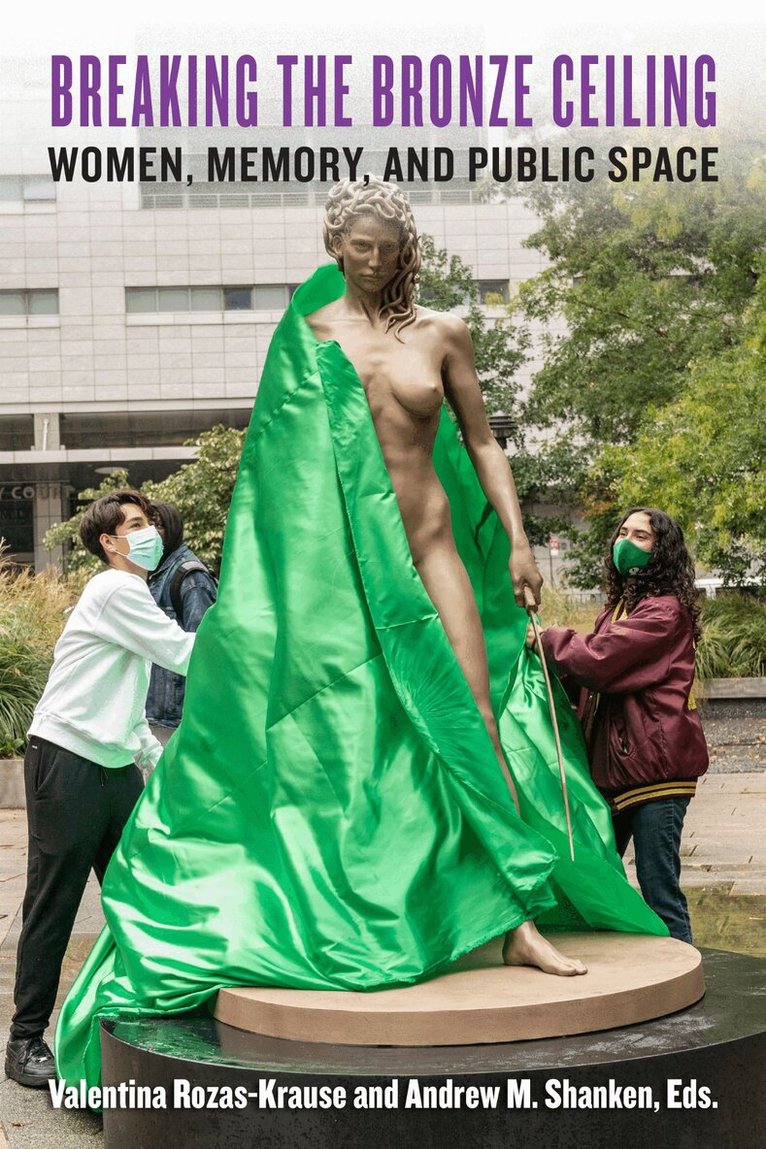
Breaking the Bronze Ceiling uncovers a glaring omission in our global memorial landscape—the conspicuous absence of women. Exploring this neglected narrative, the book emerges as the foremost guide to women's memorialization across diverse cultures and ages. As global memorials come under intense examination, with metropolises vying for a more inclusive recognition of female contributions, this book stands at the forefront of contemporary discussion.The book's thought-provoking essays artfully traverse the complex terrains of gender portrayal, urban tales, ancestral practices, and grassroots activism—all anchored in the bedrock of cultural remembrance. Rich in the range of cases discussed, the book sifts through multifaceted representations of women, from Marians to Liberties, to handmaidens, to particular historical women.Breaking the Bronze Ceiling offers a panoramic view of worldwide memorials, critically analyzing grandiose tributes while also honoring subtle gestures—be it evocative plaques, inspiring namesakes, or dynamic demonstrations. The book will be of interest to historians of art and architecture, as well as to activists, governmental bodies, urban planners, and NGOs committed to regional history and memory.More than a mere compilation, Breaking the Bronze Ceiling epitomizes a movement. The book comprehensively assesses the portrayal of women in public art and offers a fervent plea to address the severe underrepresentation of women in memorials.Contributors: Carolina Aguilera, Manuela Badilla, Daniel E. Coslett, Erika Doss, Tania Gutiérrez-Monroy, Daniel Herwitz, Katherine Hite, Lauren Kroiz, Ana María León, Fernando Luis Martínez Nespral, Pía Montealegre, Sierra Rooney, Daniela Sandler, Kirk Savage, Susan Slyomovics, Marita Sturken, Amanda Su, Dell Upton, Nathaniel Robert Walker, and Mechtild Widrich
309 kr
Skickas inom 7-10 vardagar
Breaking the Bronze Ceiling uncovers a glaring omission in our global memorial landscape—the conspicuous absence of women. Exploring this neglected narrative, the book emerges as the foremost guide to women's memorialization across diverse cultures and ages. As global memorials come under intense examination, with metropolises vying for a more inclusive recognition of female contributions, this book stands at the forefront of contemporary discussion.The book's thought-provoking essays artfully traverse the complex terrains of gender portrayal, urban tales, ancestral practices, and grassroots activism—all anchored in the bedrock of cultural remembrance. Rich in the range of cases discussed, the book sifts through multifaceted representations of women, from Marians to Liberties, to handmaidens, to particular historical women.Breaking the Bronze Ceiling offers a panoramic view of worldwide memorials, critically analyzing grandiose tributes while also honoring subtle gestures—be it evocative plaques, inspiring namesakes, or dynamic demonstrations. The book will be of interest to historians of art and architecture, as well as to activists, governmental bodies, urban planners, and NGOs committed to regional history and memory.More than a mere compilation, Breaking the Bronze Ceiling epitomizes a movement. The book comprehensively assesses the portrayal of women in public art and offers a fervent plea to address the severe underrepresentation of women in memorials.Contributors: Carolina Aguilera, Manuela Badilla, Daniel E. Coslett, Erika Doss, Tania Gutiérrez-Monroy, Daniel Herwitz, Katherine Hite, Lauren Kroiz, Ana María León, Fernando Luis Martínez Nespral, Pía Montealegre, Sierra Rooney, Daniela Sandler, Kirk Savage, Susan Slyomovics, Marita Sturken, Amanda Su, Dell Upton, Nathaniel Robert Walker, and Mechtild Widrich
388 kr
Skickas inom 7-10 vardagar