Andrew Miles – författare
Visar alla böcker från författaren Andrew Miles. Handla med fri frakt och snabb leverans.
11 produkter
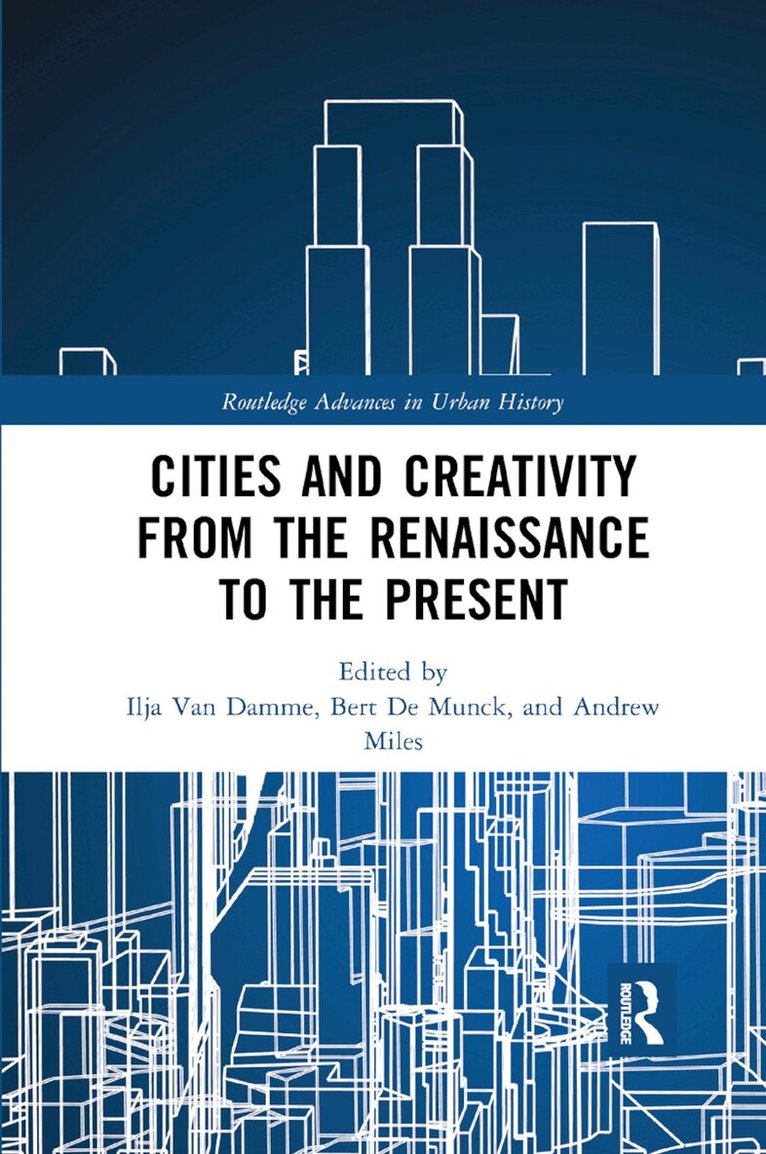
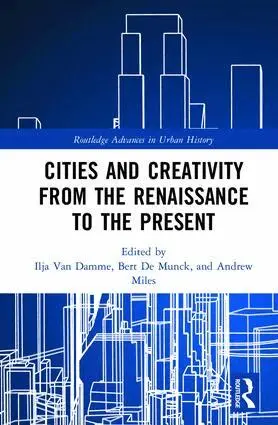
Cities and Creativity from the Renaissance to the Present
Av Ilja Van Damme, Bert De Munck m. fl.
Häftad, 2019
726 kr
Lägg i varukorg
This volume critically challenges the current creative city debate from a historical perspective. In the last two decades, urban studies has been engulfed by a creative city narrative in which concepts like the creative economy, the creative class or creative industries proclaim the status of the …
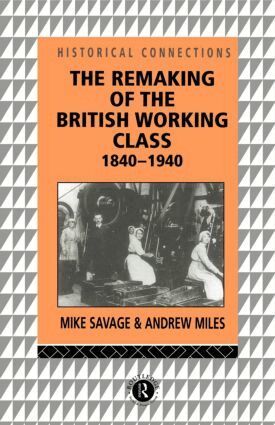
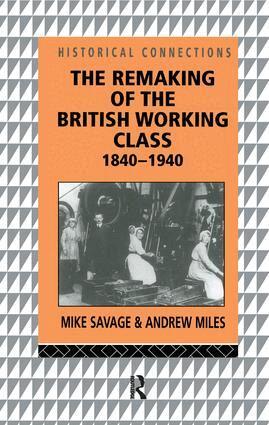
Remaking of the British Working Class, 1840-1940
Häftad, 1994
665 kr
Lägg i varukorg
Mike Savage and Andrew Miles provide a comprehensive introduction to the working class in Britain in the years after 1840. This textbook:* Includes a provocative, timely and clear defence of class analysis* Breaks new ground in showing how social mobility and urban change affected working class …
Remaking of the British Working Class, 1840-1940
E-bok, 2013
785 kr
Lägg i varukorg
Mike Savage and Andrew Miles provide a comprehensive introduction to the working class in Britain in the years after 1840. This textbook: * Includes a provocative, timely and clear defence of class analysis * Breaks new ground in showing how social mobility and urban change affected working class …
Remaking of the British Working Class, 1840-1940
E-bok, 2013
762 kr
Lägg i varukorg
Mike Savage and Andrew Miles provide a comprehensive introduction to the working class in Britain in the years after 1840. This textbook: * Includes a provocative, timely and clear defence of class analysis * Breaks new ground in showing how social mobility and urban change affected working class …
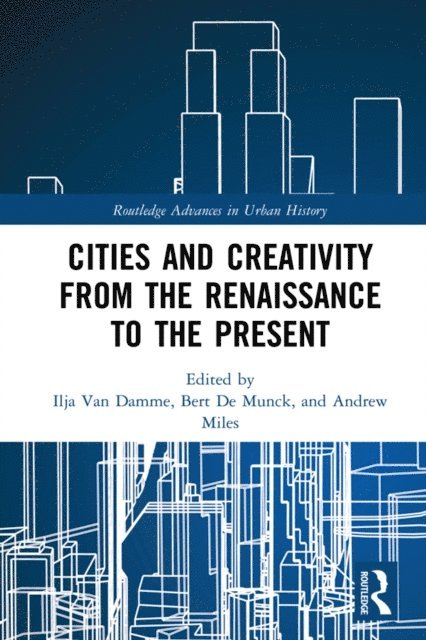
Cities and Creativity from the Renaissance to the Present
Av Ilja Van Damme, Bert De Munck m. fl.
Inbunden, 2017
2590 kr
Lägg i varukorg
This volume critically challenges the current creative city debate from a historical perspective. In the last two decades, urban studies has been engulfed by a creative city narrative in which concepts like the creative economy, the creative class or creative industries proclaim the status of the …
Remaking of the British Working Class, 1840-1940
Inbunden, 2017
2590 kr
Lägg i varukorg
Mike Savage and Andrew Miles provide a comprehensive introduction to the working class in Britain in the years after 1840. This textbook:* Includes a provocative, timely and clear defence of class analysis* Breaks new ground in showing how social mobility and urban change affected working class …
Cities and Creativity from the Renaissance to the Present
Av Andrew Miles, Bert De Munck m. fl.
E-bok, 2017
856 kr
Lägg i varukorg
This volume critically challenges the current creative city debate from a historical perspective. In the last two decades, urban studies has been engulfed by a creative city narrative in which concepts like the creative economy, the creative class or creative industries proclaim the status of the …
Cities and Creativity from the Renaissance to the Present
Av Andrew Miles, Bert De Munck m. fl.
E-bok, 2017
856 kr
Lägg i varukorg
This volume critically challenges the current creative city debate from a historical perspective. In the last two decades, urban studies has been engulfed by a creative city narrative in which concepts like the creative economy, the creative class or creative industries proclaim the status of the …
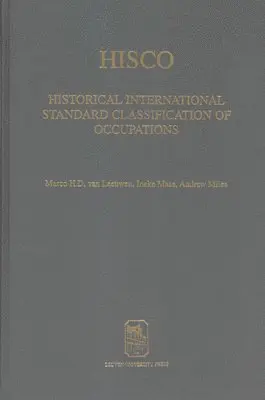
HISCO
Historical International Standard Classification of Occupations
Av Ineke Maas, Andrew Miles m. fl.
Inbunden, 2002
623 kr
Tillfälligt slut