Andrew Nicolson – författare
Visar alla böcker från författaren Andrew Nicolson. Handla med fri frakt och snabb leverans.
2 produkter
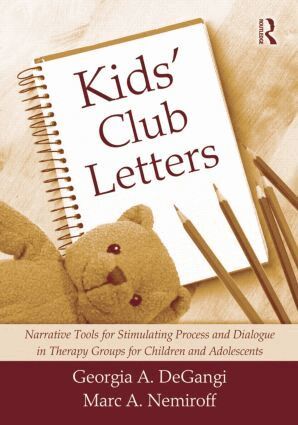
Kids' Club Letters
Narrative Tools for Stimulating Process and Dialogue in Therapy Groups for Children and Adolescents
Av Richard Appleton, Andrew Nicolson m. fl.
Häftad, 2009
716 kr
Lägg i varukorg
Kids' Club Letters provides an innovative approach to group psychotherapy for school-aged children who experience a range of social and emotional problems. A narrative therapy approach is adapted, taking the form of letters written by the therapist in the voice of a child who is asking for advice …
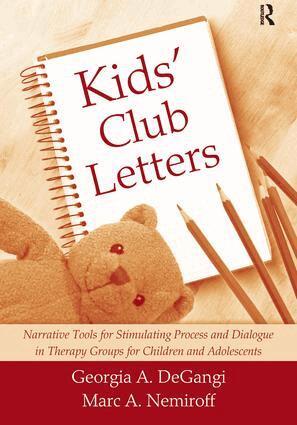
Kids' Club Letters
Narrative Tools for Stimulating Process and Dialogue in Therapy Groups for Children and Adolescents
Av Richard Appleton, Andrew Nicolson m. fl.
Inbunden, 2016
2445 kr
Lägg i varukorg
Kids' Club Letters provides an innovative approach to group psychotherapy for school-aged children who experience a range of social and emotional problems. A narrative therapy approach is adapted, taking the form of letters written by the therapist in the voice of a child who is asking for advice …