Andrew R. Murphy - Böcker
Visar alla böcker från författaren Andrew R. Murphy. Handla med fri frakt och snabb leverans.
18 produkter
18 produkter
343 kr
Skickas
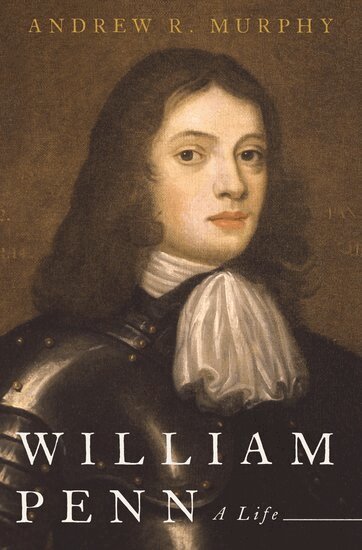
On March 4, 1681, King Charles II granted William Penn a charter for a new American colony. Pennsylvania was to be, in its founder's words, a bold "Holy Experiment" in religious freedom and toleration, a haven for those fleeing persecution in an increasingly intolerant England and across Europe. An activist, political theorist, and the proprietor of his own colony, Penn would become a household name in the New World, despite spending just four years on American soil. Though Penn is an iconic figure in both American and British history, controversy swirled around him during his lifetime. In his early twenties, Penn became a Quaker-an act of religious as well as political rebellion that put an end to his father's dream that young William would one day join the English elite. Yet Penn went on to a prominent public career as a Quaker spokesman, political agitator, and royal courtier. At the height of his influence, Penn was one of the best-known Dissenters in England and walked the halls of power as a close ally of King James II. At his lowest point, he found himself jailed on suspicion of treason, and later served time in debtor's prison. Despite his importance, William Penn has remained an elusive character-many people know his name, but few know much more than that. Andrew R. Murphy offers the first major biography of Penn in more than forty years, and the first to make full use of Penn's private papers. The result is a complex portrait of a man whose legacy we are still grappling with today. At a time when religious freedom is hotly debated in the United States and around the world, William Penn's Holy Experiment serves as both a beacon and a challenge.
1 269 kr
Skickas inom 5-8 vardagar
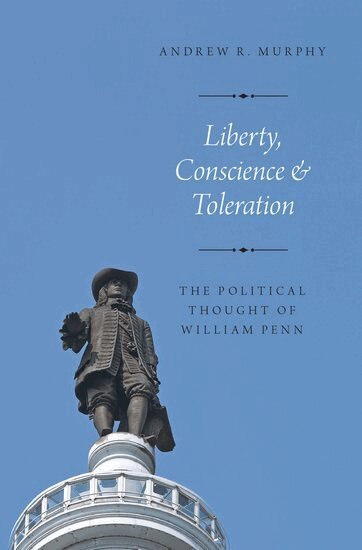
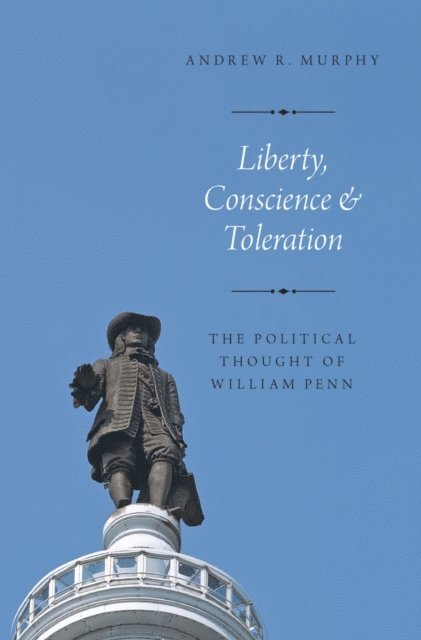
In a seventeenth-century English landscape populated with towering political and philosophical figures like Hobbes, Harrington, Cromwell, Milton, and Locke, William Penn remains in many ways a man apart. Yet despite being widely neglected by scholars, he was a sophisticated political thinker who contributed mightily to the theory and practice of religious liberty in the early modern Atlantic world. In this long-awaited intellectual biography of William Penn, Andrew R. Murphy presents a nuanced portrait of this remarkable entrepreneur, philosopher, Quaker, and politician.Liberty, Conscience, and Toleration focuses on the major political episodes that attracted William Penn's sustained attention as a political thinker and actor: the controversy over the Second Conventicle Act, the Popish Plot and Exclusion Crisis, the founding and settlement of Pennsylvania, and the contentious reign of James II. Through a careful examination of writings published in the midst of the religious and political conflicts of Restoration and Revolutionary England, Murphy contextualizes the development of Penn's thought in England and America, illuminating the mutual interconnections between Penn's political thought and his colonizing venture in America.An early advocate of representative institutions and religious freedom, William Penn remains a singular figure in the history of liberty of conscience. His political theorizing provides a window into the increasingly vocal, organized, and philosophically sophisticated tolerationist movement that gained strength over the second half of the seventeenth century. Not only did Penn attempt to articulate principles of religious liberty as a Quaker in England, but he actually governed an American polity and experienced firsthand the complex relationship between political theory and political practice. Murphy's insightful analysis shows Penn's ongoing significance to the broader study of Anglo-American political theory and practice, ultimately pointing scholars toward a new way of understanding the enterprise of political theory itself.
340 kr
Skickas inom 5-8 vardagar
In a seventeenth-century English landscape populated with towering political and philosophical figures like Hobbes, Harrington, Cromwell, Milton, and Locke, William Penn remains in many ways a man apart. Yet despite being widely neglected by scholars, he was a sophisticated political thinker who contributed mightily to the theory and practice of religious liberty in the early modern Atlantic world. In this long-awaited intellectual biography of William Penn, Andrew R. Murphy presents a nuanced portrait of this remarkable entrepreneur, philosopher, Quaker, and politician.Liberty, Conscience, and Toleration focuses on the major political episodes that attracted William Penn's sustained attention as a political thinker and actor: the controversy over the Second Conventicle Act, the Popish Plot and Exclusion Crisis, the founding and settlement of Pennsylvania, and the contentious reign of James II. Through a careful examination of writings published in the midst of the religious and political conflicts of Restoration and Revolutionary England, Murphy contextualizes the development of Penn's thought in England and America, illuminating the mutual interconnections between Penn's political thought and his colonizing venture in America. An early advocate of representative institutions and religious freedom, William Penn remains a singular figure in the history of liberty of conscience. His political theorizing provides a window into the increasingly vocal, organized, and philosophically sophisticated tolerationist movement that gained strength over the second half of the seventeenth century. Not only did Penn attempt to articulate principles of religious liberty as a Quaker in England, but he actually governed an American polity and experienced firsthand the complex relationship between political theory and political practice. Murphy's insightful analysis shows Penn's ongoing significance to the broader study of Anglo-American political and practice, ultimately pointing scholars toward a new way of understanding the enterprise of political theory itself.
511 kr
Skickas inom 5-8 vardagar
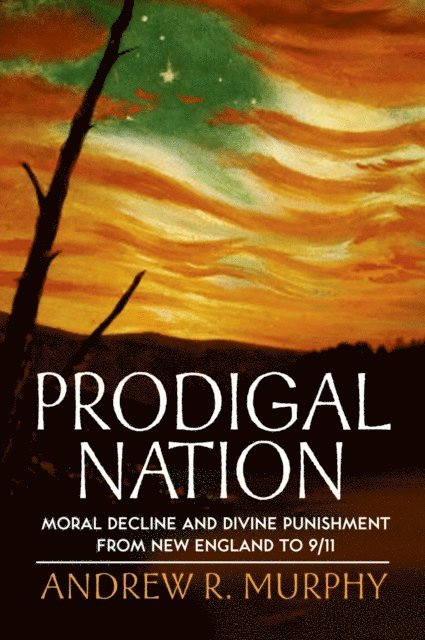
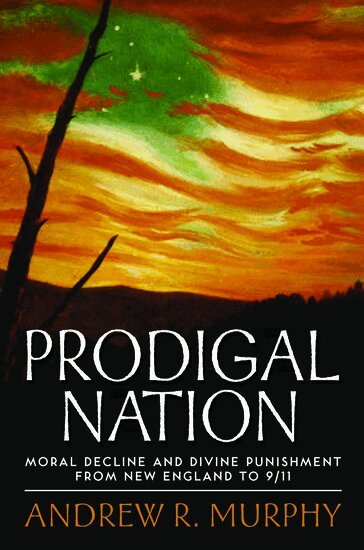
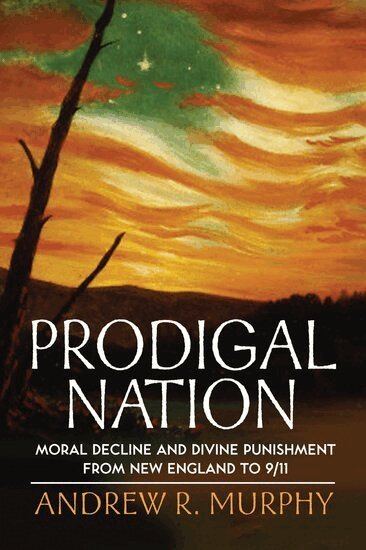
America's supposed moral decline from an imagined golden age, and the threat of divine punishment for the sin of straying from the path of righteousness, have been consistent themes in its political and religious rhetoric. But why is this myth so compelling to Americans? In Prodigal Nation, Andrew Murphy investigates the jeremiad's historical roots and probes the ways in which it continues to illuminate larger themes and tensions in American social and political life. He examines its role in colonial New England, shows how it was employed during the Civil War, and demonstrates its continued power in today's political climate. Far from being simply a force for conservatism-the yearning for a return to "a simpler time"-the jeremiad has often been employed in favor of progressive causes. Americans of all political stripes-not just Jerry Falwell and Pat Robertson, but Abraham Lincoln and Robert Kennedy-have used the language of moral decline for political purposes. Murphy shows how Americans' powerful attachment to an idealized past, and the hope of a return to John Winthrop's imagined "City on a Hill," continue to shape public life.
105 kr
Skickas inom 5-8 vardagar
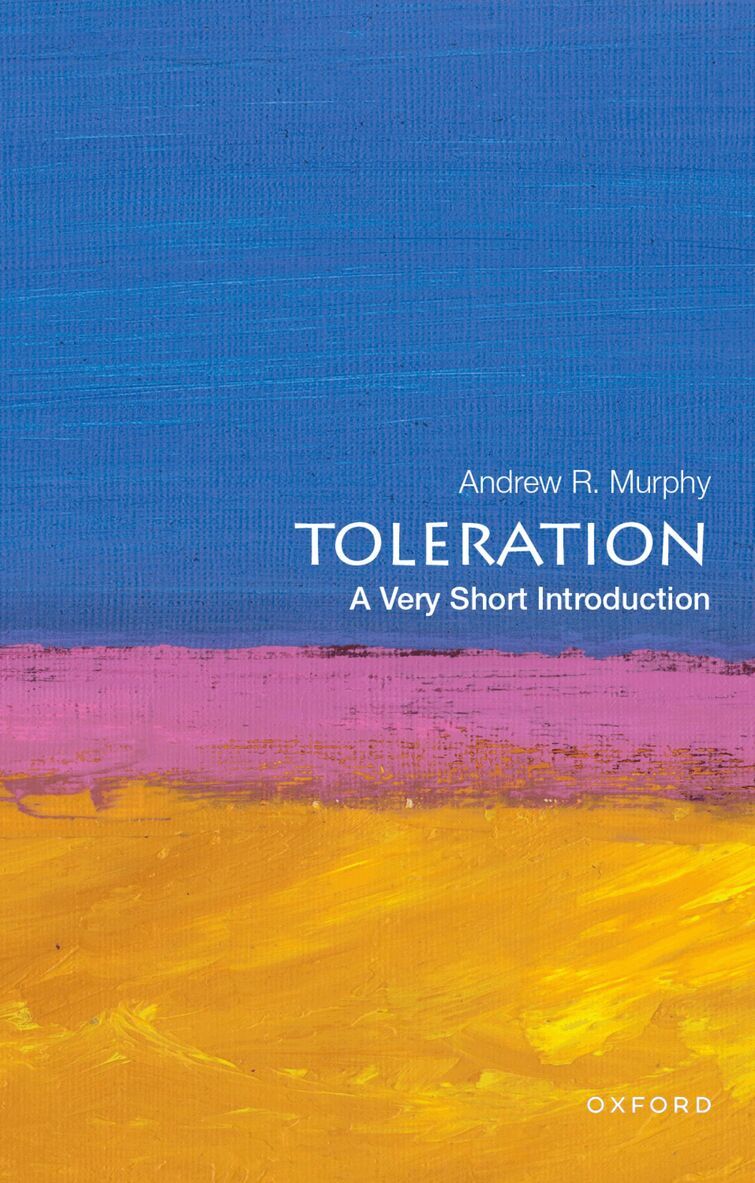
Toleration is one of the most foundational and contentious concepts in contemporary political discourse. Although its modern origins lie in the realm of religious dissent, toleration remains one of our most contentious and broad-ranging concepts, invoked in today's debates about race, gender, religion, sexuality, cultural identity, free speech, and civil liberties. Questions of toleration arise wherever unpopular groups face hostile environments and stand in need of protection from state interference or the actions of their neighbors.Toleration can seem counterintuitive at first glance, since it involves a complex mixture of rejection and acceptance, combining disapproval - of particular individuals, groups, beliefs, and practices - on the one hand with legal and political guarantees for such groups on the other. Toleration has long been considered a cardinal virtue of liberalism, endorsed by central figures such as Locke, Mill, and Rawls. Although toleration has been criticized as unduly minimal, compared with more expansive terms such as recognition or acceptance, it has routinely played a key role in the protracted struggles of marginalized groups of various sorts (a necessary, if not always sufficient, condition for liberty). Toleration: A Very Short Introduction will concisely canvass the history, development, and contemporary global status of toleration as both a concept and a contested political and legal practice.
294 kr
Skickas inom 5-8 vardagar
"Original and wide-ranging, Murphy's discerning and important study is another reminder that America is 'the nation with the soul of a church.'"-Journal of American History "A wide-ranging and thoughtful meditation on how the theo-political stories we Americans tell ourselves resonate with and sometimes even create the communities we inhabit. This book deserves an honored place among the oeuvre of work by political scientists and historians on the jeremiad."-- Politics and Religion"A significant contribution to the historical account of the role of religion in American politics."--Perspectives on Politics "Prodigal Nation is a careful account of how theologies function politically and deserves attention from political scientists, political theologians, American historians, and others interested in the interface of religion and culture."--Religious Studies Review "This highly original and wonderfully written analysis will be invaluable to anyone interested in the meaning of America." --Harry S. Stout, author of The New England Soul and Upon the Altar of the Nation"A brilliant analysis of the American jeremiad. Elegant, powerful, hopeful, and wise - Prodigal Nation is required reading for anyone who wishes to understand the fitful history of the American spirit." --James A. Morone, author of Hellfire Nation and The Democratic Wish
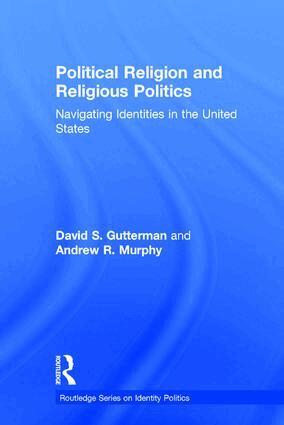
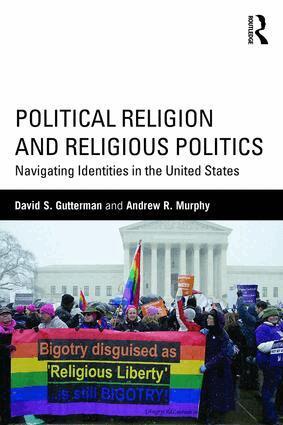
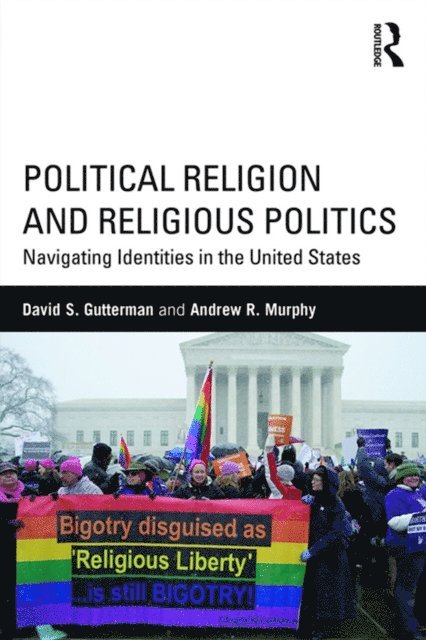
Political Religion and Religious Politics
Navigating Identities in the United States
Inbunden, Engelska, 2015
2 088 kr
Skickas inom 10-15 vardagar
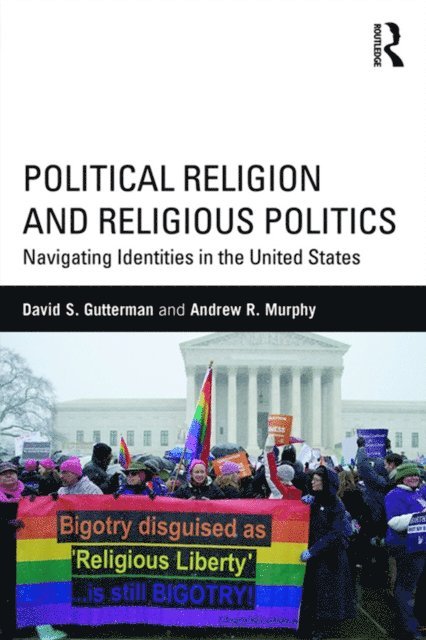
Profound demographic and cultural changes in American society over the last half century have unsettled conventional understandings of the relationship between religious and political identity. The "Protestant mainline" continues to shrink in numbers, as well as in cultural and political influence. The growing population of American Muslims seek both acceptance and a firmer footing within the nation’s cultural and political imagination. Debates over contraception, same-sex relationships, and "prosperity" preaching continue to roil the waters of American cultural politics. Perhaps most remarkably, the fastest-rising religious demographic in most public opinion surveys is "none," giving rise to a new demographic that Gutterman and Murphy name "Religious Independents." Even the evangelical movement, which powerfully re-entered American politics during the 1970s and 1980s and retains a strong foothold in the Republican Party, has undergone generational turnover and no longer represents a monolithic political bloc.Political Religion and Religious Politics:Navigating Identities in the United States explores the multifaceted implications of these developments by examining a series of contentious issues in contemporary American politics. Gutterman and Murphy take up the controversy over the "Ground Zero Mosque," the political and legal battles over the contraception mandate in the Affordable Health Care Act and the ensuing Supreme Court Hobby Lobby decision, the national response to the Great Recession and the rise in economic inequality, and battles over the public school curricula, seizing on these divisive challenges as opportunities to illuminate the changing role of religion in American public life.Placing the current moment into historical perspective, and reflecting on the possible future of religion, politics, and cultural conflict in the United States, Gutterman and Murphy explore the cultural and political dynamics of evolving notions of national and religious identity. They argue that questions of religion are questions of identity -- personal, social, and political identity -- and that they function in many of the same ways as race, sex, gender, and ethnicity in the construction of personal meaning, the fostering of solidarity with others, and the conflict they can occasion in the political arena.
Political Religion and Religious Politics
Navigating Identities in the United States
Häftad, Engelska, 2015
685 kr
Skickas inom 10-15 vardagar
Profound demographic and cultural changes in American society over the last half century have unsettled conventional understandings of the relationship between religious and political identity. The "Protestant mainline" continues to shrink in numbers, as well as in cultural and political influence. The growing population of American Muslims seek both acceptance and a firmer footing within the nation’s cultural and political imagination. Debates over contraception, same-sex relationships, and "prosperity" preaching continue to roil the waters of American cultural politics. Perhaps most remarkably, the fastest-rising religious demographic in most public opinion surveys is "none," giving rise to a new demographic that Gutterman and Murphy name "Religious Independents." Even the evangelical movement, which powerfully re-entered American politics during the 1970s and 1980s and retains a strong foothold in the Republican Party, has undergone generational turnover and no longer represents a monolithic political bloc.Political Religion and Religious Politics:Navigating Identities in the United States explores the multifaceted implications of these developments by examining a series of contentious issues in contemporary American politics. Gutterman and Murphy take up the controversy over the "Ground Zero Mosque," the political and legal battles over the contraception mandate in the Affordable Health Care Act and the ensuing Supreme Court Hobby Lobby decision, the national response to the Great Recession and the rise in economic inequality, and battles over the public school curricula, seizing on these divisive challenges as opportunities to illuminate the changing role of religion in American public life.Placing the current moment into historical perspective, and reflecting on the possible future of religion, politics, and cultural conflict in the United States, Gutterman and Murphy explore the cultural and political dynamics of evolving notions of national and religious identity. They argue that questions of religion are questions of identity -- personal, social, and political identity -- and that they function in many of the same ways as race, sex, gender, and ethnicity in the construction of personal meaning, the fostering of solidarity with others, and the conflict they can occasion in the political arena.
1 564 kr
Skickas inom 5-8 vardagar
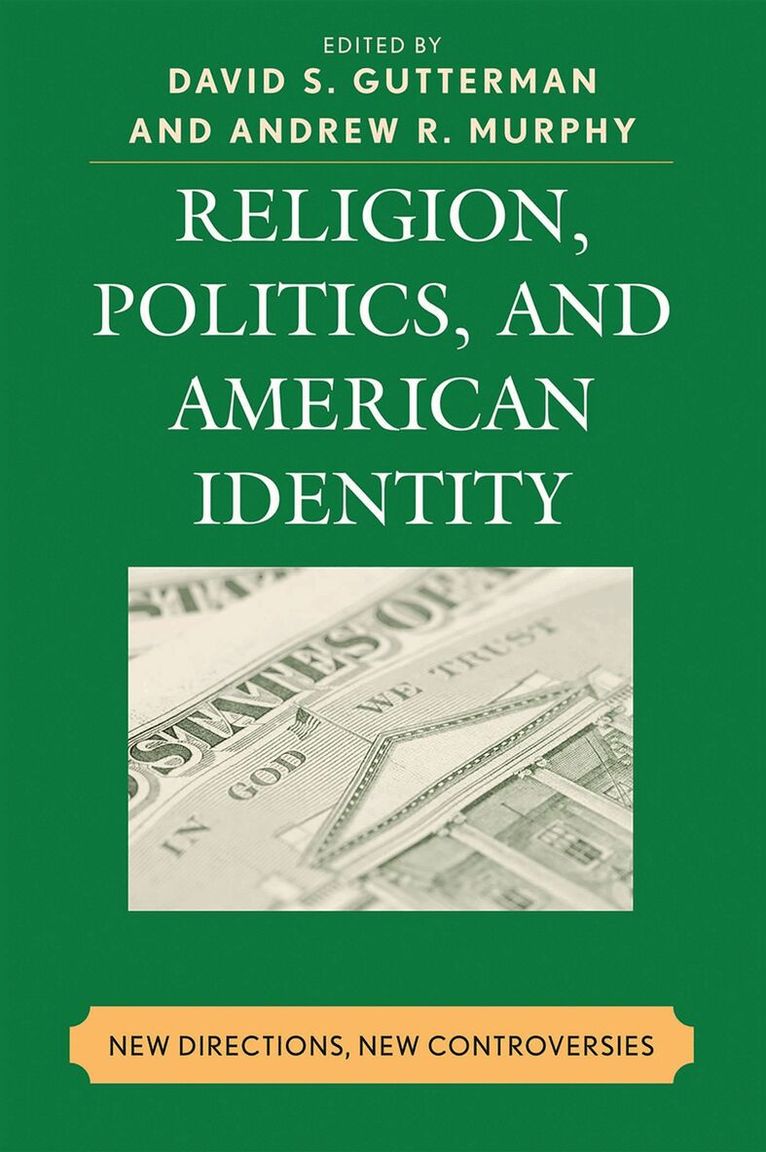
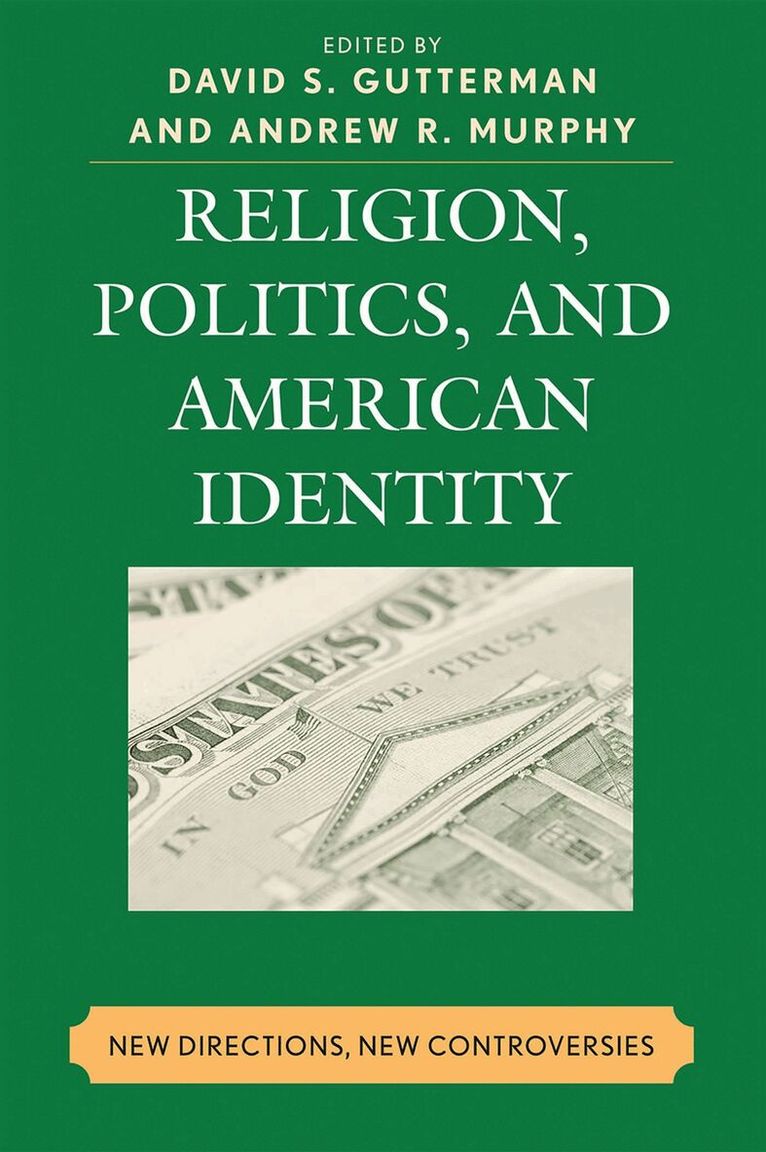
Scholarship on the role of religion in American public life has taken on a new urgency in the increasingly contentious wake of the attacks of September 11, 2001. This volume brings together an impressive group of scholars to build on past work and broaden the scope of this crucial inquiry in two respects: by exploring aspects of the religion-politics nexus in the United States that have been neglected in the past, and by examining traditional questions concerning the religious tincture of American political discourse in provocative new ways. Essays include examinations of religious rhetoric in American political and cultural discourse after September 11th, the impact of religious ideas on environmental ethics, religion and American law beyond the First Amendment, religious responses to questions of gay and lesbian rights, the Church of Jesus Christ of Latter-Day Saints and issues of free speech and public space in Utah, and the role of religious institutions and ideas on the political priorities of African-American and Latino communities. In addition, Religion, Politics, and American Identity includes introductory and concluding essays by leading scholars in the field of religion and politics that assess present and future directions for study.
675 kr
Skickas inom 10-15 vardagar
Scholarship on the role of religion in American public life has taken on a new urgency in the increasingly contentious wake of the attacks of September 11, 2001. This volume brings together an impressive group of scholars to build on past work and broaden the scope of this crucial inquiry in two respects: by exploring aspects of the religion-politics nexus in the United States that have been neglected in the past, and by examining traditional questions concerning the religious tincture of American political discourse in provocative new ways. Essays include examinations of religious rhetoric in American political and cultural discourse after September 11th, the impact of religious ideas on environmental ethics, religion and American law beyond the First Amendment, religious responses to questions of gay and lesbian rights, the Church of Jesus Christ of Latter-Day Saints and issues of free speech and public space in Utah, and the role of religious institutions and ideas on the political priorities of African-American and Latino communities. In addition, Religion, Politics, and American Identity includes introductory and concluding essays by leading scholars in the field of religion and politics that assess present and future directions for study.
1 200 kr
Skickas inom 7-10 vardagar
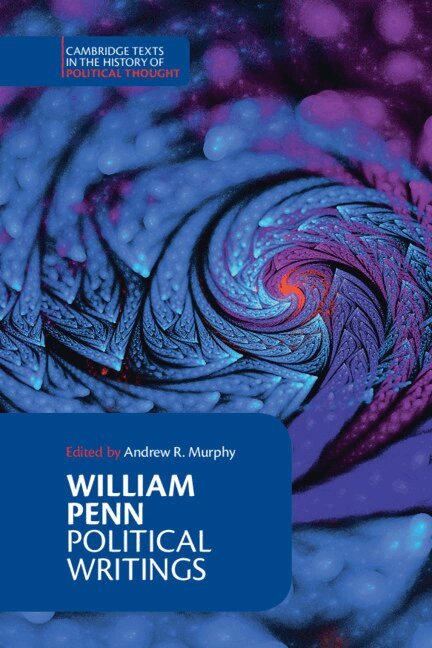
William Penn (1644-1718) - Quaker activist, theorist of liberty of conscience, and colonial founder and proprietor - played a central role in the movement for religious liberty on both sides of the Atlantic for more than four decades. This volume presents, for the first time, a fully annotated scholarly edition of Penn's political writings over the course of his long public career, tracing his thinking from his early theorisation of religious toleration and liberty of conscience in England, as a leading member of the Society of Friends during the 1670s, to his colonial undertaking in Pennsylvania a decade later, his controversial role in the years leading up to the 1688 Revolution, and the ongoing consequences of that Revolution to his future prospects. Penn's political writings provide an illuminating window into the increasingly sophisticated and influential movement for liberty of conscience in the early modern world.
370 kr
Skickas inom 7-10 vardagar
William Penn (1644-1718) - Quaker activist, theorist of liberty of conscience, and colonial founder and proprietor - played a central role in the movement for religious liberty on both sides of the Atlantic for more than four decades. This volume presents, for the first time, a fully annotated scholarly edition of Penn's political writings over the course of his long public career, tracing his thinking from his early theorisation of religious toleration and liberty of conscience in England, as a leading member of the Society of Friends during the 1670s, to his colonial undertaking in Pennsylvania a decade later, his controversial role in the years leading up to the 1688 Revolution, and the ongoing consequences of that Revolution to his future prospects. Penn's political writings provide an illuminating window into the increasingly sophisticated and influential movement for liberty of conscience in the early modern world.
1 972 kr
Kommande
Del 24 - Concise Companions to Literature and Culture
Concise Companion to Shakespeare and the Text
Inbunden, Engelska, 2007
1 170 kr
Tillfälligt slut
A Concise Companion to Shakespeare and the Text introduces the early editions, editing practices, and publishing history of Shakespeare’s plays and poems, and examines their influence on bibliographic studies as a whole. The first single-volume book to provide an accessible and authoritative introduction to Shakespearean bibliographic studiesIncludes a helpful introduction, notes on Shakespeare’s texts, and a useful bibliographyContributors represent both leading and emerging scholars in the fieldRepresents an unparalleled resource for both students and faculty
Del 42 - Wiley Blackwell Companions to Religion
Blackwell Companion to Religion and Violence
Inbunden, Engelska, 2011
2 088 kr
Skickas inom 5-8 vardagar
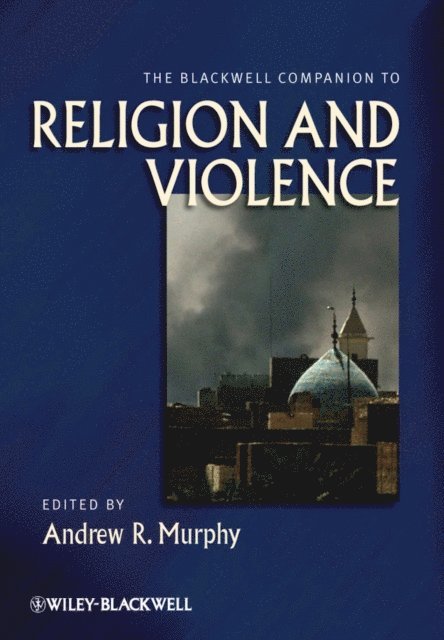
The Blackwell Companion to Religion and Violence offers a state-of-the-art overview of this diverse and crucially important subject. This timely volume brings together an international, interdisciplinary group of scholars who probe the complex relationship between religion and violence, now and in the past. Media accounts often announce the inherent connections between ‘fanatical’ believers and terroristic violence; but scholars have long recognized that such links are only one small part of a larger and more complex set of interactions. They argue that religious beliefs and practices are just as likely to provide resources for comfort and coping as to encourage violence and carnage. The volume is divided into several major sections: Traditions and Movements, Disciplinary Perspectives, Concepts and Themes, and Case Studies, which explore specific incidences of both religious violence and instances where religion has contributed to the resistance of violence. A concluding section offers insights into the future direction of scholarship in the area. It also includes discussions of the ongoing importance of religion to terrorism, and religious competition and conflict in Africa. Each section offers high-quality, cutting-edge scholarship, as leading authorities seek to make sense of the problematic correlation between these two forces.
567 kr
Skickas inom 7-10 vardagar
A Concise Companion to Shakespeare and the Text introduces the early editions, editing practices, and publishing history of Shakespeare’s plays and poems, and examines their influence on bibliographic studies as a whole. The first single-volume book to provide an accessible and authoritative introduction to Shakespearean bibliographic studiesIncludes a helpful introduction, notes on Shakespeare’s texts, and a useful bibliographyContributors represent both leading and emerging scholars in the fieldRepresents an unparalleled resource for both students and faculty
508 kr
Skickas inom 7-10 vardagar
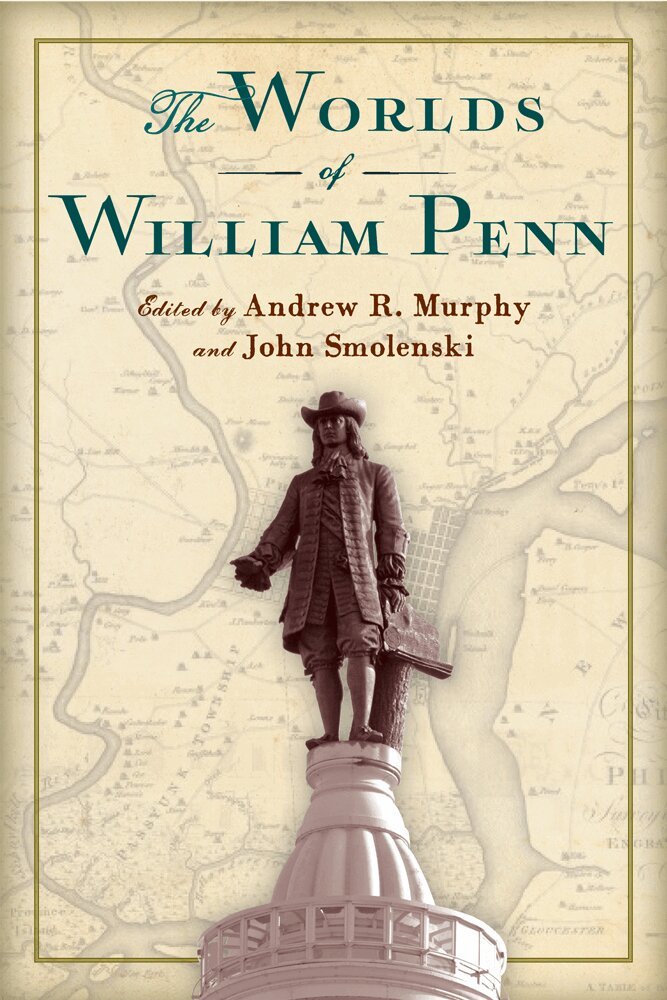
William Penn was an instrumental and controversial figure in the early modern transatlantic world, known both as a leader in the movement for religious toleration in England and as a founder of two American colonies, Pennsylvania and New Jersey. As such, his career was marked by controversy and contention in both England and America. This volume looks at William Penn with fresh eyes, bringing together scholars from a range of disciplines to assess his multifaceted life and career. Contributors analyze the worlds that shaped Penn and the worlds that he shaped: Irish, English, American, Quaker, and imperial. The eighteen chapters in The Worlds of William Penn shed critical new light on Penn’s life and legacy, examining his early and often-overlooked time in Ireland; the literary, political, and theological legacies of his public career during the Restoration and after the 1688 Revolution; his role as proprietor of Pennsylvania; his religious leadership in the Quaker movement, and as a loyal lieutenant to George Fox, and his important role in the broader British imperial project. Coinciding with the 300th anniversary of Penn’s death the time is right for this examination of Penn’s importance both in his own time and to the ongoing campaign for political and religious liberty
1 617 kr
Skickas inom 7-10 vardagar
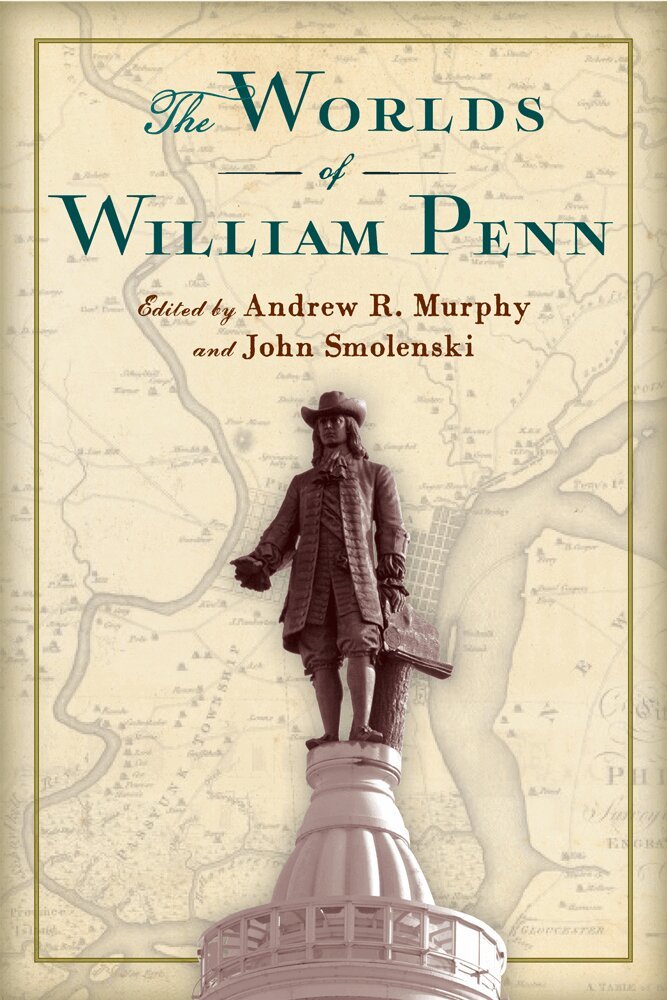
William Penn was an instrumental and controversial figure in the early modern transatlantic world, known both as a leader in the movement for religious toleration in England and as a founder of two American colonies, Pennsylvania and New Jersey. As such, his career was marked by controversy and contention in both England and America. This volume looks at William Penn with fresh eyes, bringing together scholars from a range of disciplines to assess his multifaceted life and career. Contributors analyze the worlds that shaped Penn and the worlds that he shaped: Irish, English, American, Quaker, and imperial. The eighteen chapters in The Worlds of William Penn shed critical new light on Penn’s life and legacy, examining his early and often-overlooked time in Ireland; the literary, political, and theological legacies of his public career during the Restoration and after the 1688 Revolution; his role as proprietor of Pennsylvania; his religious leadership in the Quaker movement, and as a loyal lieutenant to George Fox, and his important role in the broader British imperial project. Coinciding with the 300th anniversary of Penn’s death the time is right for this examination of Penn’s importance both in his own time and to the ongoing campaign for political and religious liberty