

Häftad, Engelska, 2019
268 kr
Skickas inom 5-8 vardagar
268 kr
Skickas inom 5-8 vardagar

237 kr
Skickas inom 5-8 vardagar

270 kr
Skickas inom 5-8 vardagar

55 kr
Läs direkt efter köp

182 kr
Skickas inom 5-8 vardagar
1 484 kr
Skickas inom 5-8 vardagar
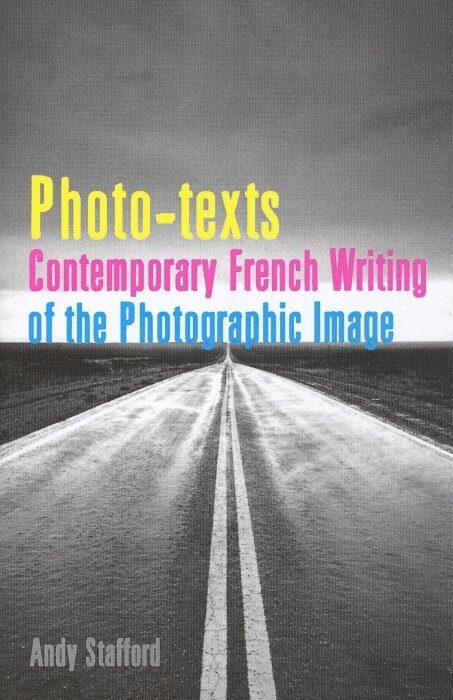
Contemporary French Writing of the Photographic Image
2 053 kr
Skickas inom 5-8 vardagar

151 kr
Skickas inom 5-8 vardagar
Movement, Instability, Performance
1 021 kr
Skickas inom 5-8 vardagar
The Twentieth-Century Periodical in French
1 722 kr
Skickas inom 3-6 vardagar

155 kr
Skickas inom 5-8 vardagar
527 kr
Tillfälligt slut
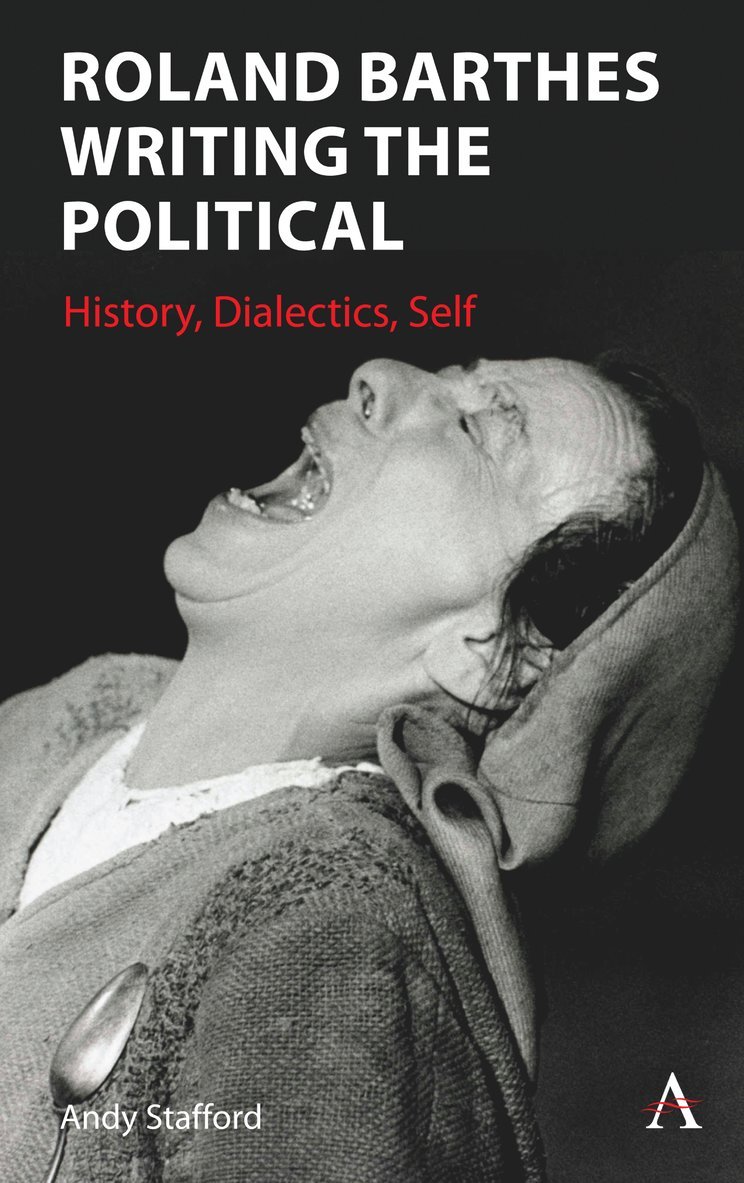
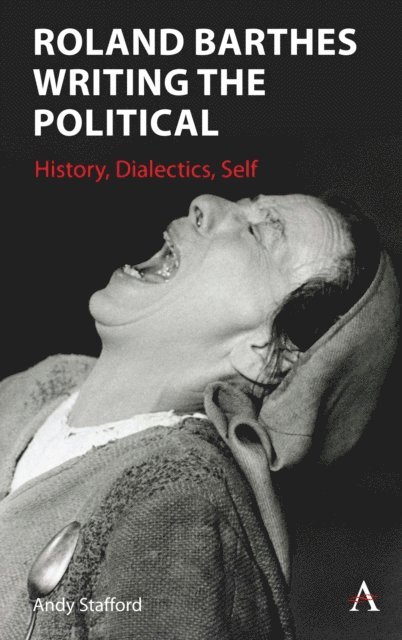
With typical rhetorical flourish and beholden to paradox, Roland Barthes defines his work on ‘myth’ as an attempt to ‘define things’; and yet he is known foremost for his work on language. The aim of this book is to take ‘things’ here as social relations, objects and other human beings with which the self interacts. It does so via language. And language in Barthes’s conception is double: alienating, alienated on the one side; liberating, inspiring on the other. It is this double that we investigate in this book: A spectre is haunting Barthes studies, the spectre of dialectics; and the spectral presence of dialectics is what we will define in this book as the Barthesian ‘spirit’, in both senses of the word, that is, haunting his analyses and, at once, providing us with a double approach. ‘I have tried to define things, not words’ (Barthes 2009, 131n1).
527 kr
Tillfälligt slut
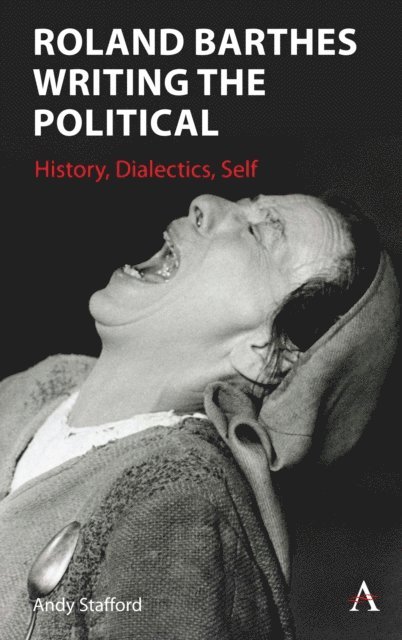
With typical rhetorical flourish and beholden to paradox, Roland Barthes defines his work on ‘myth’ as an attempt to ‘define things’; and yet he is known foremost for his work on language. The aim of this book is to take ‘things’ here as social relations, objects and other human beings with which the self interacts. It does so via language. And language in Barthes’s conception is double: alienating, alienated on the one side; liberating, inspiring on the other. It is this double that we investigate in this book: A spectre is haunting Barthes studies, the spectre of dialectics; and the spectral presence of dialectics is what we will define in this book as the Barthesian ‘spirit’, in both senses of the word, that is, haunting his analyses and, at once, providing us with a double approach. ‘I have tried to define things, not words’ (Barthes 2009, 131n1).
268 kr
Skickas inom 5-8 vardagar
237 kr
Skickas inom 5-8 vardagar
270 kr
Skickas inom 5-8 vardagar
55 kr
Läs direkt efter köp
182 kr
Skickas inom 5-8 vardagar
1 484 kr
Skickas inom 5-8 vardagar
Contemporary French Writing of the Photographic Image
2 053 kr
Skickas inom 5-8 vardagar
151 kr
Skickas inom 5-8 vardagar
Movement, Instability, Performance
1 021 kr
Skickas inom 5-8 vardagar
The Twentieth-Century Periodical in French
1 722 kr
Skickas inom 3-6 vardagar
155 kr
Skickas inom 5-8 vardagar
527 kr
Tillfälligt slut
With typical rhetorical flourish and beholden to paradox, Roland Barthes defines his work on ‘myth’ as an attempt to ‘define things’; and yet he is known foremost for his work on language. The aim of this book is to take ‘things’ here as social relations, objects and other human beings with which the self interacts. It does so via language. And language in Barthes’s conception is double: alienating, alienated on the one side; liberating, inspiring on the other. It is this double that we investigate in this book: A spectre is haunting Barthes studies, the spectre of dialectics; and the spectral presence of dialectics is what we will define in this book as the Barthesian ‘spirit’, in both senses of the word, that is, haunting his analyses and, at once, providing us with a double approach. ‘I have tried to define things, not words’ (Barthes 2009, 131n1).
527 kr
Tillfälligt slut
With typical rhetorical flourish and beholden to paradox, Roland Barthes defines his work on ‘myth’ as an attempt to ‘define things’; and yet he is known foremost for his work on language. The aim of this book is to take ‘things’ here as social relations, objects and other human beings with which the self interacts. It does so via language. And language in Barthes’s conception is double: alienating, alienated on the one side; liberating, inspiring on the other. It is this double that we investigate in this book: A spectre is haunting Barthes studies, the spectre of dialectics; and the spectral presence of dialectics is what we will define in this book as the Barthesian ‘spirit’, in both senses of the word, that is, haunting his analyses and, at once, providing us with a double approach. ‘I have tried to define things, not words’ (Barthes 2009, 131n1).