Andrew Wareham – författare
Visar alla böcker från författaren Andrew Wareham. Handla med fri frakt och snabb leverans.
6 produkter
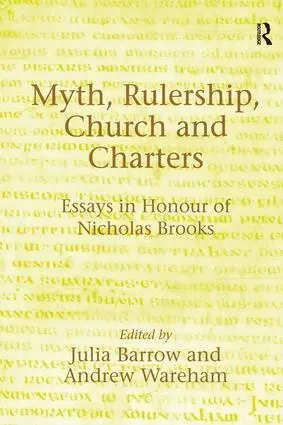
Myth, Rulership, Church and Charters
Essays in Honour of Nicholas Brooks
Av Andrew Wareham, Julia Barrow
Inbunden, 2008
2590 kr
Lägg i varukorg
For more than forty years Nicholas Brooks has been at the forefront of research into early medieval Britain. In order to honour the achievements of one of the leading figures in Anglo-Saxon studies, this volume brings together essays by an internationally renowned group of scholars on four themes …
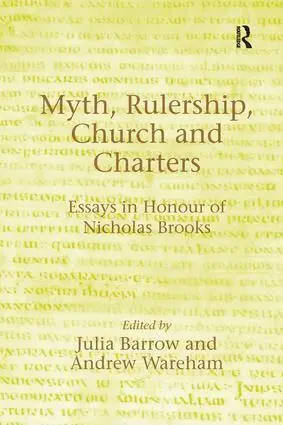
Myth, Rulership, Church and Charters
Essays in Honour of Nicholas Brooks
Av Andrew Wareham, Julia Barrow
Häftad, 2016
893 kr
Lägg i varukorg
For more than forty years Nicholas Brooks has been at the forefront of research into early medieval Britain. In order to honour the achievements of one of the leading figures in Anglo-Saxon studies, this volume brings together essays by an internationally renowned group of scholars on four themes …
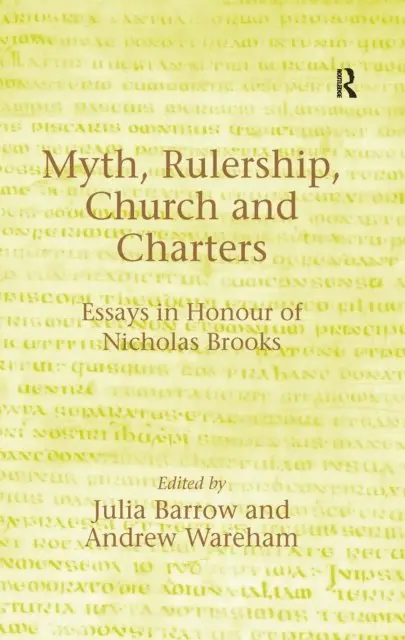
Myth, Rulership, Church and Charters
Essays in Honour of Nicholas Brooks
Av Andrew Wareham, Julia Barrow
E-bok, 2017
992 kr
Lägg i varukorg
For more than forty years Nicholas Brooks has been at the forefront of research into early medieval Britain. In order to honour the achievements of one of the leading figures in Anglo-Saxon studies, this volume brings together essays by an internationally renowned group of scholars on four themes …
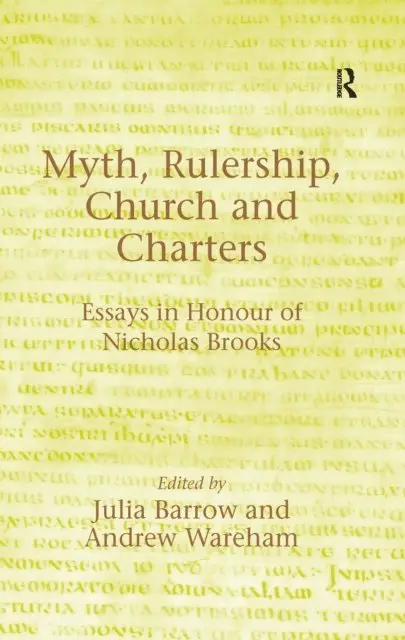
Myth, Rulership, Church and Charters
Essays in Honour of Nicholas Brooks
Av Andrew Wareham, Julia Barrow
E-bok, 2017
1022 kr
Lägg i varukorg
For more than forty years Nicholas Brooks has been at the forefront of research into early medieval Britain. In order to honour the achievements of one of the leading figures in Anglo-Saxon studies, this volume brings together essays by an internationally renowned group of scholars on four themes …
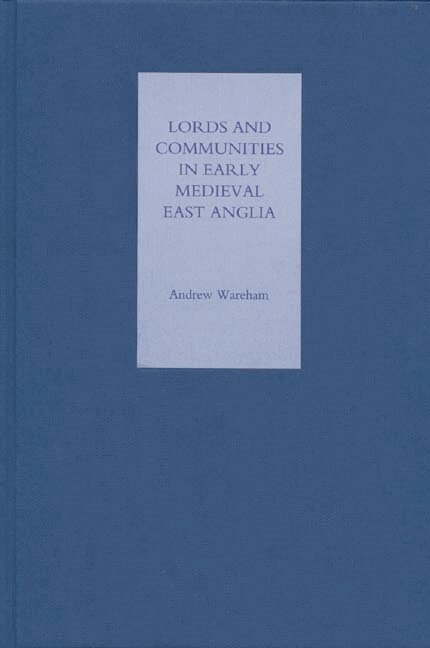
Lords and Communities in Early Medieval East Anglia
Inbunden, 2005
1285 kr
Lägg i varukorg
Investigation of the growing regional power of the English aristocracy in the central middle ages.The period between the late tenth and late twelfth centuries saw many changes in the structure and composition of the European and English aristocracy. One of the most important is the growth in local …
A History of the County of Cambridge and the Isle of Ely
X. Cheveley, Flendish, Staine and Staploe Hundreds
Inbunden, 2002
1273 kr
Tillfälligt slut
400 articles on the history of East Cambridgeshire, the four hundreds of Cheveley, Flendish, Staine and Staploe.The contributions of ordinary men and women, as well as gentry, clergy, farming dynasties, merchants and manufacturers, to the history of the towns, village, hamlets and streets of East …