Andrew Wender Cohen - Böcker
Visar alla böcker från författaren Andrew Wender Cohen. Handla med fri frakt och snabb leverans.
4 produkter
4 produkter
257 kr
Skickas inom 7-10 vardagar
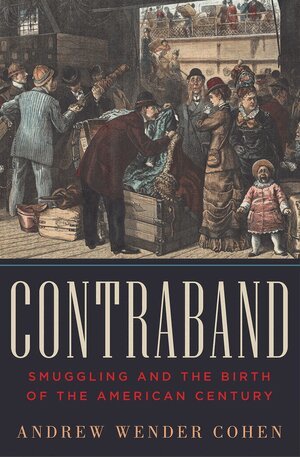
In the frigid winter of 1875, federal agents tracked Charles L. Lawrence, an intimate of Boss Tweed and the most promiscuous smuggler in American history. Leading a network spanning four continents and lasting half a decade, “Charley” smuggled silk worth $60 million into the United States.Since the American Revolution, smuggling had tested the patriotism of the American people. Distrusting foreign goods, Congress instituted high tariffs making the custom house the nation’s protector. It waged a “war on smuggling”, inspecting every traveller for illicitly imported silk, opium, tobacco, sugar, diamonds and art. The Civil War’s blockade of the Confederacy heightened the obsession with contraband but smuggling entered its prime during the Gilded Age and only as the United States became a global power did smuggling lose its scurvy romance.
The Racketeer's Progress
Chicago and the Struggle for the Modern American Economy, 1900-1940
Häftad, Engelska, 2009
428 kr
Skickas inom 7-10 vardagar
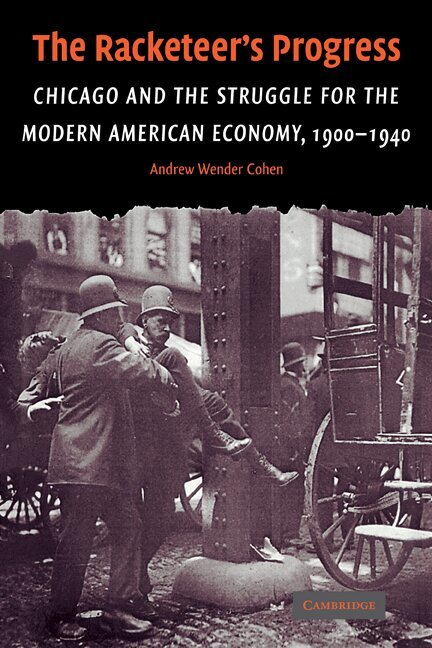
The Racketeer's Progress explores the contested and contingent origins of the modern American economy by examining the violent resistance to its development. It explains how carpenters, teamsters, barbers, musicians and others organised to thwart ambitious national corporations. Unions and associations governed commerce through pickets, assaults and bombings. Scholars often ignore this defiance, painting modernisation as a consensual process and presenting craftsmen as reactionary, corrupt and criminal. This is ironic, for the tradesmen's reputation derives from their successful struggle to control modernisation and the emerging consumer economy. Their resistance redirected American law. Progressive-era courts rebuked the craftsmen for attempting to govern trade. In the 1920s, the tradesmen inspired new criminal concepts, such as 'racketeering'. But the Great Depression reversed harsh laws. The craftsmen became a model for New Deal recovery statutes and a focus for constitutional debates. Meanwhile, the state began protecting unions against gangsters like Al Capone.
The Racketeer's Progress
Chicago and the Struggle for the Modern American Economy, 1900-1940
Inbunden, Engelska, 2004
1 431 kr
Skickas inom 7-10 vardagar
The Racketeer's Progress explores the contested and contingent origins of the modern American economy by examining the violent resistance to its development. It explains how carpenters, teamsters, barbers, musicians and others organised to thwart ambitious national corporations. Unions and associations governed commerce through pickets, assaults and bombings. Scholars often ignore this defiance, painting modernisation as a consensual process and presenting craftsmen as reactionary, corrupt and criminal. This is ironic, for the tradesmen's reputation derives from their successful struggle to control modernisation and the emerging consumer economy. Their resistance redirected American law. Progressive-era courts rebuked the craftsmen for attempting to govern trade. In the 1920s, the tradesmen inspired new criminal concepts, such as 'racketeering'. But the Great Depression reversed harsh laws. The craftsmen became a model for New Deal recovery statutes and a focus for constitutional debates. Meanwhile, the state began protecting unions against gangsters like Al Capone.
318 kr
Kommande
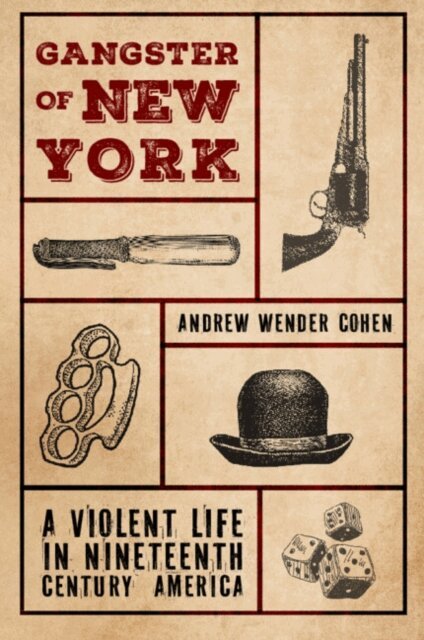
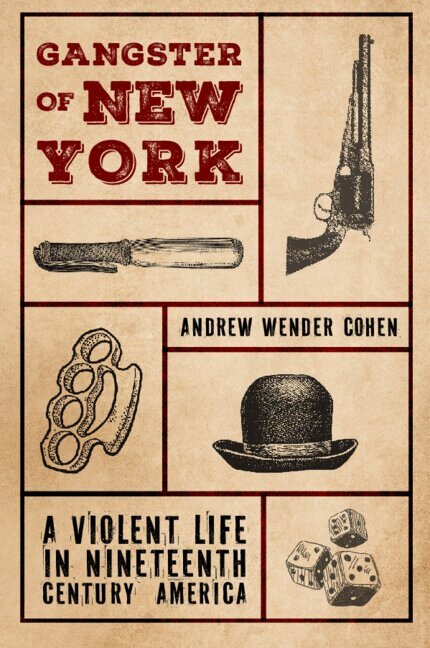
This is the story of Louis Bieral, a nineteenth-century gangster, politician, sportsman, and Civil War hero. Kidnapped from his birthplace in revolutionary South America, he doused fires in Jacksonian New York, battled Sumatran pirates with the US Navy, and panned for California gold. As a crime boss, he raced horses, boxed champions, and ran brothels. Yet Bieral's adventurous life was also steeped in the brutality of his time. He befriended rowdies like 'Butcher' Bill Poole, returned fugitives like Anthony Burns to slavery, and assaulted abolitionists such as Richard Henry Dana. As a Union officer, Bieral won fame in battle. He was a Gilded-age bodyguard for 'Boss' Tweed, William Seward, and Jim Fisk, becoming a suspect in that tycoon's murder. From the docks of Valparaíso to the dining room of Delmonico's to the cells of Auburn Prison, Bieral's remarkable journey illustrates the violence that bound nineteenth-century America together.