Andy M. Jones – författare
Visar alla böcker från författaren Andy M. Jones. Handla med fri frakt och snabb leverans.
13 produkter
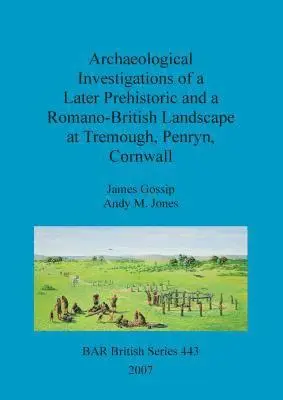
Archaeological investigations of a later prehistoric and a Romano-British landscape at Tremough, Penryn, Cornwall
Av James Gossip, Andy M. Jones
Häftad, 2007
386 kr
Lägg i varukorg
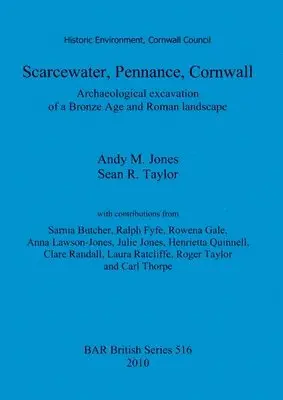
Scarcewater, Pennance, Cornwall: Archaeological excavation of a Bronze Age and Roman landscape
Archaeological excavation of a Bronze Age and Roman landscape
Av Andy M. Jones, Sean R. Taylor
Häftad, 2010
399 kr
Lägg i varukorg
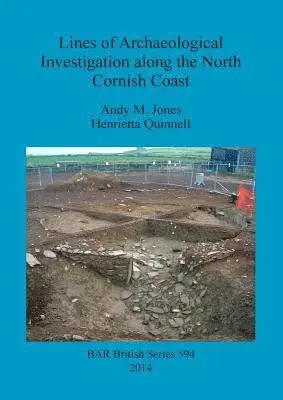
Lines of Archaeological Investigation along the North Cornish Coast
Av Andy M. Jones, Henrietta Quinnell
Häftad, 2014
399 kr
Lägg i varukorg
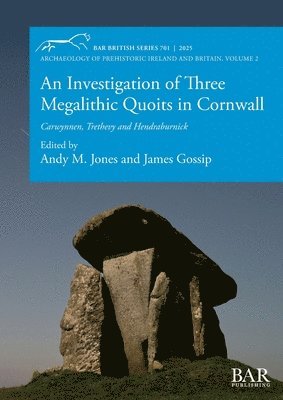
Investigation of Three Megalithic Quoits in Cornwall
Carwynnen, Trethevy and Hendraburnick
Häftad, 2025
705 kr
Lägg i varukorg
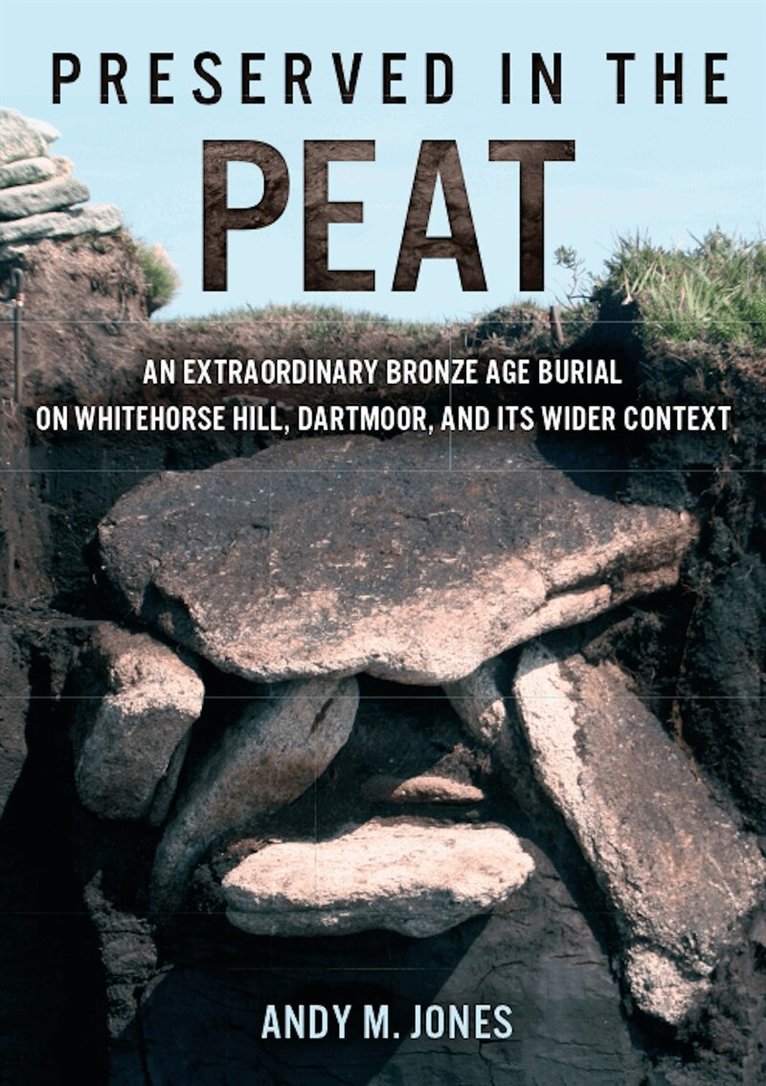
Preserved in the Peat
an extraordinary Bronze Age burial on Whitehose Hill, Dartmoor, and its wider context
E-bok, 2021
126 kr
Lägg i varukorg
Excavation of a Scheduled burial mound on Whitehorse Hill, Dartmoor revealed an unexpected, intact burial deposit of Early Bronze Age date associated with an unparalleled range of artefacts. The cremated remains of a young person had been placed within a bearskin pelt and provided with a basketry …
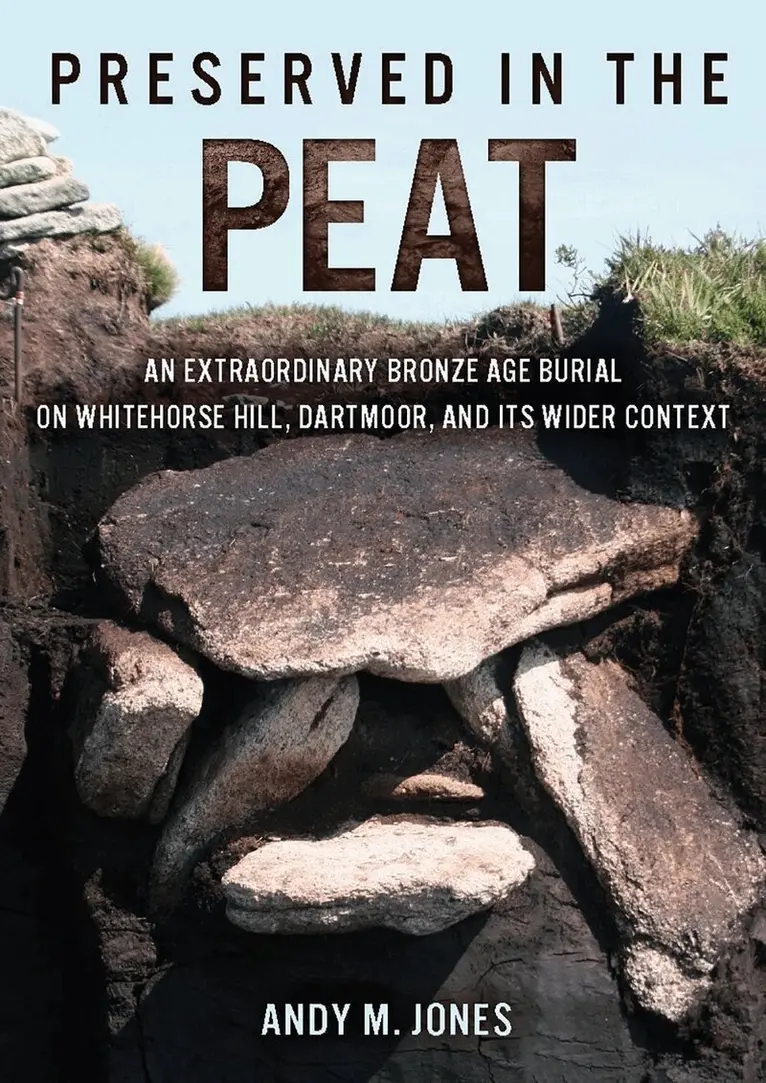
Preserved in the Peat
An Extraordinary Bronze Age Burial on Whitehorse Hill, Dartmoor, and its Wider Context
Av Andy M Jones, Andy M. Jones m. fl.
Häftad, 2022
506 kr
Lägg i varukorg
Excavation of a Scheduled burial mound on Whitehorse Hill, Dartmoor revealed an unexpected, intact burial deposit of Early Bronze Age date associated with an unparalleled range of artefacts. The cremated remains of a young person had been placed within a bearskin pelt and provided with a basketry …
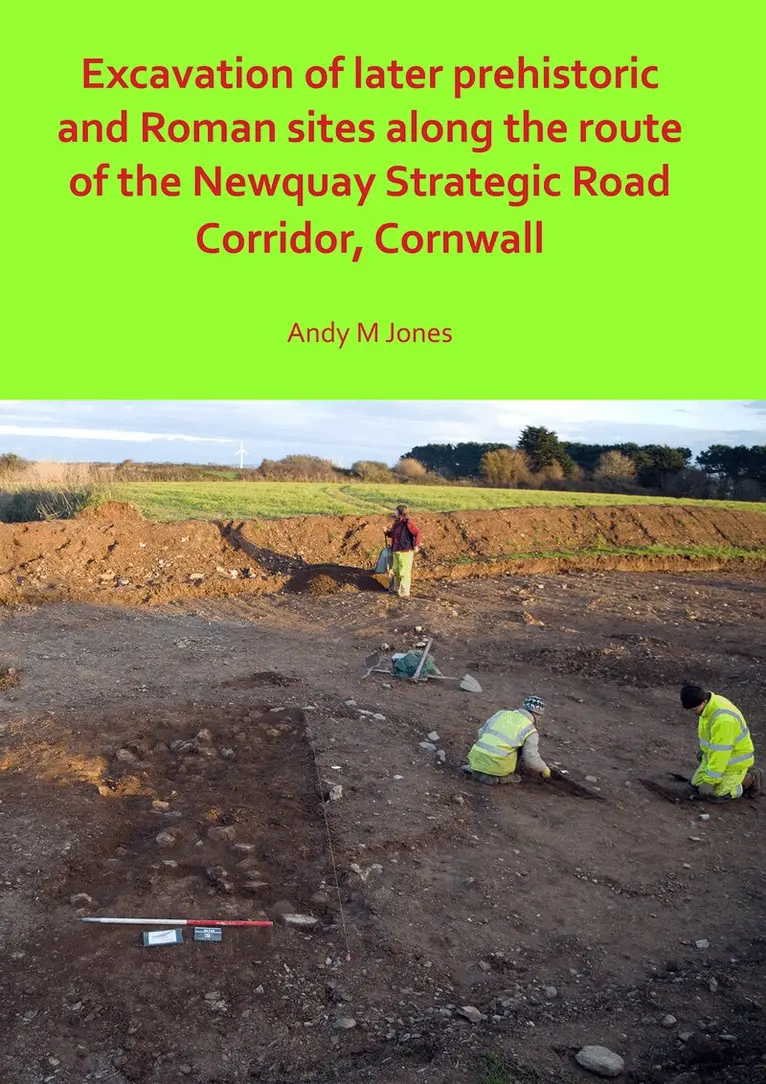
Excavation of Later Prehistoric and Roman Sites along the Route of the Newquay Strategic Road Corridor, Cornwall
Häftad, 2019
479 kr
Lägg i varukorg
During November and December 2014, Cornwall Archaeological Unit undertook a programme of archaeological excavation in advance of construction of a road corridor to the south of Newquay. Evidence for Middle Bronze Age occupation took the form of a hollow-set roundhouse; however, the majority of the …
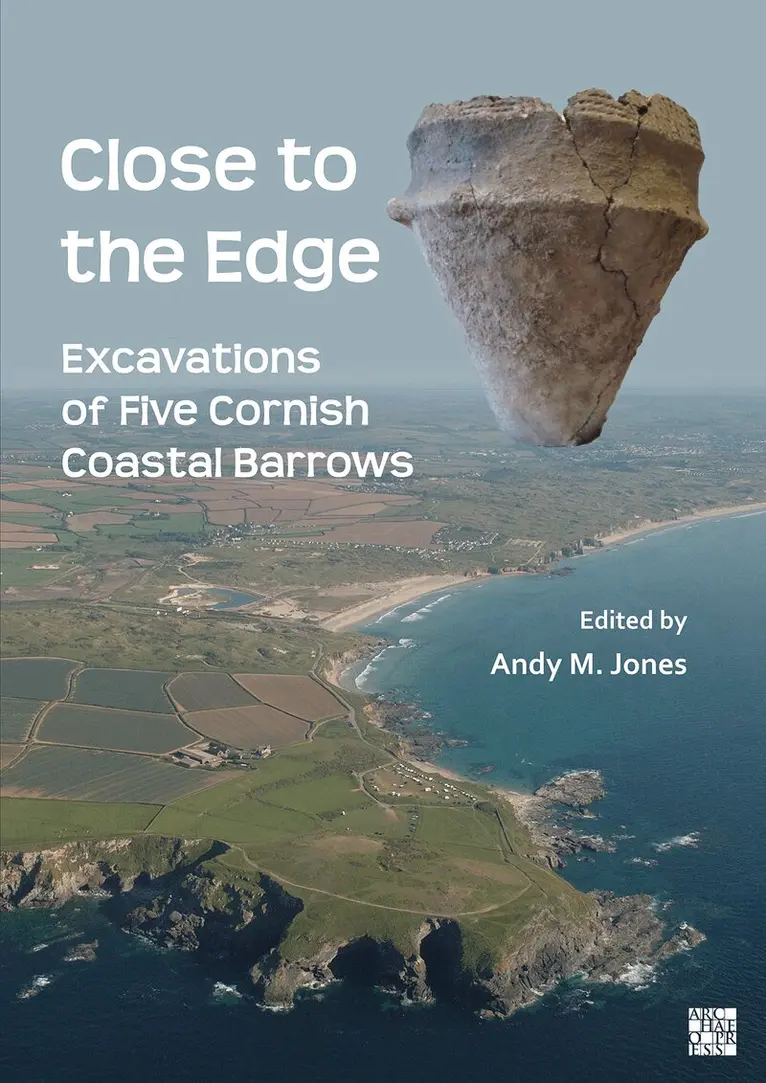
Close to the Edge: Excavations of Five Cornish Coastal Barrows
Häftad, 2024
617 kr
Lägg i varukorg
Close to the Edge reports upon the recent excavation of five Early Bronze Age barrows undertaken by Cornwall Archaeological Unit. Three of the five sites are located close to the coast and two are located in an elevated inland ridge with sea views. All are complex monuments which reveal episodes of …
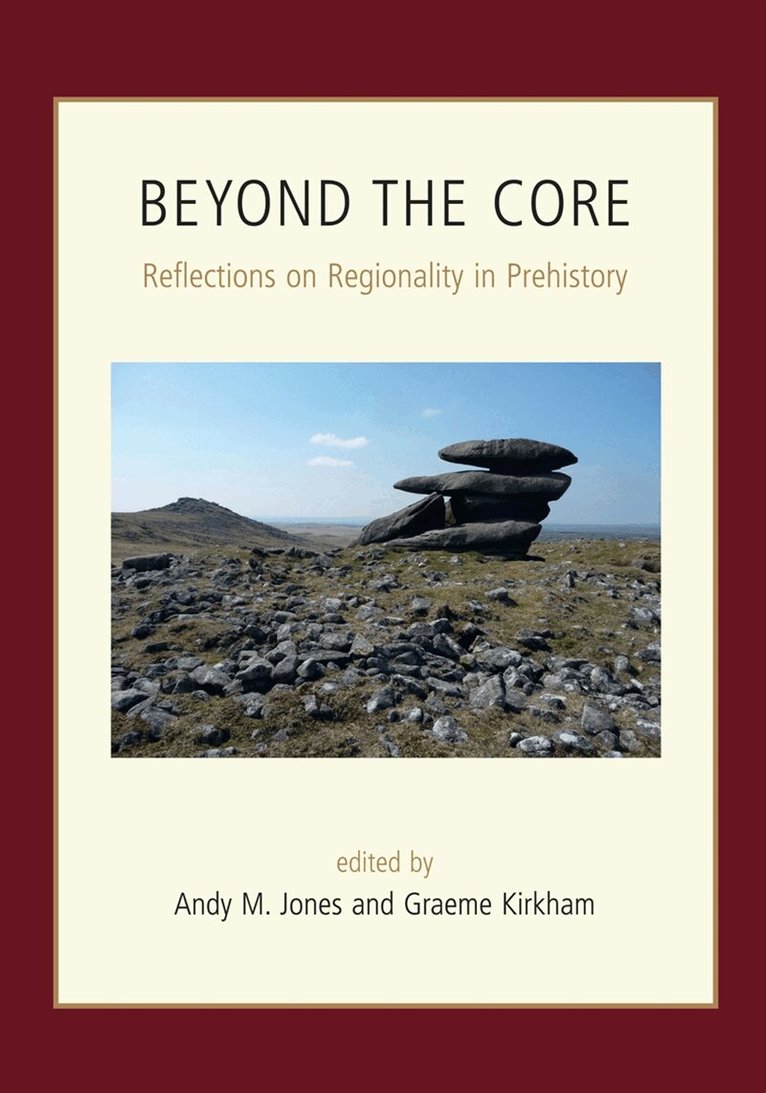
Beyond the Core
Reflections on Regionality in Prehistory
Av Andy M. Jones, Graeme Kirkham
E-bok, 2021
126 kr
Lägg i varukorg
This volume explores the idea of regionally-based archaeologies across the British Isles which are not necessarily defined by modern political boundaries or through comparisons with regions such as Wessex and Orkney. In the past these intensively studied areas have often been assumed to represent …
Beyond the Core
Reflections on Regionality in Prehistory
Av Andy M. Jones, Graeme Kirkham
E-bok, 2011
331 kr
Lägg i varukorg
This volume explores the idea of regionally-based archaeologies across the British Isles which are not necessarily defined by modern political boundaries or through comparisons with regions such as Wessex and Orkney. In the past these intensively studied areas have often been assumed to represent …
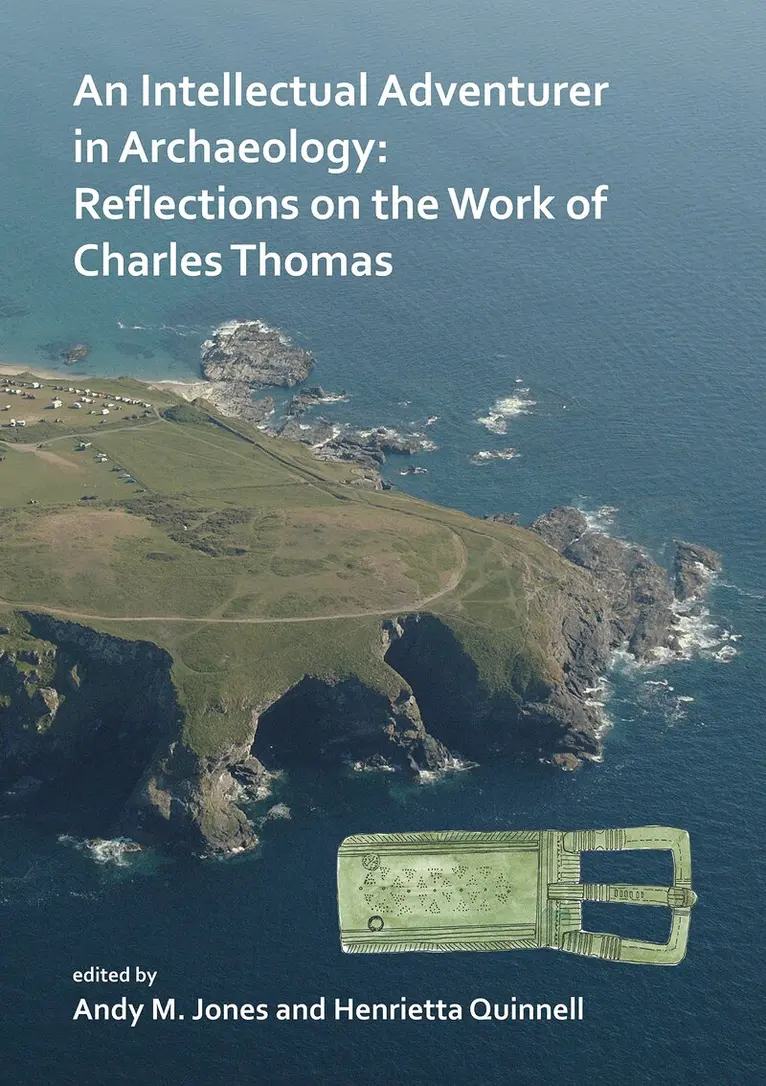
Intellectual Adventurer in Archaeology: Reflections on the work of Charles Thomas
Av Andy M. Jones, Henrietta Quinnell
Häftad, 2018
700 kr
Tillfälligt slut
Charles Thomas (1928-2016) was a Cornishman and archaeologist, whose career from the 1950s spanned nearly seven decades. This period saw major developments that underpin the structures of archaeology in Britain today, in many of which he played a pivotal part. He campaigned for the Chair of Cornish …
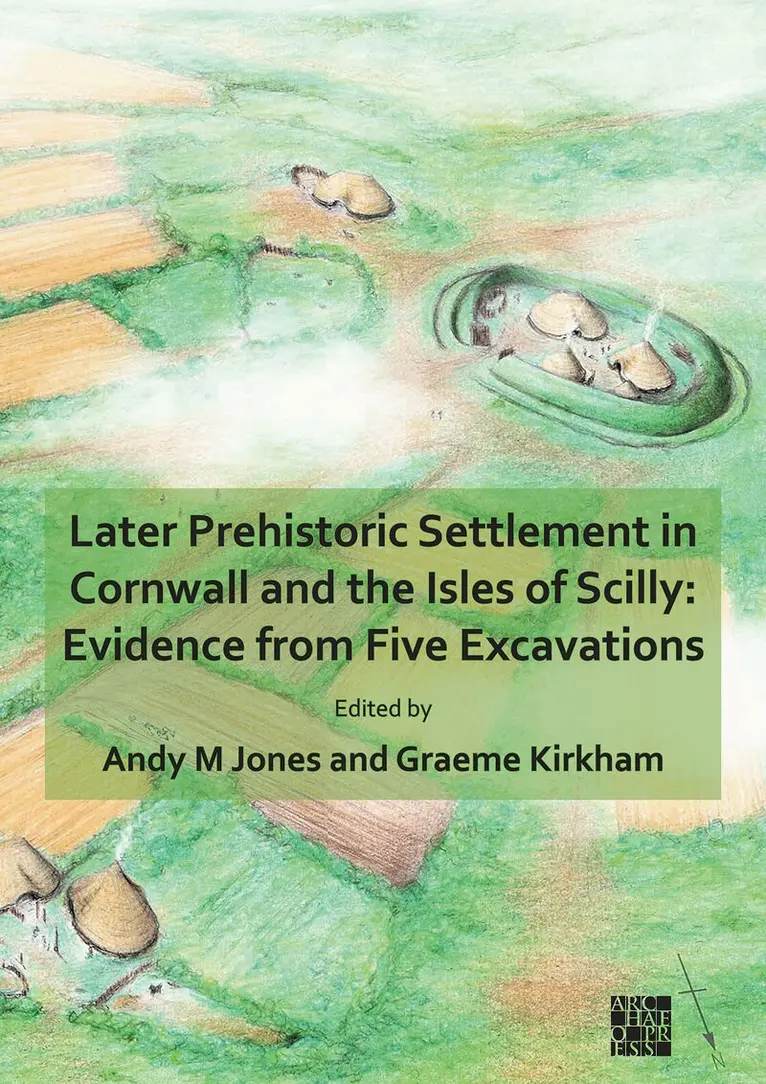
Later Prehistoric Settlement in Cornwall and the Isles of Scilly: Evidence from Five Excavations
Av Andy M. Jones, Graeme Kirkham
Häftad, 2021
808 kr
Tillfälligt slut
Later Prehistoric Settlement in Cornwall and the Isles of Scilly reports on the excavation between 1996 and 2014 of five later prehistoric and Roman period settlements. Three of the mainland sites – Killigrew, Nancemere and Higher Besore – are located in central Cornwall, near Truro, with the …