Graeme Kirkham – författare
Visar alla böcker från författaren Graeme Kirkham. Handla med fri frakt och snabb leverans.
3 produkter
3 produkter
Häftad, Engelska, 2021
781 kr
Skickas
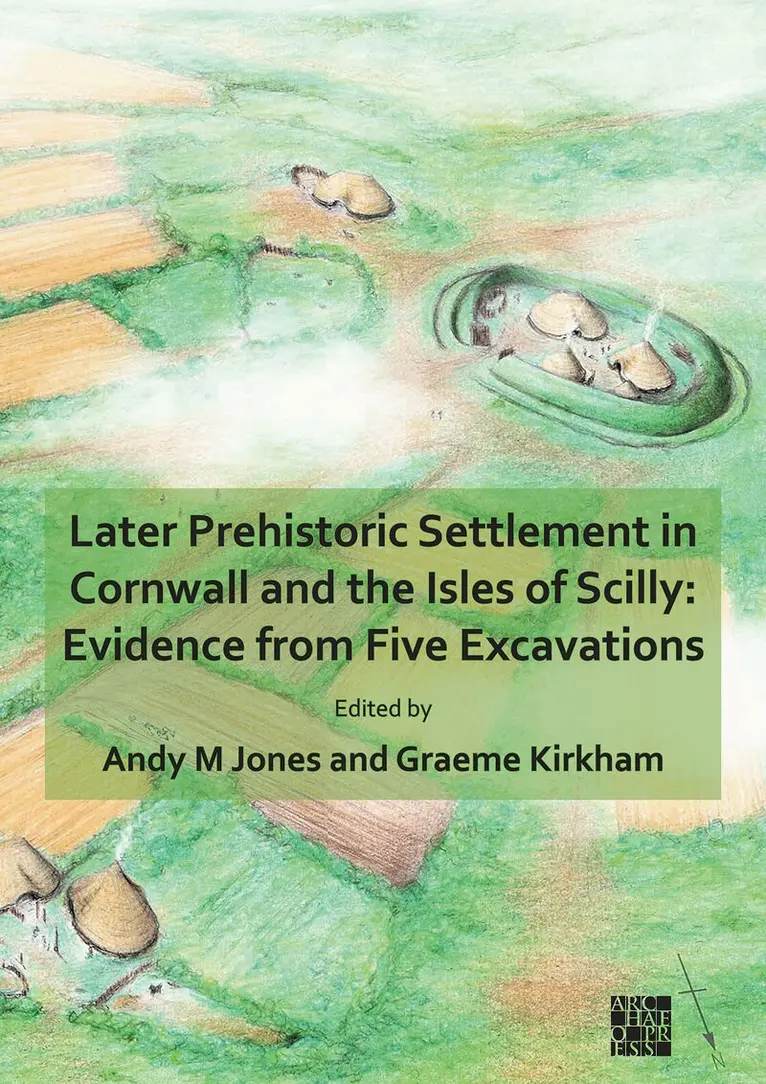
Later Prehistoric Settlement in Cornwall and the Isles of Scilly reports on the excavation between 1996 and 2014 of five later prehistoric and Roman period settlements. Three of the mainland sites – Killigrew, Nancemere and Higher Besore – are located in central Cornwall, near Truro, with the fourth, at Porthleven, situated on the south coast in west Cornwall. The fifth settlement, Porth Killier, is on the island of St Agnes on the Isles of Scilly. All the sites were multi-phased, revealing both similar and contrasting patterns of occupation stretching from the Bronze Age into the Iron Age and beyond. Despite having broadly comparable chronological sequences, there are considerable differences in both the tempo and intensity of occupation, and significant contrasts in practices associated with them. Significantly, all four mainland sequences culminate with an enclosed settlement in the Late Iron Age and especially during the Roman period, a time of significant economic and social change following the conquest. During this period there continued to be differences in the character of occupation. Notably two of the enclosures seem to have been strongly associated with industrial activities, including metalworking at Killigrew, suggesting that the working of iron may have been a controlled or ritualized activity undertaken within a dedicated space.The volume presents the results from each of the five settlement sites, before reviewing the key themes which have emerged from the investigations.
E-bok
Engelska, 2021123 kr
Läs direkt efter köp
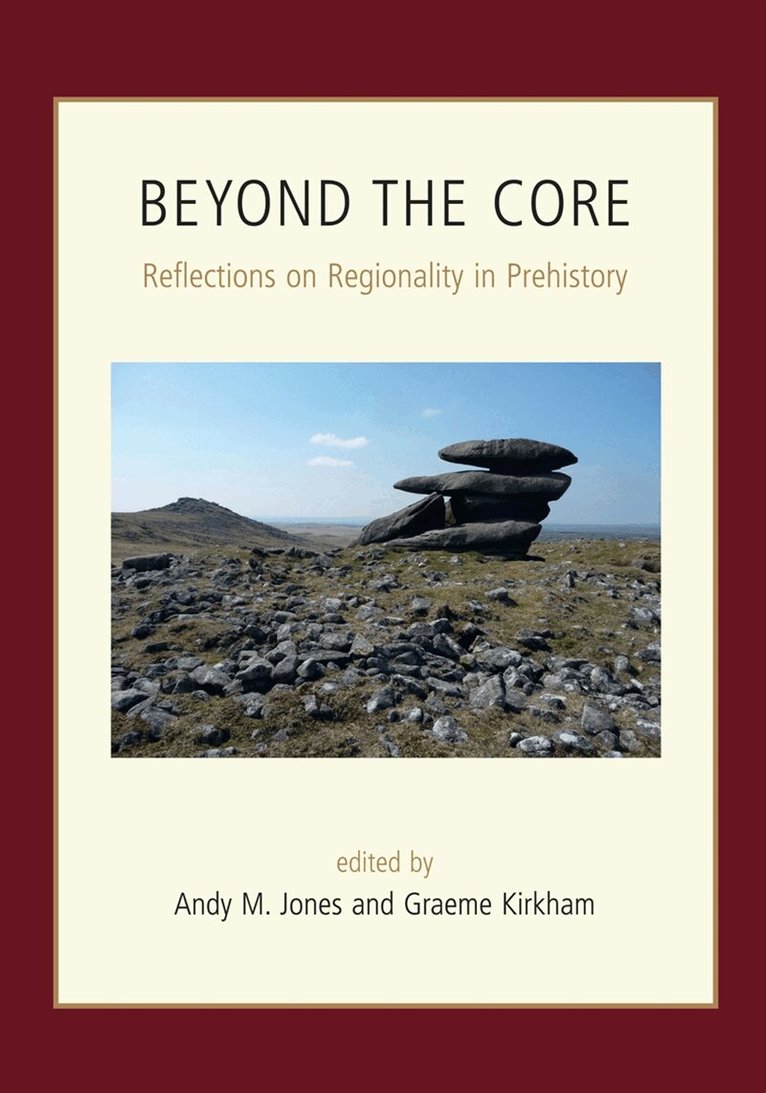
This volume explores the idea of regionally-based archaeologies across the British Isles which are not necessarily defined by modern political boundaries or through comparisons with regions such as Wessex and Orkney. In the past these intensively studied areas have often been assumed to represent the 'typical' - other areas with apparently different narratives have generally been labelled 'peripheral' and their diversity and distinctiveness overlooked. Assumptions about these core-based models have been challenged, especially by archaeologists in Ireland and Scotland and to some extent Wales. In England, despite more than two decades of intensive developer-funded archaeological investigation, new regional narratives are only just beginning to emerge. The 12 contributions to the collection - based on a session at the Exeter TAG conference in 2006 - identify distinctive elements of the prehistoric archaeology of a number of discrete areas across the British Isles, from Cornwall to Scotland and south-east England to Ireland. Some also consider how archaeologically coherent regions might be defined and the associated methodological problems in approaching such definitions. Others examine the ways in which 'universal' artefact forms and monument types have been interpreted in different areas, and how different patterns of contact, with the Continent or other regions, may have affected the construction of identities.
E-bok
PDF, 2011310 kr
Läs direkt efter köp
This volume explores the idea of regionally-based archaeologies across the British Isles which are not necessarily defined by modern political boundaries or through comparisons with regions such as Wessex and Orkney. In the past these intensively studied areas have often been assumed to represent the ''typical'' - other areas with apparently different narratives have generally been labelled ''peripheral'' and their diversity and distinctiveness overlooked. Assumptions about these core-based models have been challenged, especially by archaeologists in Ireland and Scotland and to some extent Wales. In England, despite more than two decades of intensive developer-funded archaeological investigation, new regional narratives are only just beginning to emerge. The 12 contributions to the collection - based on a session at the Exeter TAG conference in 2006 - identify distinctive elements of the prehistoric archaeology of a number of discrete areas across the British Isles, from Cornwall to Scotland and south-east England to Ireland. Some also consider how archaeologically coherent regions might be defined and the associated methodological problems in approaching such definitions. Others examine the ways in which ''universal'' artefact forms and monument types have been interpreted in different areas, and how different patterns of contact, with the Continent or other regions, may have affected the construction of identities.