Angel Daniel Matos - Böcker
Visar alla böcker från författaren Angel Daniel Matos. Handla med fri frakt och snabb leverans.
4 produkter
4 produkter
2 259 kr
Skickas inom 10-15 vardagar
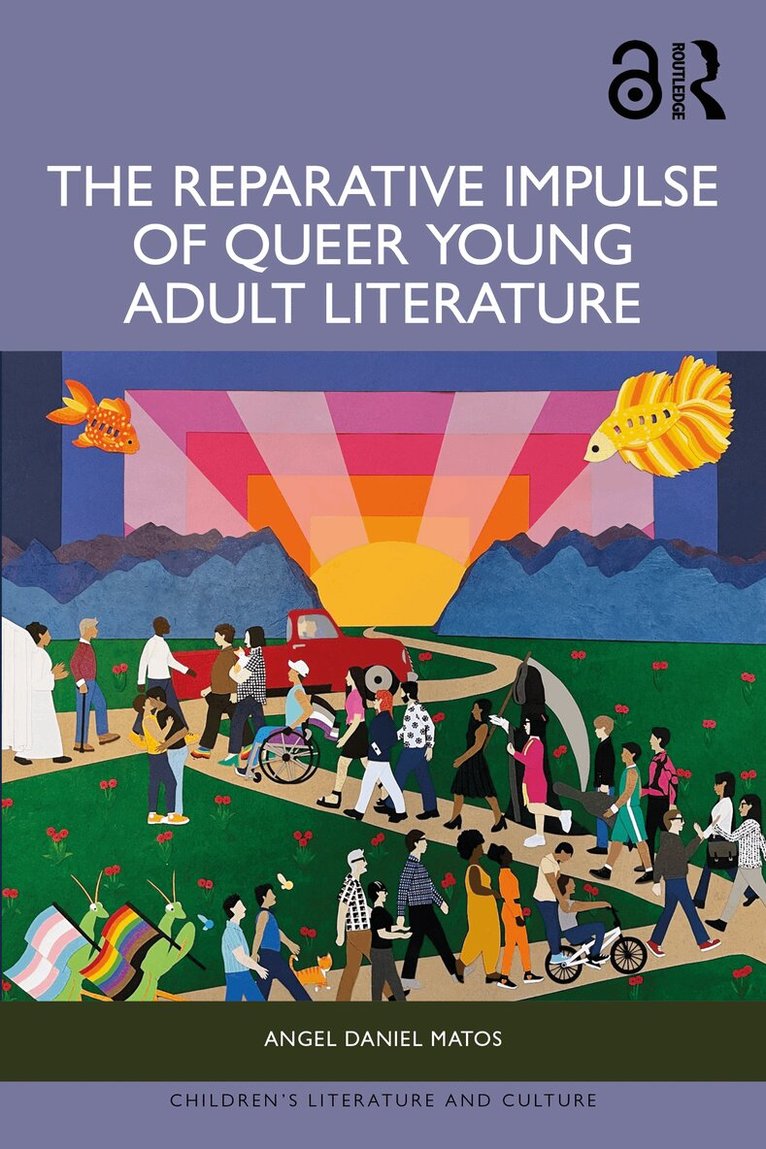
The Reparative Impulse of Queer Young Adult Literature is a provocative meditation on emotion, mood, history, and futurism in the critique of queer texts created for younger audiences. Given critical demands to distance queer youth culture from narratives of violence, sadness, and hurt that have haunted the queer imagination, this volume considers how post-2000s YA literature and media negotiate their hopeful purview with a broader—and ongoing—history of queer oppression and violence. It not only considers the tactics that authors use in bridging a supposedly “bad” queer past with a “better” queer present, but also offers strategies on how readers can approach YA reparatively given the field’s attachments to normative, capitalist, and neoliberal frameworks. Central to Matos’ argument are the use of historical hurt to spark healing and transformation, the implementation of disruptive imagery and narrative structures to challenge normative understandings of time and feeling, and the impact of intersectional thinking in reparative readings of queer youth texts. The Reparative Impulse of Queer Young Adult Literature shows how YA cultural productions are akin to the broader queer imagination in their ability to move and affect audiences, and how these texts encapsulate a significant and enduring change in terms of how queerness is—or can be—read, structured, represented, and felt. The Open Access version of this book, available at http://www.taylorfrancis.com, has been made available under a Creative Commons Attribution-Non Commercial-No Derivatives (CC-BY-NC-ND) 4.0 license.
723 kr
Skickas inom 10-15 vardagar
The Reparative Impulse of Queer Young Adult Literature is a provocative meditation on emotion, mood, history, and futurism in the critique of queer texts created for younger audiences. Given critical demands to distance queer youth culture from narratives of violence, sadness, and hurt that have haunted the queer imagination, this volume considers how post-2000s YA literature and media negotiate their hopeful purview with a broader—and ongoing—history of queer oppression and violence. It not only considers the tactics that authors use in bridging a supposedly “bad” queer past with a “better” queer present, but also offers strategies on how readers can approach YA reparatively given the field’s attachments to normative, capitalist, and neoliberal frameworks. Central to Matos’ argument are the use of historical hurt to spark healing and transformation, the implementation of disruptive imagery and narrative structures to challenge normative understandings of time and feeling, and the impact of intersectional thinking in reparative readings of queer youth texts. The Reparative Impulse of Queer Young Adult Literature shows how YA cultural productions are akin to the broader queer imagination in their ability to move and affect audiences, and how these texts encapsulate a significant and enduring change in terms of how queerness is—or can be—read, structured, represented, and felt. The Open Access version of this book, available at http://www.taylorfrancis.com, has been made available under a Creative Commons Attribution-Non Commercial-No Derivatives (CC-BY-NC-ND) 4.0 license.
1 133 kr
Skickas inom 7-10 vardagar
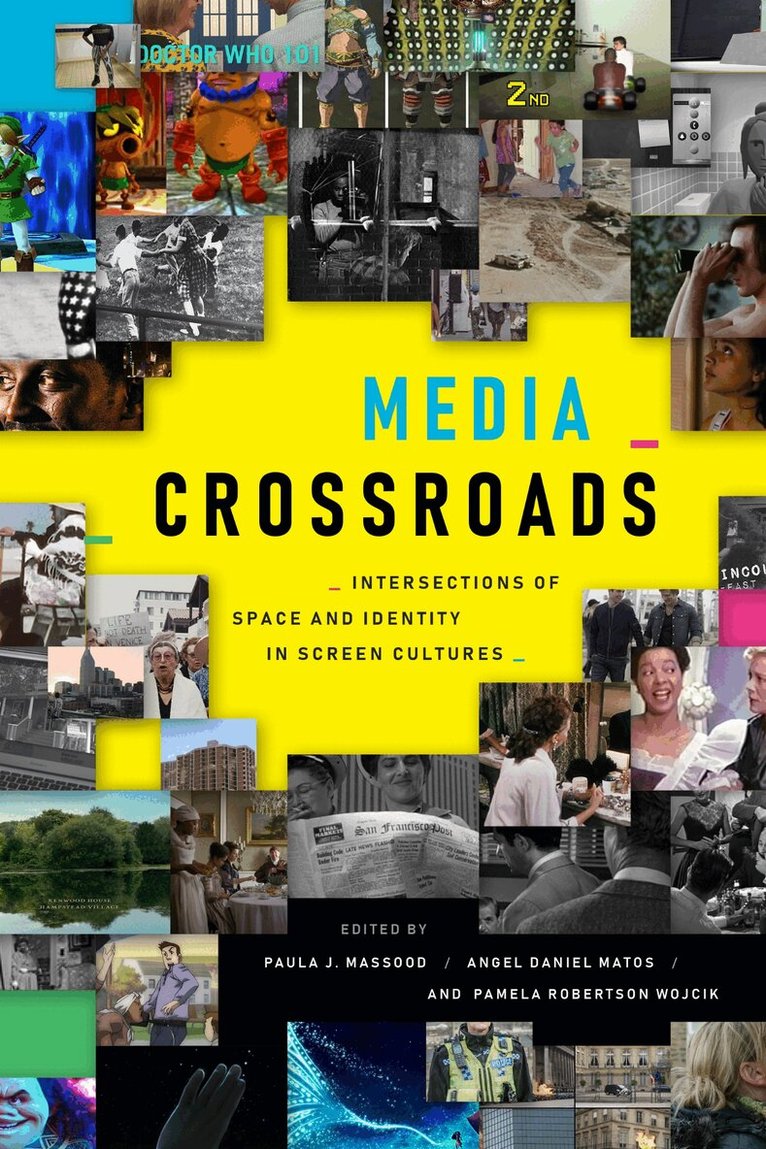
The contributors to Media Crossroads examine space and place in media as they intersect with sexuality, race, ethnicity, age, class, and ability. Considering a wide range of film, television, video games, and other media, the authors show how spaces-from the large and fantastical to the intimate and virtual-are shaped by the social interactions and intersections staged within them. The highly teachable essays include analyses of media representations of urban life and gentrification, the ways video games allow users to adopt an experiential understanding of space, the intersection of the regulation of bodies and spaces, and how style and aesthetics can influence intersectional thinking. Whether interrogating the construction of Portland as a white utopia in Portlandia or the link between queerness and the spatial design and gaming mechanics in the Legend of Zelda video game series, the contributors deepen understanding of screen cultures in ways that redefine conversations around space studies in film and media.Contributors. Amy Corbin, DesirÉe J. Garcia, Joshua Glick, Noelle Griffis, Malini Guha, Ina Rae Hark, Peter C. Kunze, Paula J. Massood, Angel Daniel Matos, Nicole Erin Morse, Elizabeth Patton, Matthew Thomas Payne, Merrill Schleier, Jacqueline Sheean, Sarah Louise Smyth, Erica Stein, Kirsten Moana Thompson, John Vanderhoef, Pamela Robertson Wojcik
308 kr
Skickas inom 7-10 vardagar
The contributors to Media Crossroads examine space and place in media as they intersect with sexuality, race, ethnicity, age, class, and ability. Considering a wide range of film, television, video games, and other media, the authors show how spaces-from the large and fantastical to the intimate and virtual-are shaped by the social interactions and intersections staged within them. The highly teachable essays include analyses of media representations of urban life and gentrification, the ways video games allow users to adopt an experiential understanding of space, the intersection of the regulation of bodies and spaces, and how style and aesthetics can influence intersectional thinking. Whether interrogating the construction of Portland as a white utopia in Portlandia or the link between queerness and the spatial design and gaming mechanics in the Legend of Zelda video game series, the contributors deepen understanding of screen cultures in ways that redefine conversations around space studies in film and media.Contributors. Amy Corbin, DesirÉe J. Garcia, Joshua Glick, Noelle Griffis, Malini Guha, Ina Rae Hark, Peter C. Kunze, Paula J. Massood, Angel Daniel Matos, Nicole Erin Morse, Elizabeth Patton, Matthew Thomas Payne, Merrill Schleier, Jacqueline Sheean, Sarah Louise Smyth, Erica Stein, Kirsten Moana Thompson, John Vanderhoef, Pamela Robertson Wojcik